
For centuries, the concept of 'gossip' has been weaponized to dismiss and demean the conversations of and between women. However, as feminist scholars like Silvia Federici have pointed out, the term was originally used to describe women’s immense oral power. Derived from the Old English word for a companion in childbirth, a gossip was a trusted female friend, a midwife, or a confidante. As explored in The Good Trade’s analysis of the feminist origins of gossip, it was only with the rise of modern patriarchal structures that this vital network of female solidarity—where women shared medical remedies, survival tactics, and warnings—was branded as idle, malicious chatter to silence them.
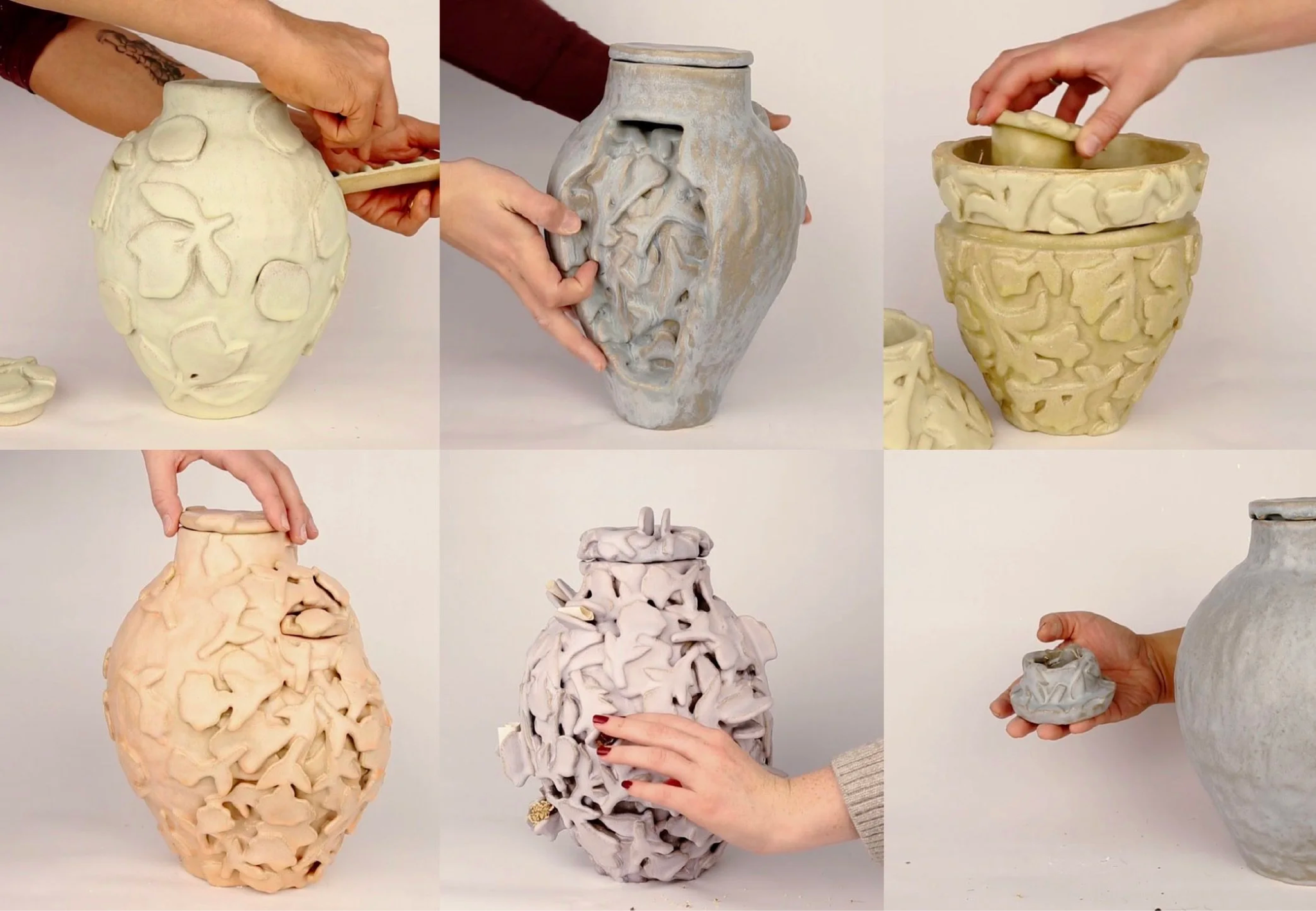
Today, ceramic artist Abbey Peters is physically reclaiming the protective power of gossip. Based in Denver, Colorado, and serving as the Phipps Visiting Professor of Ceramics at the University of Denver, Peters transforms the dismissed concept of "old wives’ tales" into tangible, safeguarded archives. This is why her work is aligned with the United Nations Sustainable Development Goal of Gender Equality.
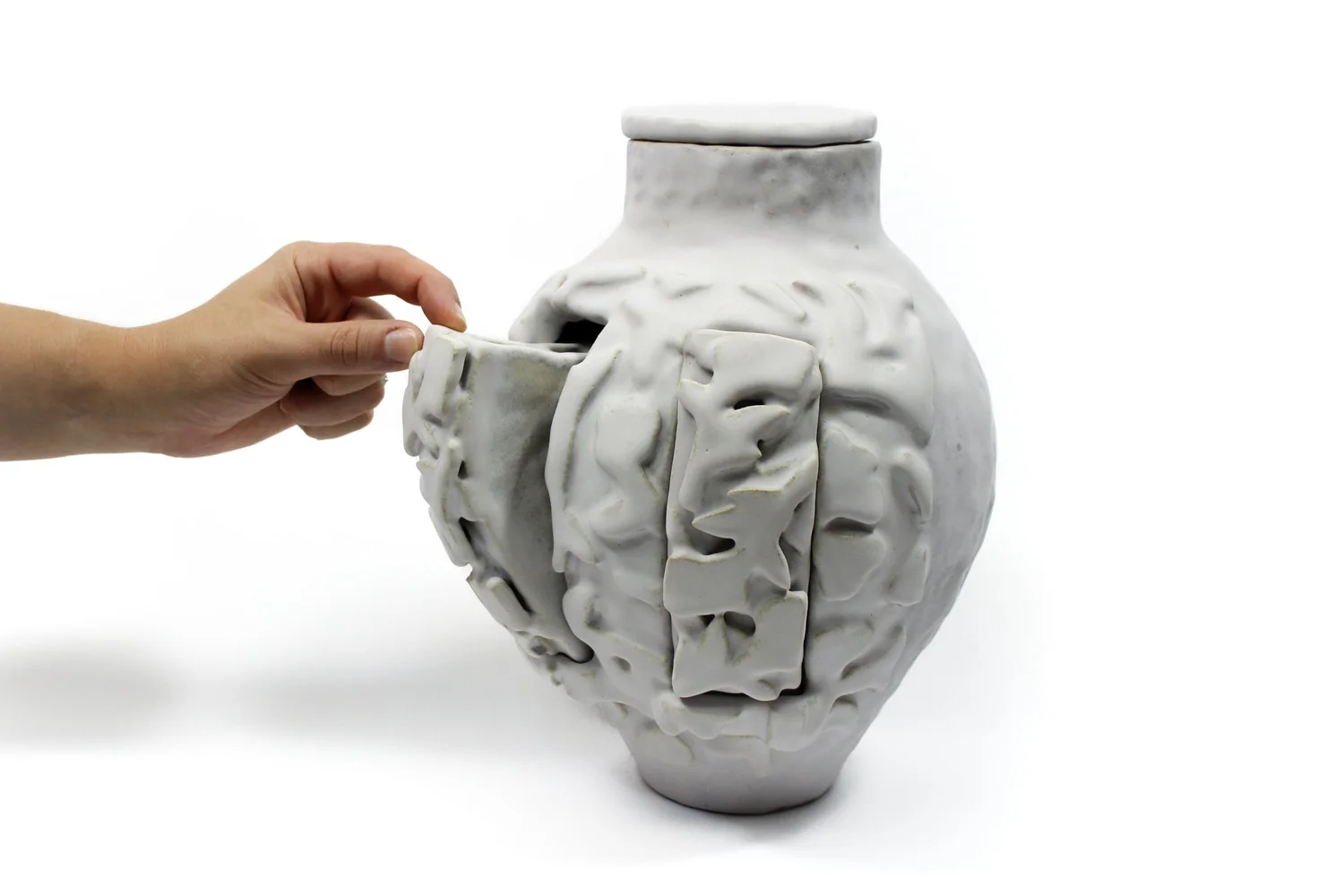
Peters builds interactive ceramic jars, pocket-sized sculptures, and even furniture designed with hidden compartments. According to her artist statement via Woman Made Gallery, these vessels are crafted to conceal items related to a woman’s life that have historically been—or may one day become—illicit: contraceptives, abortifacient herbs, forbidden recipes, and subversive literature. Here, her ceramic pieces investigate the inherited secrets buried within the domestic sphere.
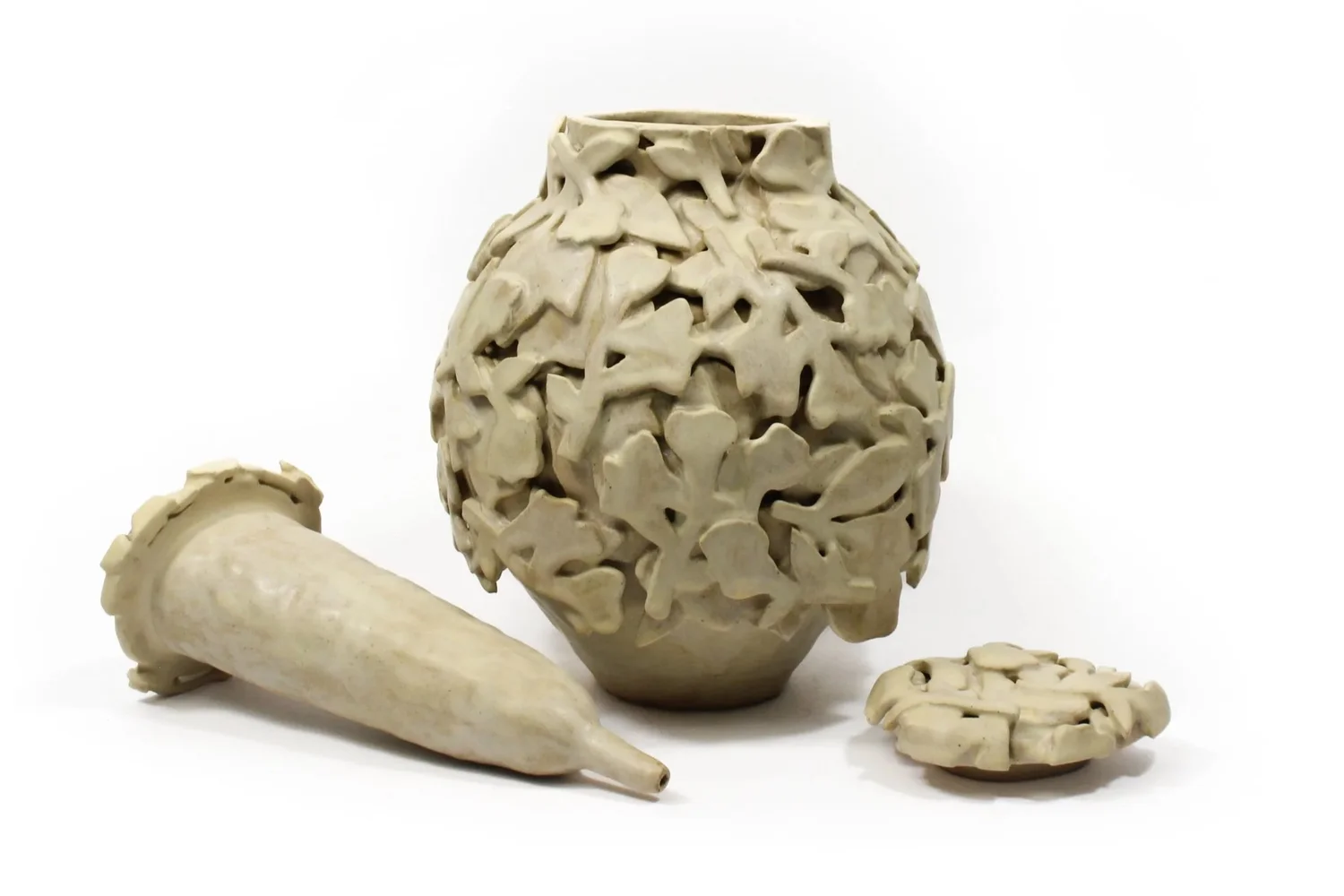
Drawing heavily on research into early modern European apothecaries, horticulture, and midwifery, she views the domestic home, which has confined women for so long, as a site of quiet resistance where gossip was shared and sisterhood was forged.
The hidden compartments in her work are a direct response to a long history of societal shame surrounding women's lives, bodies, and reproductive health. As detailed in the Erasmus University academic thesis #TABOOMATTERS: An Empowering Strategy in Feminine Hygiene Advertising, female biology—ranging from menstruation to contraceptives and other reproductive healthcare products—has historically been framed through sociological concepts of purity and pollution. The heavy stigma and taboo inscribed onto women's bodily autonomy and natural reproductive cycles have pushed vital care and research of them into the shadows. Hence, in some works, Peters has covered her ceramics in elaborate floral patterns to actively harness society’s historical tendency to dismiss and hide the “gnarly” parts of what it means to be feminine.
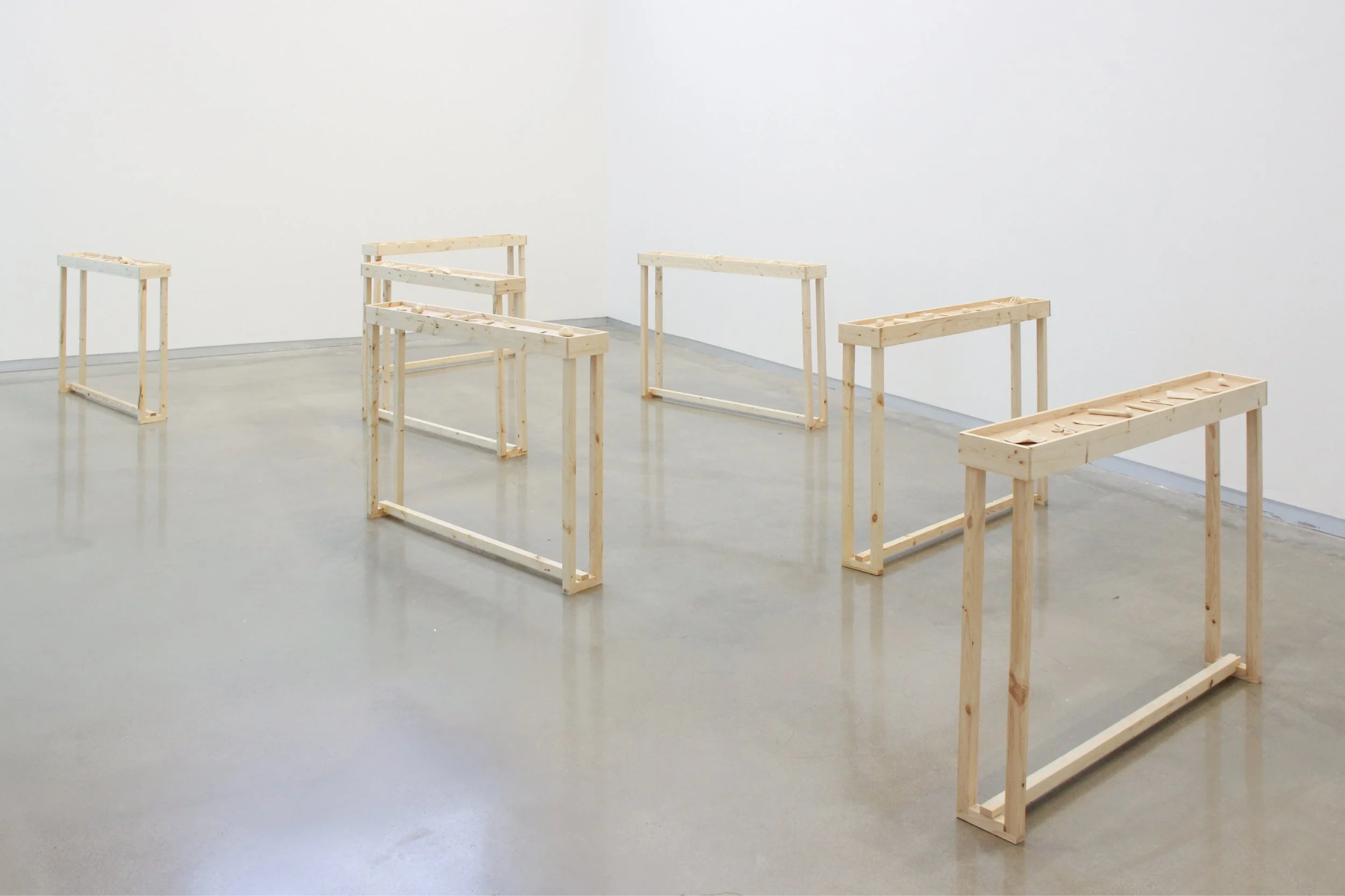
This is why the concept of gossip is central to her oeuvre. Peters' work addresses how gossip tackles the dangerous systemic failures and restrictions in women's healthcare. As she notes, women historically shared seeds to brew tea when clinics closed their doors and swapped remedies when doctors dismissed their pain. Her solo exhibition at Berea College, Abbey Peters: Carefully Held, perfectly encapsulated this ethos. The collection explored the myriad ways women nurture and carry one another across generations, translating the ephemeral nature of gossip and shared lore into permanent, pocket-sized ceramic guardians.
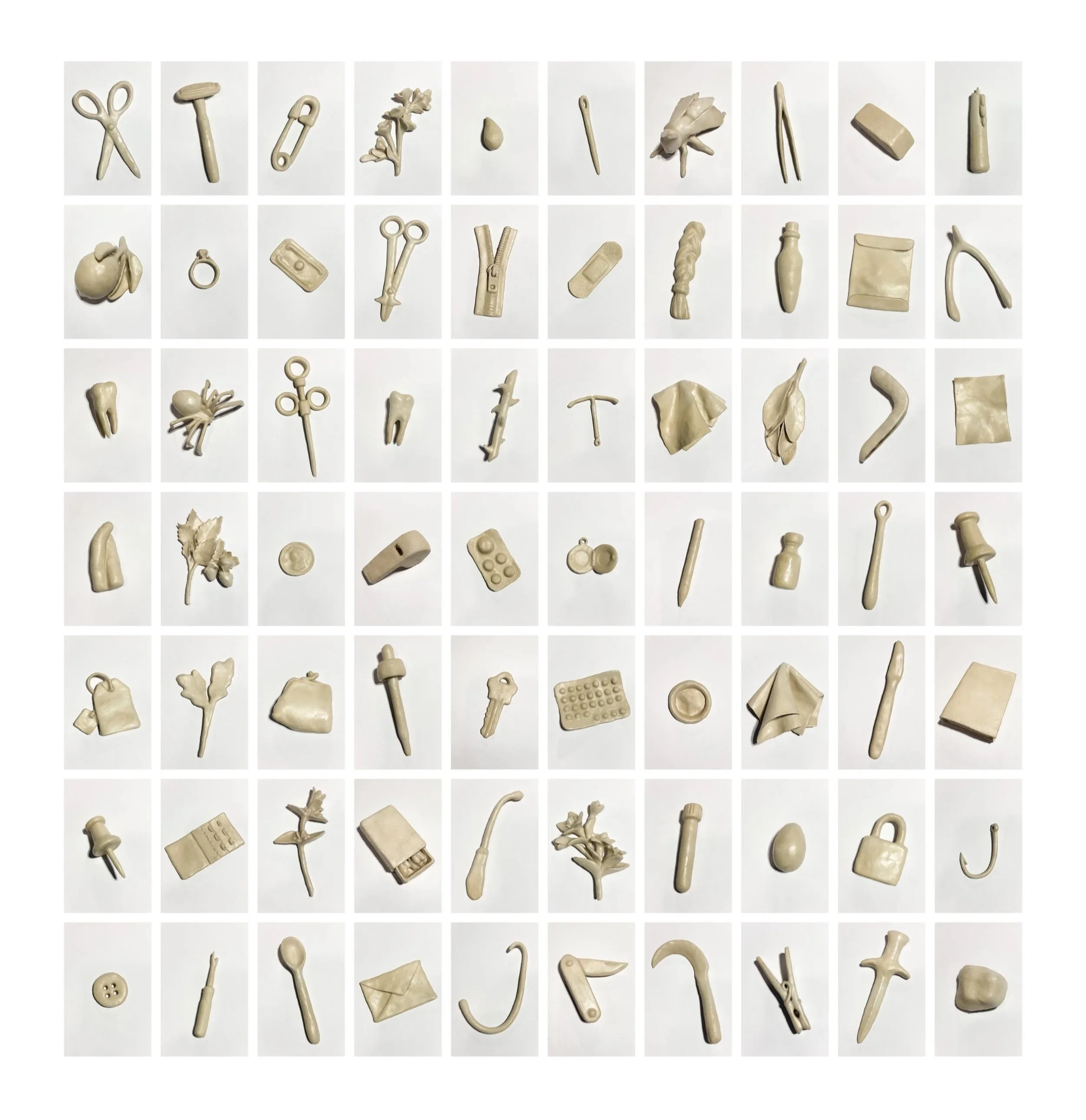
By reframing gossip not as a moral failing but as a crucial survival mechanism, Peters challenges her audiences to listen more closely to the women around them. Her interactive ceramics ask them to consider what knowledge they are protecting, who they are keeping safe, and how the domestic spaces they inhabit can serve as silent fortresses of care for future generations.
For more information about Abbey Peters’ work, check out her website, www.abbey-peters.com, or Instagram, @abbey_peters.