
Food photography often prioritizes commercial appetite, presenting meals as fleeting desires of human consumption. However, for Balinese photographer Ade Ardhana (b. 1994), food photography is a tool for spatial inquiry and cultural preservation. In his latest exhibition, Makan di Ruang Tengah (Eating in the Living Room), hosted at the Seta Coffee Library in Ubud, Ardhana collaborates with Nawangseta Design Studio to treat Indonesian cuisine as architectural components of culture.
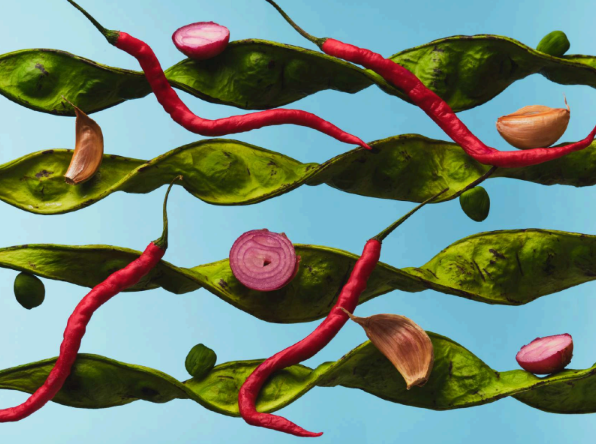
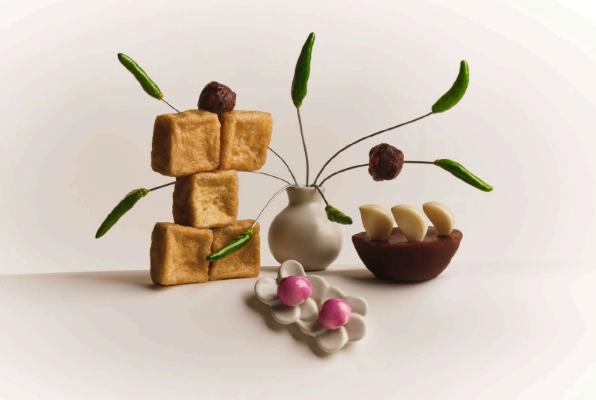
Drawing inspiration from Mustikarasa—the monumental cookbook commissioned by Indonesia's first president, Soekarno, to document Nusantara’s rich culinary heritage—Ardhana stages dishes like Gudeg Nangka and Tahu Gejrot with measured proportions, conscious composition, and bold colours. These food photographs then transcend their consumable nature and act as an archive of taste, identity, and cultural survival in the face of colonialism, globalization, and hypercapitalism. This is why his work is relevant to the United Nations Sustainable Development Goals of Reduced Inequalities and Zero Hunger.
This artistic reimagining of food arrives at a critical cultural threshold for Bali, as the island is confronting severe threats to its agricultural foundations. A recent 2024 academic framework detailing the "Design of the Bali Province Food Security Action Plan towards Food Independence" highlights the urgent need to secure local food systems against escalating environmental and economic pressures. As documented by the Samdhana Institute, Bali's agricultural sector is currently suffering from the devastating dual impacts of climate change, which manifests as prolonged droughts and extreme flooding. On top of that, human activity is also directly affecting Bali’s agricultural decline due to rampant land conversion driven by gentrification and the tourism industry.
Just as Ardhana meticulously stages his subjects to resist the urgency of fast consumption, a network of young regenerative farmers across Bali is actively redesigning the island's food architecture. In Denpasar, the Kebun Berdaya initiative is transforming vacant city lots into thriving community gardens. By advocating for localized urban food systems, they are dismantling the stigma that farming is a dirty, lower-class job, framing it instead as a vital modern profession. This push ensures that the youth migrating to urban centers can still engage with, protect, and modernize their agrarian roots.

Meanwhile, in heavily gentrified areas like Canggu, projects like Jiwa Garden serve as educational oases, teaching regenerative farming methods to counter the negative ecological impacts of tourism. In more rural regions, groups like BRASTI in Desa Gobleg are integrating Indigenous Tamblingan spiritual beliefs into ecological planning, protecting the sacred lakes and forests that act as the community's primary water sources. These grassroots movements parallel the very ethos of Mustikarasa—preserving not just the final recipe, but the entire fragile ecosystem required to produce it. They advocate for the cause by prioritizing soil health, organic waste management, and connecting local smallholder farmers to sustainable markets.

Ade Ardhana’s Makan di Ruang Tengah is ultimately a reflection on what it takes to sustain a food culture in the face of modern crises. By elevating everyday Nusantara cuisine to the status of architectural monuments, Ardhana demands that we look closer at the origins and vulnerabilities of our meals. His exhibition beautifully mirrors the resilience of Bali's youth, indigenous leaders, and policymakers who are fighting for food independence. Together, through the precision of the camera lens and the careful cultivation of the soil, they are ensuring that the rich archive of Indonesia's culinary heritage remains alive, resilient, and deeply rooted in the planet.
For more information about Ade Ardhana’s work, check out his Instagram @ardhanagb.