
Health and wellness often come with sacrifice. Human bodies tend to weaken with age, which can be exacerbated by illnesses one can contract at any time. People’s lives are often devastated by disease due to its irregularity. One can be in perfect health one day and suddenly contract an incurable disease the next day. Disease prevention and healthcare have now developed into one of the largest commercial industries in the world. CDC reports that there are over 1.2 million licensed physicians and 15.7 million allied licensed healthcare professionals operating in 6,093 hospitals in the US alone. As healthcare continues to solidify itself within the global economic sector, one often wonders what the impact of the rising cost of healthcare is on the people who need it most: the sick, the disabled, and the elderly. Black Mirror’s Series 7 episode 1, Common People, explores this question while criticizing the often exploitative nature of for-profit healthcare companies toward the most vulnerable. Every decision comes with sacrifice, and the exploration of the sacrifices for better help and care for people who are the most vulnerable aligns with the United Nations Sustainable Development Goals of Good Health and Well-being.
The devastating reality of medical care is that it is often quite segregated. Healthcare professionals are taught to ‘do no harm’ and to care for their patients regardless of age, gender, and financial status. However, due to the rising cost of quality healthcare, segregation within the healthcare industry seems more prevalent than ever. For example, the United States’ Medicare Advantage program has a deceptive ‘cheaper premium, same benefits’ marketing model that is vastly different from reality. Indonesia’s oversaturated BPJS clinics are sending patients with critical conditions home due to apparent oversights and miscommunication. The common people are often taken advantage of in the healthcare industry as a whole. Some private insurance companies use discriminatory practices such as the “poverty penalty,” the “ethnicity penalty,” and the “loyalty penalty,” where people are charged increased rates or even refused coverage based on their financial states, the ethnic groups in their surrounding community, and brand loyalty to insurance companies.
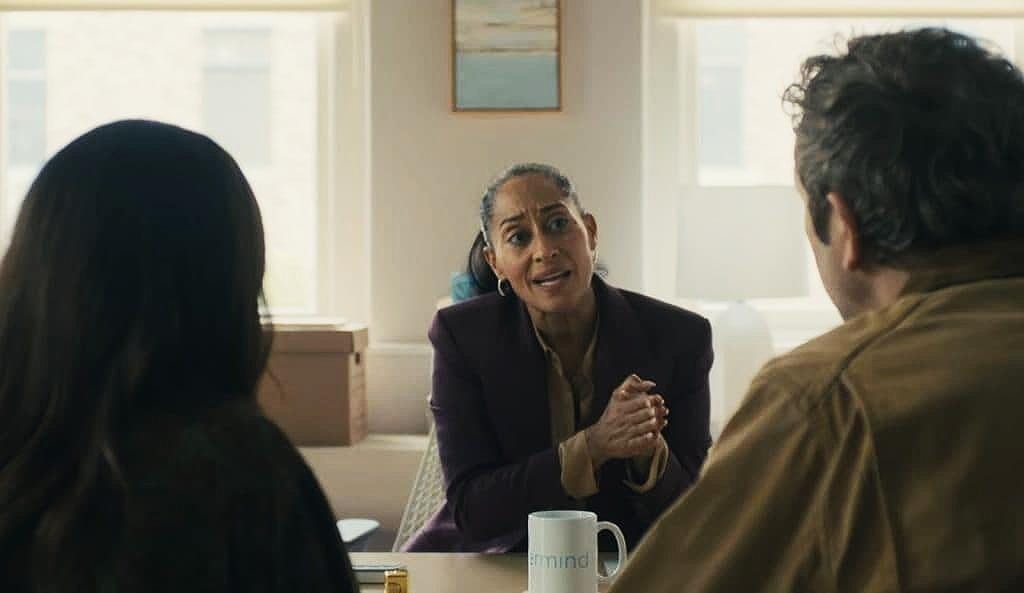
In the case of Black Mirror’s Common People, Chris O’Dowd as Mike and Rashida Jones as Amanda go through a tumultuous journey due to Amanda’s sudden coma, leading to her diagnosis of brain cancer. They seek an experimental procedure, a subscription-based cloud service that restores Amanda’s brain function at a 'low cost' of $300 a month, pitched by Tracee Ellis Ross's character Gaynor. However, like many low-tier subscription packages, there are limits. Amanda has restless sleep because the company uses her brain like a server, leading her to sleep longer hours at a time. A geological lock is placed on her, preventing her from travelling, and she begins spouting targeted ads, including to children at her workplace. Mike and Amanda increase their subscription tier to improve their quality of life, which decimates their finances indefinitely. Mike finally begins to supplement their income by doing dangerous things for money on a livestreaming platform, sacrificing his life and dignity for the sake of his wife.
At a surface level, the episode is a clear criticism of the rampant subscription models across different media platforms, including the host platform, Netflix. It also showcases the realities of the exploitation of content creators, desperate for money, by unsympathetic audiences on livestreaming platforms like TikTok Live. Capitalism often exploits the desperate, as survival becomes a commodity; there are no limits to what one will do for money. However, when analyzing what lies beyond the surface, Common People creates a harrowing picture of the realities of the healthcare industry’s commercialization impacting the vulnerable. The episode thrusts its audience to view the lives of vulnerable people, showing that it can happen to anyone, regardless of the state you are in. Everyone is susceptible to loss, death, illness, and disability. Common People forces you to recognize that if you are part of the ‘common people,’ you will most likely suffer through the consequences due to the rampant commercialization of healthcare.
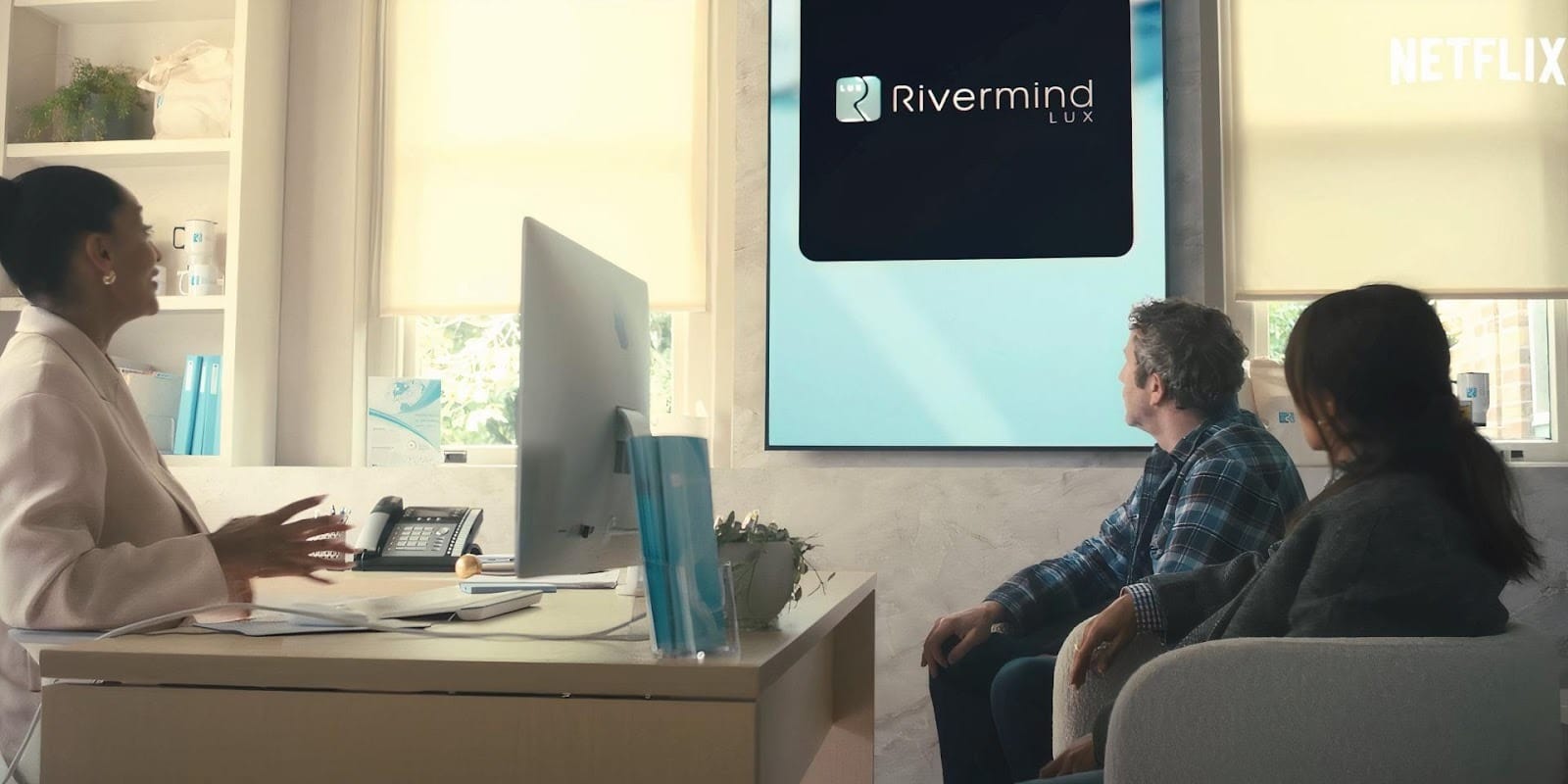
Survival comes to those who adapt to their surroundings, and adaptability comes naturally to those born into privilege. The commercialization of healthcare benefits the wealthy more than it benefits the vulnerable, who rely on it, as we see in Mike’s struggles to make ends meet so that Amanda can live a better life despite her illness. In the United States alone, even with the Affordable Care Act, Americans are often faced with the reality that calling emergency services would plunge them into financial hardship. Studies have found that 79 per cent might be on the hook for an average excess bill of $550. CNBC also reports that the average American may not even be able to cover the excess, as one out of ten Americans often takes a $1,000 loan for emergency medical treatment. In comparison to other countries where all medical care is free, such as Switzerland, Germany, and America’s northern border neighbor, Canada, the devastating reality of medical care's cost under medical industrialization devastates those who are most vulnerable. As written by The Guardian columnist Arwa Mahdawi, “Welcome to Trumpcare, everyone: you may bankrupt yourself trying not to die, but at least you’re not living under socialism.”

Common People, however, is not necessarily about criticizing America’s healthcare system as a whole, but rather about the commercialization of the industry. We will never know whether the commercial healthcare industry will one day implement the subscription service method, as Black Mirror foretells. Other commercial healthcare industries, such as medical tourism in countries like Korea, Turkey, and Thailand, have hidden health and safety risks despite the promotion and normalization of plastic surgery within the media. However, commercialized healthcare, like medical tourism, targets those who can afford to take the risk, while inaccessible and expensive healthcare harms those who can't afford to lose everything. The choice to sacrifice your whole life, identity, and dignity to afford to save the one you love should not be a reality for those seeking medical care. Anyone can get sick, anyone can get injured, and anyone can suddenly become disabled.
The choice to live should not be a luxury reserved for the wealthy, and Common People urges the audience to view the harsh reality behind the decision to live through an illness for those who are not fortunate enough to guarantee the purchase of survival. The episode encourages the audience to think about healthcare from a new perspective, and the inaccessibility of healthcare hurts the average individual through its tongue-in-cheek ‘healthcare subscription model’ concept. At the end of the day, life, health, wellness, and survival shouldn't be reserved for those who can afford it but a given for everyone who truly needs it.