
Desira Jewel is a conscious jewelry label rooted in the spiritual soil of Bali, Indonesia. Founded in 2016, the brand introduces silver craftsmanship that is not only durable but also deeply connected to personal storytelling. Unlike brands driven by rapid trends, Desira Jewel prioritizes meaning over speed, viewing their work as a bridge between nature, culture, and the wearer.
For example, their Segara Subeng design reimagines the Subeng, a traditional Balinese ear ornament historically worn during ceremonies as a symbol of strength and femininity. Desira Jewel infuses the Subeng with contemporary textures of ocean waves, encouraging Desira Jewel clients to view jewelry as cultural heirlooms that can evolve with them. This will also ensure that their pieces are cherished for a lifetime rather than being discarded after a trend falters, which is why their practice is relevant to the United Nations Sustainable Development Goal of Responsible Consumption and Production.
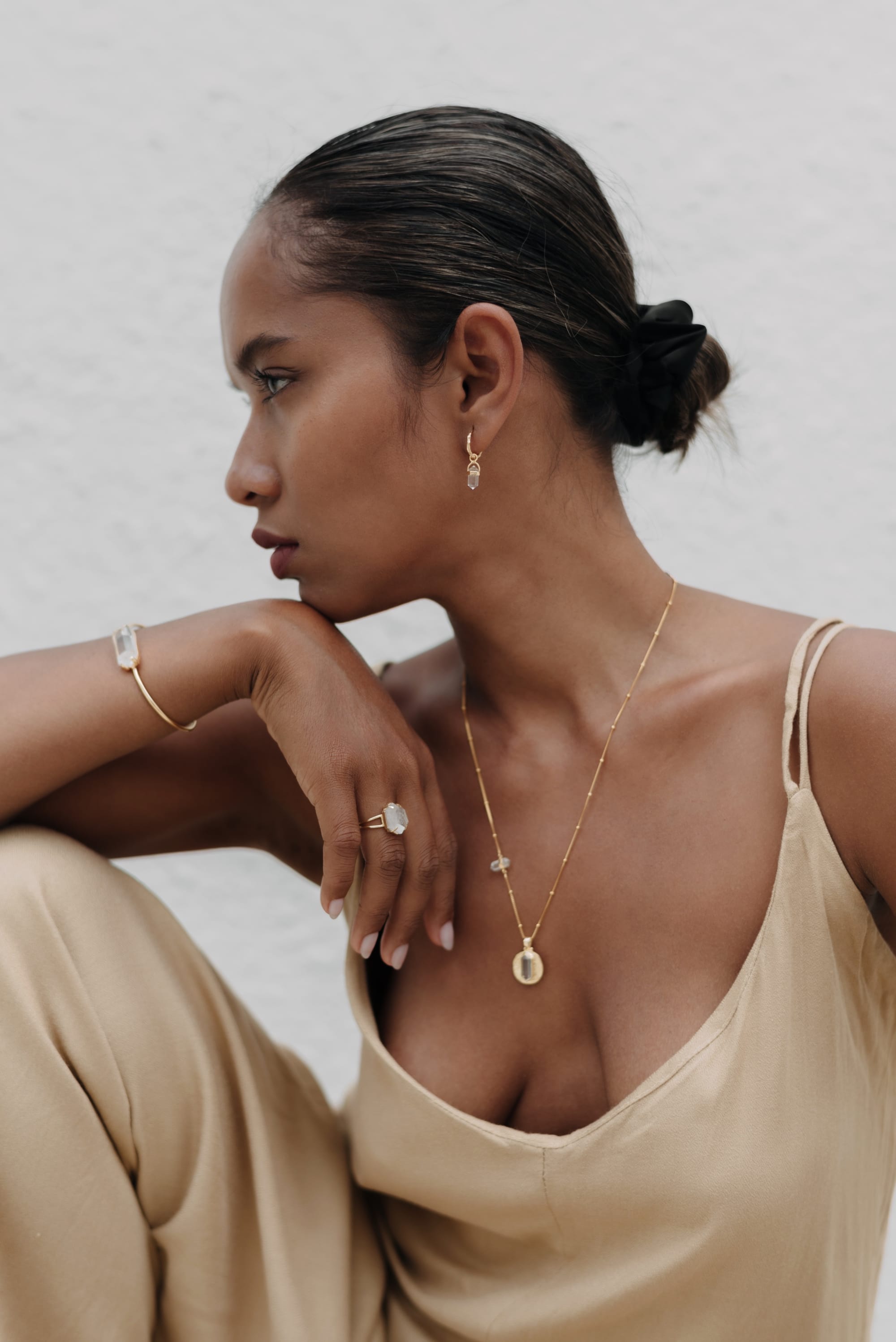
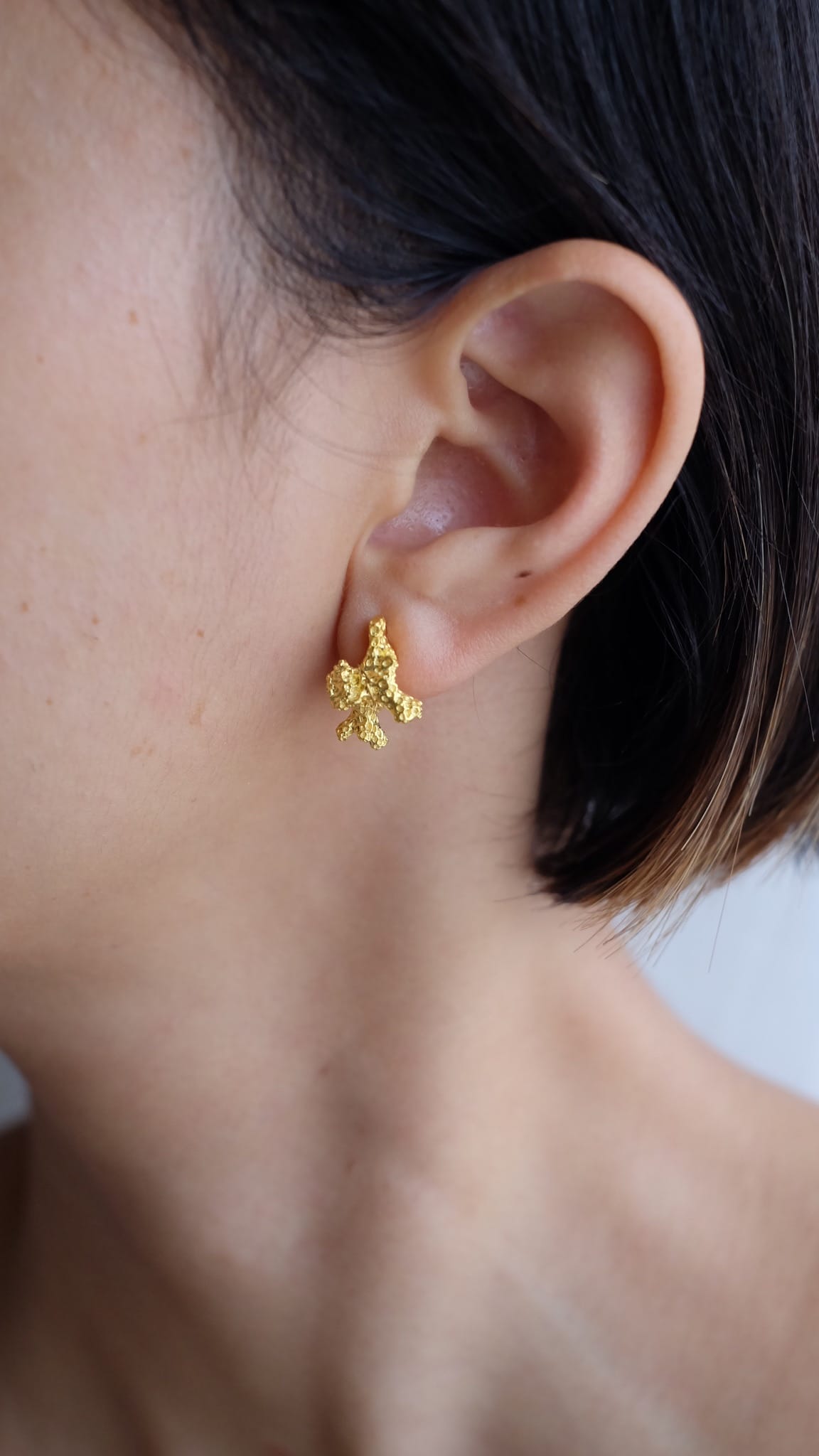
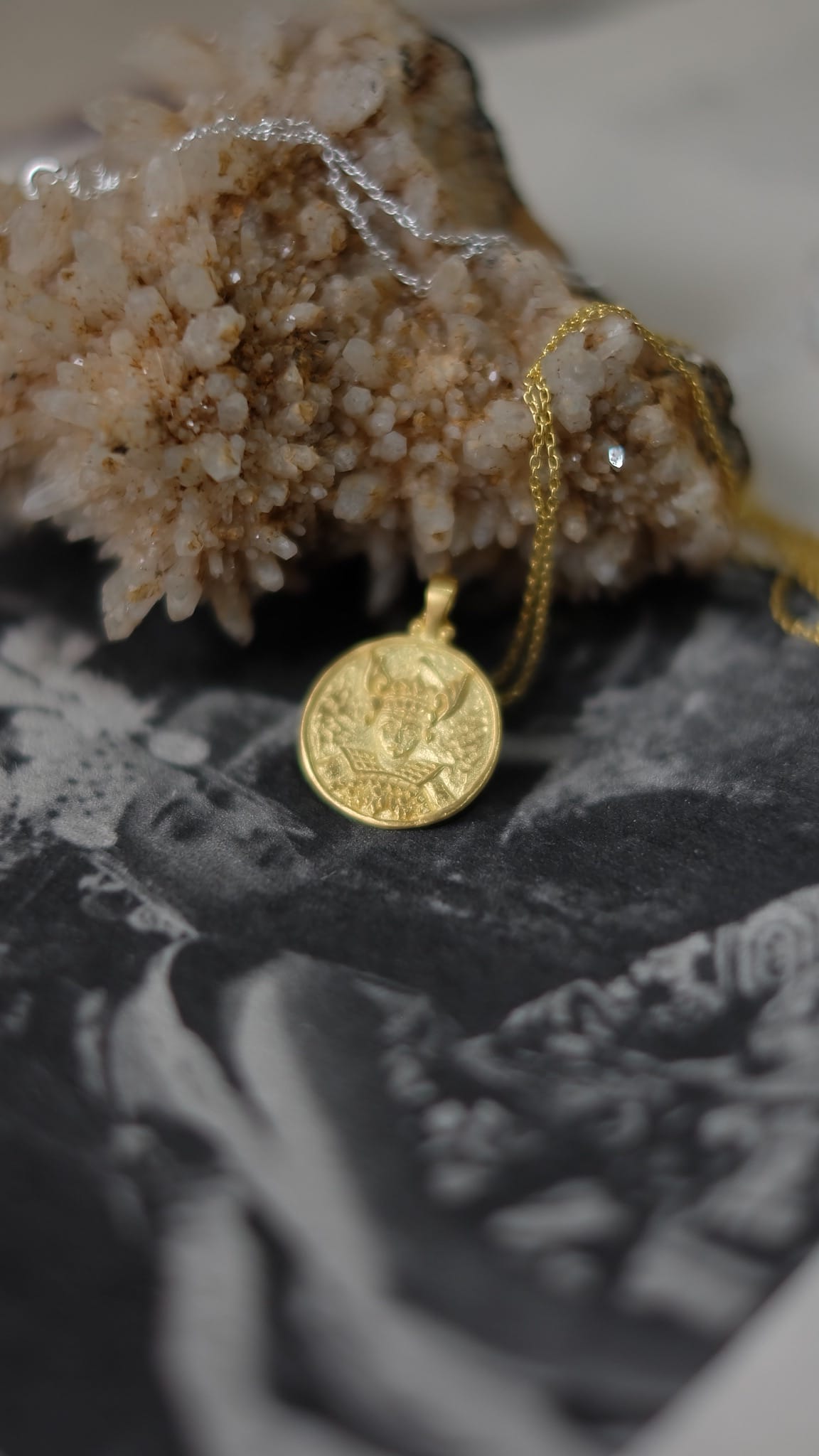
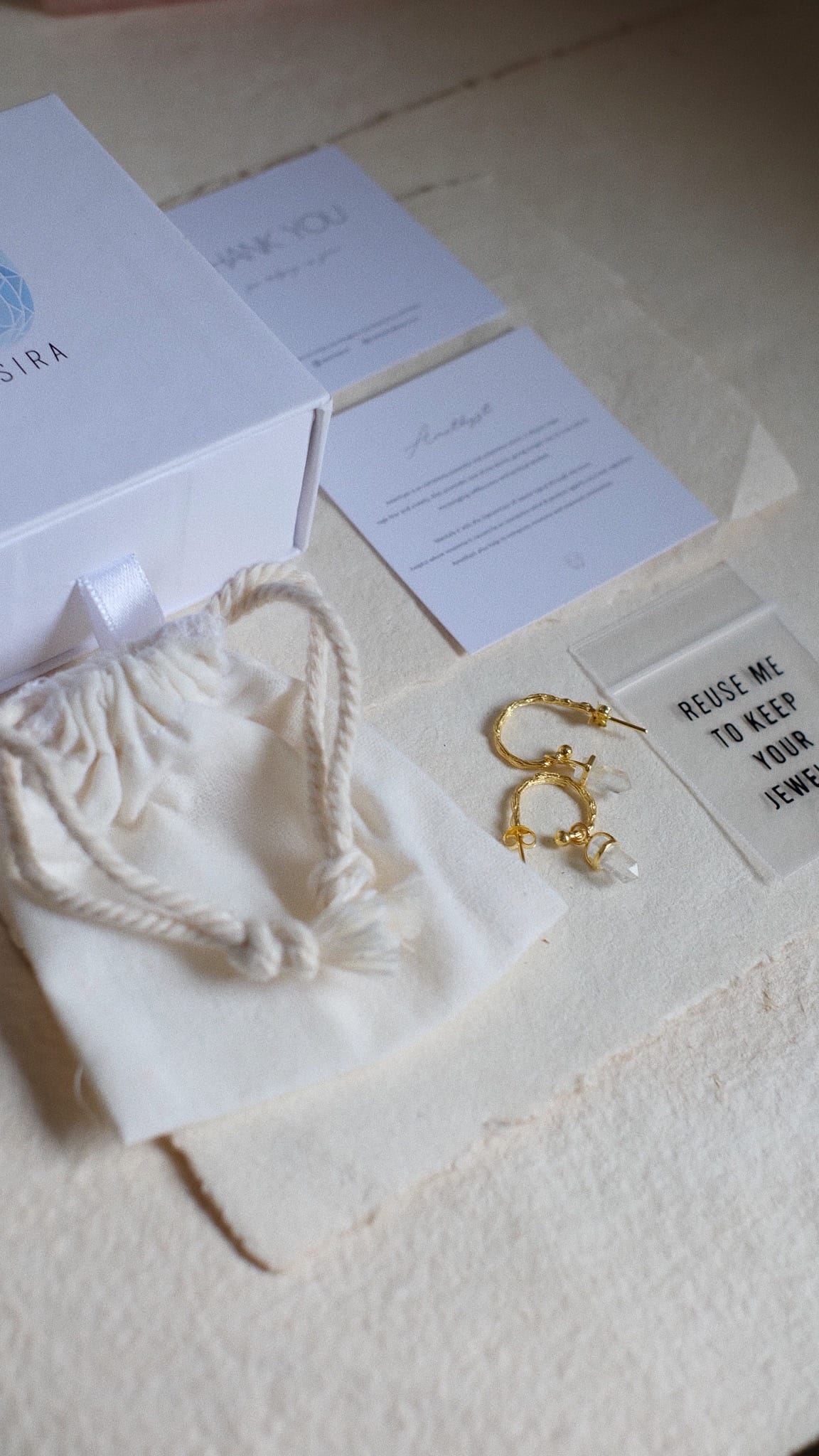
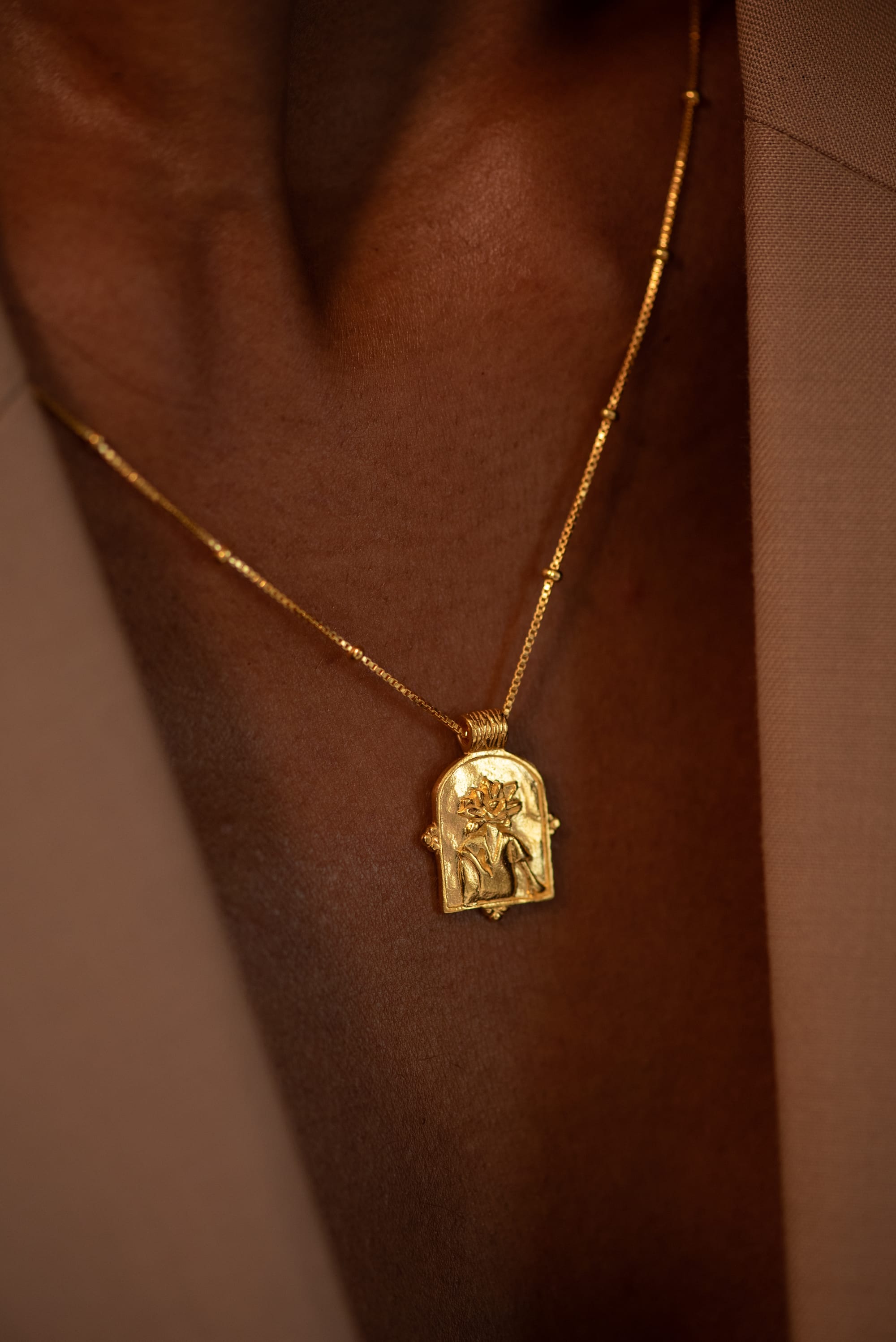
Desira Jewel pieces. Image courtesy of Desira Jewel.
To understand their work better, we sat down with Ratih Desira, the founder of Desira Jewel, to dive deeper into their journey of healing, their respect for the process, and their vision for a conscious business.
Arts Help: Can you share a little bit of the brand's story and vision? How did you arrive at this point of creating a jewelry brand?
Ratih Desira: The brand didn’t start with a big plan. It started quite naturally. I’ve always enjoyed working with my hands, and it slowly became a way for me to express feelings.
There is also a personal story behind it. In the beginning, creating jewelry was my distraction and my healing process after I experienced a miscarriage. Making something with my hands helped me stay grounded during that time.
With full support of my husband, we started very small in 2016. At that time, I was making simple handmade wired jewelry using mixed metals (not silver yet). We also borrowed a few jewelry pieces from one of my mother’s acquaintances and tried selling them at a small market in Canggu, Love Anchor Canggu. From that experience, we learned a lot, not only about selling, but about listening to people and understanding what they feel connected to. That's also a moment where we got some big projects from some other country, and the brand started to grow organically.
Little by little, we started making my own silver jewelry and learning more about the process. Later, we began working with silversmiths. Living and creating in Bali really shaped the brand, how slow we grow, how we respect the process, and how we focus more on meaning than speed.
Until today, our vision stays the same: to create jewelry that feels personal, meaningful, and can stay with someone for a long time, growing together with their life.
AH: Can you share what it means to be a conscious business in Bali? Which area is your brand focusing on (i.e., environmental, social, etc.)?
RD: For us, being a conscious business in Bali means understanding that nothing is separated. Nature, people, culture, and what we create are all connected. When you live here, you really feel that your work has an impact beyond just the product.
We try to be mindful, especially about materials and longevity. We work mainly with silver, and some of it is recycled. We choose that material because of its durability and hold value better than most materials, but still more reachable than gold and can be recycled. We design mostly jewelry that is not trend-based but something that can be worn for many years and can be passed down to the next generation. We also believe that sustainability is not only about how something is made but also how it is cared for and how long it stays with the owner.
Socially, we try to give back in ways that feel close to us, especially through education and community projects. It may not always be big, but we try to be consistent. At the moment we regularly donate with Yayasan Sehati Bali, a foundation for a family with autism and Down syndrome. This is a place where families with autism or Down syndrome kids could get access to therapy and learn to be more independent. If you would like to know more about this, feel free to let me know.
We also know that we are far from perfect. Being a conscious and sustainable brand is a learning process. We are still learning, still making mistakes, and still seeking the best way possible to do things. We realize it's a journey that keeps evolving.
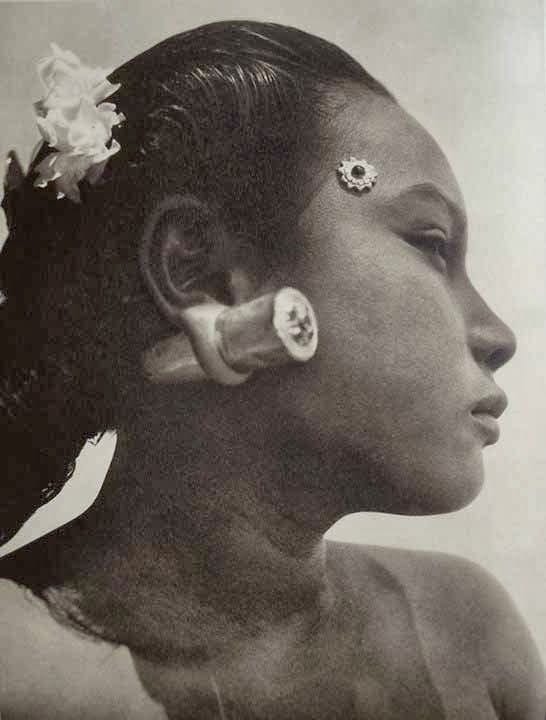
AH: I've had the chance to see some of your collections in person and was in awe of the pieces inspired by traditional Balinese Subeng. Can you share a little bit more about them, their creation, and the cultural earpieces that inspired them?
RD: Subeng is a traditional Balinese ear ornament that has a very strong presence. It was usually worn by women during ceremonies and classical dance. What attracted me to Subeng was not only its shape, but the feeling it carries: strong, feminine, and grounded at the same time.
Our pieces are not meant to copy traditional Subeng. They are more like a conversation with tradition. We looked at the essence of Subeng—the curves, the balance, the weight—and reinterpreted it in a more contemporary way that feels wearable in daily life.
The creation process is very intuitive. We work with respect, curiosity, and awareness of where the inspiration comes from. For us, it’s important to honor the culture but also allow it to evolve naturally so it can live beyond ceremonies and become part of everyday life.
One of our newest designs is Segara Subeng; "Segara" means "ocean" in Balinese. It represents the beauty of our ocean, with a wave pattern that we put as the texture, and we combined it with the shape of a Subeng. We haven't made a proper shoot for this series, but I will send you some raw pictures.
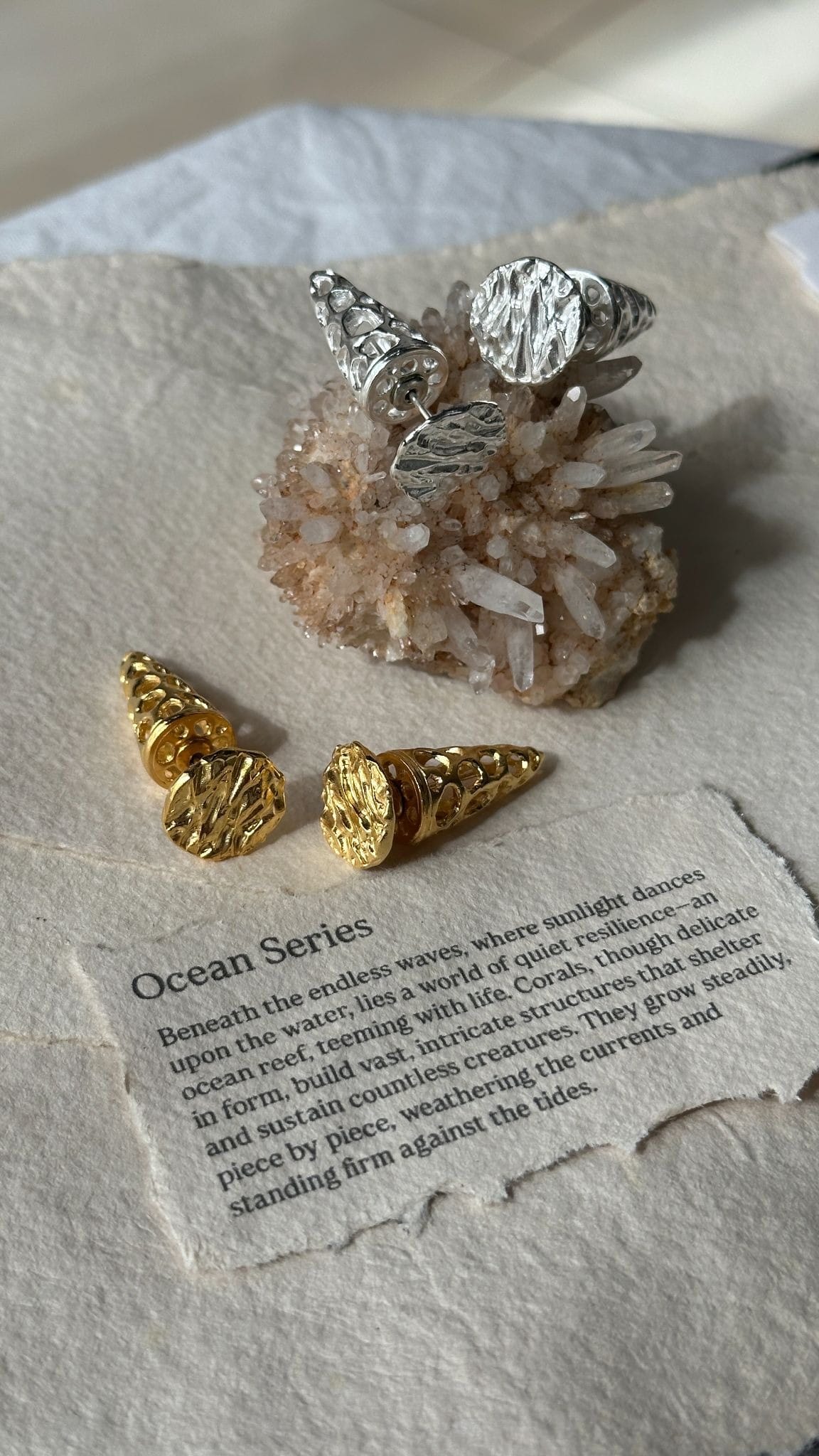
AH: From my observation, most jewelry brands do not concern themselves much with the aftercare of the jewelry that they've sold, yet you continuously educate your customers about them. Can you tell me a little bit more about why that is? What are your aftercare suggestions and services?
RD: We see jewelry as something that stays with you for a long time, not just something you buy and forget. That’s why aftercare is important to us.
Silver is a living material. It reacts to skin, air, and daily activities. By educating our customers about simple aftercare, like how to store jewelry, how to clean it gently, and when to remove it we help them keep their pieces in good condition for longer.
We also offer support after the purchase, whether it’s cleaning, small repairs, or just advice. For us, this is part of sustainability too. When people take care of their jewelry, they tend to keep it, value it, and sometimes even pass it on.
AH: Do you have anything else you would like to share with our readers?
RD: I hope people see our jewelry as more than just an accessory. Each piece is made with intention, time, and care. I also didn’t make each piece by myself; there's a team behind them—everyone from the stone crafter to the silversmith to our gallery staff, their family, my husband, and those working in some of the small shops in Bali that help provide us with materials. By buying one piece, our customers are helping to support all of us.
In a world that moves very fast, we believe there is value in slowing down and choosing things more mindfully. Jewelry can carry memories, moments, and personal meaning. If our pieces can become part of someone’s story, even in a small way, then that already means a lot to us.
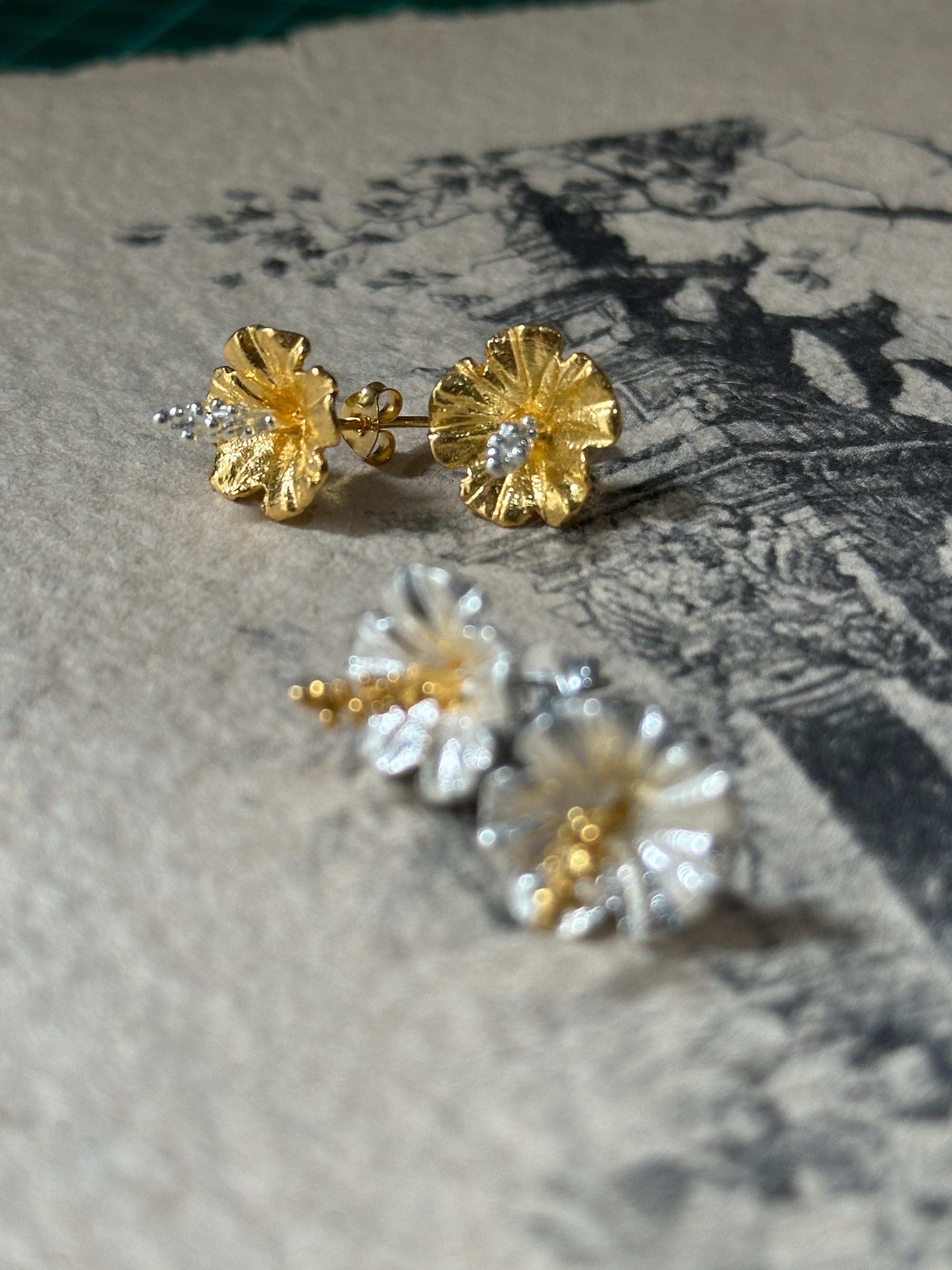
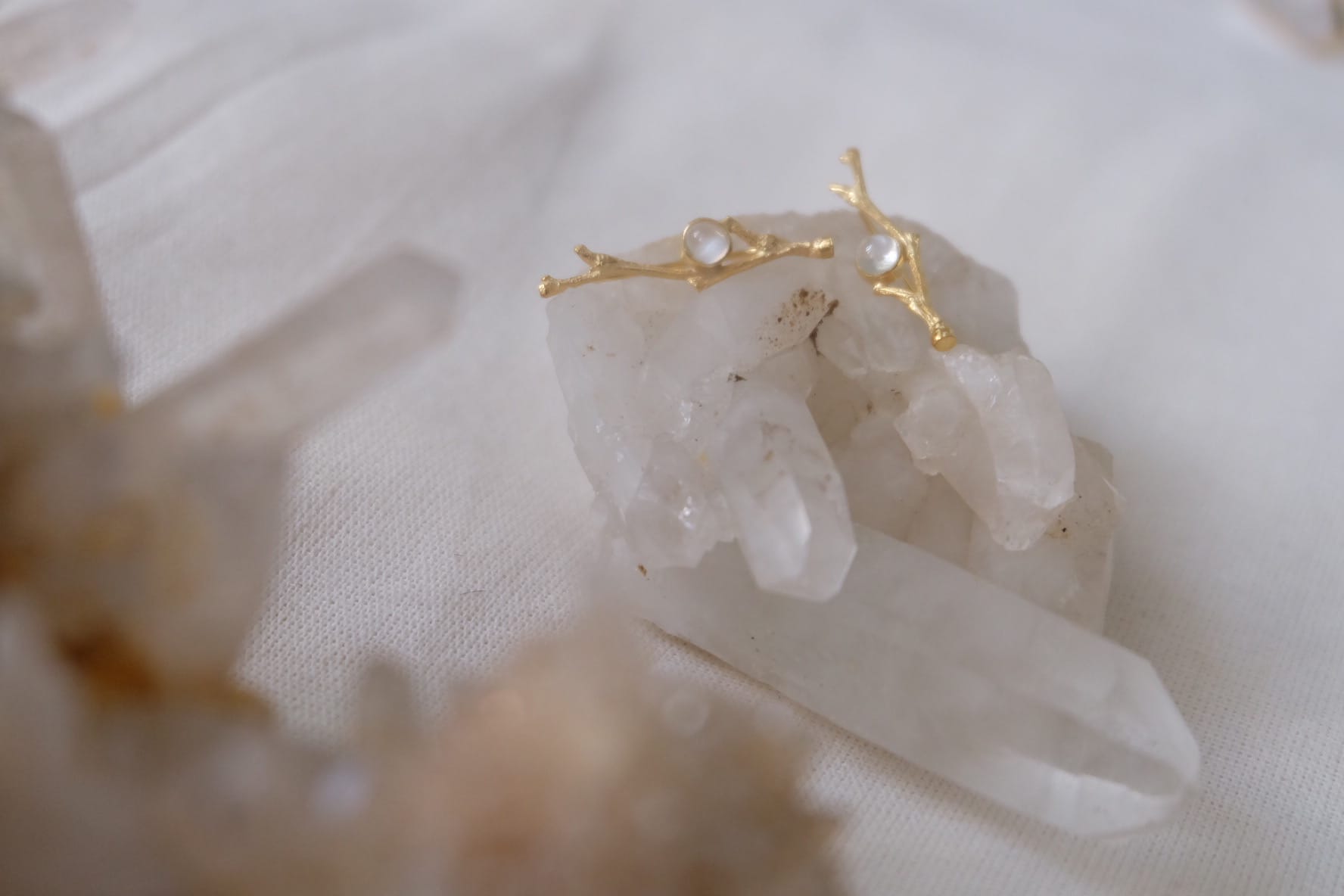
Desira Jewel pieces. Image courtesy of Desira Jewel.
Find out more about the silver craftsmanship of Desira Jewel and their community initiatives by checking their website www.desirajewel.com or Instagram, @desirajewel.