
In today’s visual culture, especially when talking about public spaces, good taste is often synonymous with minimalism, clean lines, and easy-to-understand (and therefore market) shapes and messages. Think about clean girl aesthetics, Scandinavian minimalism, and beige interiors that have permeated the public’s sense of visual space as sophistication. Yet Panamanian stylist and artist Diany Bustamante begs to differ; she proclaims that this emptiness is not a style preference for people to strive towards, but a tool of erasure.
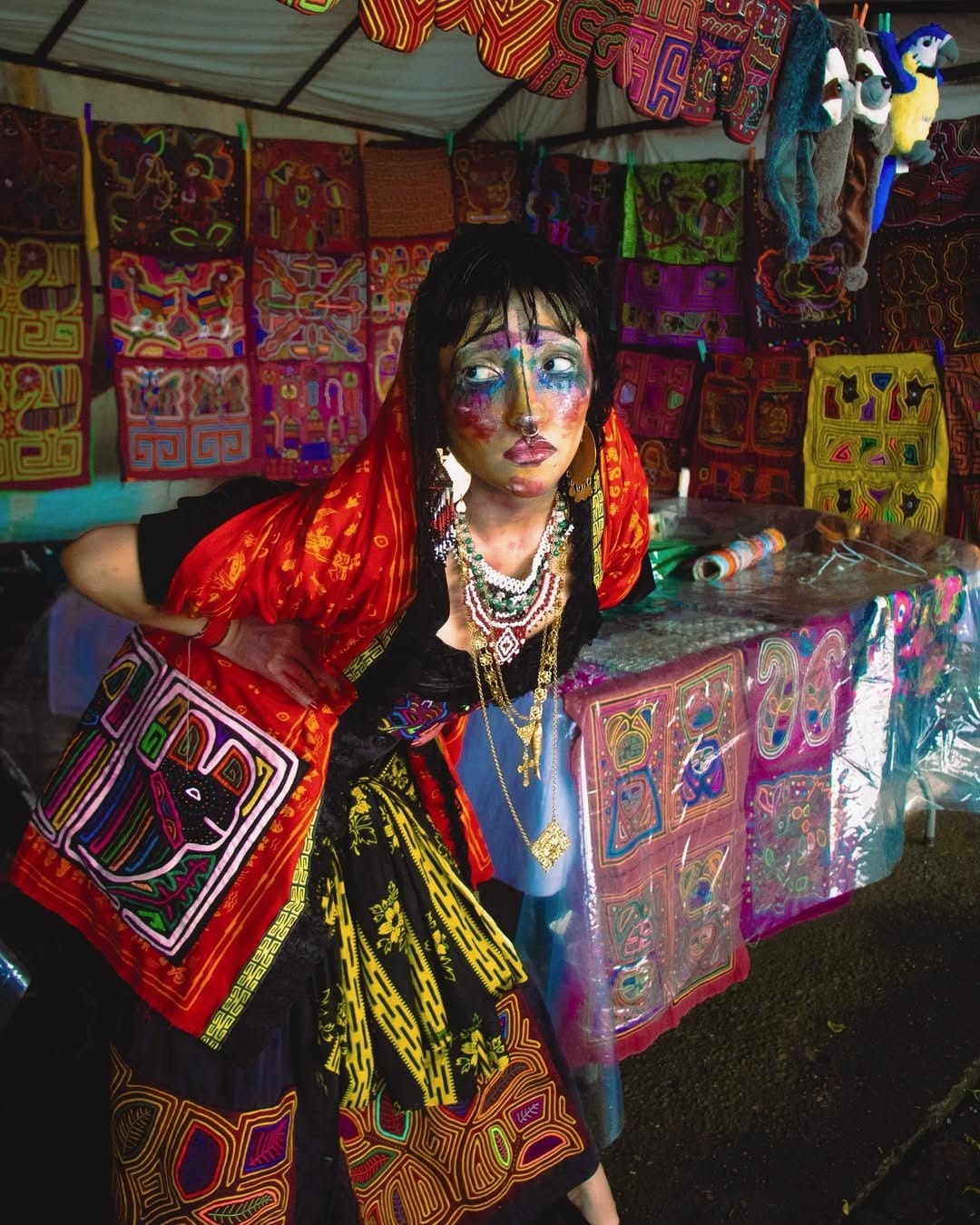
As an indigenous Guna woman, Bustamante uses maximalism as a potent form of political resistance. Her work is vibrant, chaotic, and an unapologetic refusal to be invisible. It highlights the human behind the highly polished marketed aesthetics of today’s mass goods, revealing the racialized and working-class communities whose manual labour have gone into creating the sleek surfaces of these mass-produced goods, all while reminding people of the importance of uninhibited individual expression. This is why her work is aligned with the United Nations Sustainable Development Goals of Gender Equality and Reduced Inequalities.
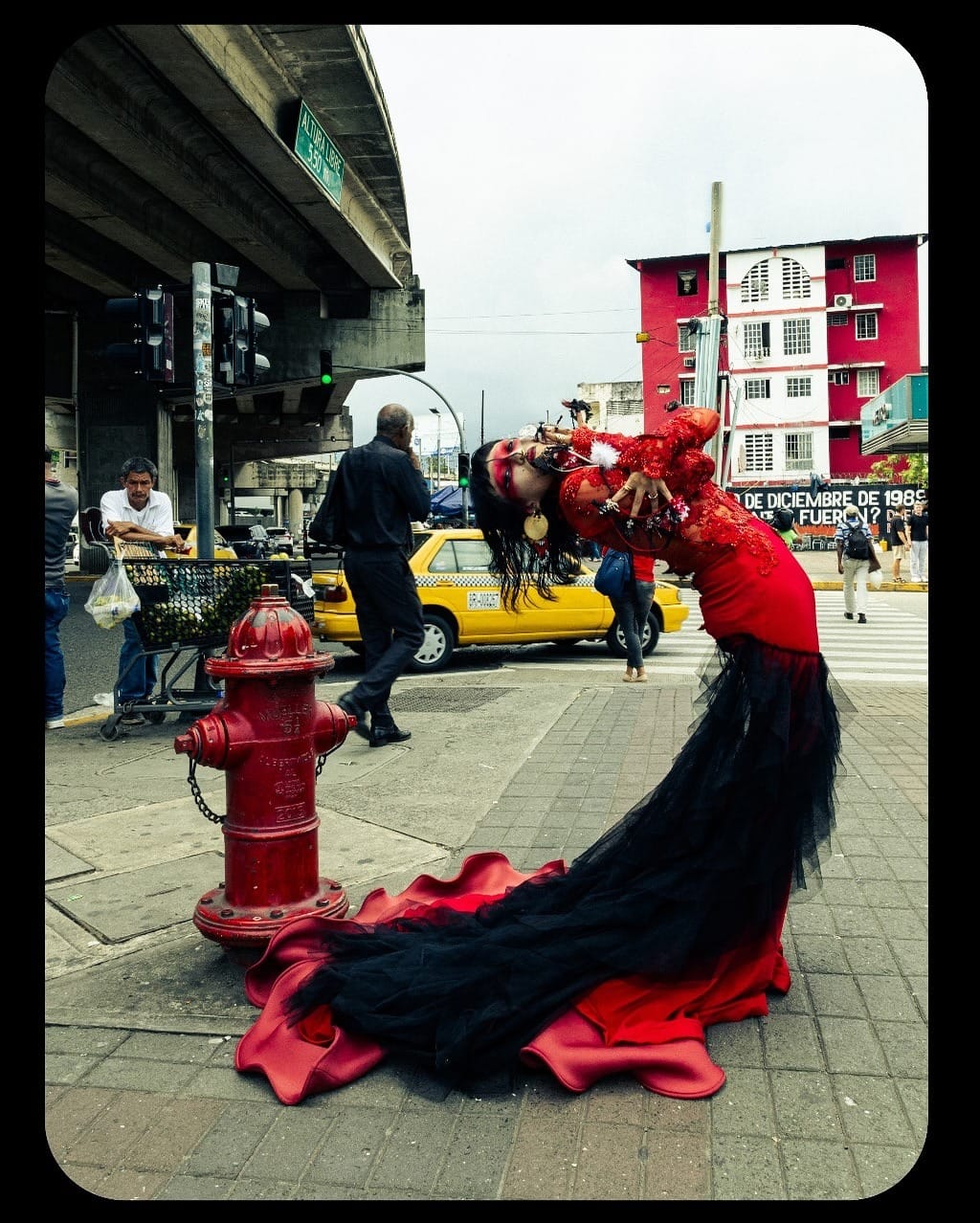
Bustamante’s philosophy is simple: in a world that tells indigenous women to be quiet, being "loud” in multiple senses is a revolutionary act. The ruling elite often utilize concepts of minimalism and clean lines to police social boundaries. In this framework, the vibrant, layered, and historically complex aesthetics of the working class are labeled as "cluttered," "tacky," or "uncivilized." Bustamante rejects this categorization. Instead, she embraces the "too much"—the clash of patterns, the saturation of colour, and the density of objects—as a celebration of her heritage.
Her practice is deeply rooted in her Guna identity. The Guna people are renowned for their molas—intricate, layered textiles that defy the Western craving for blank space. Bustamante translates this density into modern styling, creating a visual language that demands attention. She argues that the pressure to be "minimalist" is often a pressure to assimilate—to strip away the noise of one's history until one fits into a Eurocentric box.
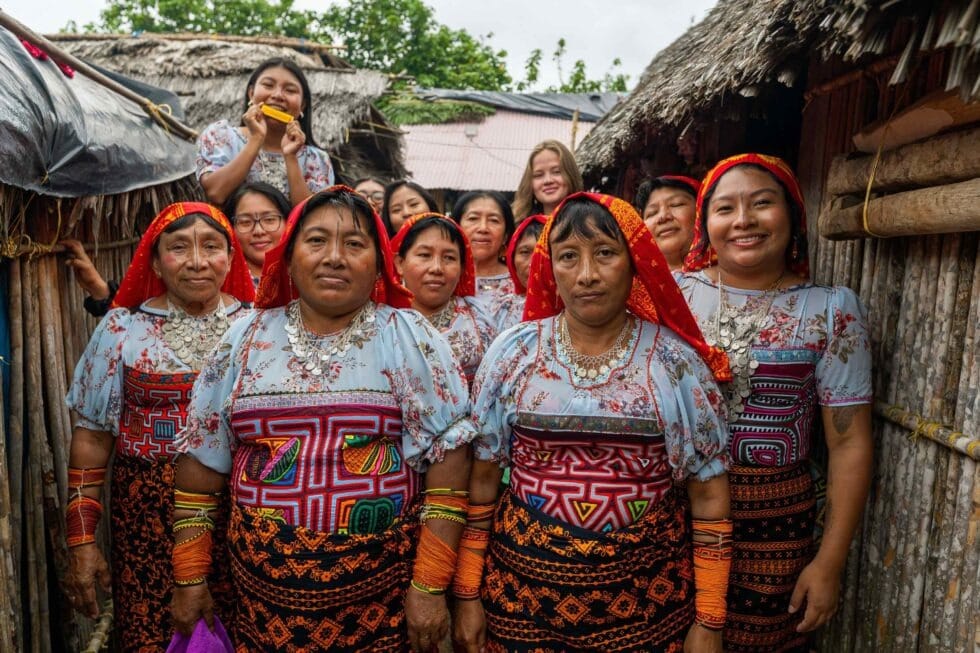
This aesthetic rebellion also has profound implications for women, particularly women of color, who are frequently socialized to shrink themselves—to take up less space, to be palatable, to be "underwhelming." Bustamante’s styling does the opposite. It expands the wearer's footprint. It forces the viewer to contend with the woman in front of them. In her view, maximalism is a shield against the "underwhelming and boring" fate prescribed by Western standards of sophistication.
Through her platform and styling work, Bustamante provides a counter-narrative to the "white cube" of the world. She posits that the "clutter" of the working-class home is not a mess but an archive of survival and joy. Every object and every color tells a story of a life lived fully, rather than a life curated for exclusionary approval. Ultimately, Diany Bustamante teaches us that visual decolonization begins in the closet. It begins when we refuse to dilute our identities to make others comfortable. Her work is a bold declaration that humans are allowed to be complex, we are allowed to be colourful, and we are allowed to take up space.
Explore Diany Bustamante’s colorful resistance on her Instagram @dianymodahistorica, or read more about her philosophy in Día a Día.