
Disclaimer: The following article contains spoilers for the film 'Fractured.'
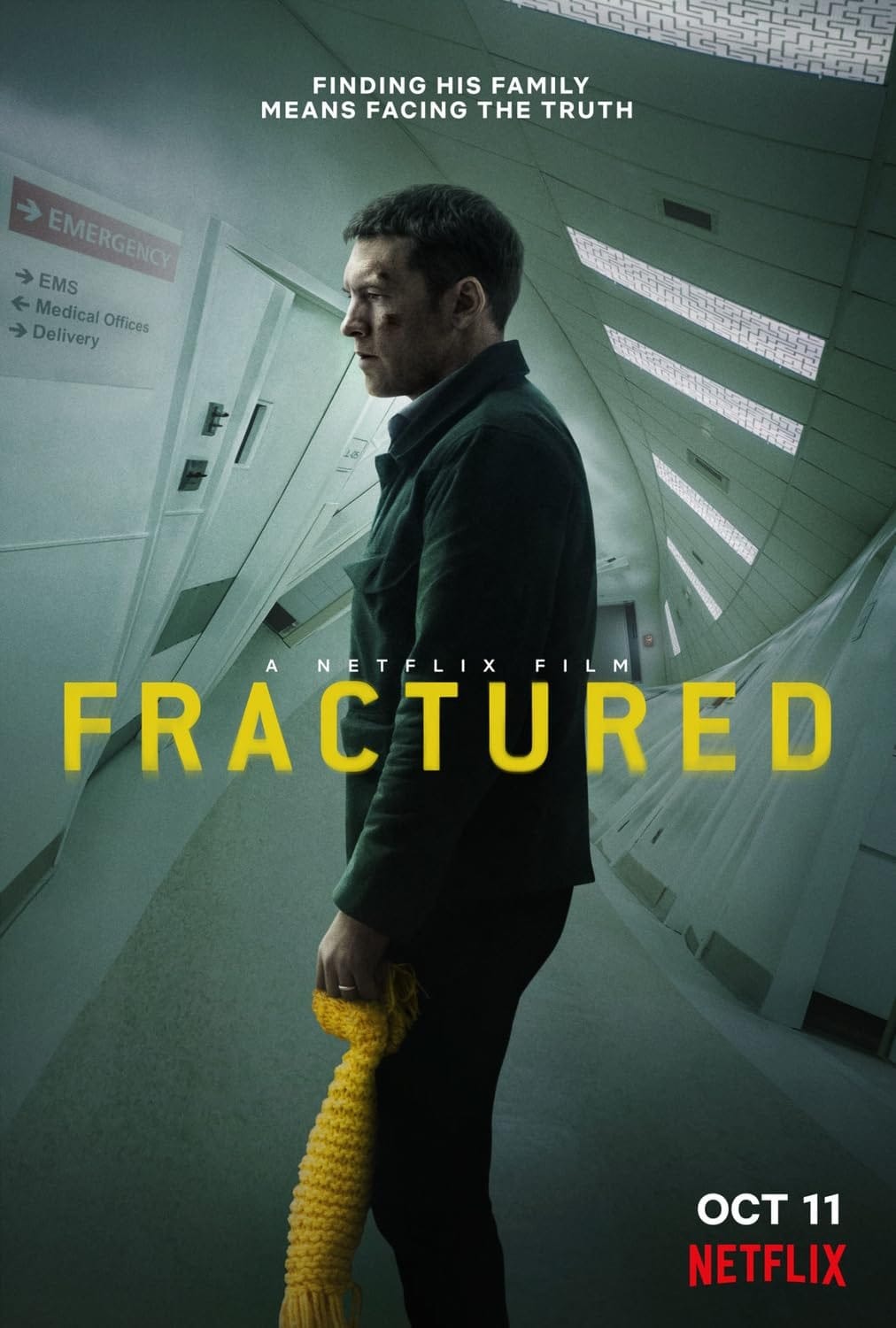
In Brad Anderson’s 2019 thriller Fractured, Ray Monroe (Sam Worthington) fights a terrifying battle with both his mind and the American healthcare system. After his daughter falls into a construction pit at a gas station, Ray rushes her to a hospital, only for her and his wife to vanish into the bowels of the building. Doctors claim they were never there. Records are empty. Security footage is missing, and hospital staff were asking eerie questions around organ donations. All this pushes audiences to ask, “Is Ray losing his mind, or is there more here than meets the eye?”
While the film packages itself as a psychological mystery, Fractured also captures a visceral, uniquely American anxiety: the bureaucratic nightmare of emergency care. In doing so, it inadvertently synthesized the "Great American Health Care Hellscape" narrative, exposing the fragility of its “safety” nets in a way that resonates deeply with the United Nations Sustainable Development Goals of Reduced Inequalities and Good Health And Well-Being.
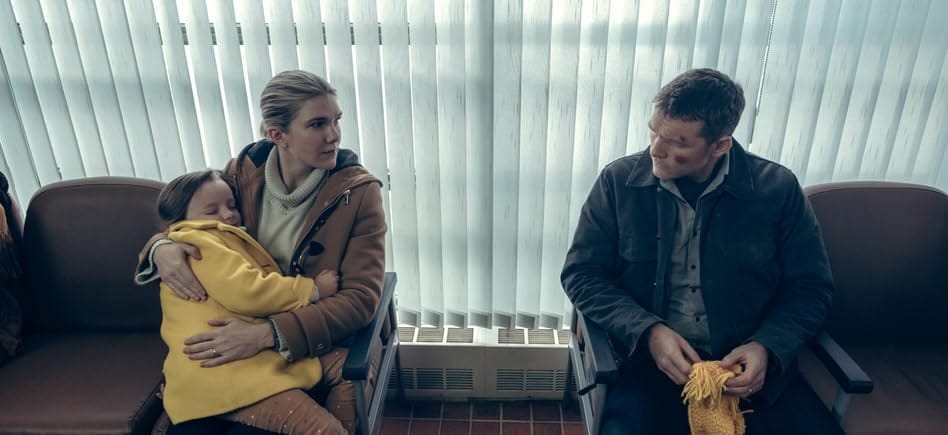
Despite having the mood and tone of an action thriller, one of the most chilling scenes in Fractured does not involve blood or jump scares; it involves paperwork. This happened when Ray first got to the hospital and was met with an impenetrable bureaucracy instead of the compassion he was expecting. As noted by Thrillist, the film effectively weaponizes medical billing terms that make the average American’s skin crawl, everything from "high deductible" to "out of pocket" and "non-participating provider."
In the scene, Ray is asked to provide comprehensive insurance information before his daughter receives comprehensive care. He is questioned about whether or not he wants to opt into organ donation for his daughter while barely processing the trauma of the accident. He is also forced to negotiate the value of his child’s health against his financial solvency. This depiction mirrors a grim reality. According to a poll by the West Health-Gallup Center cited by The Guardian, a record 23 percent of Americans believe their healthcare system is in a state of crisis, with 29 percent citing cost as the most urgent health problem.
For Ray, just like for countless other Americans in real life, the hospital is a meat-grinding, life-sucking administrative apparatus. The film taps into this fear that in a moment of crisis, an American patient should not expect to be saved but to be treated like a customer to be processed or rejected.
The film also serves as a bleak commentary on how social inequalities impact the average American’s access to healthcare. Ray’s character is coded as working-class; he drives an older car, his marriage is strained by financial stress, and his interactions with the hospital staff are defined by a power imbalance. The "anodyne menace" of the hospital environment—the endless waiting, the condescension of the staff—reflects the systemic inequities where quality of care is often dictated by one's ability to pay.
As highlighted by The Guardian's film review, the film dramatizes "the grinding bureaucracy involved with paying for one’s healthcare." This fictional struggle aligns with real-world data showing that 30 percent of US adults report a family member skipping medical treatment due to high costs. In states like Mississippi, that number jumps to nearly 50 percent. Fractured suggests that for many, the hospital is a place where you are stripped of your agency and your dignity, creating a fertile ground for the kind of paranoia that consumes Ray.
While critics like those at GQ have argued that Fractured relies on derivative tropes—recalling films like Flightplan or Shutter Island—its cultural resonance is undeniable. It portrays a system where mental health is stigmatized and where "care" is transactional. The film’s tension is fueled by the viewer's own knowledge that the system is broken. We believe Ray’s paranoia because we know that files do get lost, insurance does deny claims, and patients do fall through the cracks.
Ultimately, Fractured works best not as a mystery to be solved, but as a reflection of a society where 47 percent of citizens believe the healthcare system has "major problems." It is a horror story where the monster isn't a ghost or a serial killer—it’s the admission form.