
Future Botanic is an innovative design and art platform that uses artworks to visualize just how sustainable infrastructures are to the public. The platform bridges stakeholders such as governments, private business owners, and more with digital artists whose works will be enhanced by the Future Botanic software. They connect directly and securely to conventional building and energy management systems (such as BMS, EMS, DCIM, and SCADA), allowing them to extract real-time sustainability data without disrupting day-to-day operations. The results are artworks that allow the public to better understand just how sustainable the endeavour is, ensuring that transparency is understood in engaging ways. This is why their work is aligned with the United Nations Sustainable Development Goals of Climate Action and Industry, Innovation, and Infrastructure.
Artwork supported by Future Botanic. Video courtesy of @future_botanic/Instagram.
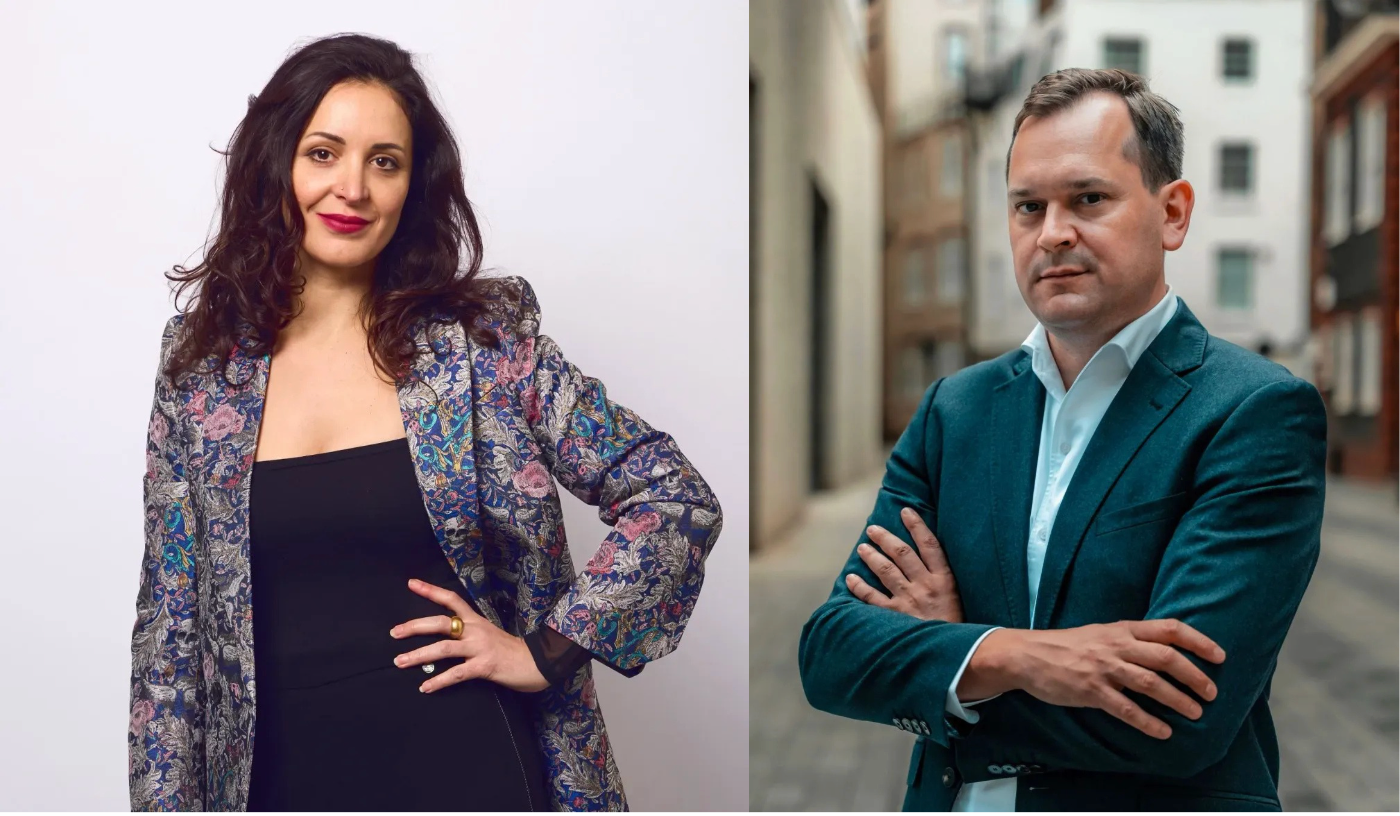
Future Botanic was initiated by the London-based duo: artist and researcher Dr Ameera Kawash, along with art advisor David Johnson. Both are no strangers to digital art; with Dr Kawash creating groundbreaking digital art projects such as Tatreez Garden, an Artificial Intelligence (AI) image generator that allows people across the globe to generate pieces of Tatreez– a traditional Palestinian embroidery technique. Johnson has fourteen years in leadership roles at an international auction house, including spearheading Web3 initiatives at Unit London.
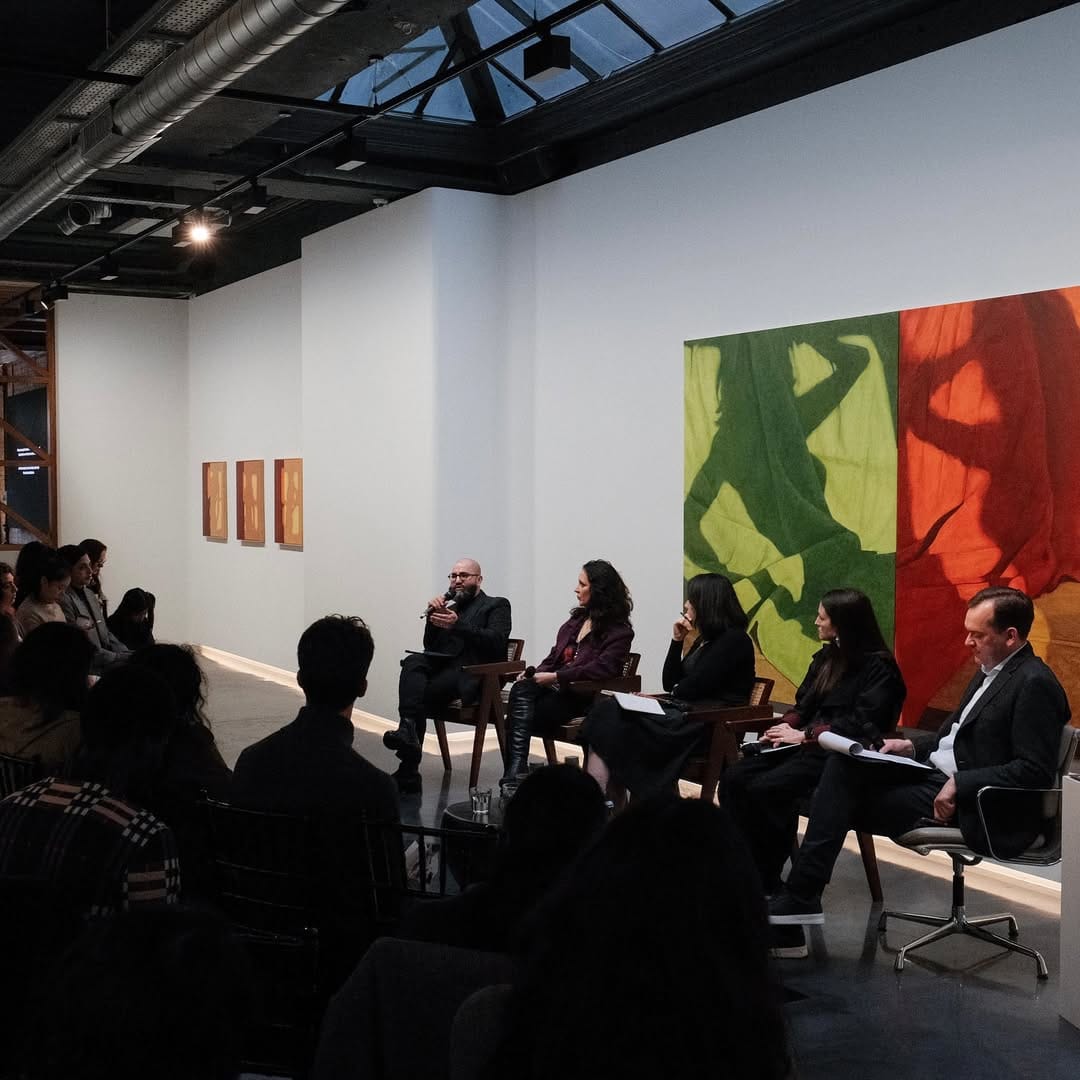
During the 2025 London Art + Climate Week, an event held on 12-16 November filled with exhibitions and activations across London to uncover climate action within the arts industry, the Future Botanic co-founders held a panel discussion titled ‘Narrating Planetary Change: Art, Data and the Language of Sustainability’ to explore how art, language and data can help shape more sustainable futures by launching the first artwork made with the platform. The conversations that morning examined critical questions around sustainability in human-built environments, their relationality across Global North–South contexts, the role of artists and designers in creating innovation frameworks within them, and how cross-disciplinary innovation and social justice are central to imagining a more equitable future in a world that’s grappling with climate change.
DATASONICA by Tiziana Alocci, in collaboration with Future Botanic. Video courtesy of the artist and @future_botanic/Instagram.
The event also unveiled DATASONICA, a part of Tiziana Alocci’s Building Orchestra series, which, with the help of Future Botanic, demonstrates how environmental performance data from establishments can be transformed into sound and light works. The piece was made using a network of sensors embedded within Building 59 of the Lawrence Berkeley National Lab. They monitor its outdoor and indoor environmental data, including air temperature, humidity levels, solar radiation, and dew point data, transforming them into pitch, amplitudes, harmonies and tonalities. The results are basically a translation of how a sustainably designed building interacts with the environment and with human use, allowing audiences to better understand just how big a difference slight sustainable architectural and engineering tweaks can make in terms of climate action.
Future Botanic does more than visualize data—it transforms the invisible language of sustainability into a universal sensory experience, making the abstract tangibly beautiful and urgently real. By bridging the gap between cold metrics and human emotion, the platform turns buildings into living narratives and environmental performance into captivating art. In doing so, it redefines innovation itself: not as a purely technical pursuit, but as a deeply creative act of storytelling—one where architects, engineers, artists and the public collectively imagine and inhabit a more resilient future. Future Botanic proves that the most powerful climate solutions aren’t just built; they are felt, seen, and shared.
Find out more about Future Botanic and their initiatives on their website www.futurebotanic.io or Instagram @future_botanic.