
When we talk about precision today, it is only natural that our minds go to million-dollar CNC machines, laser cutters and advanced robotics. Yet, Japanese artist Manabu Kosaka achieves the same level of mechanical intricacy using tools that can be found in a primary school classroom: a sheet of Kent paper, a glue stick and an X-Acto knife. Kosaka’s work is a masterclass in deception and devotion. He creates 1:1 scale replicas of iconic luxury items—the internal gearing of a Rolex Daytona, the complex lens apparatus of a Leica camera—that are so detailed they appear to be ghostly, bleached-out versions of the real thing. In doing so, Kosaka creates a profound dialogue about value, labour, and the definition of luxury goods, aligning his practice with the United Nations Sustainable Development Goal of Responsible Consumption and Production.
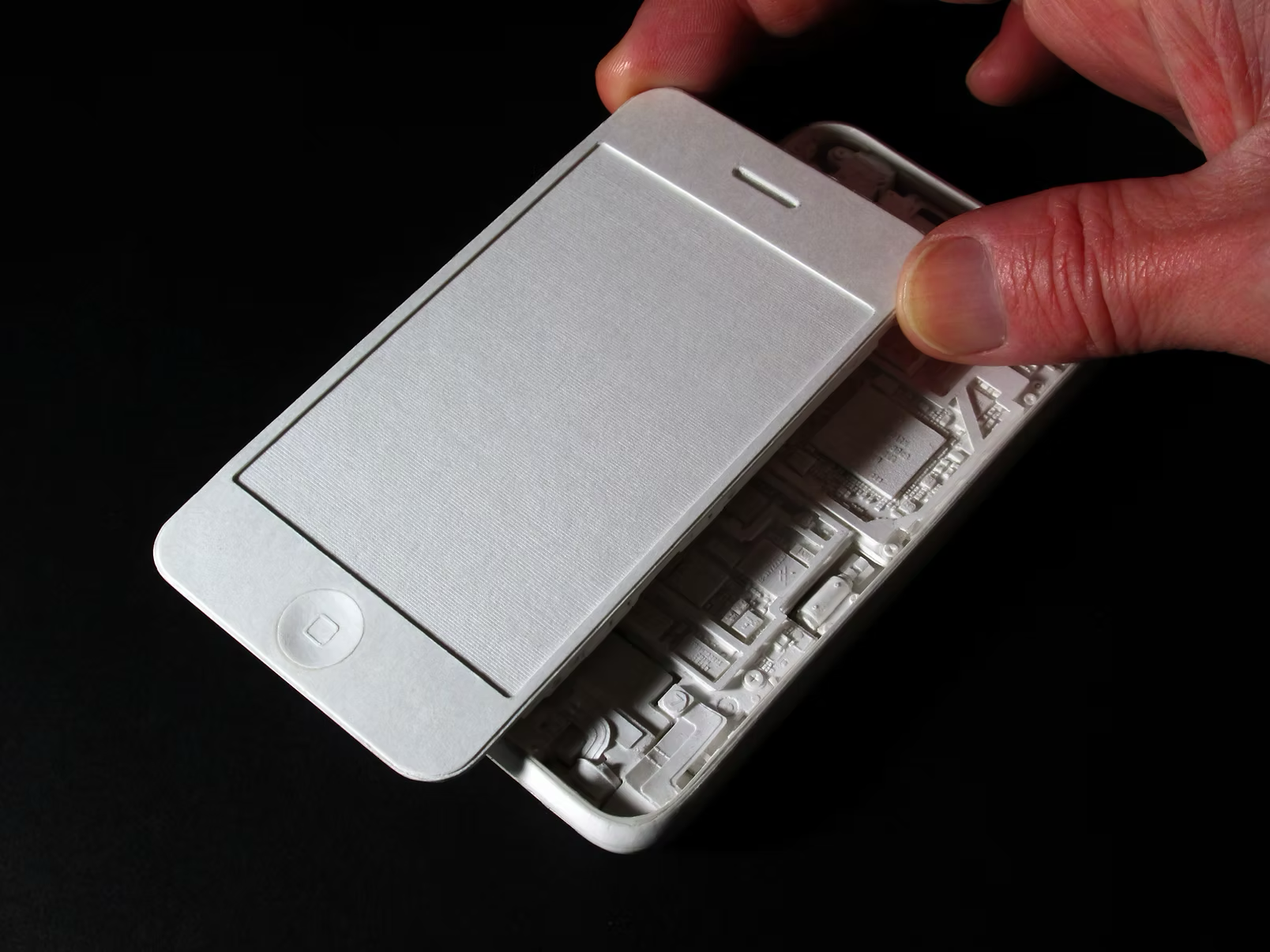
Kosaka’s medium of choice is Kent paper, a high-quality, smooth paper often used for architectural models and illustration. It is humble, biodegradable and relatively inexpensive. However, through his process of slow craft that can span up to hundreds of hours for a single piece, Kosaka transmutes the wood pulp into objects of immense value: he not only copies the exterior shell of an object but also its inner mechanisms. Take, for example, a watch; here he would also sculpt the individual cogs, springs and dials that live inside it, creating a truly detailed 1:1 paper version of the object.
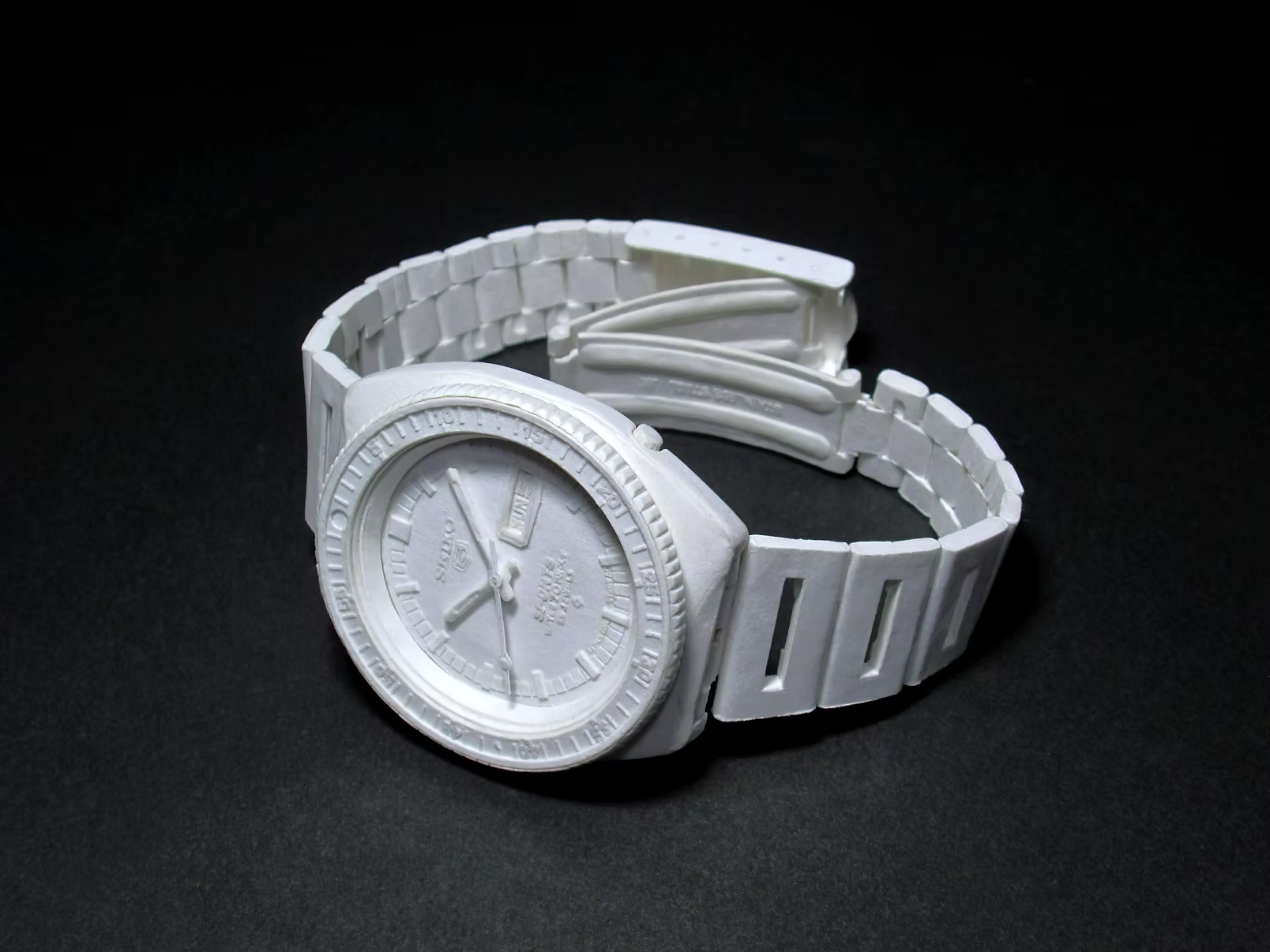
Conceptually, this radical commitment to manual labour serves as a quiet rebellion against the culture of fast consumption. In an era where products are designed for planned obsolescence and manufacturing is hidden behind factory walls, Kosaka puts a human hand back at the center of production. His work asks the viewer to slow down and consider the architecture of the objects we own. By recreating a symbol of status out of a material that would typically be discarded without a second thought, he challenges the material hierarchy of our economy. Is the value of a Rolex in the gold and diamonds, or is it in the engineering and the time taken to create it? Kosaka proves that with enough patience, paper can also be as precious as platinum.
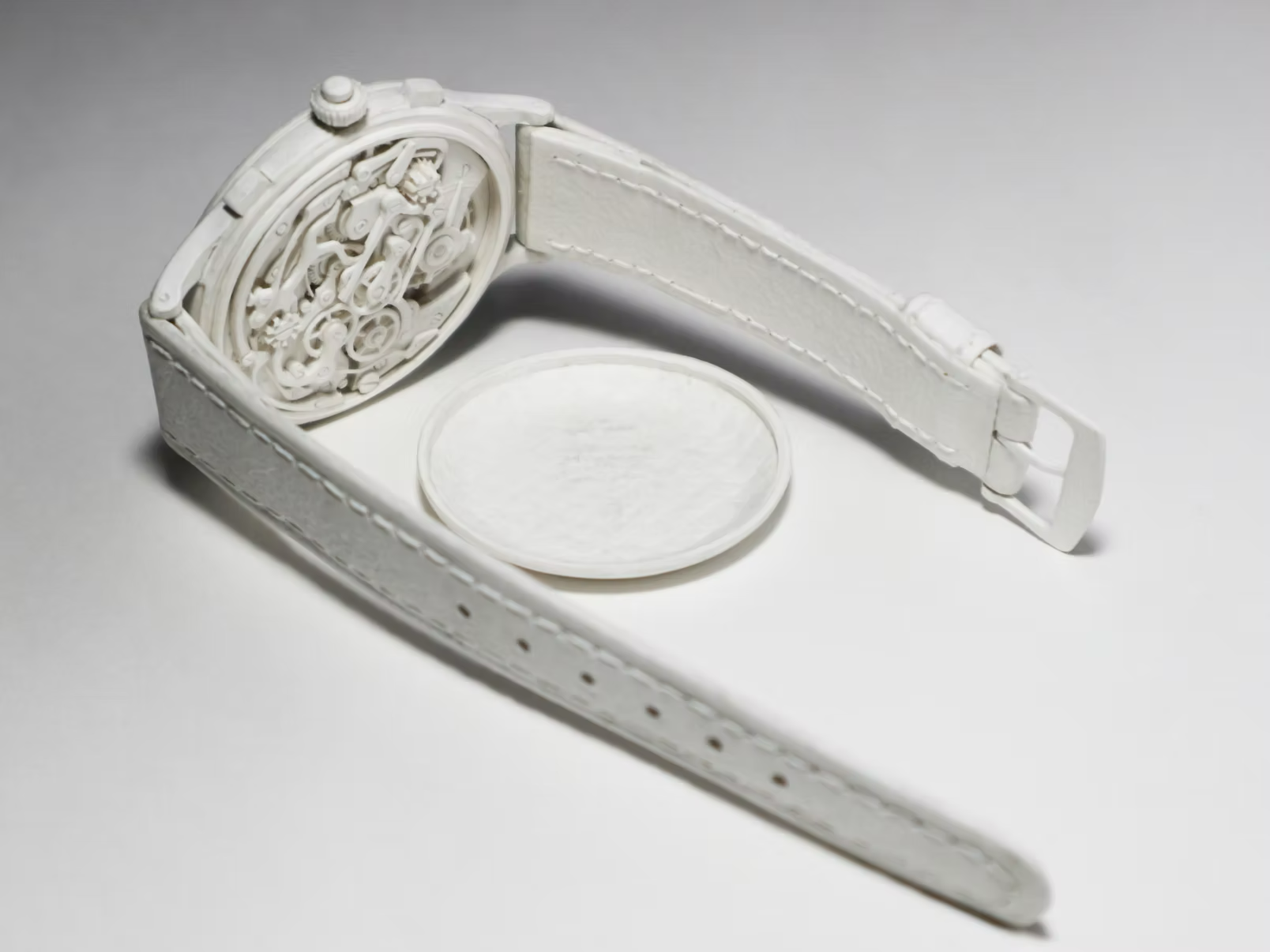
Kosaka’s practice models a form of production that is low-impact but high-value. He demonstrates that innovation does not always require new, rare-earth materials, but can also be achieved by reimagining the potential of what is already abundant. His "waste-adjacent" art material of choice also forces a re-evaluation of disposable materials. If a sheet of paper can become a masterpiece of horology, what other "waste" materials are we overlooking? In fact, is paper really that abundant a resource that we can so easily waste it?
Furthermore, Kosaka’s art honours the longevity of design. By freezing these mechanical marvels in paper, he immortalizes the engineering of the past in a medium that feels fragile yet timeless. It is a reminder that true craftsmanship—whether in a Swiss watch or a paper sculpture—is worth preserving. In today’s digital world, addicted to speed, Manabu Kosaka offers a necessary pause. His paper wonders remind us that the most sustainable luxury of all is not a product, but the human capacity for creation through patience and focus.
Marvel at the intricate world of Manabu Kosaka on his website coca11272000.wixsite.com or follow his latest creations on Instagram @manabu_kosaka.