
Motormond is a non-profit art space at Surinameplein 33, Amsterdam dedicated to sharing Pan Diaspora Cultures through an approach that encourages critical thinking. The organization was founded by Amsterdam based curator and researcher Musoke Nalwoga as a form of institutional criticism directed towards large European cultural institutes. Hence, the name Motormond or Motor Mouth: a mouth that speaks honestly about current cultural conditions of both African and pan-diasporic culture. It is a movement that aims to connect and unify people of African descent across the globe.
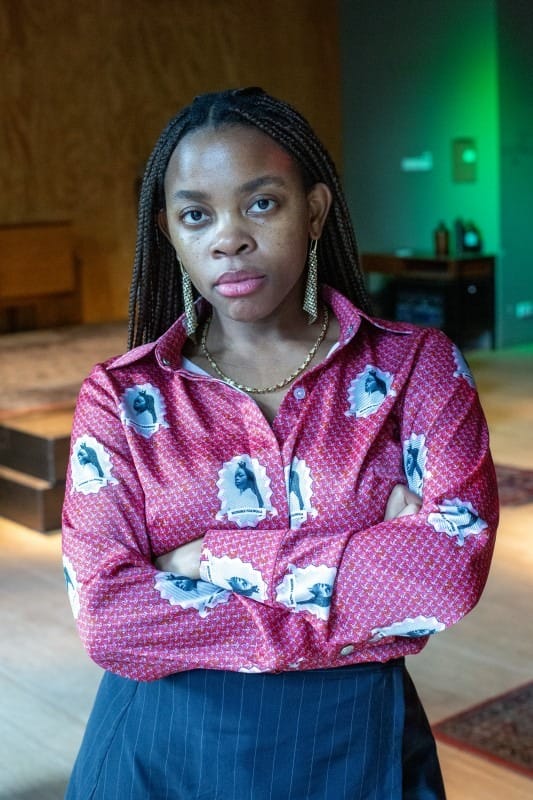
Motormond serves as a safe space to chart and cultivate bonds of solidarity between Africans and the African Diaspora. It is a space where they can freely explore, celebrate, mourn and even heal from their rich history without being influenced by external cultures. This is why the work that they do is aligned with the United Nations Sustainable Development Goal of Reduced Inequalities.
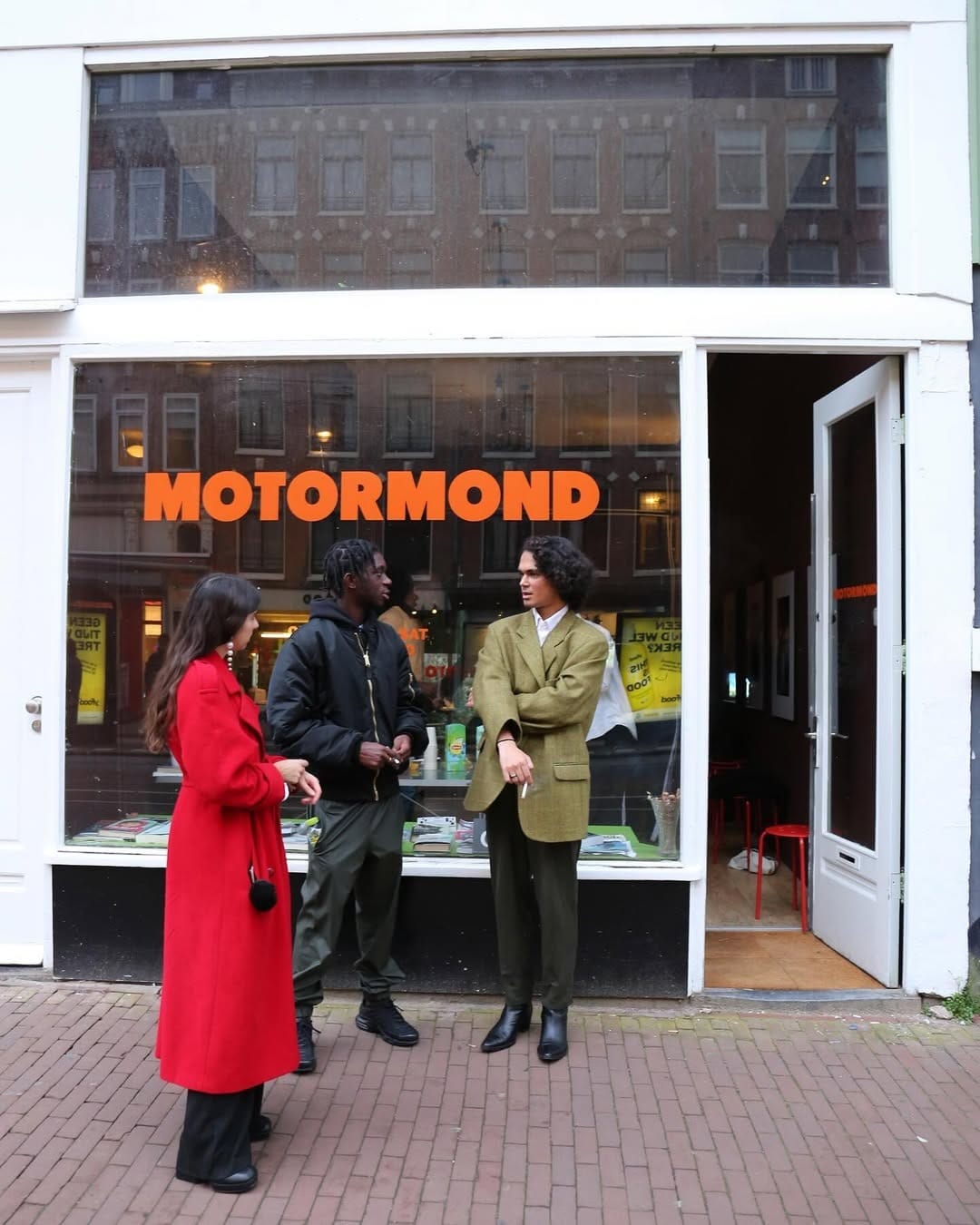
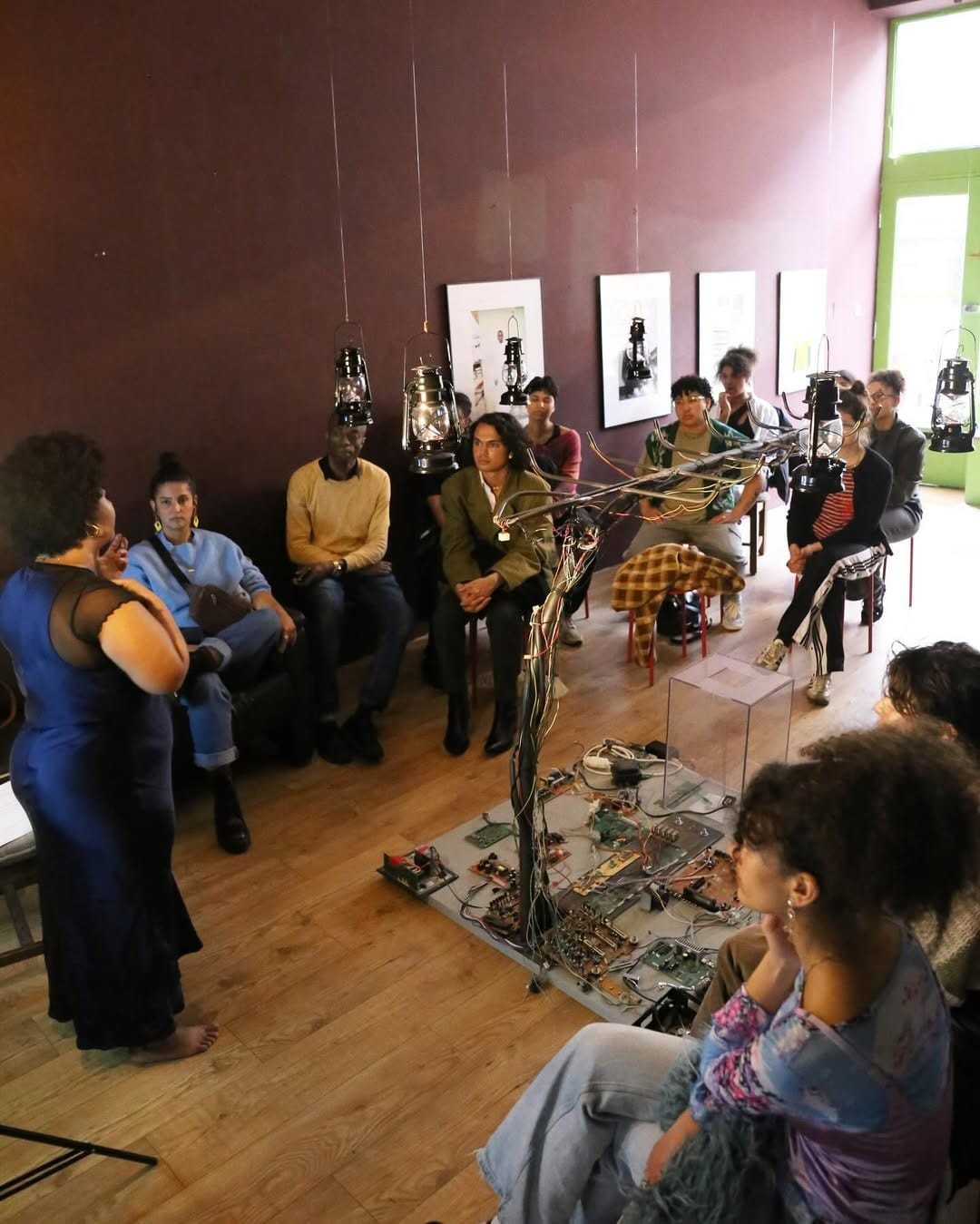
One of their most recent programs was an archival exhibition titled Flight is Organizing Towards Flight which looks at the process of fighting for freedom from Dutch colonization in South Africa, Indonesia, and Suriname. The first iteration of this exhibit focuses on documenting efforts from South Africa, displaying protest posters that are supported by everything from radio programs, speeches, songs and photographs which helped fuel these independence movements. To supplement their exhibitions, Motormond has also hosted public lectures, workshops, film screenings and more. For Flight is Organizing Towards Flight, they partnered with IDFA, an experimental & interdisciplinary arts & culture programming line program line that brings together collaborations across cultural fields, to screen and discuss Agnès Varda’s short film Black Panthers.
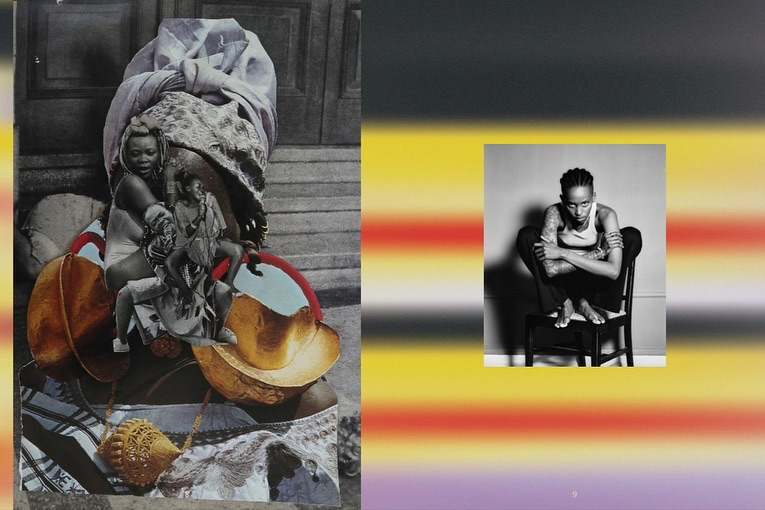
Aside from exhibitions and programming, Motormond also spreads pan-diasporic culture through publishing MOTORMOND magazine. Its first edition, published in September 2024, collated photographs that reflect on Black Queer Errantry from photographers such as Siomara Van Bochove and Bernice Mulenga, along with collage artist Thato Toeba and even social activist DeLovie Kwagala. Citing Saidiya Hartman, these photographs summarize the errant paths or roads less traveled in search of a social, economic and political space that is better than today’s reality for Africans and their diaspora.
In a world where cultural institutions often tokenize or silence marginalized voices, Motormond stands as both a sanctuary and a statement—a living archive where pan-diasporic stories are not just displayed, but deeply felt, questioned and reclaimed. Its exhibitions, publications and gatherings refuse to let history be a passive relic; instead, it fuels a continuous, collective conversation about freedom, identity and solidarity across continents. By centering the narratives of African and diaspora communities on their own terms, Motormond does more than reduce inequalities—it reimagines what culture can be when it is built not for audiences, but for ancestors and futures alike.
Find out more about Motormond and their initiatives on their website www.motormond.org or Instagram @motormond.