
Disclaimer: The following article contains spoilers for the film 'Number One.'
It’s no secret that today’s filmgoers have grown increasingly accustomed to provocative, disposable content as they have been emboldened by social media, so if movies want to see greater theatrical turnout, they’ll need to create a certain spectacle, usually over-the-top action. However, director Kim Tae-yong’s latest film, Number One, offers a calming antidote to this by creating a steady-paced family drama. When the film premiered just in time for Lunar New Year, it quickly proved to be an audience favourite.
Based on Uwano Sora’s Japanese novel You Have 328 More Times Left to Eat Your Mother’s Home Cooking, Number One follows a seemingly chilling premise: right after the sudden death of his older brother, a high school student named Ha-min (Choi Woo-shik) begins to see a mysterious, decreasing number every time he eats his mother’s home-cooked meals. He quickly puts two-and-two together and realizes this number is a literal countdown to his mother’s death. Thus, the often dismissed act of sitting down for a home-cooked meal becomes the source of much emotional turmoil.
The mystery surrounding the numbers allows the film to subvert typical family drama clichés that rely on tear-jerking moments. Where instead of relying on overt melodrama, Number One instead follows a healing narrative that targets the quiet ironies of familial love. You’ll cry with the characters, but you’ll also laugh with them and see yourself and your family in them. This predisposition to explore familial psychological well-being and emotional honesty is why the film is aligned with the United Nations Sustainable Development Goal of Good Health and Well-Being.
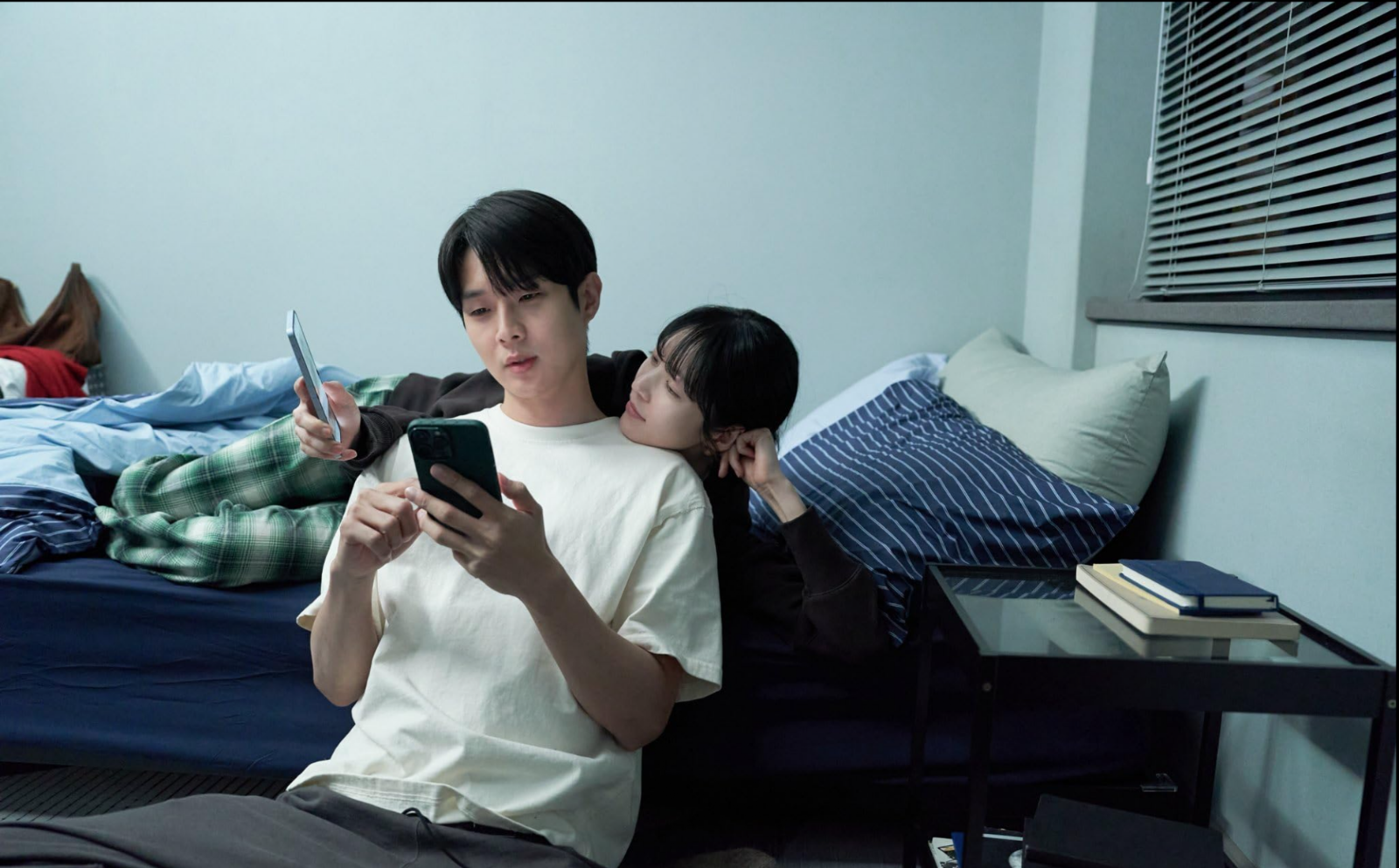
In a press conference covered by The Korea Times, Director Kim explained that the film was born from his own semi-autobiographical regrets after his mother passed away. He aimed to remind audiences of the precious value of a single person's life at a time where society has grown somewhat "numb to death." This is seen in how Ha-min attempts to distance himself from his mother, Eun-sil (Jang Hye-jin), in an attempt to stop the countdown. This tragic lack of communication mirrors how Asian families often suppress their vulnerabilities. As Choi noted in an interview with Maeil Business Newspaper, working on the film forced him to reflect on his reluctance to be emotionally honest with his parents about his struggles. This approach is how the film advocates for mental health, by promoting reconciliation and open communication.
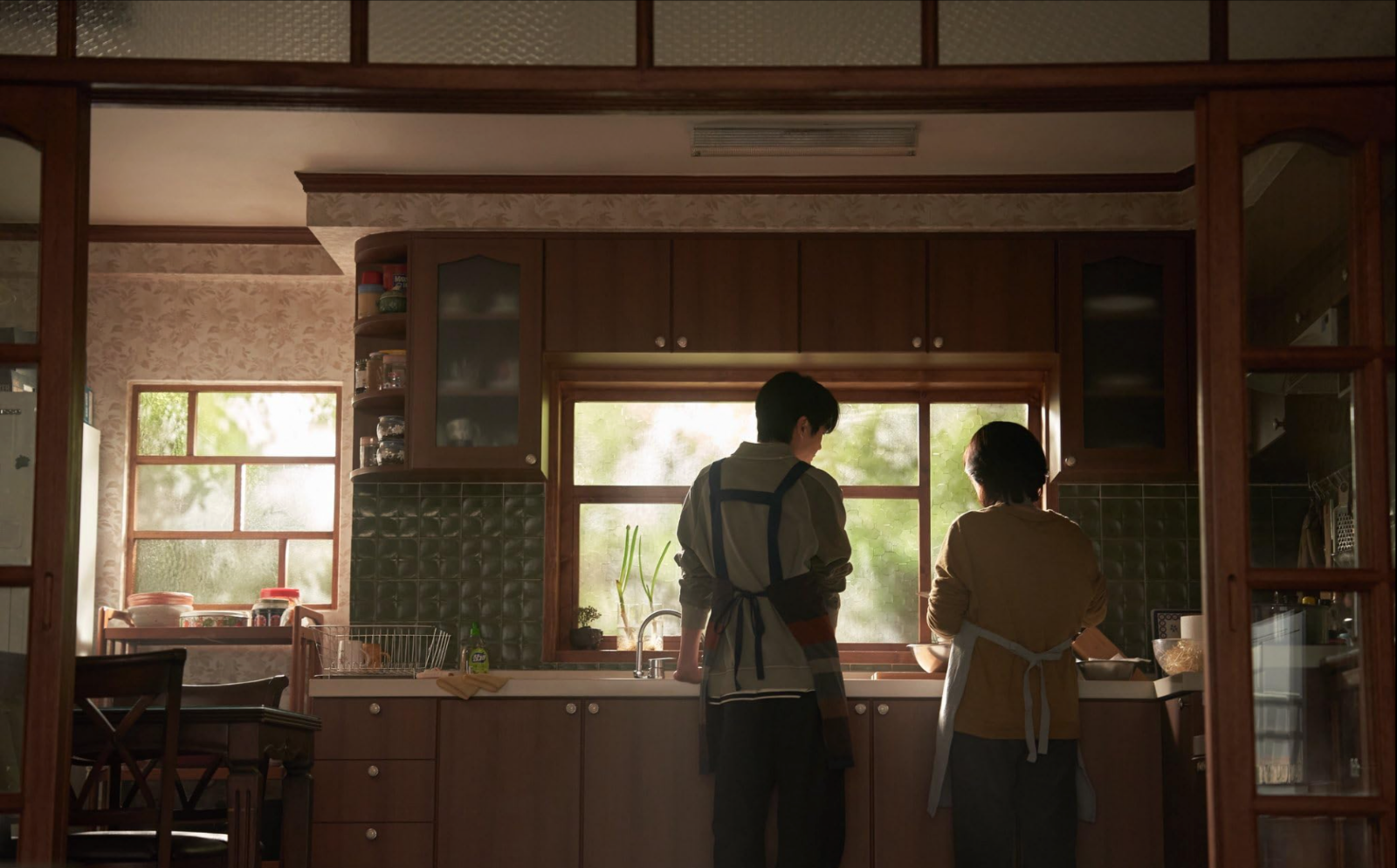
The film also brilliantly utilizes the charm of Korea’s regional areas and its cuisine to ground its fantasy. As highlighted by Aju Press, the narrative relies heavily on the contrast between the warmth of Busan—where Eun-sil lives—and the hard-edged, modern working life of Seoul, where Ha-min tries to build his future alongside his nutritionist girlfriend, Ryeo-eun (Gong Seung-yeon). Director Kim utilizes local Busan dishes, such as beef radish soup and pickled bean leaves, as emotional anchors. This focus champions the safeguarding of intangible cultural heritage, preserving a deeply rooted cultural identity that connects the younger, displaced generation to their ancestral homes.
On a metaphorical level, Number One also radically reframes the concept of food consumption. Here, eating is no longer a mechanical necessity or a moment of passive indulgence, but a measured proportion of time and maternal love. Hence, the countdown forces the film’s characters and the audience to practice conscious consumption of food, as it directly affects their relationships. It gently critiques people’s appetite for fast-paced, disposable, perishable foods, urging a return to sustainable, slow, and meaningful home-cooked meals and human connections. Director Kim perfectly encapsulated this restorative ethos when he told Star News Korea, "Deficiency is not a flaw, but hope."
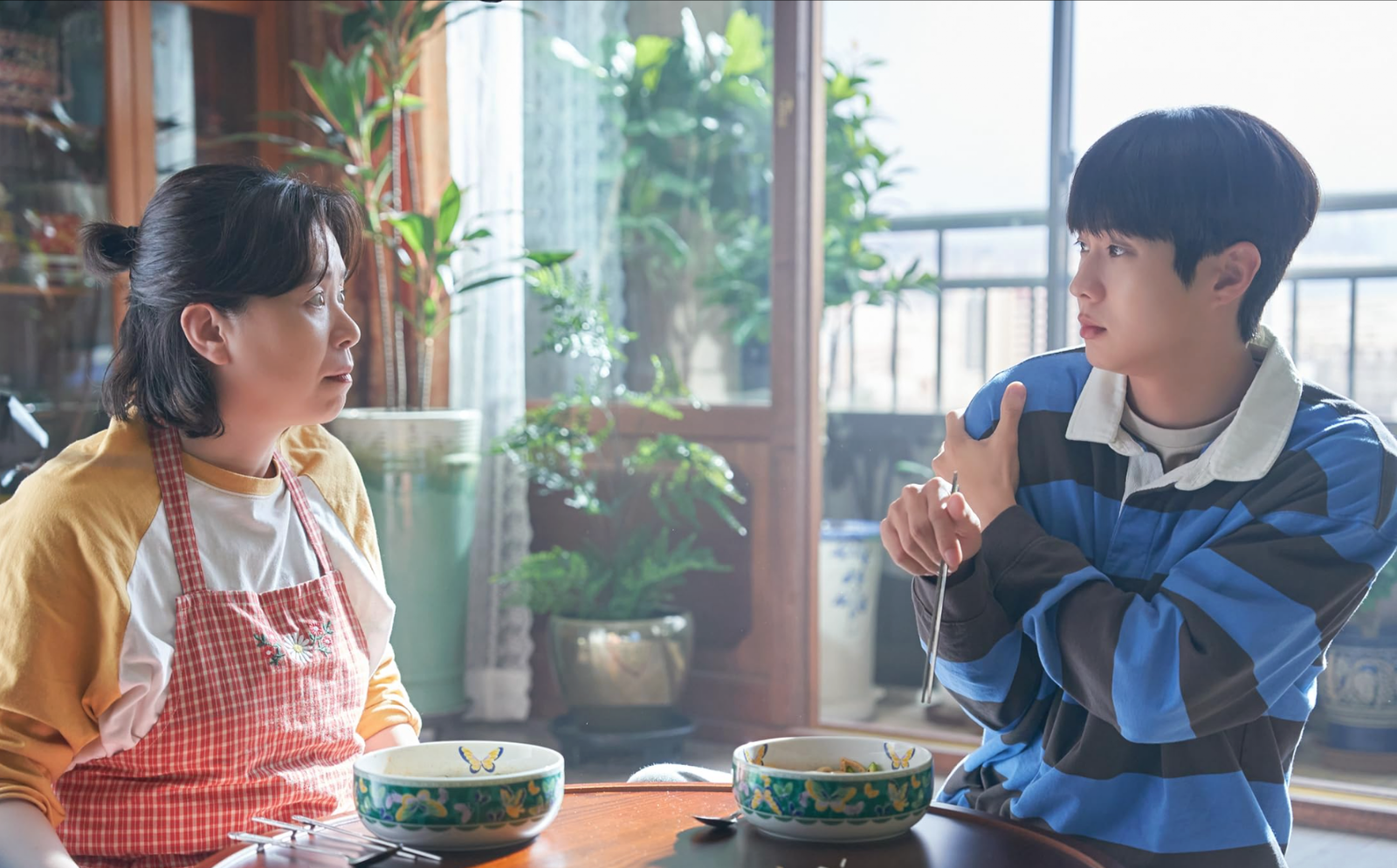
The film's emotional resonance is anchored by the stellar performances of its leads. Choi Woo-shik and Jang Hye-jin, who previously shared the screen as son and mother in the Oscar-winning film Parasite, reunite here with a much more intimate dynamic. Stripped of ensemble distractions, their one-on-one chemistry brings a grounded realism to a fantastical premise. Supported by enthusiastic early audience reviews calling it the ultimate family-friendly healing movie, as reported by The Chosun Daily, the film proves that quiet comfort often speaks the loudest.
Ultimately, Number One is a beautifully crafted reminder that our time with loved ones has an expiration date. It challenges audiences to stop pushing away from the table with excuses and instead to pull up a chair, savour the meal, and cherish the finite, unspoken depths of the "home-cooked" bond.
Find out more about Number One on IMDb.