
In most cinematic romances, the obstacles standing between lovers are internal—pride, misunderstanding, or a clash of personalities. However, Kim Do-young’s Once We Were Us (2025) sees the 2008 global financial crisis as its primary antagonist. The film positions systemic collapse as the catalyst for romantic disintegration, transforming a familiar "boy meets girl" story into a haunting architectural study of how economic austerity dismantles the human spirit. This is why the movie is relevant to the United Nations Sustainable Development Goals of Good Health and Well-Being and Decent Work and Economic Growth.
A South Korean adaptation of the 2018 Chinese hit Us and Them, the film follows the love story of Lee Eun-ho (Koo Kyo-hwan) and Han Jeong-won (Moon Ga-young). Their journey is charted through a non-linear narrative that pivots between colourful, idealistic 2008 flashbacks and a cold, monochromatic reunion a decade later.

Its power lies in its commitment to the grinding economic conditions of Seoul that began in 2008, as it shows how the couple began at a place of youthful naivety in the early 2000s, whereas the 2008 financial crash acted as a slow-motion wrecking ball. Director Kim Do-young—known for her sharp social commentary in Kim Ji-young, Born 1982—meticulously documents how the pressure to find work and survive in a collapsing economy slowly erodes the space for intimacy. The tragedy is not that they stop loving each other, but that they can no longer afford the emotional cost of that love while struggling for physical survival. This means unraveling lovey dovey characters can become outright toxic and abusive when pushed to the limits just to earn a day’s wage.
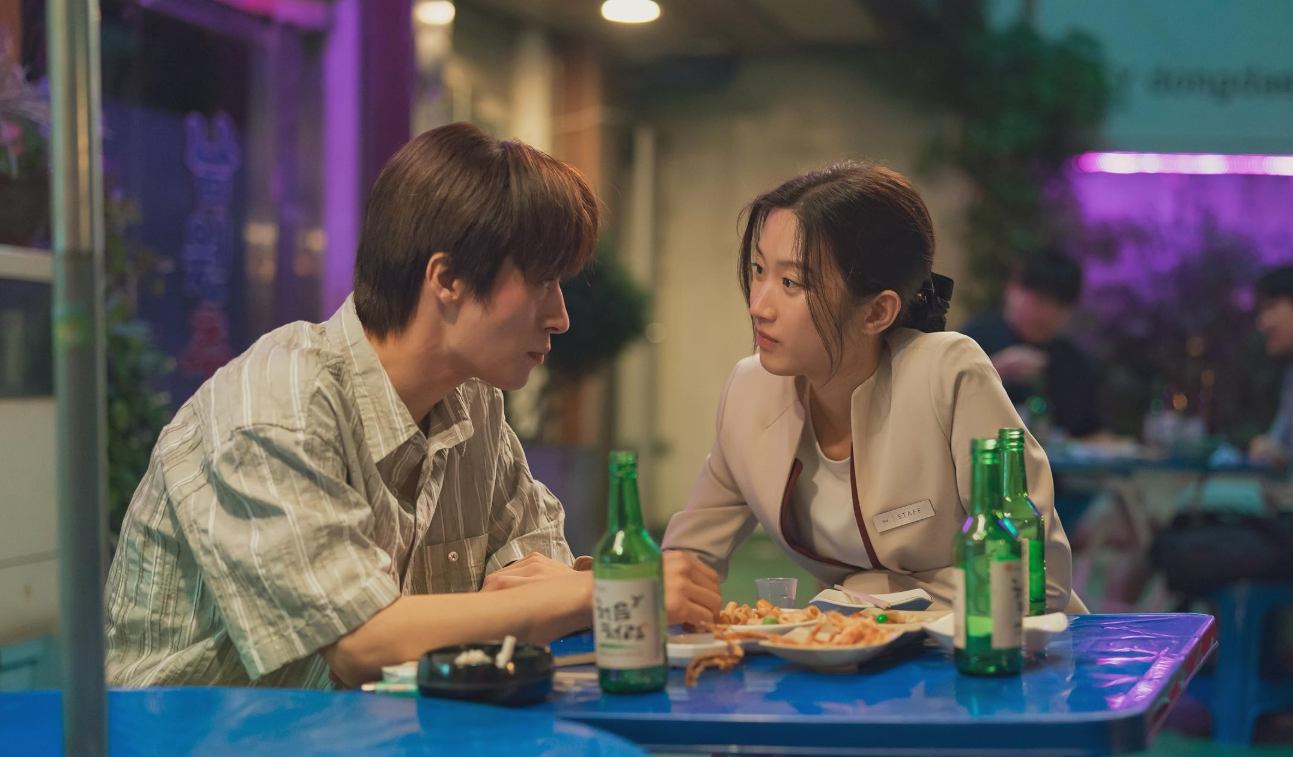
Audiences received the film wonderfully, as its commercial performance has also been nothing short of a cultural phenomenon. According to The Korea Times, it defied industry expectations by claiming the No. 1 spot at the Korean box office, even edging out the Hollywood titan Avatar: Fire and Ash. This success suggests a deep, modern resonance with what critics call "weary souls," as today’s audiences see their own reflections in Eun-ho and Jeong-won.
Today’s youths navigate similar precarious employment conditions and rising living costs. The film also highlights the psychological toll of prolonged financial stress. The Straits Times calls this a “tragic irony” that is also the film’s greatest strength– as it depicts young lovers and dreamers, who are more often than not the most vulnerable to economic shifts. These are people who are forced to treat human connection as a luxury they must sacrifice to survive.
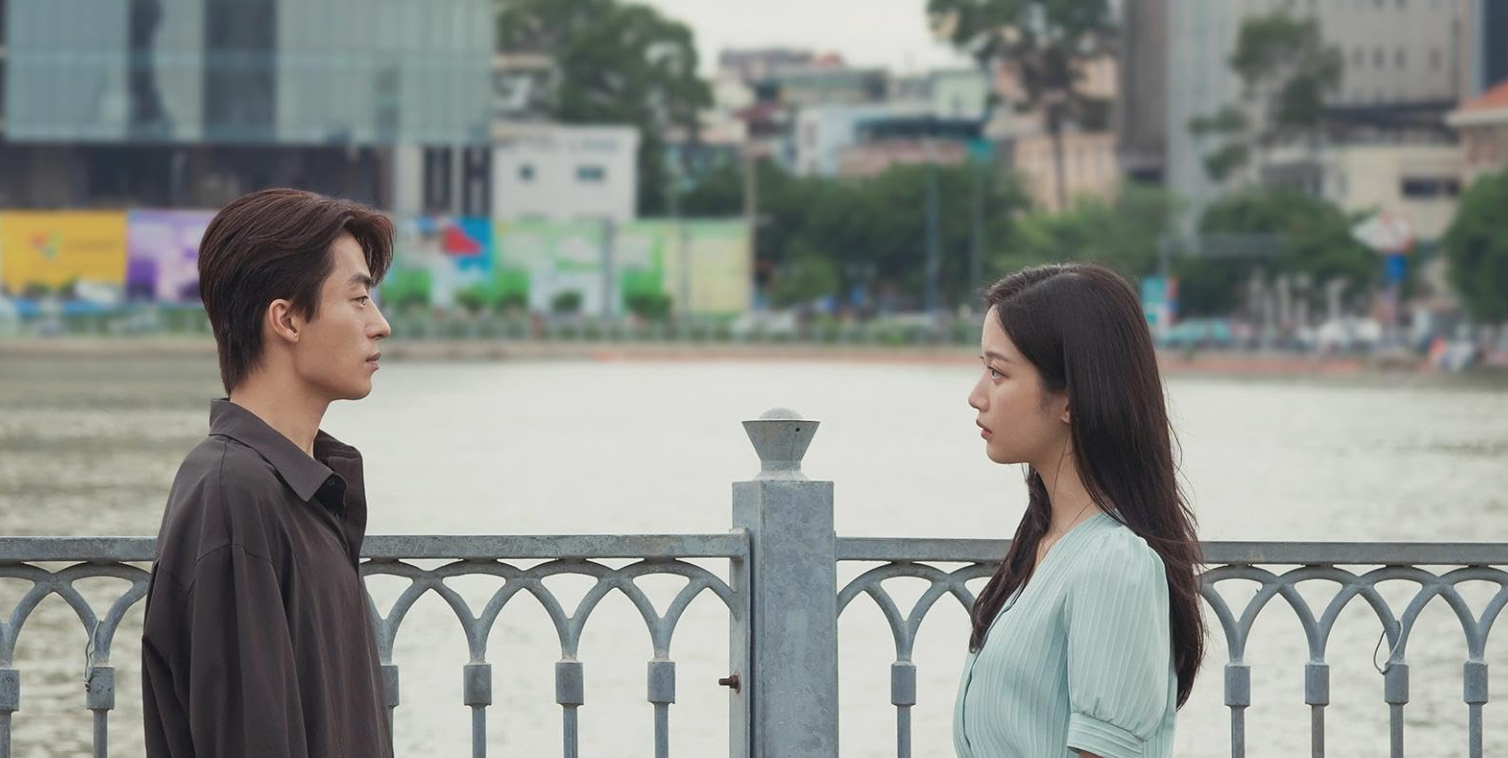
The film uses its 114-minute runtime to build a structure of nostalgia that it eventually dismantles. The 2008 setting is a graveyard of dreams, and by the time the characters reunite in the present day, though they are no longer the job seekers or naive students they once were, the scars of their economic struggle define their adult identities.
While the backdrop is specific to the 2008 crash, the emotional core of Once We Were Us is universal. It argues that the "right to love" is inextricably linked to economic security. Inextricably, Kim Do-young has created a film that is less about finding "the one" and more about how the world and its economic pressures make us lose them. It is a sobering, beautiful reminder that in the architecture of austerity, the most expensive thing we own is our connection to others.
For more information on the cast, crew, and production of the film, you can visit the official IMDb page for Once We Were Us.