
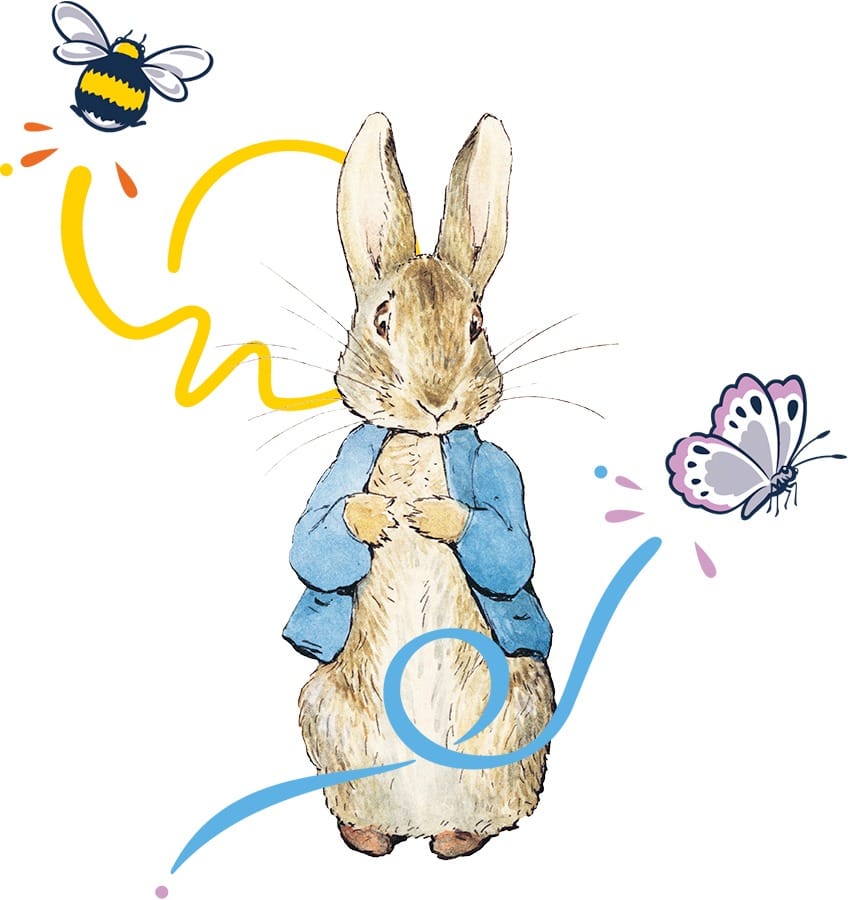
To the casual observer, Peter Rabbit is a symbol of childhood innocence—a mischievous creature who wears a blue jacket and perpetually steals radishes from his neighbours’ gardens. However, underneath this whimsy that Beatrix Potter’s watercolours conjure, lies a legacy of radical conservation that predates modern environmental movements by decades. Peter Rabbit is in fact the original ambassador to advocate against the conflict between human development and the natural world. Today, his legacy is as a vital educational blueprint, stating that fights for the global ecosystem can begin in our own childhood books and backyards. This is why Peter Rabbit is relevant to the United Nations Sustainable Development Goals of Life on Land and Quality Education.
.
Unlike what most people would assume, Beatrix Potter, the creator of Peter Rabbit, did not initially start out as a children’s illustrator by trade but as an aspiring mycologist and scientific illustrator. After her success with Peter Rabbit, she also used the resources she gained to be a fierce defender of the English landscape throughout the 19th century. Potter propagated the idea that land and the micro- and macro-life that depend on it are all part of the interconnected web of life at a time when her contemporaries saw it as nothing but a resource for industrial expansion. She famously used the royalties from her "little books" to purchase working farms and fell land in the English Lake District. Her goal was simple: to save them from the encroaching threat of urban sprawl and industrial development.
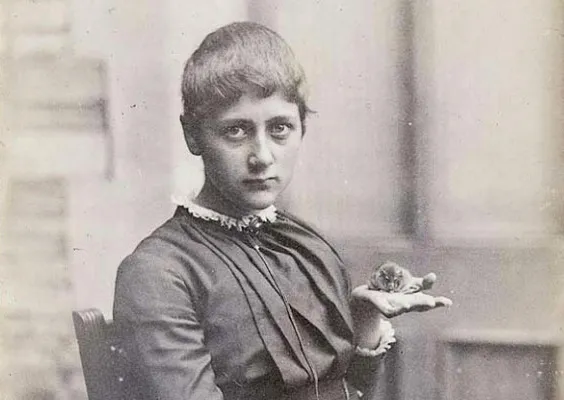
By the time of her death, Potter had bequeathed over 4,000 acres of land and 14 farms to the National Trust. This was a monumental contribution to the preservation of vast swaths of English land and for the survival of its local biodiversity—the very squirrels, badgers, and rabbits that populate her stories. She led by showing that economic success (book sales) could be directly funneled into ecological preservation, a model of giving back that modern corporations are still struggling to master.
In the 21st century, according to DePaul environmental science professor Liam Heneghan, Potter’s legacy has evolved from her direct acts of conservation to education, teaching a whole new generation about the importance of caring for the environment. The World of Beatrix Potter, an attraction and educational hub based in the Lake District, specifically uses Peter’s adventures to teach the next generation about the fragility of ecosystems. For example, the infamous story of Peter trespassing into Mr. McGregor’s garden is about the friction between human agriculture and wild habitats. Through this tale, children are able to learn about sustainable farming, the importance of foraging, and the reality that humans share their "territory" with other sentient beings.
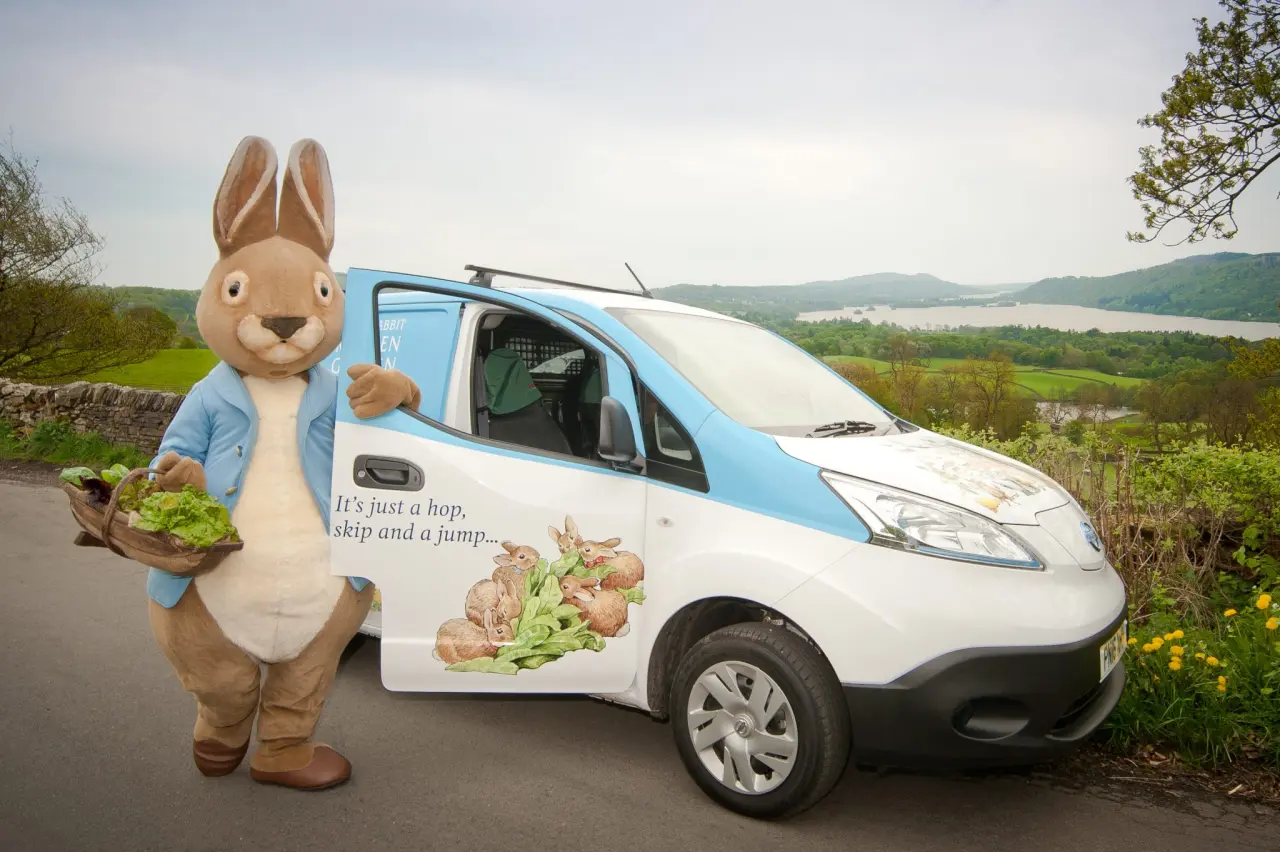
Peter Rabbit has become a vehicle for global climate action: many modern initiatives have used the characters to spearhead tree-planting projects and plastic-free campaigns. By engaging children with a figure they love, early-age educators can introduce complex concepts like carbon sequestration and habitat loss in an accessible way. Their message is easy to understand: if you care about Peter, you must care about the hedgerow he lives in.
Potter’s scientific accuracy also plays a role here. She was a mycologist (fungi expert) and a keen observer of botany. Her illustrations are not stylized cartoons but biologically accurate representations of flora and fauna. This encourages ecological literacy—teaching children to name, recognize, and respect the specific plants and animals in their local environment. As climate anxiety rises among younger generations, Peter Rabbit offers a form of gentle empowerment, suggesting the power that comes from caring for a small patch of earth is a heroic act.
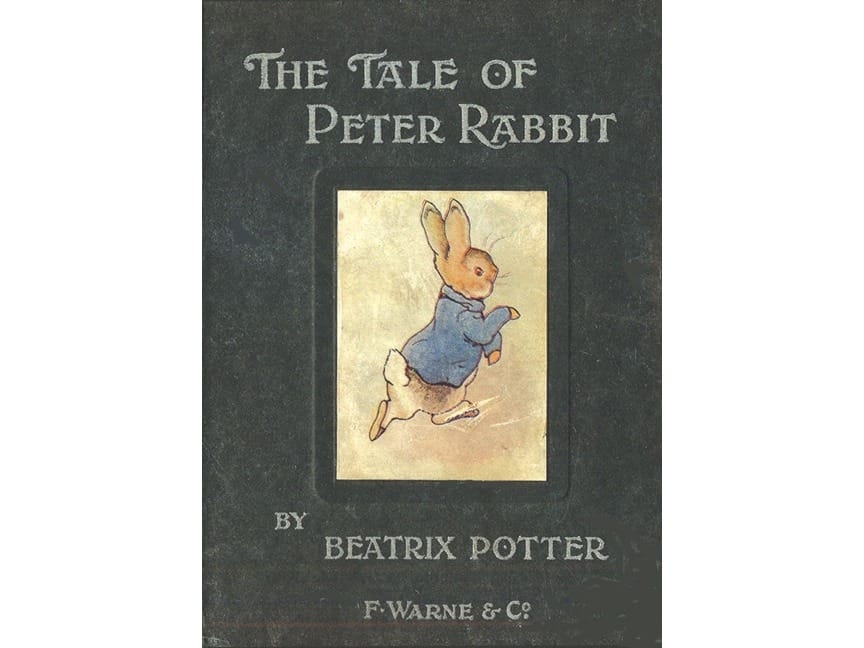
Ultimately, the story of Peter Rabbit is a century-long lesson in stewardship. It teaches us that conservation is not a distant concept happening in the Amazon rainforest, but a reality playing out in every garden, park, and farm. Beatrix Potter showed us that we can be the guardians of these spaces, and Peter Rabbit reminds us that if we don't, we risk losing the magic of the wild forever.
Discover more about Beatrix Potter’s environmental legacy and educational resources at the World of Beatrix Potter.