
Even as we inch into 2026, gender-based violence remains a pervasive global issue, and the silence that often follows trauma can be just as damaging as the act itself. Yet for centuries, women’s stories—particularly those by survivors of gender-based violence—have been written for them, often distorted by patriarchal stereotypes or reduced to statistics of victimhood. This systemic silencing dictates how women are perceived and how they perceive themselves, creating barriers to true equality. This is why a groundbreaking initiative in Indonesia, Project Superia, sets out to reclaim this narrative power by providing the stage for women to tell their own stories through theatre. This is also why their work is fundamentally aligned with the United Nations Sustainable Development Goals of Gender Equality and Reduced Inequalities.
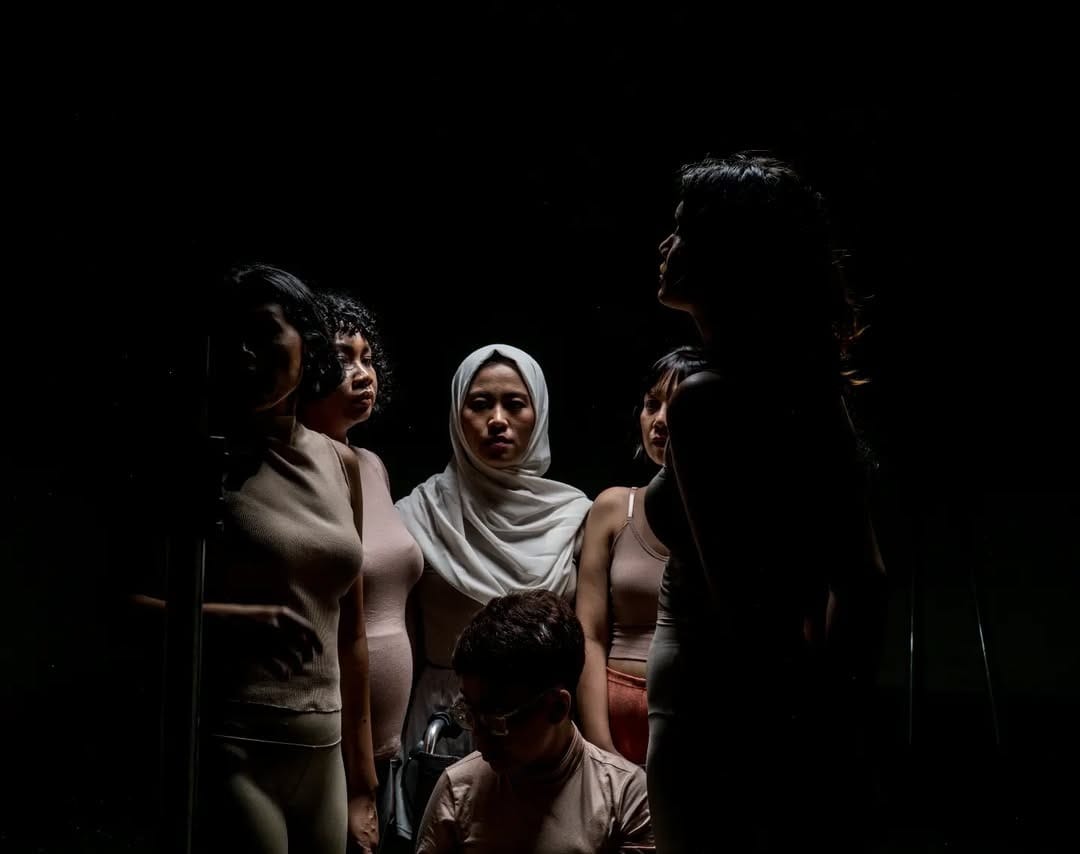
Initiated by a trio of feminist artists—musician and activist Kartika Jahja, actor Rummana Yamanie, and comedian Sakdiyah Ma'ruf—Project Superia (an acronym for Suara Perempuan Indonesia or "Voices of Indonesian Women") was born out of a resistance to the systemic violence and discrimination faced by women in Indonesia. Funded by the Dutch government’s Voice grant, the project utilizes artistic storytelling as a tool for empowerment. It moves beyond traditional advocacy by integrating theatrical monologues, choreography, music and visual arts to create a visceral, emotional connection with the audience. The project was born out of the founders' understanding that while laws and policies are essential, changing something that has been normalized for so long requires changing the stories that are being told around gender-based violence.
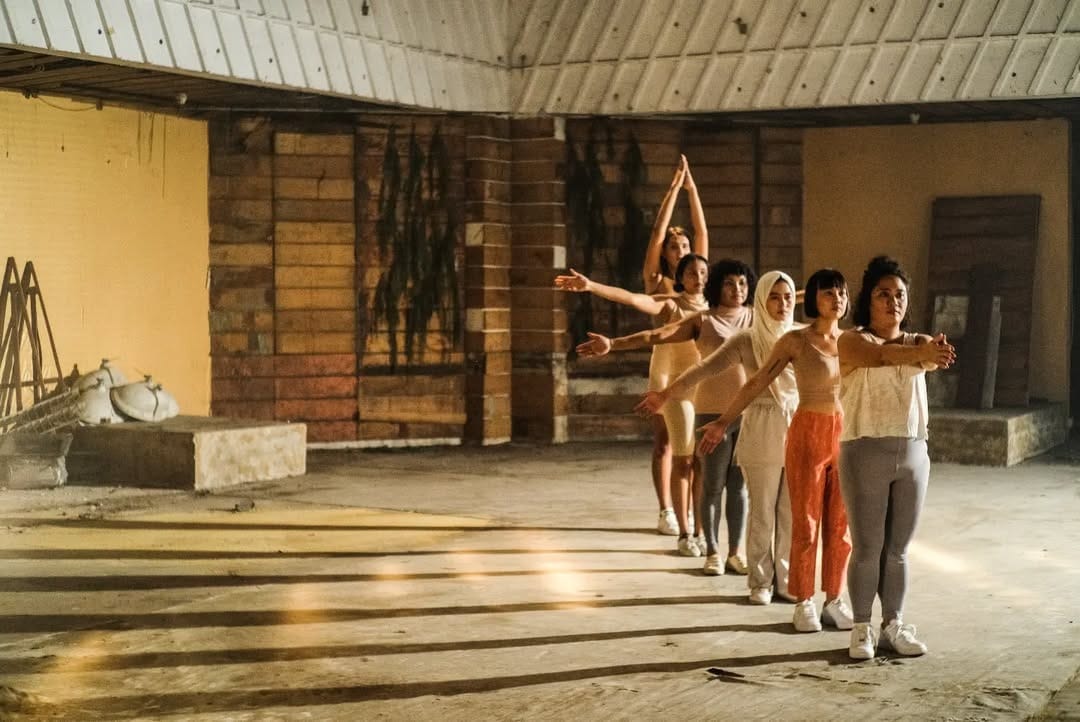
The project's inaugural work is also accompanied by a short film directed by Rummana Yamanie titled SUPERIA. The film features the seven women who are part of the play, all coming from vastly different walks of life. They each perform a theatrical interpretation of their lived reality.
One of the women is Ira, a former bank employee turned tattoo artist who is also a single mother. The film follows Ira as she confronts the deep-seated stigma attached to the label of "janda" (widower or divorcee) in Indonesian society—a local word often weaponized to paint widowed and divorced women as flirtatious harlots or morally questionable in the absence of their husbands. In her segment, Ira recounts the harassment she faced from men who viewed her independence as an invitation for solicitation, but then bravely proclaims the reclamation of her autonomy through her tattoo art and motherhood. Through Project Superia, Ira can shift her story from one of stigmatization to one that speaks about her resilience and self-definition on her own terms.
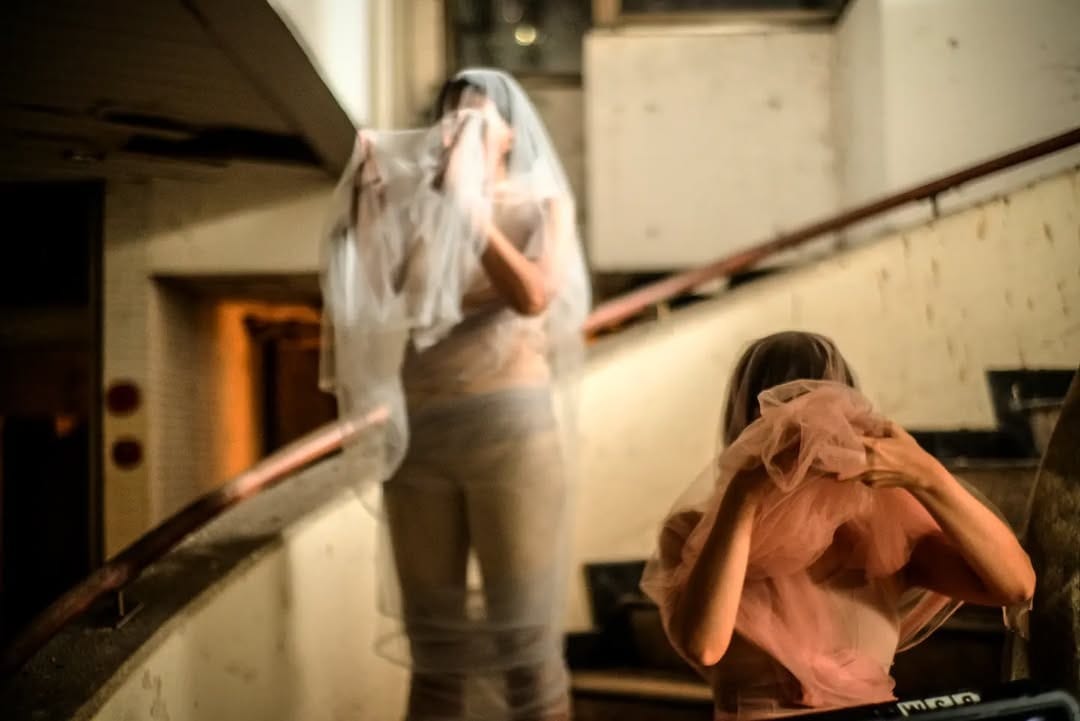
The project also extends its geographical scope far beyond Indonesia’s capital and urban center in Jakarta. They actively seek out voices that are often pushed to the periphery, voices that come from other islands outside of Indonesia’s central population, Java. To do this, they have launched auditions and collaborative processes in areas such as Pantura and Aceh, Sumatra, all with distinct and often contrasting cultural pressures. Pantura, though still in Java, is known for subculture, a lively nightlife scene fueled by dangdut music (a local variety of EDM). Here, the project seeks to amplify the inner lives of women performers of dangdut who are frequently viewed as commodities.
Meanwhile, in another Indonesian region, Aceh, the project navigates the stories of women living under local strict religious conservatism that has taken root in the area. The project places these stories side-by-side, sharing the experiences of a dangdut singer, a retiree, a trans woman and a single mother to highlight the diverse intersectionality of a contemporary Indonesian woman’s experience. While their contexts differ, their struggle for agency is universal. This is a message that rings true for women worldwide, no matter where they come from.
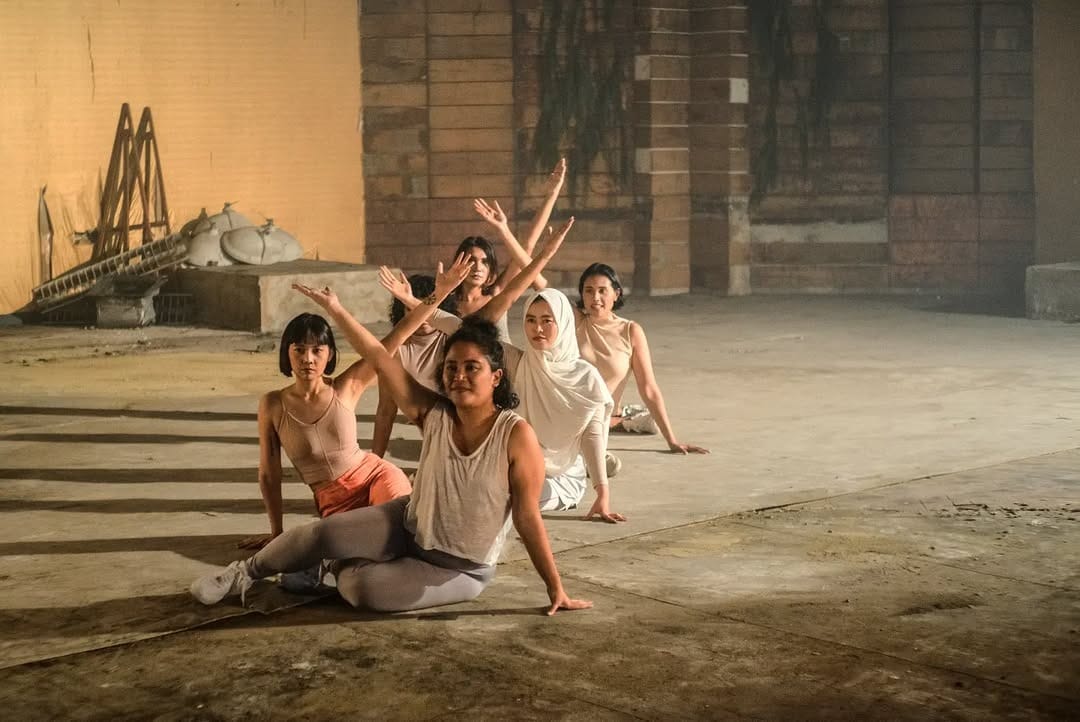
Ultimately, Project Superia creates a safe space where personal trauma is transformed into collective strength. It challenges the public to look beyond the 'black and white' morality that judges and traps women, inviting them instead to witness the complex, vibrant spectrum of humanity. In doing so, it redefines the fight for gender equality as a cultural revolution fueled by radical honesty. It proves that the most powerful weapon against oppression is a woman’s voice, raised in unity and creativity, refusing to be silenced.
Find out more about Project Superia and their initiatives on their Instagram @projectsuperia.