
Japanese artist Riusuke Fukahori has captivated the art world with his hyper-realistic goldfish, painstakingly painted layer by layer in acrylic and encased in clear resin. The result is a stunning three-dimensional illusion of aquatic life frozen in time. As seen in his exhibition Into the Water (July 2025) and detailed in Tokyo Art Beat, these works are a profound critique on humanity’s confinement of other species and a call for environmental stewardship. This is why his works are aligned with the United Nations Sustainable Development Goals of Life Below Water and Responsible Consumption and Production.
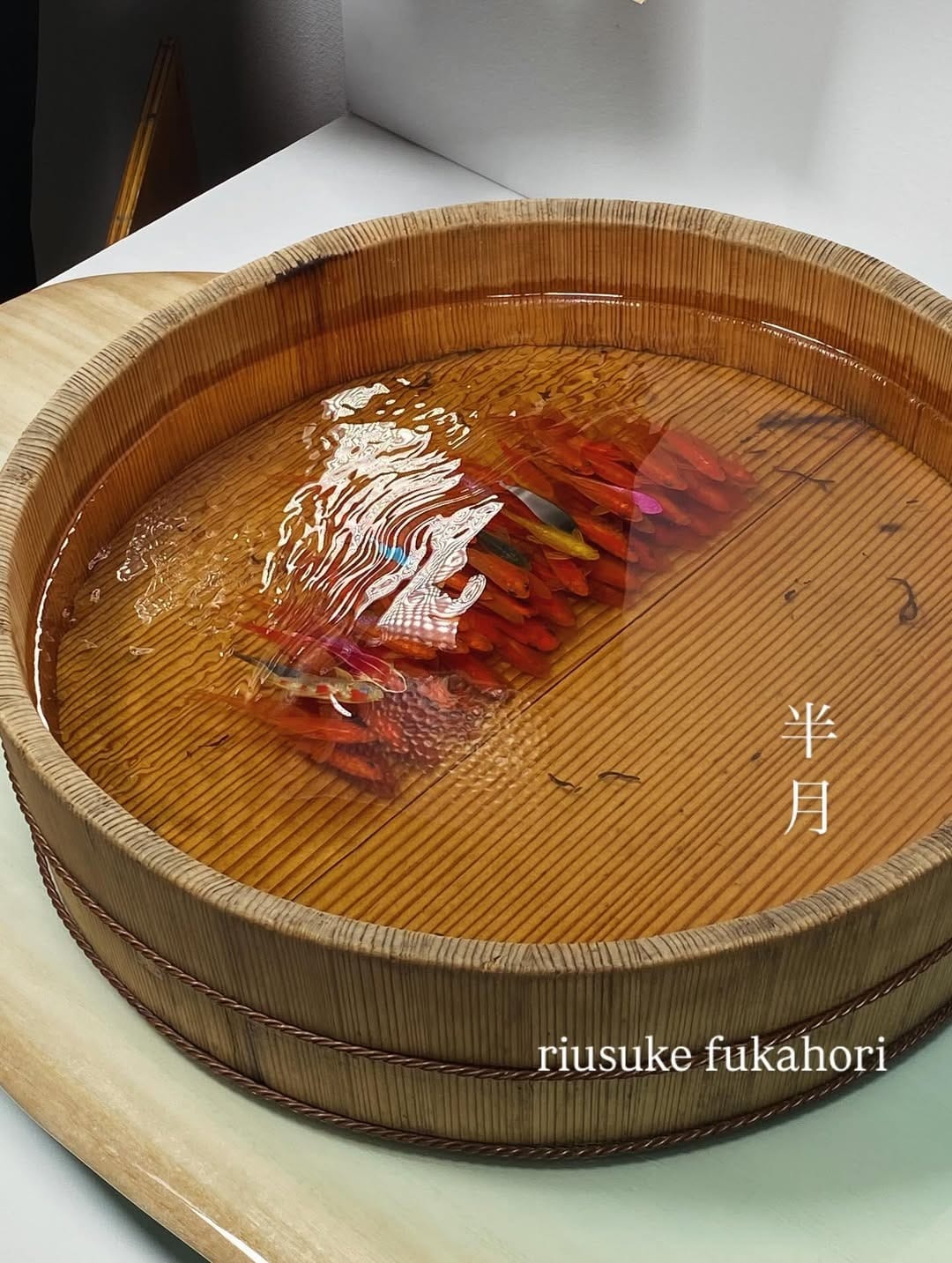
Fukahori’s journey with these fish, which he calls his Goldfish Salvation, began during a period of intense artistic self-doubt. Then he began to view the aquarium as a microcosm of the planet. In an interview with Artnet, Fukahori explains, "The fish tank is only foretelling what would happen to the earth... We as human beings are the main source polluting our own air." This perspective helps highlight to his viewers how today’s human habitats have created closed ecosystems that are increasingly tainted by human activity.
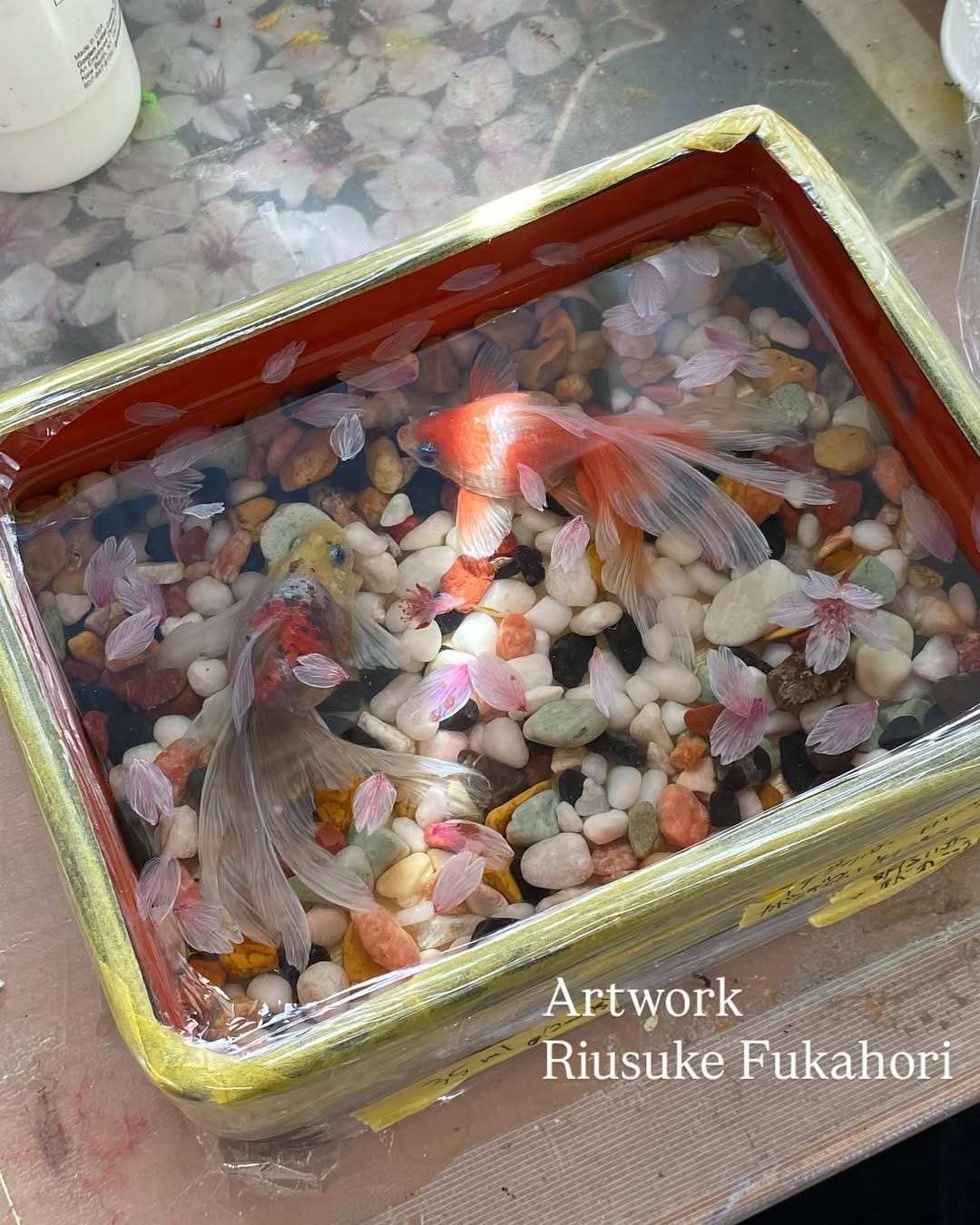
While Fukahori’s resin fish are suspended in beautiful permanence, real aquatic life is defined by a complex, silent sentience that is often ignored. Scientific evidence provided by Compassion in World Farming confirms that fish are sentient beings capable of experiencing fear, pain, and complex emotions. Sentience is the cognitive ability to not just react to stimuli but to "feel" something in response—an evolutionary trait that helps animals avoid harm and seek rewards.
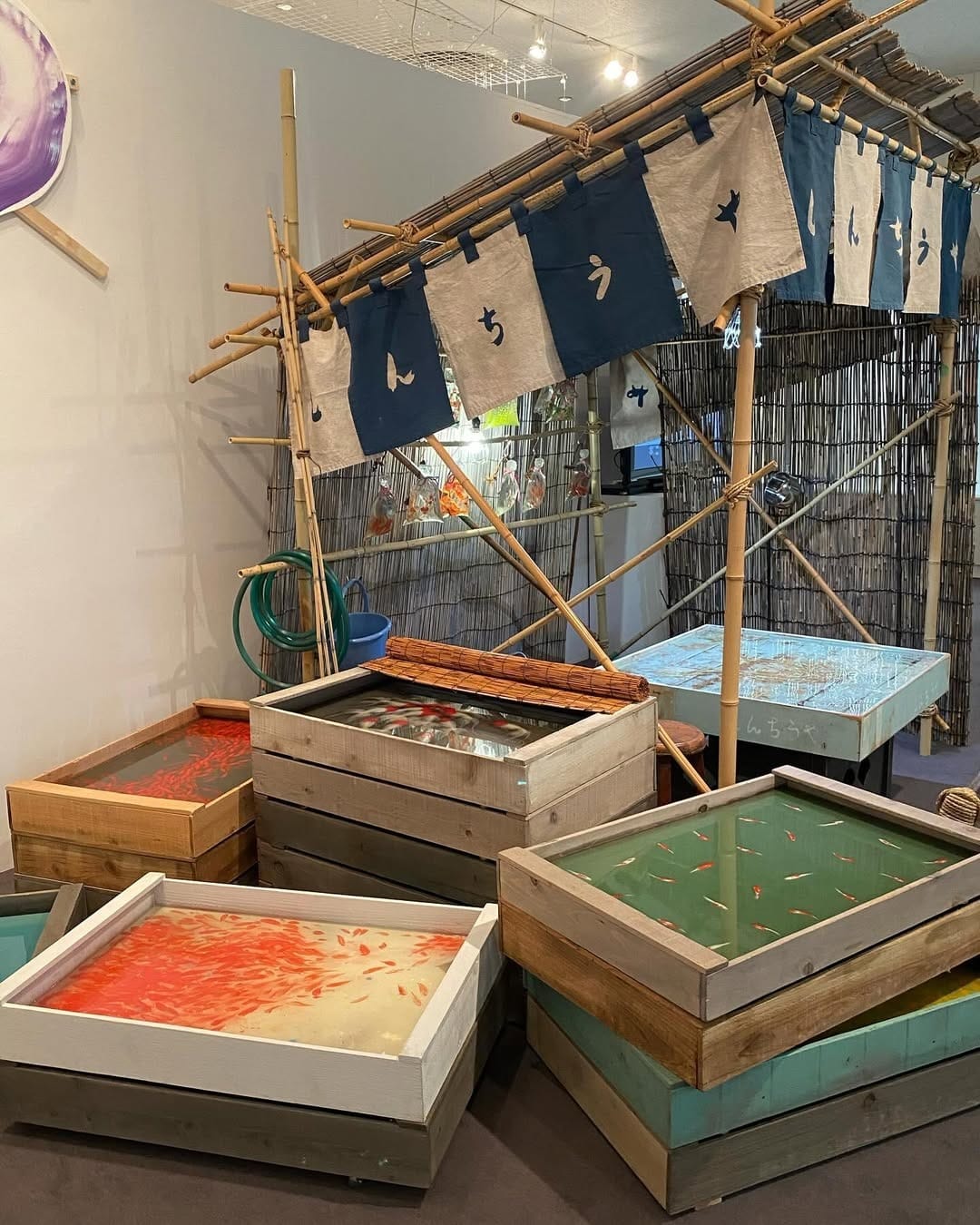
The scale of human impact on these sentient creatures is staggering. Globally, up to 3 trillion fish are caught from the wild, and up to 160 billion are farmed for human consumption annually. Despite these numbers, fish are often the "forgotten" victims of environmental degradation. Fukahori’s art addresses this by immortalizing the goldfish, forcing viewers to confront the fragility of aquatic life in human hands. His act of placing hyper-realistic fish in everyday containers people have used for pet fish, such as wooden sake cups or bamboo hats, further shows the vulnerability of their life within a confined, increasingly polluted ecosystem that their owners often fail to properly care for.
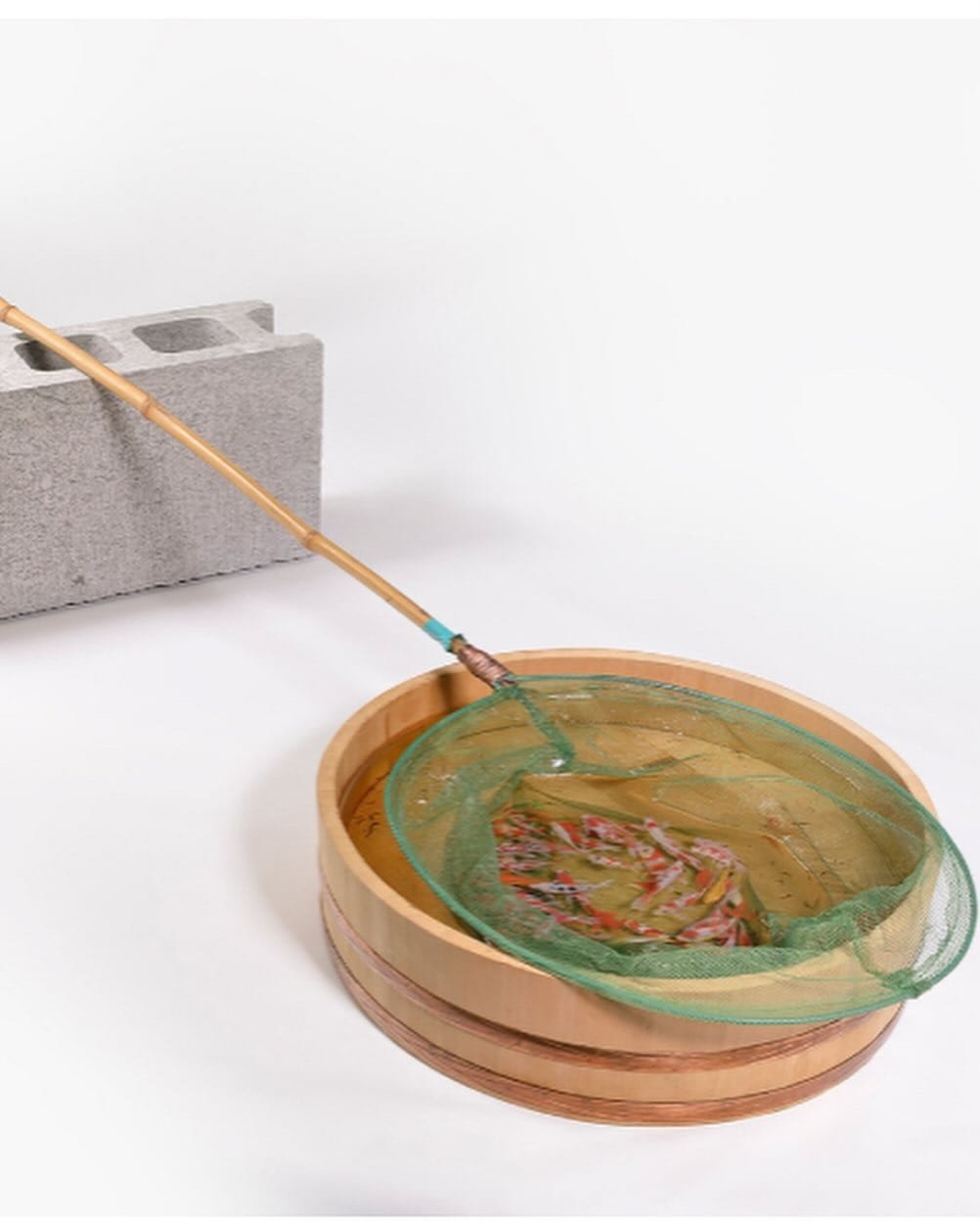
Ultimately, Fukahori’s work transforms the goldfish from a decorative pet into a symbol of people’s shared destiny. His Goldfish Salvation is a call to recognize that humanity, like the fish in the tank, is entirely dependent on the health of the environment they inhabit. By visualizing the beauty and fragility of aquatic life, Fukahori challenges everyone to become better stewards of the fish tank called Earth.
For more information, visit Riusuke Fukahori’s website, www.fukahori-exhibit.jp, or Instagram @riusuke_fukahori.