
Today, artificial intelligence and rapid-fire digital consumption threaten to reduce human beings to what philosopher Walter Benjamin termed the "poverty of experience." This is why Balinese artist Sastra Wibawa’s paintings offer an analog pause. His solo exhibition, ‘...Nothing remained unchanged but the clouds,’ by Nonfrasa Gallery at Titik Dua Ubud, presents a body of work that acts as a spiritual and sensory sanctuary. Wibawa uses labour-intensive paintings to mirror the rhythmic repetition of a Malay syair (poem), inviting viewers to reclaim their senses from the high-speed "trauma" of modern technological life. This is why his work is aligned with the United Nations Sustainable Development Goal of Good Health and Well-Being.
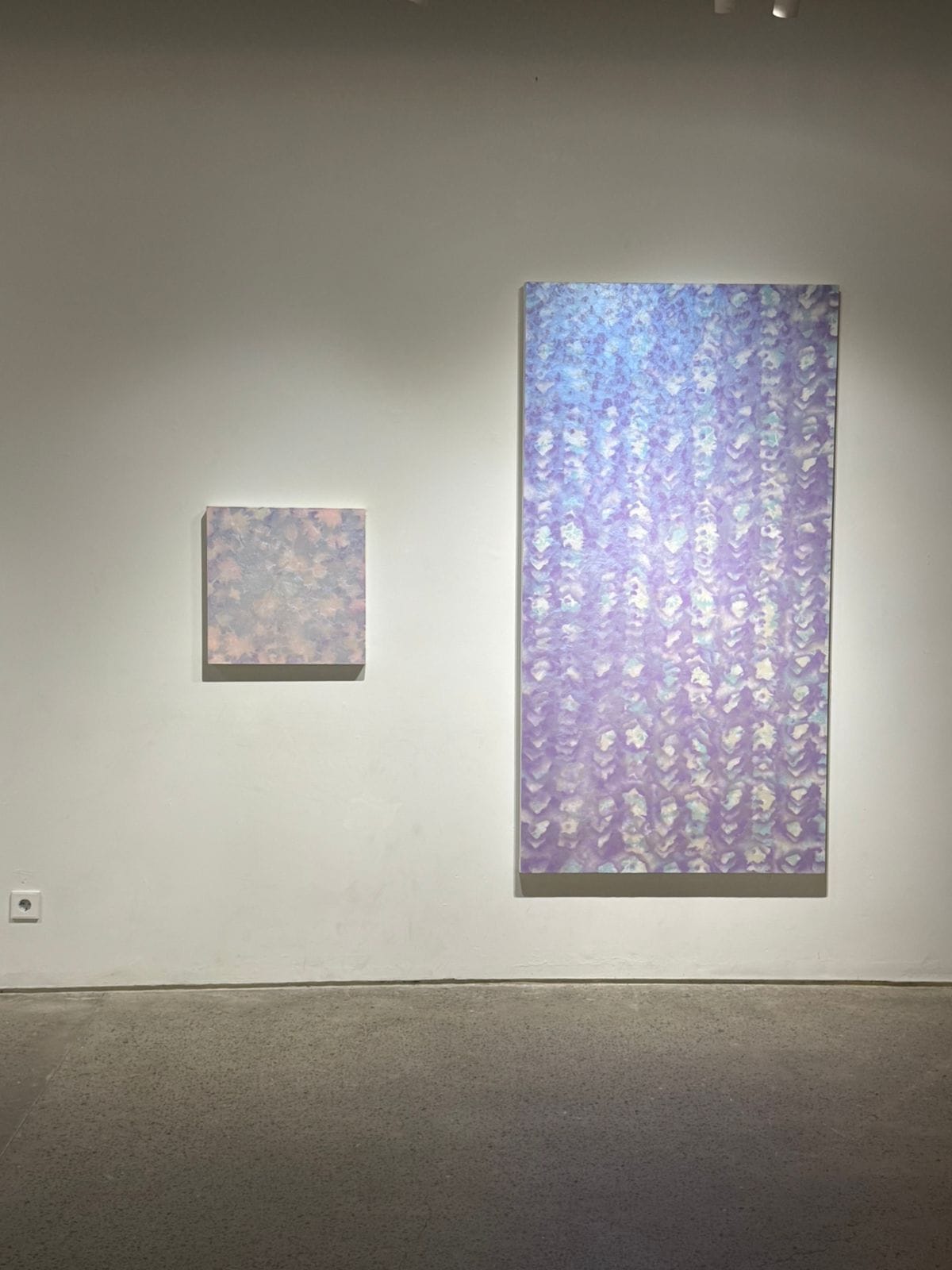
Curated by Yacobus Ari Respati, the exhibition highlights a practice that Wibawa explains as if he is "brawling with the canvas." Unlike the effortless generation of digital pixels, Wibawa’s process is one of physical restraint and repetition. His canvases begin as disciplined, monochromatic grids—structured, orderly, and seemingly quiet. However, upon closer inspection, these squares reveal muffled visual rhythms: stylized silhouettes derived from traditional ritual ornaments and complex layers of contrasting colours.
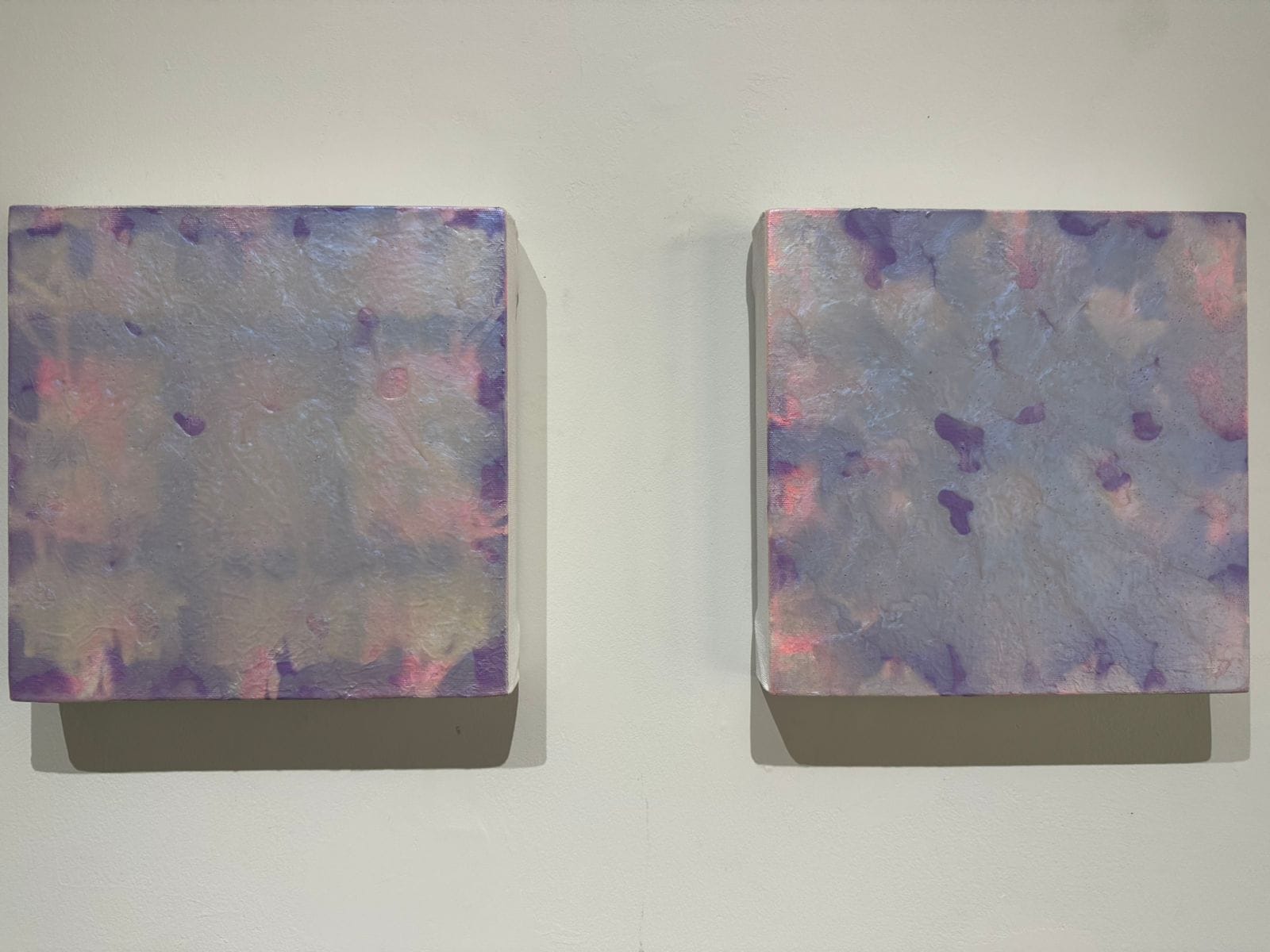
This technique echoes those found in the works of Mark Rothko. Yet, where Rothko used colour fields to go beyond the physical space of a canvas, Wibawa utilizes repetition to explore the tension between a canvas’s structure and disintegration. He tells little through a minimalist façade, forcing the viewer to slow down, allowing the painting to illuminate from within and speak to universal truths.
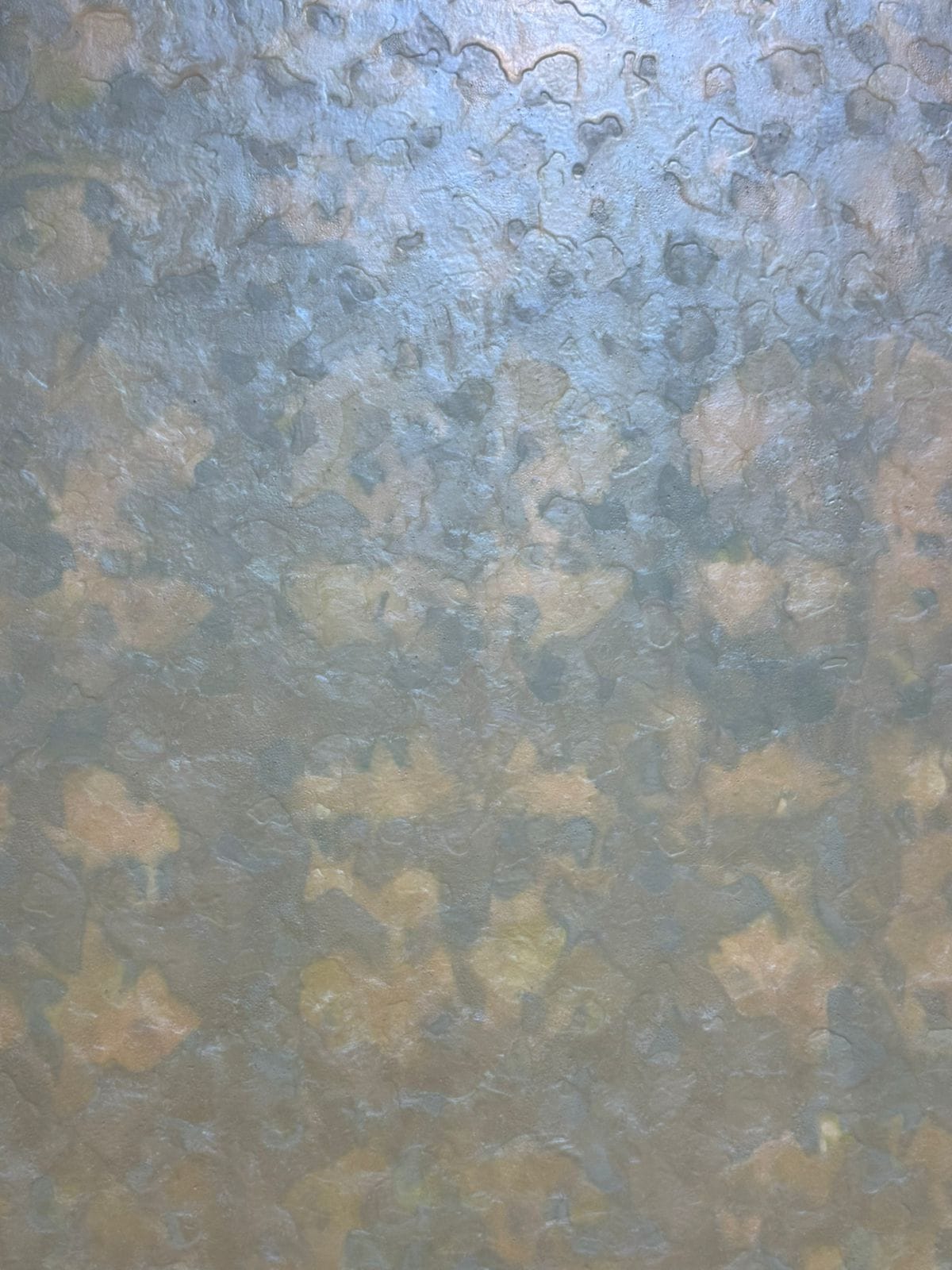
Here then, the simple act of sustained looking at his paintings becomes a therapeutic act. Much like the therapeutic qualities that come from cloud watching—where the brain engages in pareidolia to find familiar shapes in the sky. Wibawa’s paintings provide a space for the mind to wander and decompress as they invite viewers to seek and create their own deeper meanings of the different paintings.
The sublime quality of his works, described by Respati as "endless ripples afloat a body of water," encourages viewers to enter a meditative state. This rhythmic study of change offers a sensory counterbalance to the fragmented, hyper-stimulating environment of the digital era, helping to ground the nervous system and foster mental clarity.
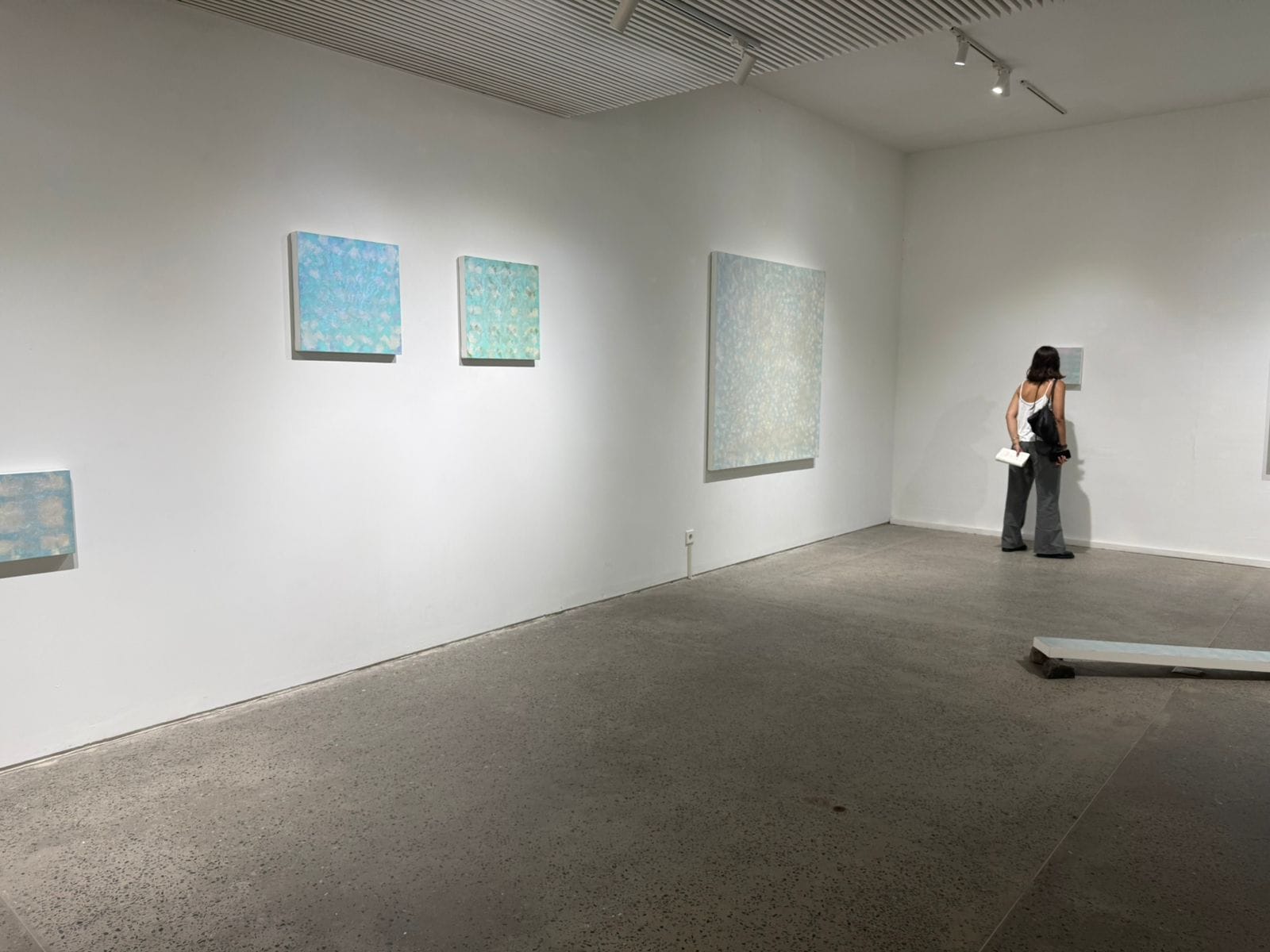
Beyond individual well-being, the exhibition revitalizes interest in Balinese cultural heritage as Wibawa draws inspiration from ephemeral family ritual objects. Coming from a family of artists, he uses objects traditionally intended for temporary use in Balinese ceremonies, which have been transformed into contemporary abstraction. This ensures that his cultural heart remains unchanged in spirit even as it evolves in form. Creating a form of preservation through transformation, which is essential for keeping cultural history alive in rapidly urbanizing environments.
At the end of the day, his work proves that, contrary to public assumptions, the physical gesture of painting is not an outdated relic but a necessary vehicle to reclaim the human experience in a world that feels increasingly beyond our comprehension.
For more information about Sastra Wibawa’s work, check out his gallery’s website, nonfrasa.gallery/blogs/transisi-by-sastra-wibawa, or Instagram, @sastrawibawa_.