
Many Abrahamic religions define the ‘sinner’ as one who has broken religious or moral law. Communities often label the label of ‘sinner’ as one who they deem as going against the ideologies of decency, even if they have done nothing wrong; a label often used to shame those who betray ‘morality.’ The religious concept of ‘sin’ aligns with ideological morality, often ignoring that morality is rarely set in stone. Religions also present morality through prose that is open to interpretation, which even the most perfect of humans can misinterpret. Ryan Coogler’s Sinners (2025) showcases the aftermath of a flawed human perspective, set in Jim Crow-era Mississippi, where music serves as the backdrop for a conversation about morality and sin. Culture becomes a commodity in an age of Jim Crow appropriation, undercut by Christian opposition of Blues in the Deep South. Sinners explore how assimilation through appropriation seduces its conformists by selling the idea of cultural immortality but suppresses the reality of how it reduces the soul of its culture to harmful stereotypes. The film’s exploration of moral dichotomies aligns with the United Nations Sustainable Development Goal of Reduced Inequalities.
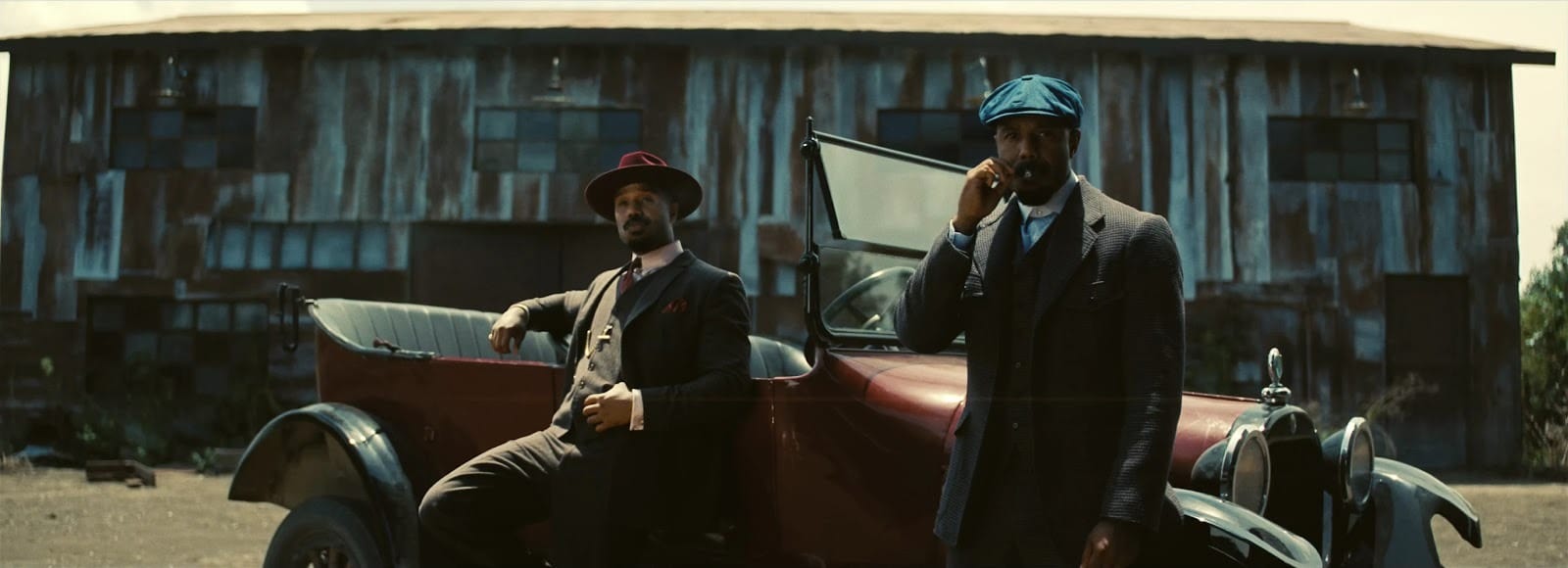
Abrahamic religious concepts often state that ‘Temptation is the Root of All Evil.” In a post-Jim Crow world, we rarely consider the idea of the tempting nature of ‘belonging.’ Sinners showcase community in different ways, all equally important to the rest, through their exploration of culture, assimilation, and appropriation in the film. Coogler’s showcase of families, religious communities, gangs, racist groups (the ‘Klan’), and even the vampire horde highlights different communities and their respective cultural identity spectrum. The Juke Joint thrives as a space made for and by marginalized communities, specifically Black communities, filled with bright, soulful music, rich cultural foods, and a welcoming atmosphere open to all communities of colour. The Juke Joint is a stark contrast to the polished, cult-like synchronization of the Vampire horde, made with predominantly white people, members of the Klan, and unfortunate members of the Black community that were poisoned by the vampire’s venom. Both areas embody the concepts of life and death, with the lively community of The Juke Joint contrasting the polished, soulless group of Vampires. In a way, the Vampire horde represents the idea of conforming to the majority, while the Juke Joint represents expressions of the marginalized. While conformity gives one ‘immortality,’ true immortality means more when it endures through cultural preservation rather than in an empty, extended life.
In an era full of segregation, traditional cultures that oppose the White status quo are often silenced and belittled. Predominantly Black genres such as blues and jazz, despite their popularity, are considered ‘sinful’ by their opposers, who see the genres as barbaric and immoral. Blues is a music genre with Black roots, as its foundations are in African traditions, spirituals, work songs, and hollers, now more often referred to as slave songs. The idea of blues being considered ‘inappropriate’ is through its subject matter, being honest recounts of sexual relationships, drinking, and romance, topics that are often considered sinful in societal standards. Alleviated by the Prohibition Era’s culture of gangster-owned speakeasies and juke joints, the music genres gained a reputation for misbehaviour. While blues and jazz are considered staples of Black American culture, they have also become symbols of assimilation for White people of the time, as jazz music became a catalyst for social mixing across races in the Black and Tan clubs of Chicago. White youths were drawn to Black music, as their dances seemed free, combined with the mixing of races that was unheard of at the time. The allure of music as a catalyst for connection underscores the importance of Black cultural legacies. After all, many genres have sprung from Black genres like blues and jazz, as well as from contemporary R&B, rock & roll, funk, and swing, and even J-pop, which eventually gave birth to K-pop.

Humans connect through mutual interests, even if it sometimes turns cultish. In the fight between the Juke Joint and the Vampires, we see how the seductive promise of freedom can often become something more than we can chew. When twins Elijah "Smoke" Moore and Elias "Stack" Moore recruited their cousin Samuel “Sammie” Moore to play music in their joint, it attracted Remmick, the leader of the Vampires, who was ‘seduced’ by Sammie's ability to find ‘soul’ from his music. Remmick’s desire to infiltrate the community was to be reunited with his ancestors through Sammie’s music. In the Sinners universe, those inflicted by the Vampire curse cannot move on to the afterlife after their death, as their soul is forever trapped inside their bodies. They become part of a hivemind, where, despite their personalities and memories remaining intact, they will lose what connects them to what truly makes them human: their soul.
Why join them if it costs everything? Is eternal life in an immortal body, shackled for all eternity, worth it?
Cult-like organizations often target vulnerable people by manipulating the people close to them to get to their original target. This is reflected in how Remmick recruits his members by appealing to their values and often inflicting his curse on vulnerable members of the community. This is how they successfully targeted Mary. Her connection to her Black identity is not as strong as that of other members within her community, as, being mixed race and light-skinned, she is never truly accepted on either side of her racial identity. Through Mary, Remmick successfully infiltrated the Juke Joint and infected Stack, Bo Chow, and Cornbread. In their assimilation, Remmick has given them the ability to become immortal. It is a process of eternal freedom through sacrifice.
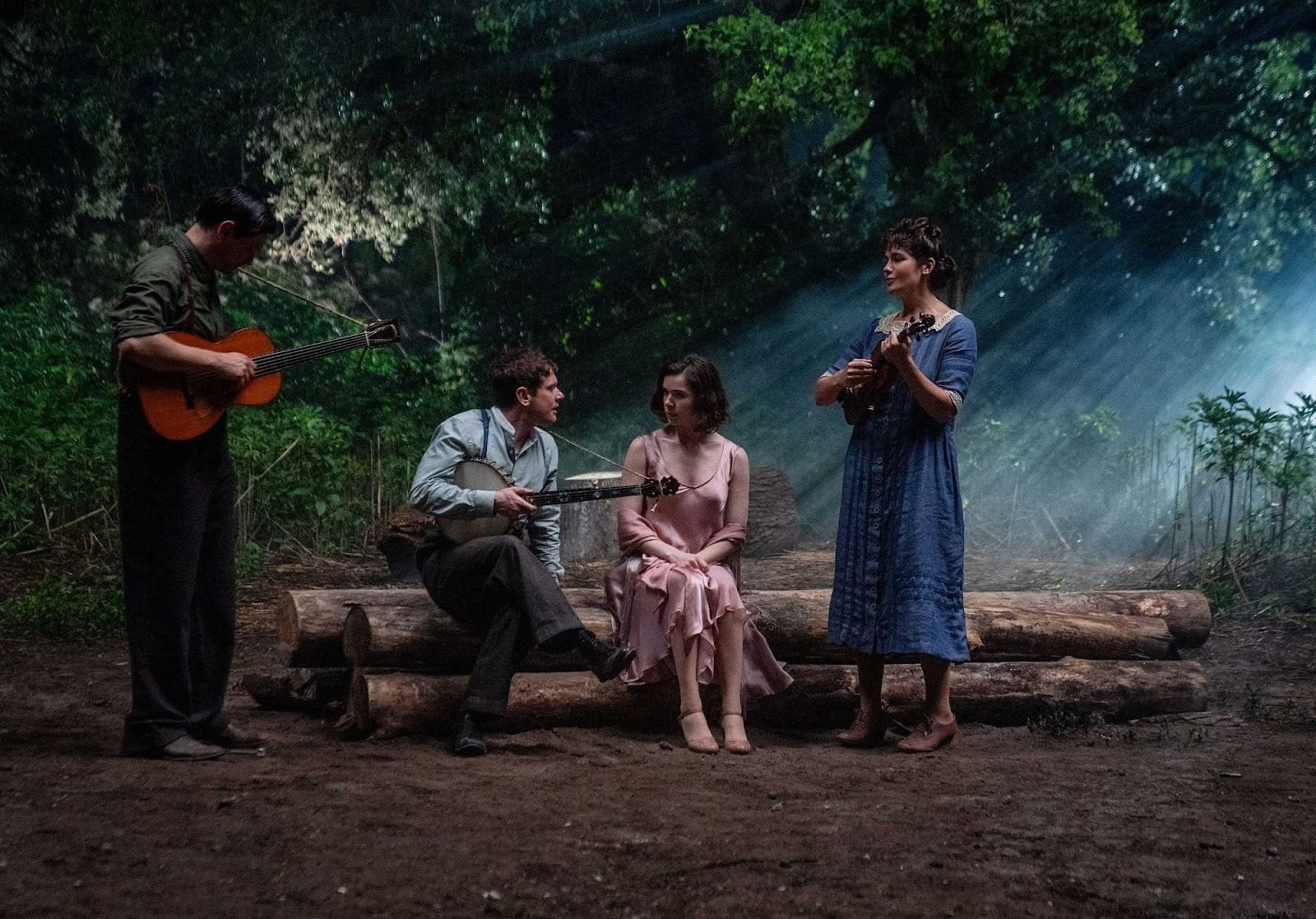
Sinners provides an excellent reflection on the concept of eternity through its ‘Humans vs Vampires’ concept. While it’s easy to interpret the ‘vampires recruiting Black people into a cult’ as symbolism for assimilation, Sinners allows its audience to think critically about the concept of eternity. Society rarely sees ‘immortality’ as a synonym for ‘legacy.’ While legacy is understood as ‘leaving something worthy behind,’ we often forget that when we leave a legacy, whether through culture, education, or other means, we become immortalized in history, either directly or indirectly. In Sinners, Sammie’s guitar becomes a powerful piece of his identity because he perceives it as he thinks it is owned by blues legend Charley Patton. The glory lies in the piece's legacy, even though its true origins are closer than he thinks.
People fear not being remembered as an individual, but they forget that they can still be remembered as someone who helped preserve history by keeping their culture alive. The pursuit of individual immortality, however, becomes an all-consuming trap. The human desire to be remembered often leads us to overlook the importance of preserving cultures for the collective. People may pursue immortality through remembrance, ensuring they ‘live on’ through their legacies as individuals for the sake of immortality within cultural histories. We rarely realize how debilitating the pursuit of legacy can be and overlook the true freedom of living in the moment. As Stack reflects at the end of the film, “No doubt about it. Last time I seen my brother. Last time I seen the sun. And just for a few hours, we was free.”
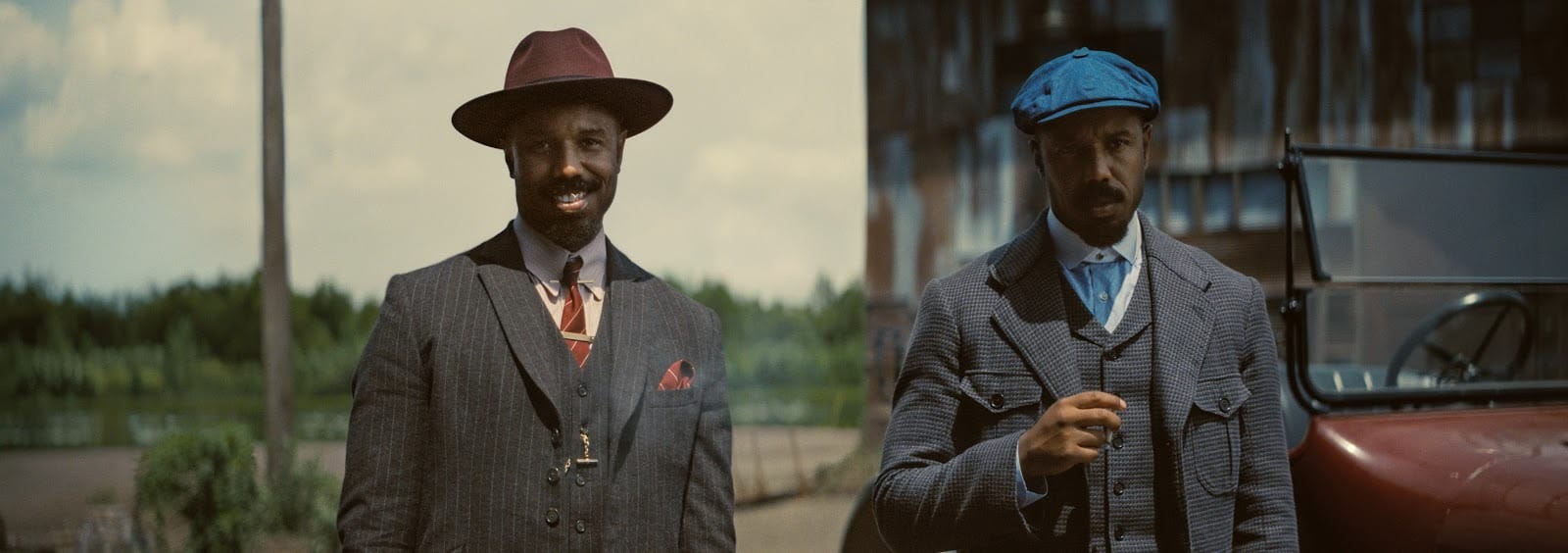
In the pursuit of freedom, one often ends up trapping oneself. We rarely see what we do as relevant and often feel the desire to be part of something more. Sinners reflects on the concept of freedom, cultural celebration, and the trap of assimilation. Only when faced with resistance, as showcased with Smoke’s brutal murder of the Vampire Horde, does one truly become free of the shackles of cultural erosion. Sinners captures the pattern of systemic racism and how it offers freedom selectively in the name of preservation. This film shows that majority groups often offer access in exchange for assimilation, usefulness, or proximity to whiteness, often referred to as tokenism.
Sinners (2025) teaches its audience to look beyond their biases and see the consequences of cultural erosion. The film demonstrates how culture vultures will take from the Black community to serve their own selfishness. Communities of colour must fight the battle to win the war against cultural eradication. It teaches its audience to view legacy as a catalyst for immortality, rather than pursuing immortality by becoming a cultural outcast. History will always favour the bold, but legends are made thanks to those who live to tell their tales.