
In September 2023, Iran’s parliament approved a bill that will impose penalties such as fines and even jail time on women who refuse to follow the country’s strict dress code, which includes wearing a mandatory Islamic headscarf in public, on top of existing social punishments. According to the Associated Press, the bill was approved by 152 lawmakers in Iran’s 290-seat parliament, making up over half of the house. The ratification of this bill was thankfully halted in 2024, and now in 2025, women continue to actively defy the mandatory hijab norm.
Many Iranian women and their supporters have also found a more quiet and yet resilient way to protest against the bill and Iran’s infringement on human rights—albeit an unusual way, as it manifests itself through tattoos, which a majority of the Muslim world still consider to be unlawful. According to the South China Morning Post, numerous tattoo studios in Tehran have been offering designs that proclaim “woman, life, freedom,” or as it’s better known locally, “zan, zindgi, azadi.” This was a rallying chant for women’s empowerment in Iran, one that was born during the protests that erupted after Mahsa Amini’s death—a 22-year-old who died in police custody after being detained for violating the dress code.
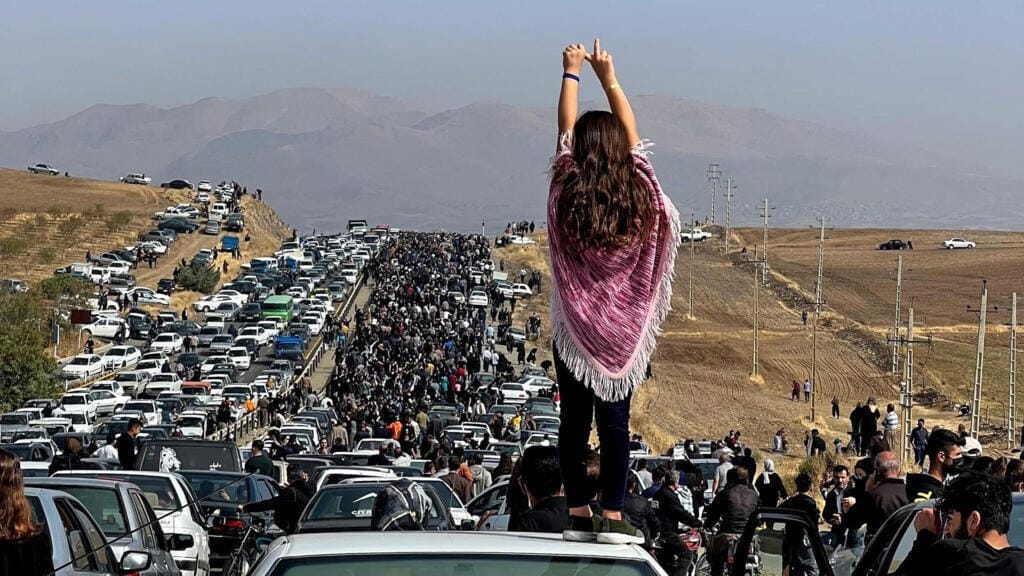
Her death ignited months of protests worldwide, in which many called for the disbandment of Iran’s theocracy. However, protests faded in early 2024 after Iran issued a crackdown on dissenters, since after just eighty-two days of the ongoing protests (September 17 to December 7, 2022), 481 protesters were killed, and over 18,000 people were detained. This is where the quiet strength of these tattoos lies, as they create an alternative way for people to protest quietly, something that can easily be concealed under their clothing and yet still shared with certain peers to resonate with the cause. This is also why they are aligned with the United Nations Sustainable Development Goals of Gender Equality and Reduced Inequalities.
While tattoos are not banned in Iran, conservatives still view the practice as immoral and Westernized, with women yet again bearing the brunt of the stigma. One of the ways women have managed to circumnavigate this climate is by getting tattoos from tattoo artists who are also women. “Women [artists] do tattoos for women, men [artists] do tattoos for men,” said Sean, a Tehran-based tattoo parlor owner.
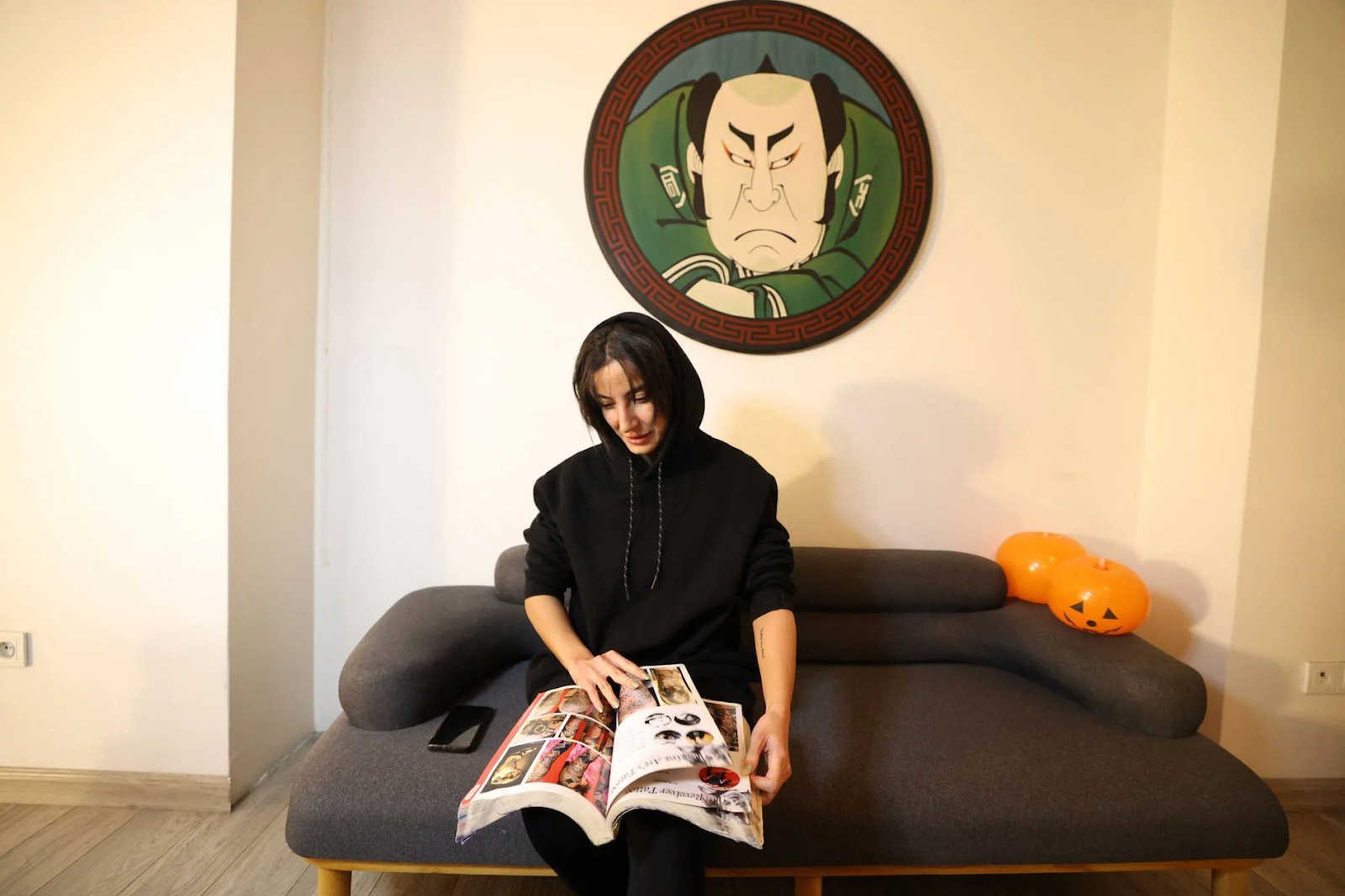
One of Sean’s students, Kuro, a 24-year-old woman tattoo artist, continues to pursue her craft with unwavering determination. After refining a koi fish design on a practice silicon sheet, she expressed optimism, stating that generally people are more supportive towards her aspiration to “work without restrictions as a female tattoo artist."
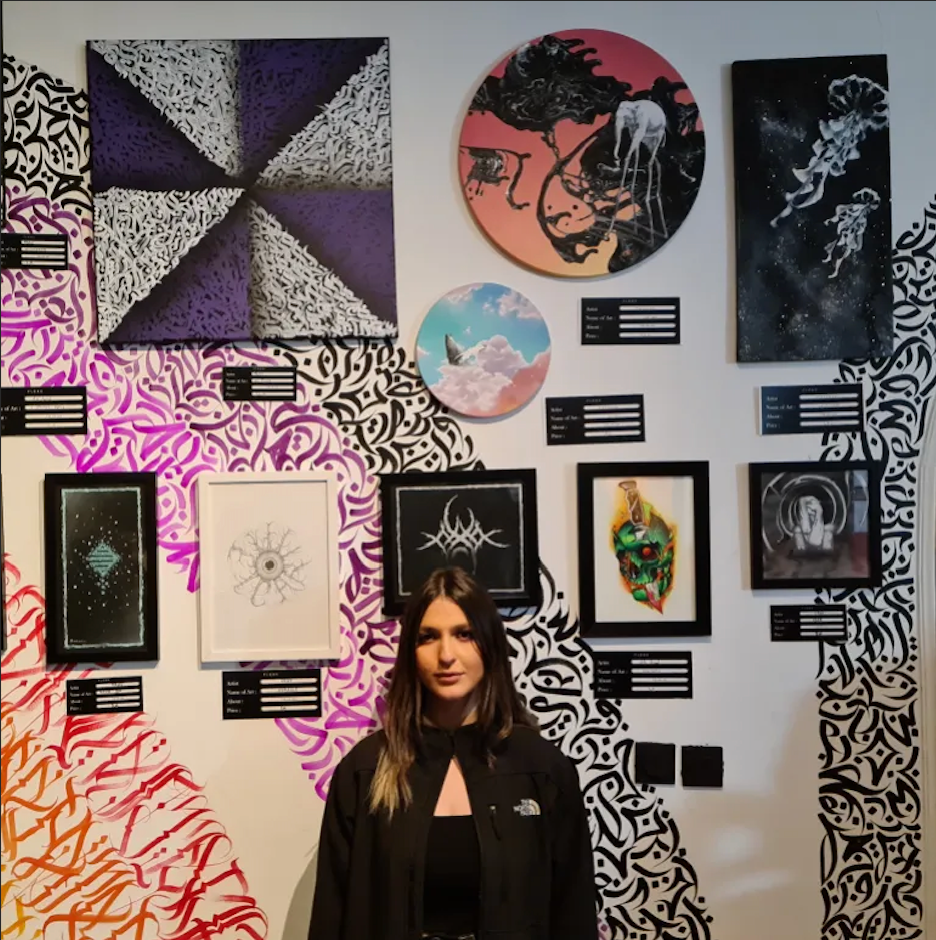
Ava Azad is another female tattoo artist working in Iran around these turbulent times. She began her practice in 2019 but, in a 2021 interview, expresses the challenges and dangerous consequences associated with being a female tattoo artist in Iran.
Azad shared that she would take clients at her home and would screen potential clients to “ensure they are not law enforcement or individuals with malicious intentions.” The young tattoo artist also shared that she feels pressure from having to promote her work on social media to attract new clients, something that again, according to Al Jazeera, might bring unwanted attention that leads to criminalization.
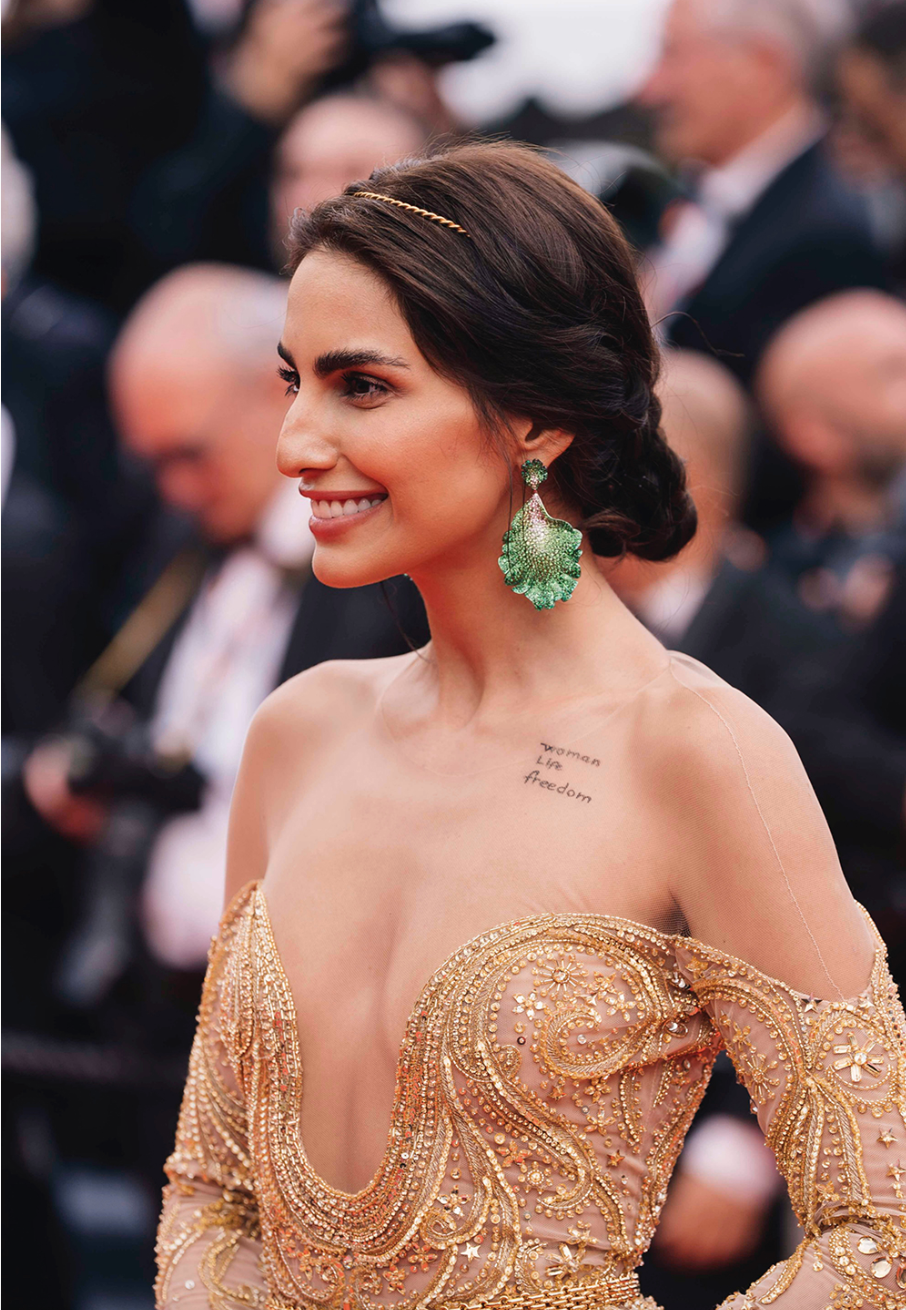
Iranian public figures have also risen to the occasion. Farnoush Hamidian, an Iranian model, made a notable appearance on the 2023 Cannes red carpet. She showcased a temporary tattoo on her shoulder blade with the message "woman, life, freedom," serving as a public reminder of the Mahsa Amini protests and the considerable efforts still needed to achieve gender equality in Iran.
An array of “Woman, life, freedom” temporary tattoos have also emerged as an alternative for those seeking to support the cause, with internationally renowned temporary tattoo brands Inkbox and ConsciousInk presenting their designs. For further impact, a percentage of sales proceeds from these temporary tattoos has been pledged to the cause.
In a nation where public dissent has been met with brutal force, the tattoo needle has become a revolutionary instrument—a quiet but unyielding declaration of autonomy. For Iranian women, these tattoos are lasting statements of their struggle for bodily autonomy, etched directly onto the very skin the state seeks to control. By transforming a practice once deemed 'immoral' into a covert language of solidarity, they reclaim their bodies as sites of resistance. This movement flourishes in hidden studios and on the skin of their public figures, proving that even when voices are silenced, the demand for 'woman, life, freedom' remains indelible—a powerful, personal, and lasting claim to Iranian women’s identity and liberation.
Find more of Pia Diamandis' writing, as well as her other initiatives, by checking ouy her Instagram @pia_diamandis or website www.linktr.ee/Pia_diamandis.