
In the current American political landscape, the concept of "home" has become a precarious question for millions as President Trump’s policies call for en masse deportations and stricter border control and visa requirements. According to Pew Research Center, the U.S. immigrant population saw its first decline since the 1960s between January and June 2025, dropping from a historic high of 53.3 million to 51.9 million. Against this backdrop of displacement and narrowing borders, The Immigrant Artist Biennial (TIAB) has emerged as a critical survival mechanism for cultural equity that champions the voice of immigrant artists. This is why the work that they do is aligned with the United Nations Sustainable Development Goals of Peace, Justice, and Strong Institutions and Reduced Inequalities.
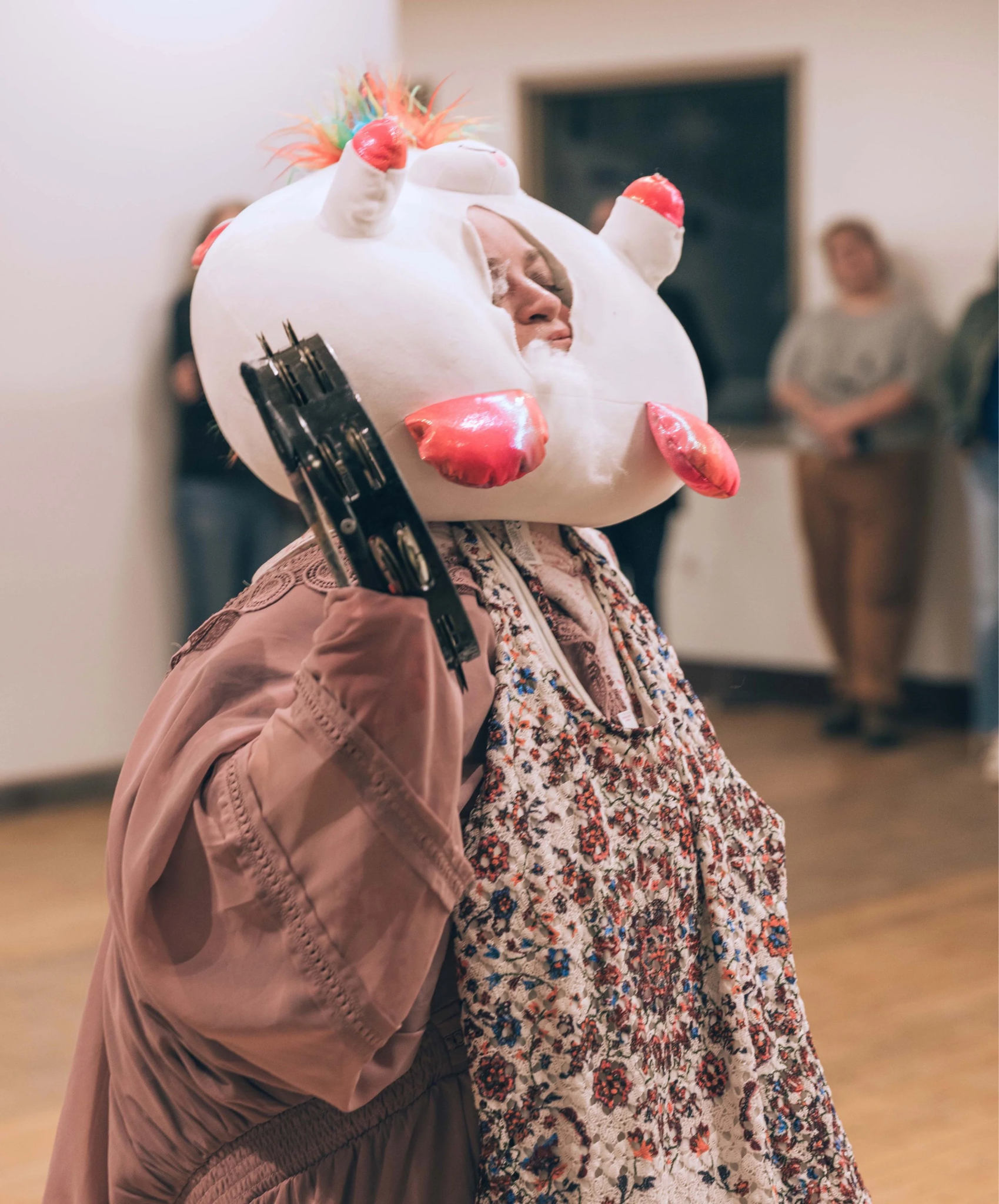
Founded in 2019 by Ukrainian-born artist Katya Grokhovsky, TIAB was born from a refusal to be silenced. Unlike traditional biennials anchored to a single location, TIAB is deliberately nomadic. It roams across New York City—occupying spaces ranging from the Brooklyn Museum to Greenwood Cemetery—mirroring the unstable, transient nature of the immigrant experience itself. This fluidity is a response to the systemic rigidity faced by its participants. As reported by CBS News, nearly 40 percent of the approximately 393,000 ICE arrests made between January 2025 and January 2026 involved individuals with no criminal record, creating a climate where visibility can be synonymous with danger.
TIAB counters this fear by creating a "contact zone" where diverse cultural histories intersect. This directly provides a high-visibility platform for artists often marginalized by visa status, language barriers, or geopolitical displacement. The curators of TIAB challenge the abstraction vs. figuration binary often imposed on minority artists. As explored in Art Spiel, the featured artists navigate the space between these poles to reclaim their agency.
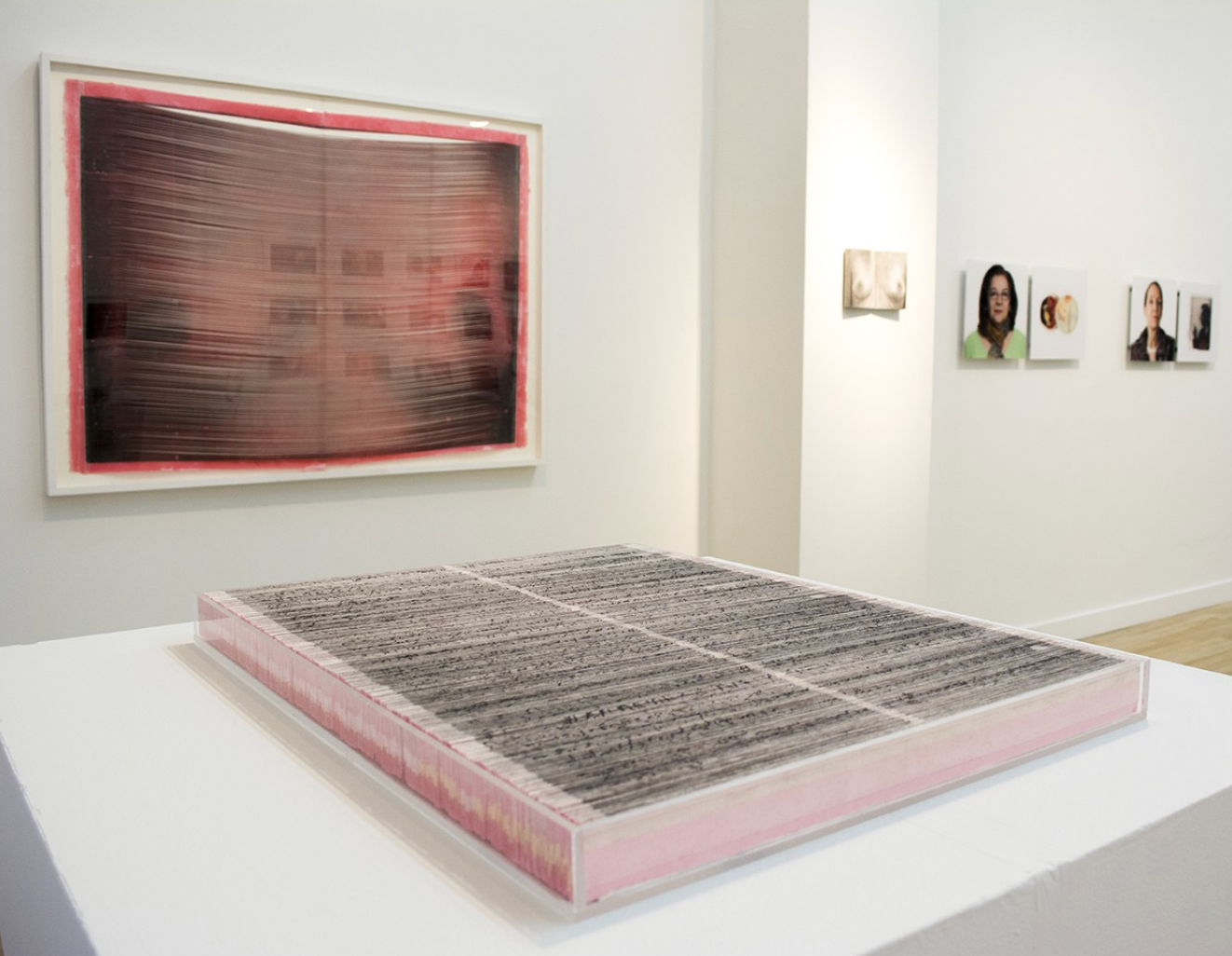
Take, for example, their 2024 edition that featured Golnar Adili, an Iranian-born artist who engages with the archive as a living wound. Her work, Pink Letter, involves deconstructing archival correspondence. By enlarging and physically folding a letter from her mother to her father—written after his escape from Iran—Adili transforms text into texture. The 352 folds require the viewer to physically move around the work to read it, embodying the distance and distortion of the immigrant family experience.
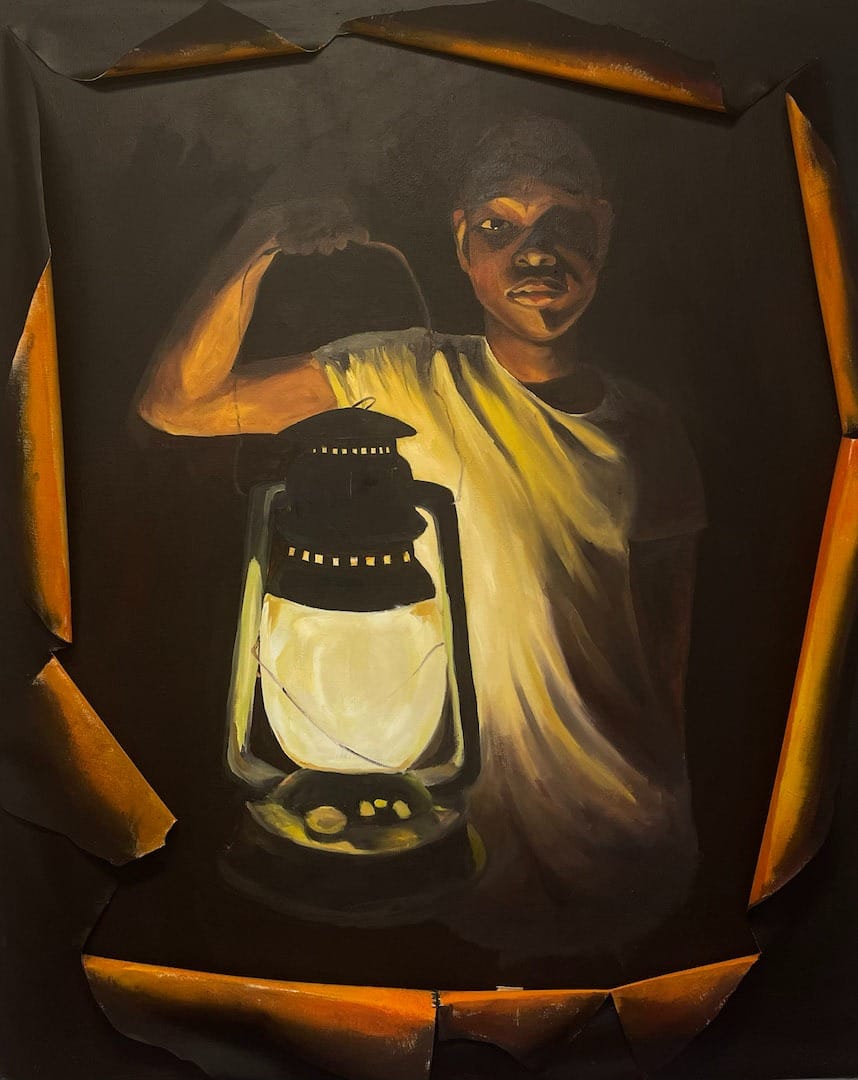
On the other hand, artist Jonathan Ojekunle approaches portraiture through a lens of emotional impressionism. His works, such as Shining Light, reject the demand for photorealistic evidence of the Black body. Instead, he utilizes colours to convey interiority—joy, vulnerability, and contemplation. By refusing easy categorization, these artists assert their right to complexity, paving the way for equality in terms of how their works are presented and viewed by society.
Grokhovsky’s vision for TIAB also extends beyond aesthetics and includes a labour movement. In her interview with CanvasRebel, she emphasizes that society must recognize art as "essential cultural labor, not a luxury." This is particularly poignant given that immigrants make up 19 percent of the U.S. labor force yet often lack access to the cultural capital that secures artistic careers.
The third edition of TIAB will take place in the fall of 2026 as a series of programs and will feature four immigrant curators, Sanna Almajedi, Sofia Thiệu D’Amico, Eva Mayhabal Davis, and Anna Khimasia, with scholarly and professional expertise in curating performance, sound, and video art. These curators have crucially demonstrated leadership within artistic communities and sustained commitment to immigrant artists. All this factors into how TIAB functions as a prototype for a more equitable art world—one that is hospitable, flexible, and deeply human. By presenting works that are fragile, experimental, and unapologetically foreign, the biennial proves that in a world increasingly defined by walls, art remains the most effective bridge.
Find out more about The Immigrant Artist Biennial by checking their website, www.theimmigrantartistbiennial.com, or Instagram, @theimmigrantartistbiennial.