
Disclaimer: The following article contains spoilers for the series 'The Price of Confession.'
In Netflix’s gritty noir sensation The Price of Confession, a courtroom, sets the stage for feminist theater, where the script has been written long before the gavel fell in this fictional world to mirror our reality and South Korea’s patriarchal judicial system. Directed by Lee Jung-hyo and written by Kwon Jong-kwan, the series pivots away from the "who-done-it" murder mystery trope to perform a visceral autopsy on the one "who-survives-it" narrative. It presents a story where solidarity between women is a jagged shield against institutional erasure and discrimination in a justice system that inherently favours men. This is why The Price of Confession is aligned with the United Nations Sustainable Development Goals of Gender Equality and Reduced Inequalities.
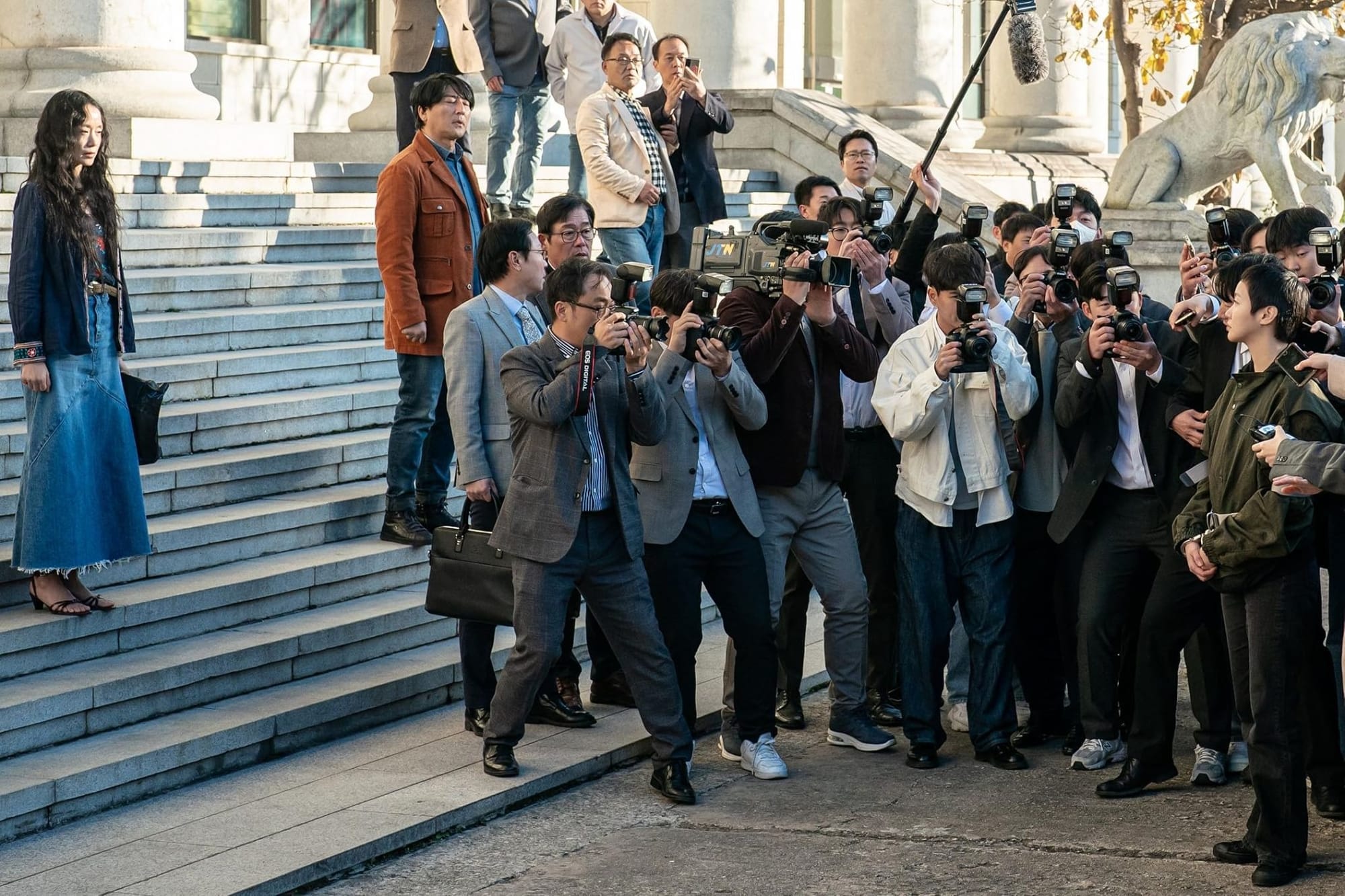
The series centers on Ahn Yun-su (played by the legendary Jeon Do-yeon), an art teacher whose life implodes when she is accused of murdering her own husband, the father of her child. The evidence is circumstantial, but the verdict is swift. Why? Because Yun-su fails to perform the role of the "perfect widower." Her tattoos, her stoic demeanor, and her refusal to weep at every turn caused her to be judged by the court and the public as a guilty and promiscuous woman. This plot point highlights the pervasive gender bias that exists within legal frameworks, where women are frequently prosecuted not just for their alleged crimes but for their failure to adhere to traditional societal standards of femininity.
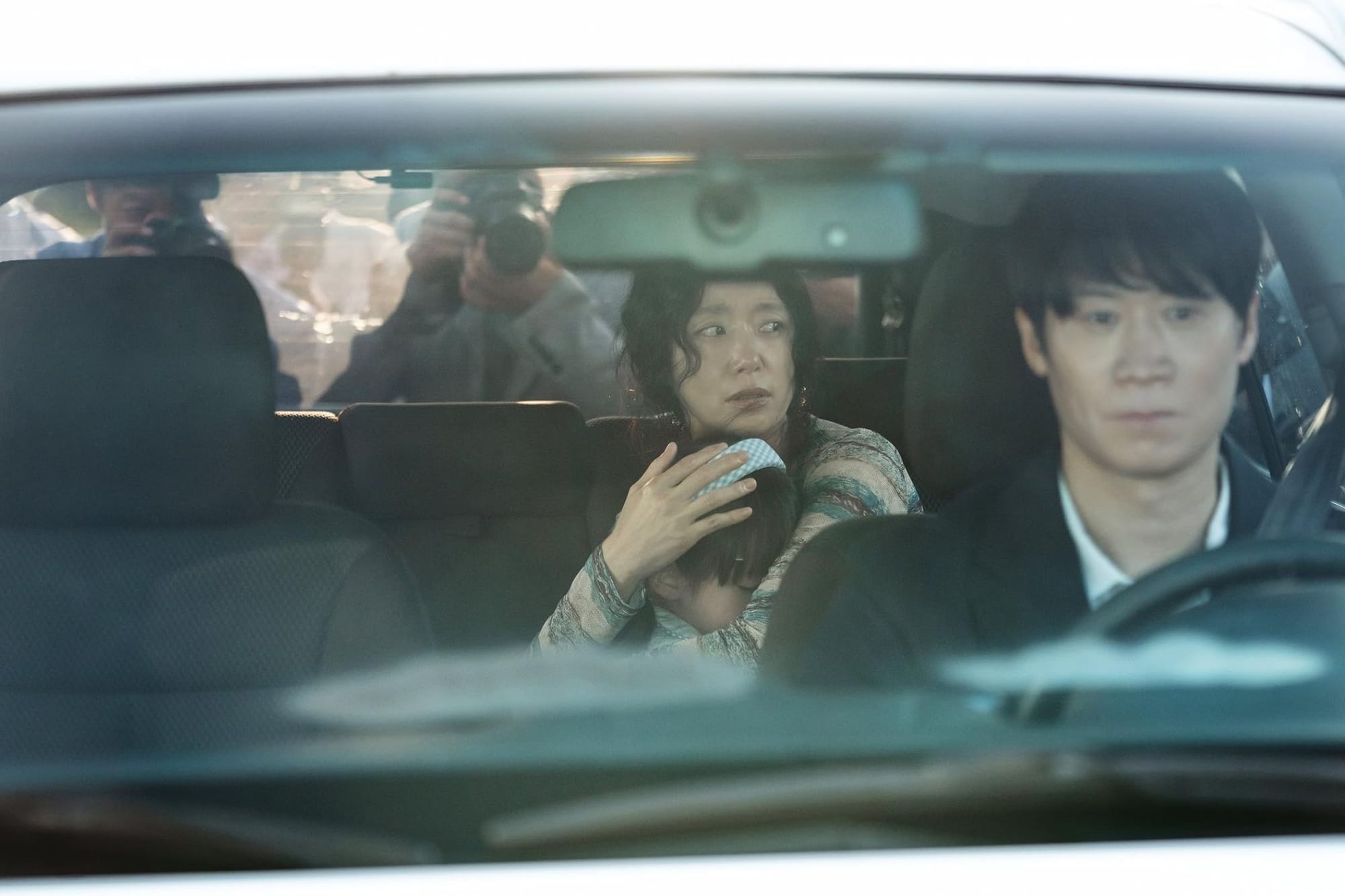
Yun-su’s salvation—and the show’s electrifying core—does not come from a brilliant lawyer but from a fellow inmate at the women’s detention center. Enter Mo-eun (played with chilling charisma by the equally haunting actress Kim Go-eun), an enigmatic serial killer known as “The Witch” who tells Yun-su she is willing to confess for her husband’s murder, giving Yun-su her freedom in exchange for a favour. Mo-eun here is a catalyst to all the accusations that they have pinned against Yun-su, a woman who has stepped entirely outside the bounds of social acceptability, wielding her perceived madness as a weapon.
The relationship that forms between them is described by the creators as "bloody solidarity." By all means, this bond is not the sanitized girl power (albeit flawed) that pop feminism has shown to tolerate en masse through media such as Pitch Perfect and Euphoria. But a desperate, dangerous bargain is struck in the dark that then allows for raw representation of a very real sisterhood. Yun-su and Mo-eun are two women trapped in a panopticon designed to break them. The system relies on their isolation, on the assumption that women will turn on one another to survive. By refusing to do so—by forming an alliance that is as tender as it is terrifying—they seize agency in a world designed to render them powerless.

The Price of Confession presents the case that for women, the legal system is often a trap rather than a sanctuary. The nonprofit Innocence Project has found that by 2024 in the United States alone, women are disproportionately incarcerated in prisons, where more than half of them have not yet been convicted of a crime and are still presumed innocent. About 191,000 women were detained in jails and prisons across the U.S. in 2023, with approximately 84,000 being held in local jails. Among the women in these local jails, 61 per cent had not yet been found guilty of a crime and were awaiting trial. On top of that, the nonprofit also found that about 73 per cent of women exonerated in the last three decades were wrongfully convicted of crimes that never took place at all, adding weight to the story of The Price of Confession.
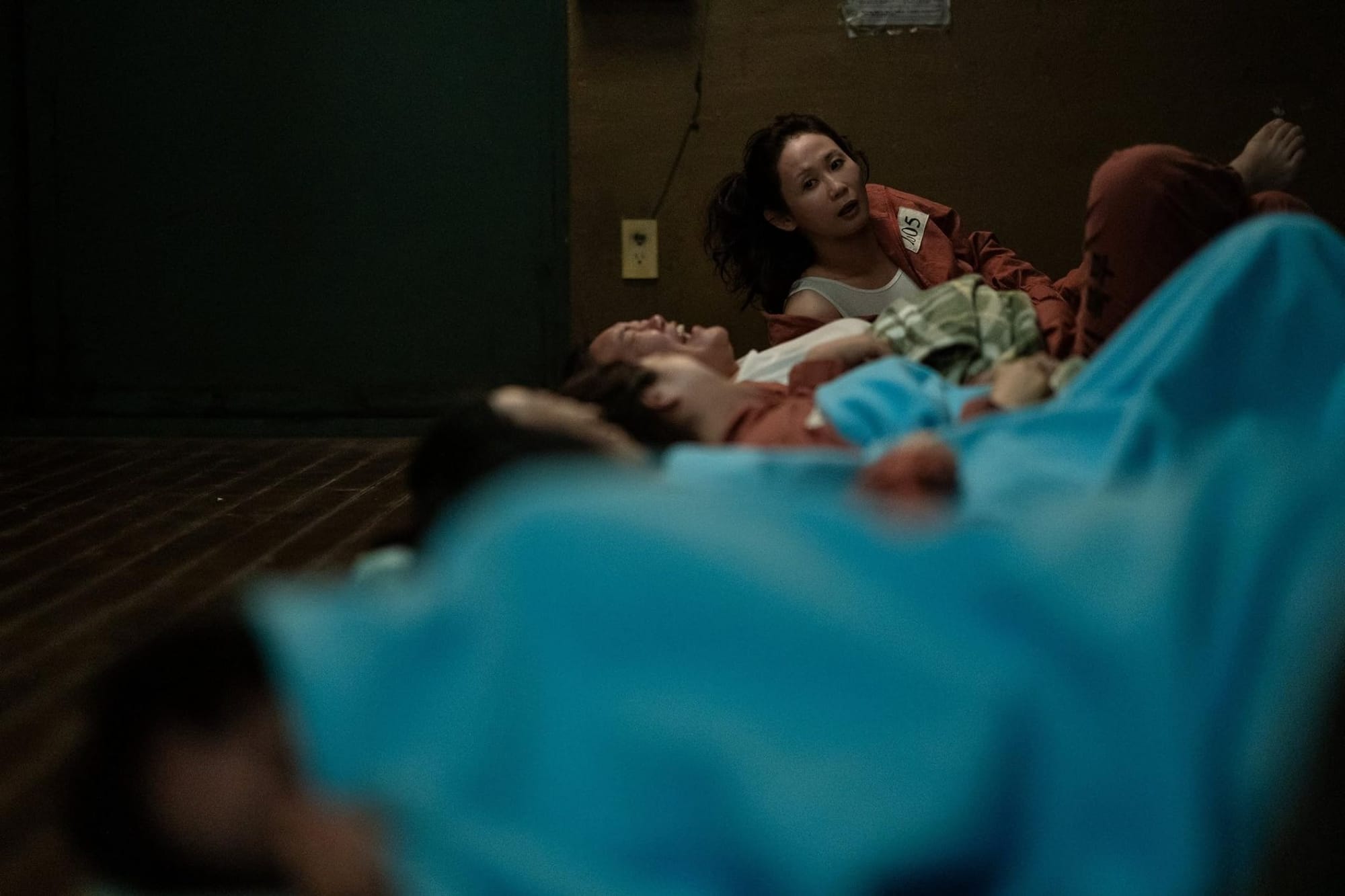
Understanding these real-life facts allows audiences to summarize that the "confession" referenced in the series’ title is not alluding to an admission of the character’s guilt but to the admission of a rigged game played by a patriarchal justice system. Here then, Yun-su’s quiet resilience and Mo-eun’s explosive rebellion illustrate that collective female resistance is an absolutely necessary response to inequality.
Ultimately, the show transforms the noir/crime genre into an allegory for the female experience under patriarchy. It suggests that when the institutions of justice fail to protect women, they must protect each other—at any cost. The Price of Confession is a brutal reminder that while the law may be written and acted out by men, survival is an art form perfected by women.
Watch the trailer for The Price of Confession on Netflix or read more about its production here.