
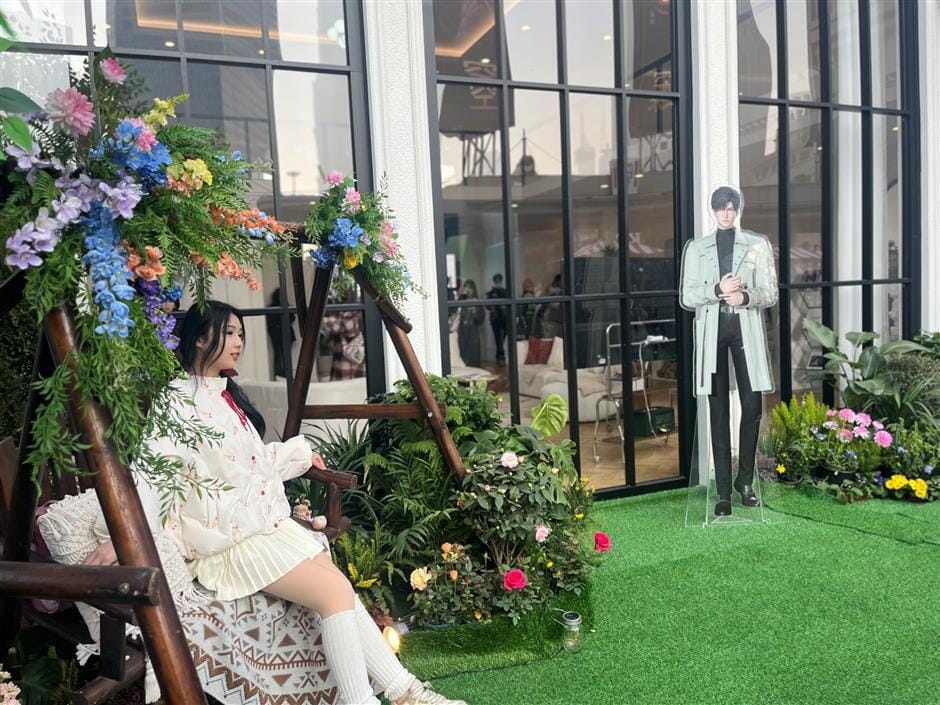
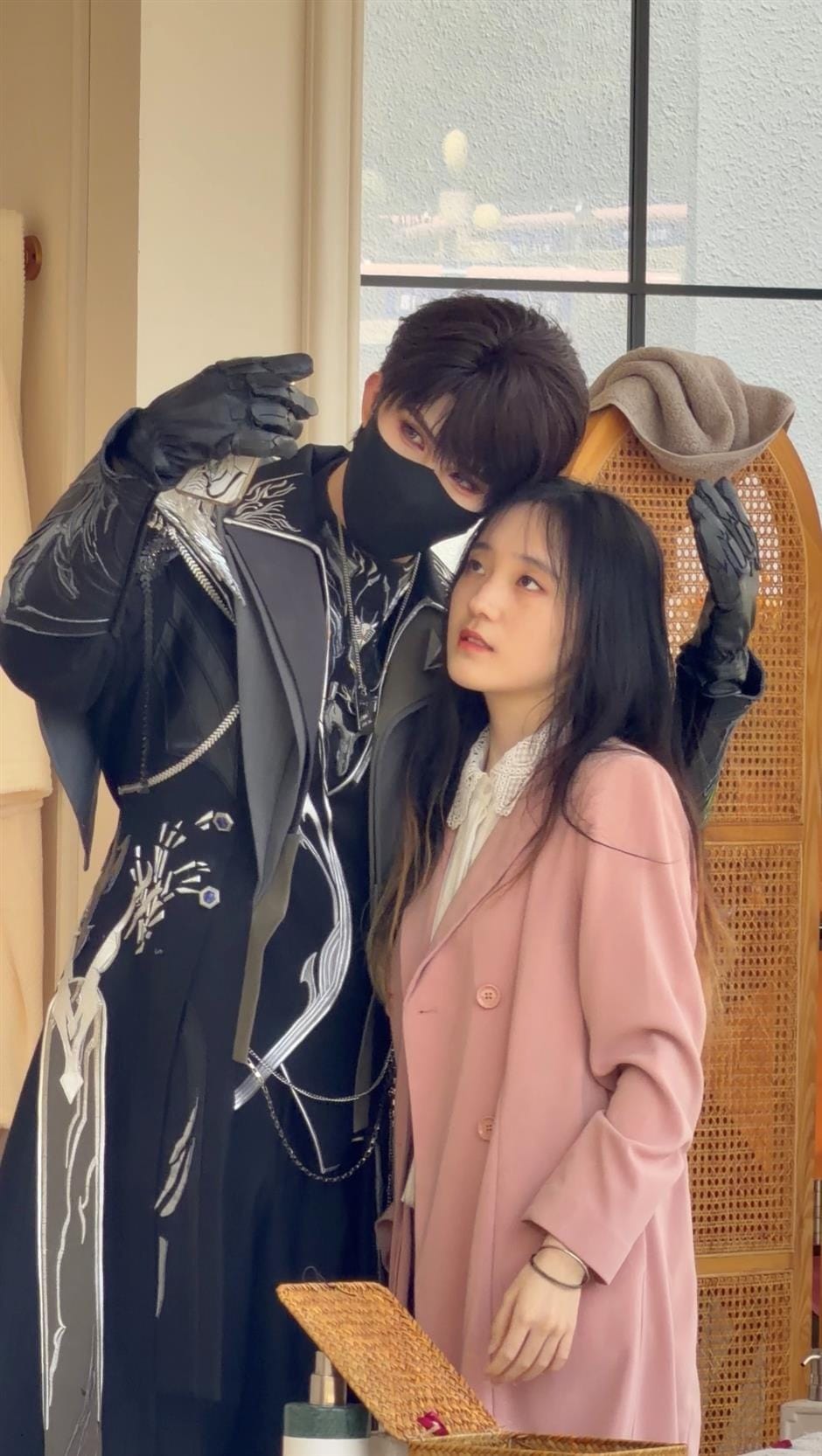
In January 2026, the skyline of Shanghai shifted emotionally to celebrate the second anniversary of the global dating simulation Love and Deepspace (LADS). The game materialized into the physical world as they hosted a 1:1 scale of the in-game home feature, a "Sky Villa" built at the Oriental Pearl TV Tower in Pudong. Thousands of women queued for hours to interact with official cosplayers of the game’s characters in the villa. To celebrate the game that won the 2025 Best Mobile Game at Gamescom and mark the rise of a gaming frontier where women’s emotional autonomy is also considered valuable currency. This is why the game is aligned with the United Nations Sustainable Development Goal of Gender Equality.
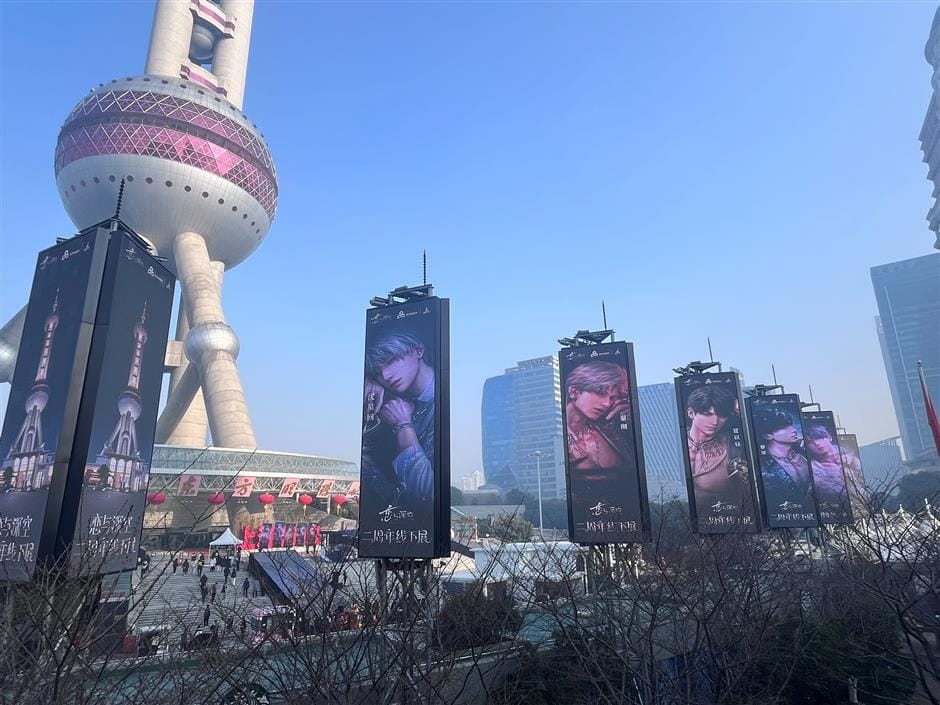
The exhibition itself helped show the general public the game's immersive power by recreating the personal home that each player acquires. Where then the game’s five male leads—Sylus, Xavier, Zayne, Rafayel, and Caleb—can visit and interact with players both in-game and in real life during the event. It was a five-day-long exhibition where the games’ women majority developer, Infold, transformed the virtual "safe haven" into a tangible reality. Here, the female gaze becomes the norm in a gaming industry historically dominated by male fantasies, carving out a massive market (surpassing 80 million users) by prioritizing what women desire most in relationships: emotional depth, respect, and agency.
This success is a cornerstone of the burgeoning "She-Economy.” Love and Deepspace proves that women-led games are not a niche market but a dominant economic force. Brands from luxury fashion to bubble tea are scrambling to collaborate with them, recognizing women’s buying power for a product that has been designed to put their needs and wants first. In fact, this has created a "fantasy date" trend—where players engage in paid, non-sexual, romantic roleplay or complex digital interactions—generating significant economic activity while challenging the traditional patriarchal view that women-centered entertainment is frivolous.
Without a doubt, the game’s impact also runs deeper than proving that women’s-centered entertainment is profitable. It offers a blueprint for women's empowerment that redefines the dynamics of heterosexual relationships. In many modern societies, traditional dating often carries heavy social, economic, and familial strings. Women are frequently expected to perform emotional labor, manage egos, or settle for "good enough" partnerships. LADS disrupts this by offering a space for total women agency. Here, players control the pace, the tone, and the depth of the interactions. The 3D dating “memories” are designed to foster intimacy on the user's terms, leading by showing what a healthy relationship can and should look like.

Though critics often dismiss these cloud lovers as escapism, many players have stated that it has become a form of empowerment for them. The in-game relationships offer unwavering support, emotional availability, and mutual respect in the digital realm, holding space for women to demand the same in the physical world. The game functions as a training ground for their self-worth and identities; they are effectively raising their standards for emotional labour and companionship in real life.
Because of this, the "Sky Villa" in Pudong has become a monument to a new era of self-identification for women in heterosexual relationships. Love and Deepspace demonstrates that when women are given the tools to curate their own emotional landscapes, they build worlds that are vast, profitable, and profoundly liberating. It celebrates that the future of romance isn't just about finding a partner but about falling in love with and finding oneself.
Discover the phenomenon that is reshaping the "She-Economy" by visiting the official Love and Deepspace website, their Instagram @loveanddeepspace, or reading coverage of the anniversary event via City News Service and CNA Lifestyle.