
Tove Jansson's beloved Moomins is an often overlooked insight into today’s global landscape of war, conflict, and displacement. Born from Jansson's own experiences during World War II, the Moomin stories, especially those that featured great calamities such as The Moomins and the Great Flood, serve as powerful allegories for people’s resistance—for finding home, safety, and community—amidst catastrophe. The Moomin characters champion tolerance, empathy, and mutual support, presenting a gentle yet vivid vision of what peaceful coexistence can look like.
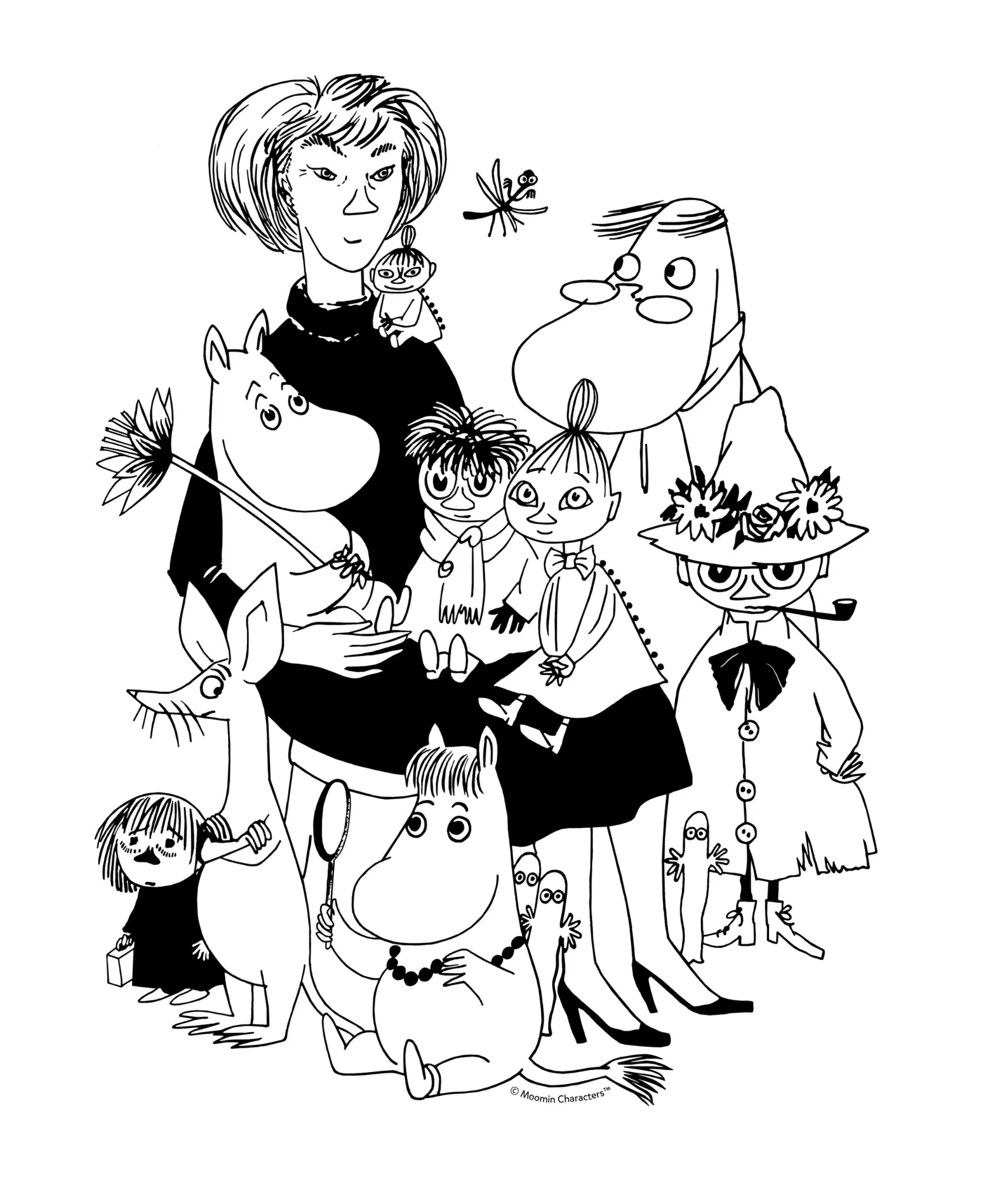
Jansson builds this world by creating an environment where characters (whether animal, plant, or human) can find a sense of belonging in the valley. She emphasizes the inherent dignity of all beings, regardless of their differences. This is why the Moomin philosophy offers a compelling narrative that inspires readers to cultivate more inclusive and resilient societies in today’s challenging times, and why it is ultimately aligned with the United Nations Sustainable Development Goal of Peace, Justice, and Strong Institutions.
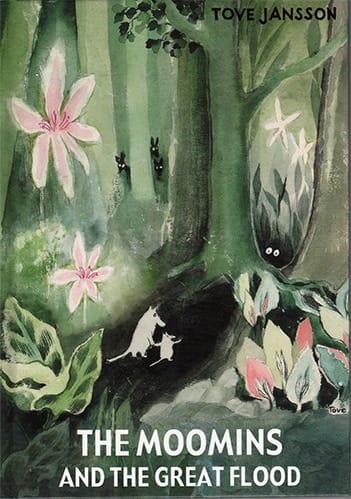
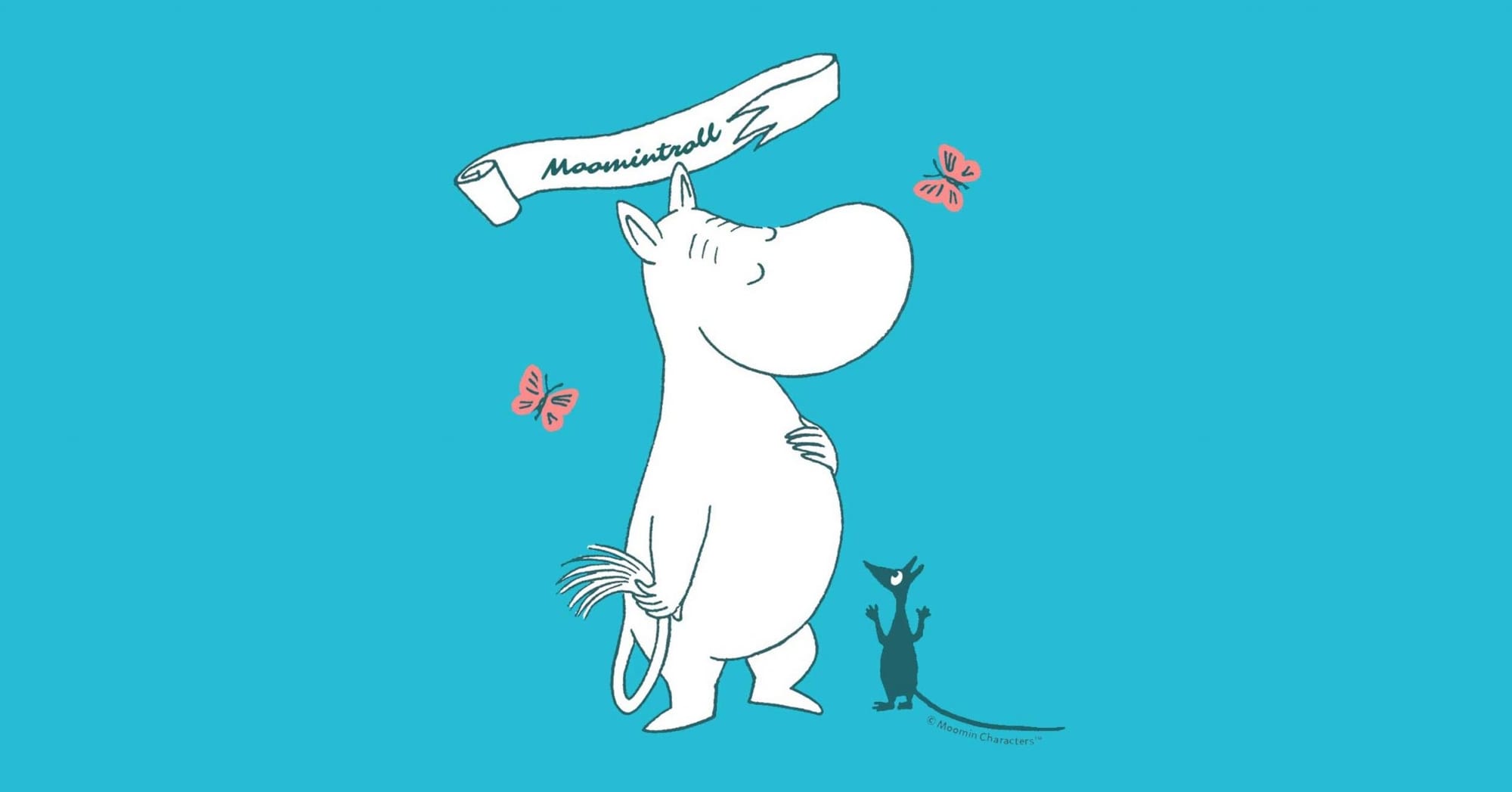
Despite being an early version of the now popular Moomins series, Jansson’s first Moomins book, The Moomins and the Great Flood, had set the tone for its philosophy. The novella follows the story of Moomintroll and his mother, Moominmamma, who had set out to find the family’s father, Moominpappa, after they were separated by a big flood. Researcher Boel Westin, who also wrote Jansson’s biography, outlined three major Moomin philosophies that this first book cemented. The first being “A proper purse is essential for survival.” In the story, Moominmamma’s purse becomes a recurring gag, a place where anything and everything one might need can be found. This first book helped to cement this by showing how Moominmamma had packed everything from chocolate to aspirin and even a corkscrew, which came in handy during different critical moments in the story. This is echoing a call for people to set up their own emergency kits to help them to survive for a few days after a calamity.
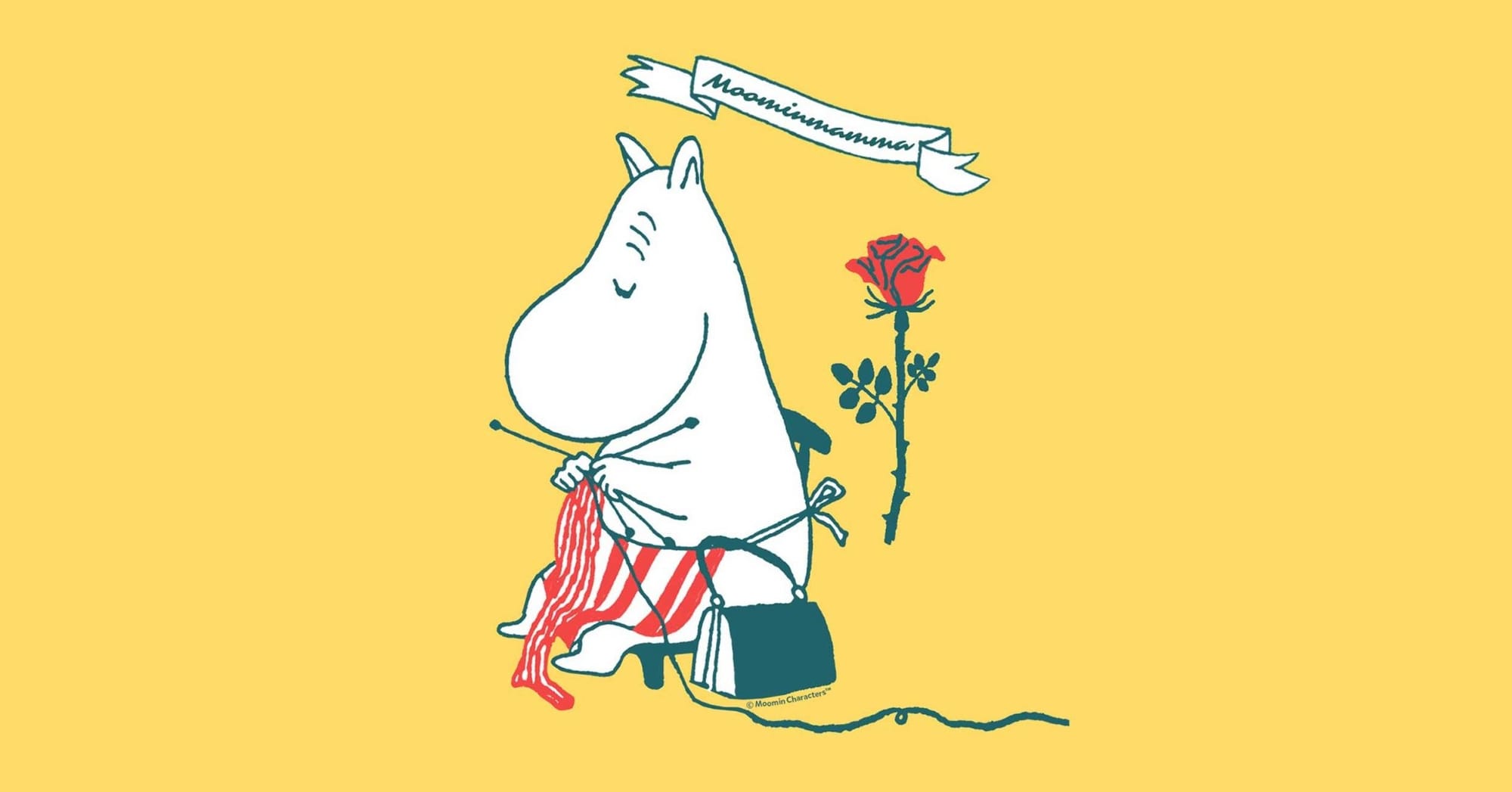
The second and third philosophies relate to the Moomins’ relations with other characters: “Family is a flexible concept” and “Do good, be brave.” In The Moomins and the Great Flood, as well as its consecutive books and animated series, the Moomins continue to stretch their definition of “family,” allowing characters big and small to stay together under their roof. They would even buy larger dining tables and add an extra room to their house in order to allow these characters to stay with them. The last philosophy, “Do good, be brave,” ties everything together. Whether it’s for themselves or for others around them, the Moomins frequently show one another the importance of being brave and standing up for justice, kindness, and equity.
In today’s world marred by conflict and displacement, Tove Jansson’s Moominvalley is a timeless sanctuary—not as an escape from reality, but as a blueprint for navigating it with grace and kindness. Born from the anxieties of war, the Moomins teach audiences that resilience is not about building higher walls, but longer tables; that courage is found not in grand gestures, but in small acts of kindness; and that true safety lies not in isolation, but in community. Jansson’s stories, with their gentle insistence on empathy, flexibility, and preparedness, offer more than comfort—but a radical, practical philosophy for peace. In the Moomins’ unwavering commitment to “Do good, be brave,” we find a guiding light for our own tumultuous times: a reminder that even in the flood, there is always room for one more at the hearth.
Find out more about the Moomins and their initiatives on their website www.moomin.com or Instagram, @moominofficial.