
In the cool, terraced hills of Pakudui, Bali, the air is thick with the scent of raw wood and the rhythmic tap-tap-tap of mallets against chisels. It is here that I Made Ada, a maestro of Balinese woodcarving, has spent over half a century transforming timber into mythology. While he is globally celebrated for his intricate sculptures of the Garuda—the mythical Hindu bird-creature symbolizing protection and loyalty—Ada’s true masterpieces are not his sculptures, but in the legacy he seeks to preserve.
He initiates daily woodcarving classes and establishes his own house museum, elevating the status of the village artisan and democratizing the ancient knowledge of undagi (Balinese traditional craftsmanship). This is how he is actively dismantling the barriers between "high art" and "folk craft," directly addressing the United Nations Sustainable Development Goal of Reduced Inequalities.
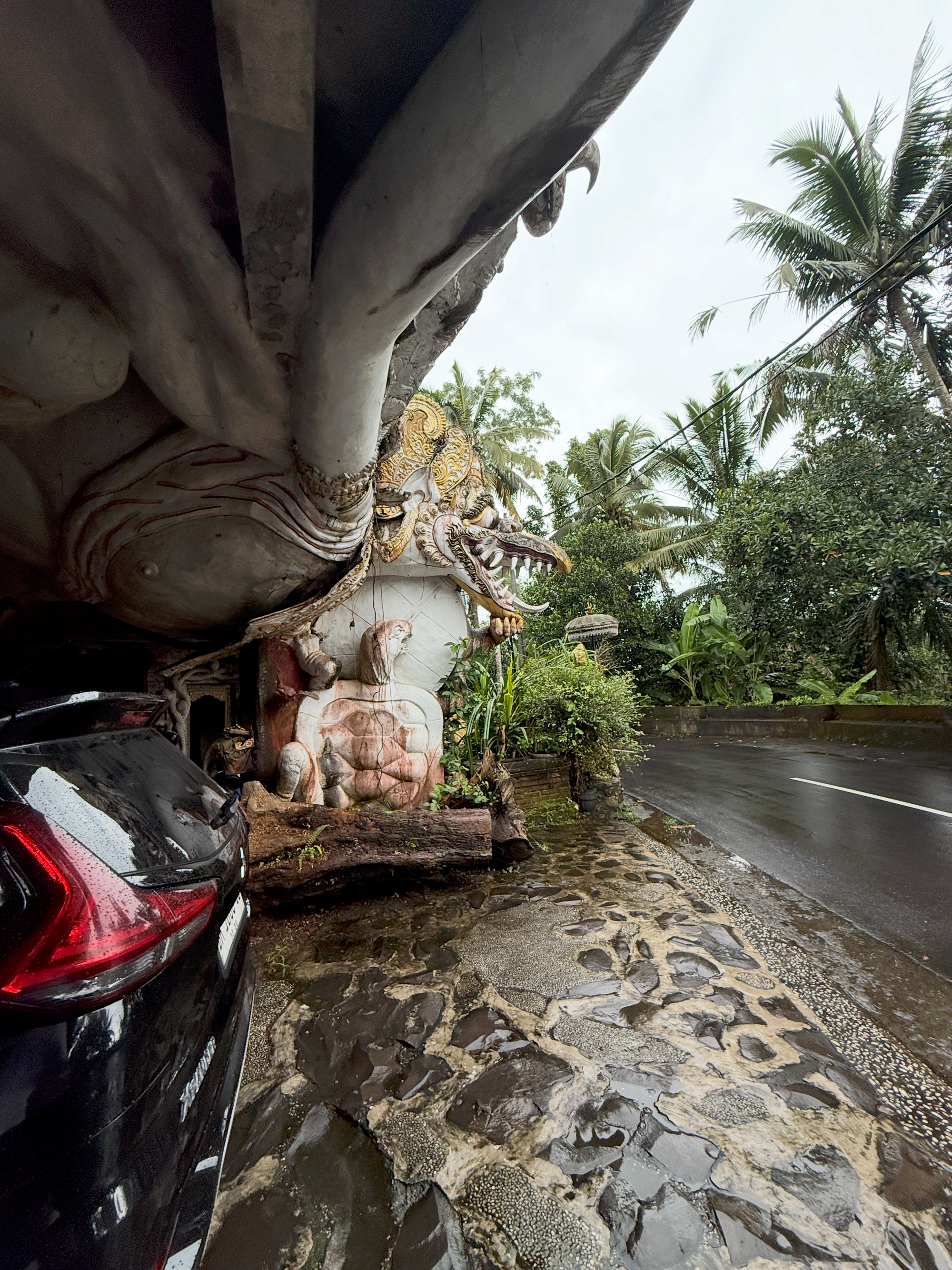
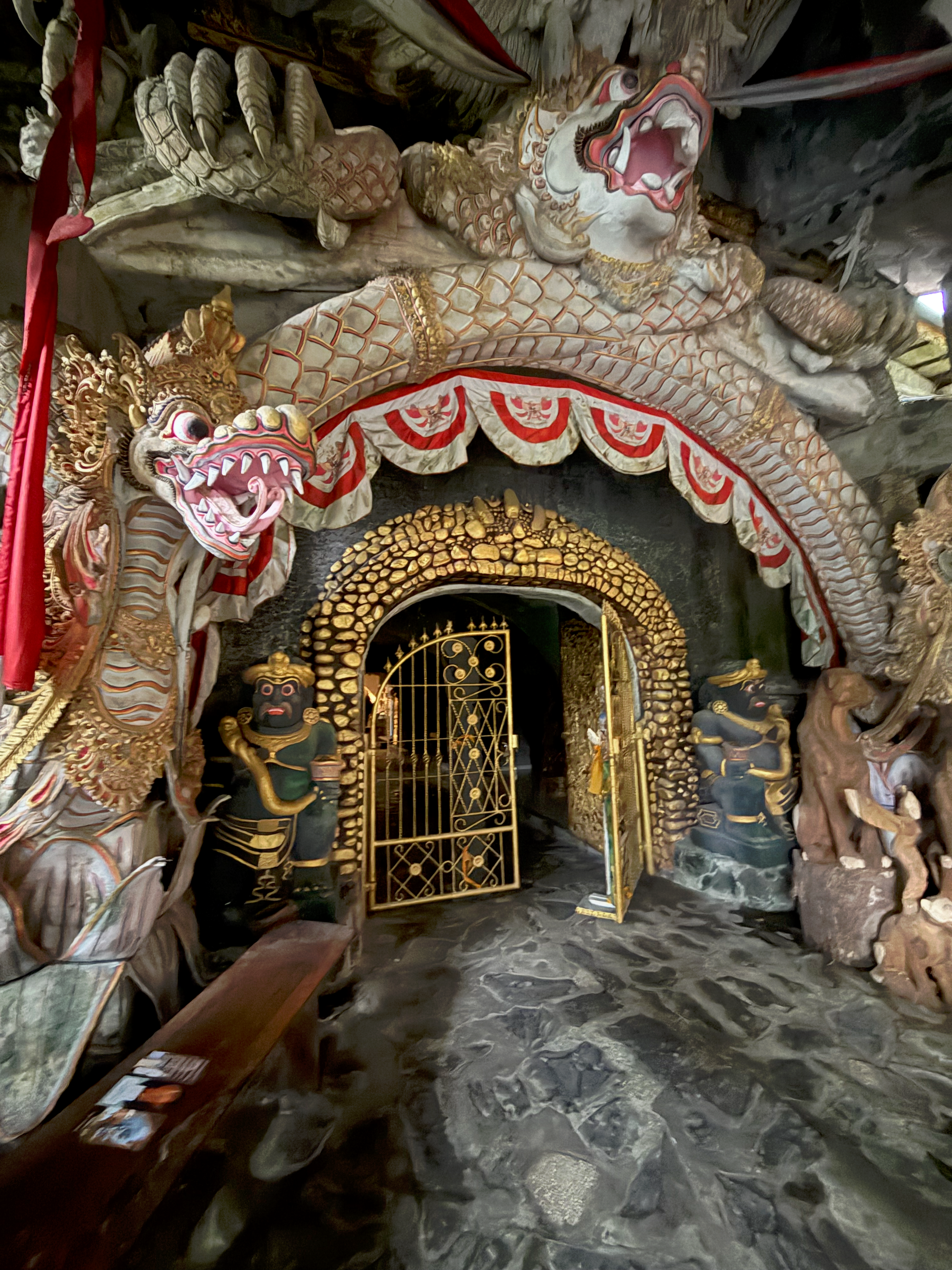
Facade of the I Made Ada Gallery in the shape of a Garuda. Image courtesy of I Made Ada Gallery and the writer.
The global art market tends to marginalize traditional crafts, especially if they come from the Global South and are relegated to the status of a souvenir. I Made Ada refuses to accept this hierarchy. His Garudas, characterized by their explosive dynamism and intricate detail, have demanded space in presidential palaces and international collections. By achieving this level of recognition, Ada has secured "cultural capital" for his community, proving that the work of a Balinese undagi holds equal weight to that of a Western sculptor.
However, Ada’s commitment to equality goes beyond his own fame. He recognizes that for the artisan class to survive in a rapidly modernizing Indonesia, knowledge must be shared, not hoarded. In response to the eroding interest in traditional arts among the youth, Ada transformed his workshop into a school. He teaches the rigorous discipline of carving to local children, ensuring that the economic potential of the craft remains within the village. This protects the socio-economic status of the community, preventing the displacement that often occurs when tourism gentrifies a region.
Furthermore, Ada opened his doors to international tourists, not just as buyers, but as students. By allowing visitors to pick up a chisel and experience the difficulty of the craft, he fosters a more profound sense of respect for the labour involved. This educational exchange breaks down the inequality between the "consumer" and the "creator," turning this transaction into a longer and more mindful dialogue.
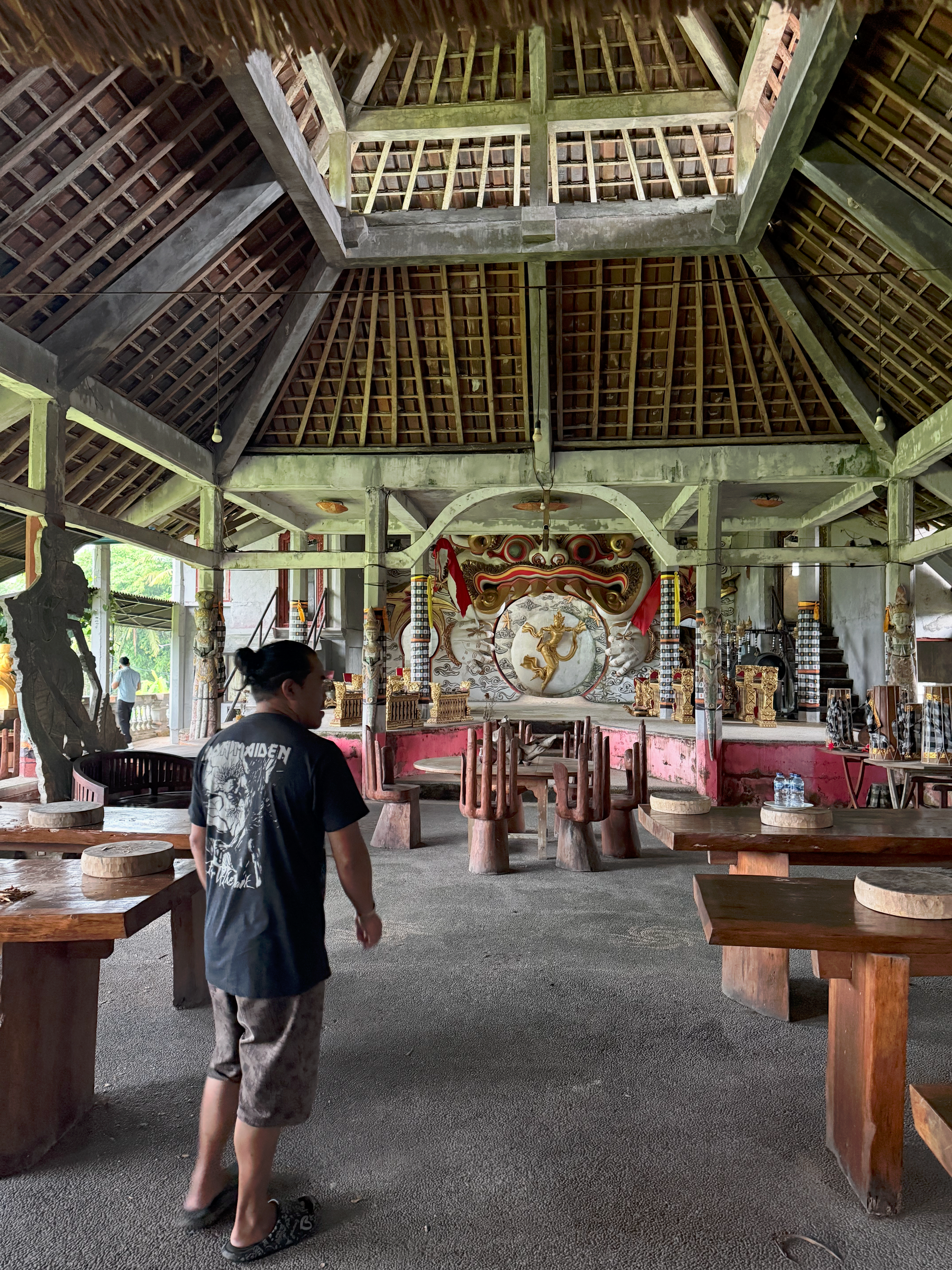
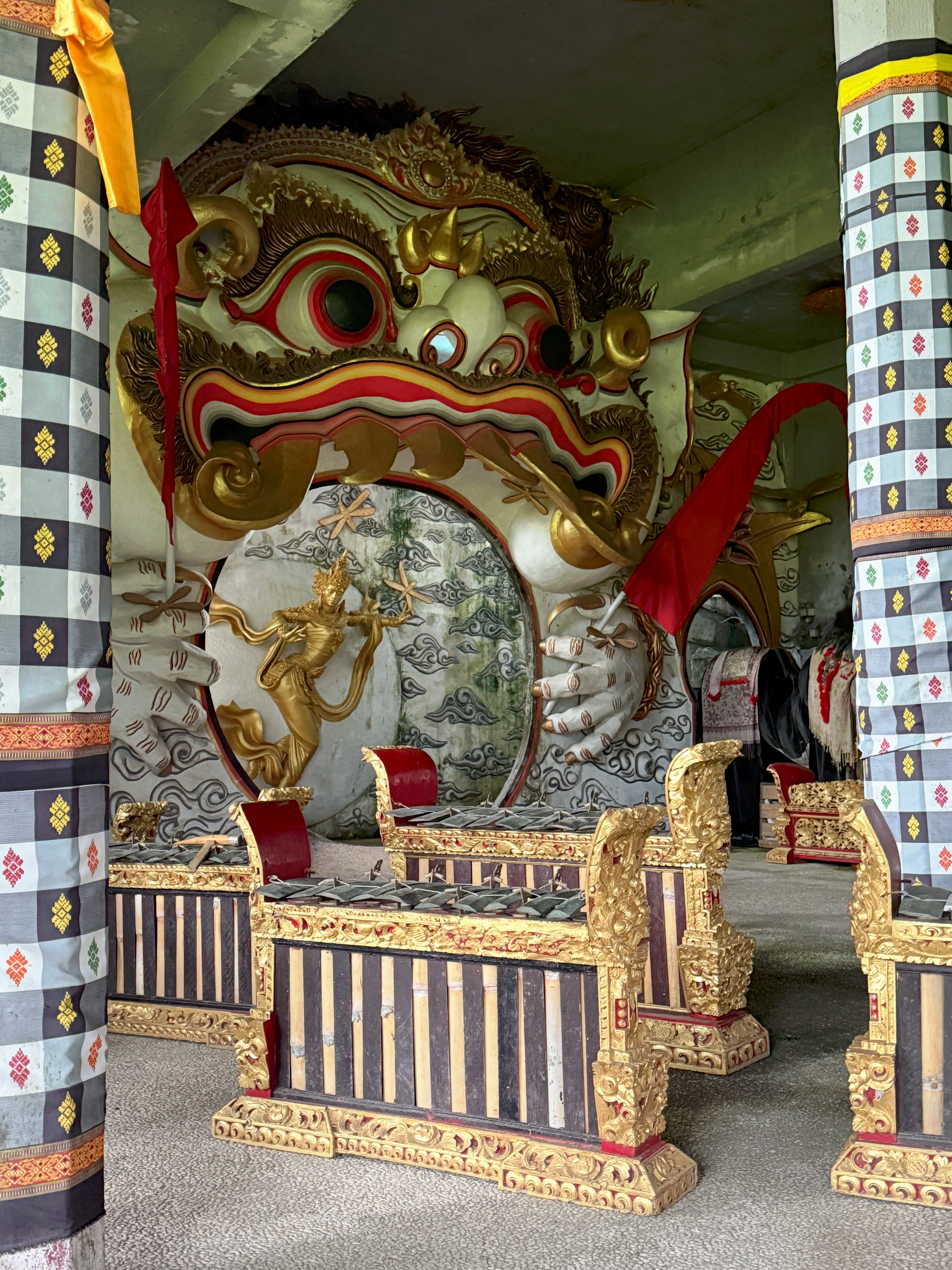
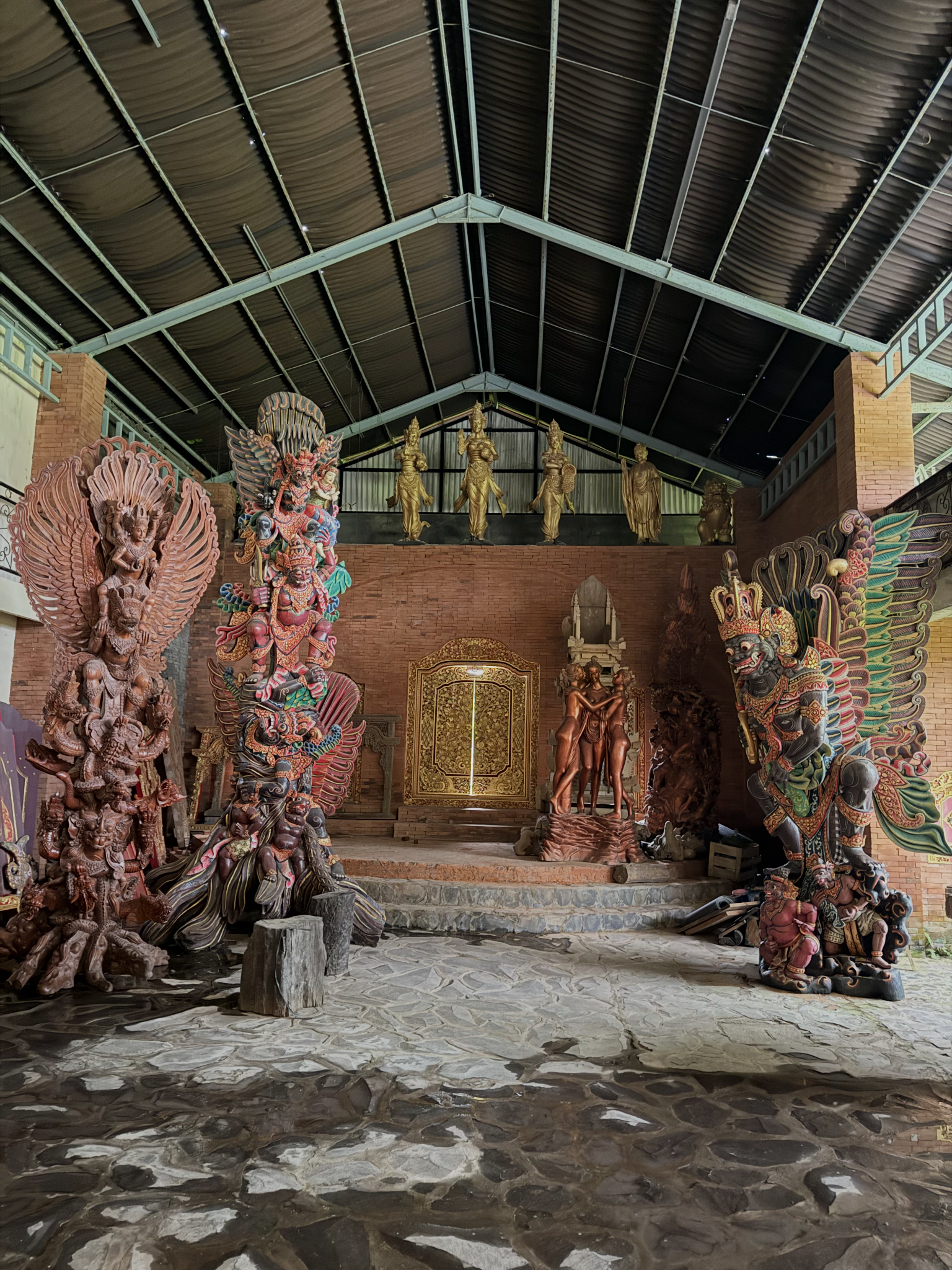
Inside the I Made Ada Gallery, stage and workshop space. Image courtesy of I Made Ada Gallery and the writer.
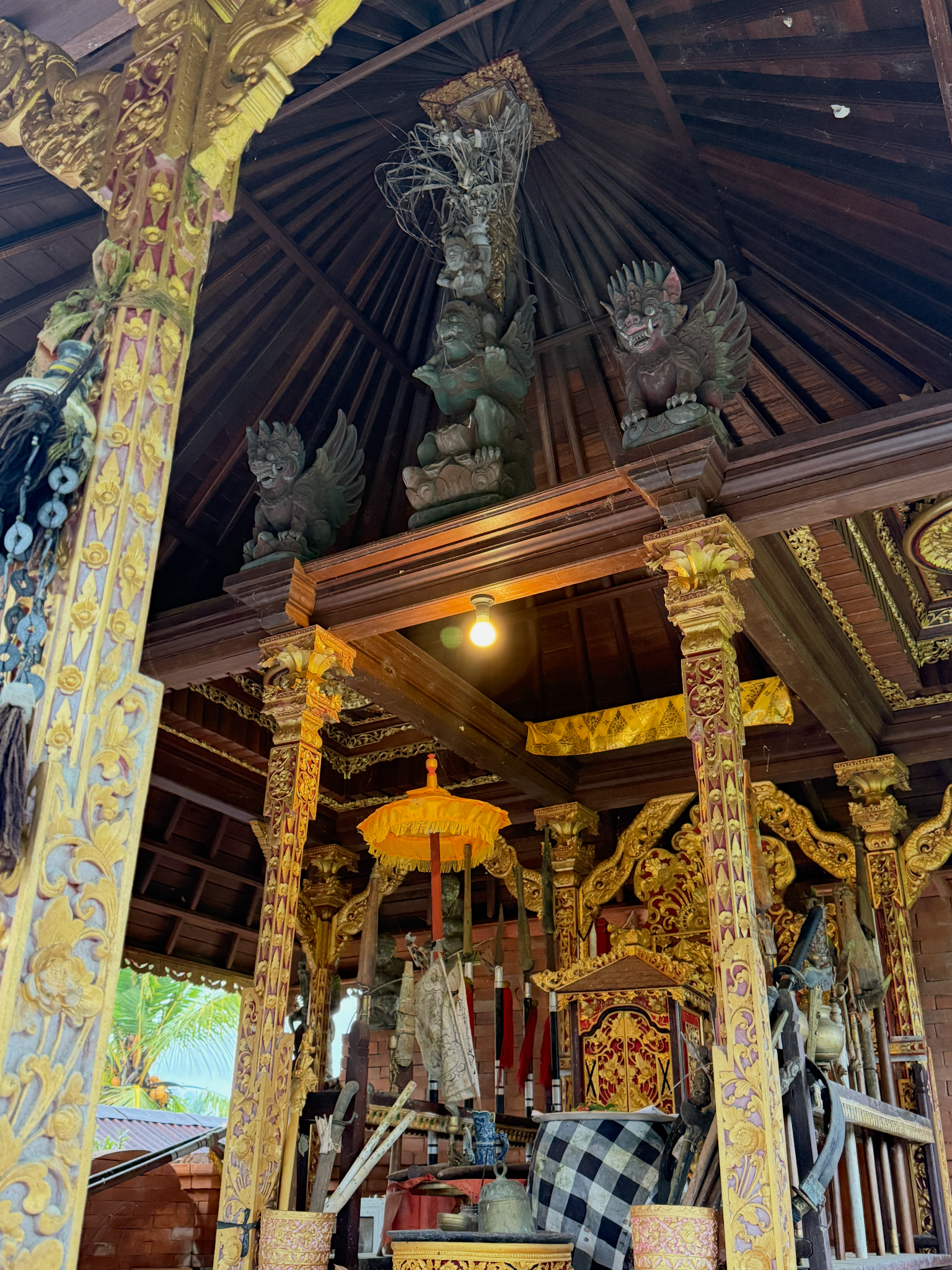
The establishment of the Made Ada Museum in his home/studio space further serves as the anchor of this vision. It is a sanctuary where the history of Pakudui’s carving style is preserved, ensuring that future generations have a reference point for their identity. In doing so, Ada ensures that Balinese culture is not just a backdrop for tourism, but a living, breathing economy owned by the people who have shaped it.
I Made Ada’s life's work reminds us that reducing inequalities is not just about wealth redistribution; it is about dignity. It is about ensuring that a carver in a small village has the same voice, the same respect, and the same future as an artist in a metropolitan gallery. Through the wings of his Garudas, Ada lifts his entire community, proving that tradition is the most powerful tool for a resilient and equal future.
Discover more about the maestro and his museum in Pakudui, Bali, or explore his legacy through his Instagram @adagaruda or recent features in Kumparan and Antara News.