
What happens when the profound spiritual weight of Bali intersects with the intellectual and experimental rigour of artworks coming out of Yogyakarta? This dynamic cultural synthesis is the beating heart of Tirta: Ambang Alir, a landmark group exhibition featuring twenty-two artists from Sanggar Dewata Indonesia (SDI). Hosted at the Semarang Gallery and curated by Asmudjo J. Irianto, the showcase explores the fluid identities of Balinese artists living and working in Yogyakarta.
It employs the concept of "Tirta" (Hinduism’s word for Holy Water) as its central motif to navigate the metaphorical "threshold of flow"—the constant state of transition, adaptation and hybridity experienced by contemporary Balinese artists living, studying and practicing outside of their home island. These are artists who are away from home, yet are still deeply connected to the way it is deeply entrenched in local culture, while rapidly changing as Indonesia’s #1 tourism destination that faces everything from overtourism to climate change. This is why the exhibition is aligned with the United Nations Sustainable Development Goals of Clean Water and Sanitation, Responsible Consumption and Production and Reduced Inequalities.
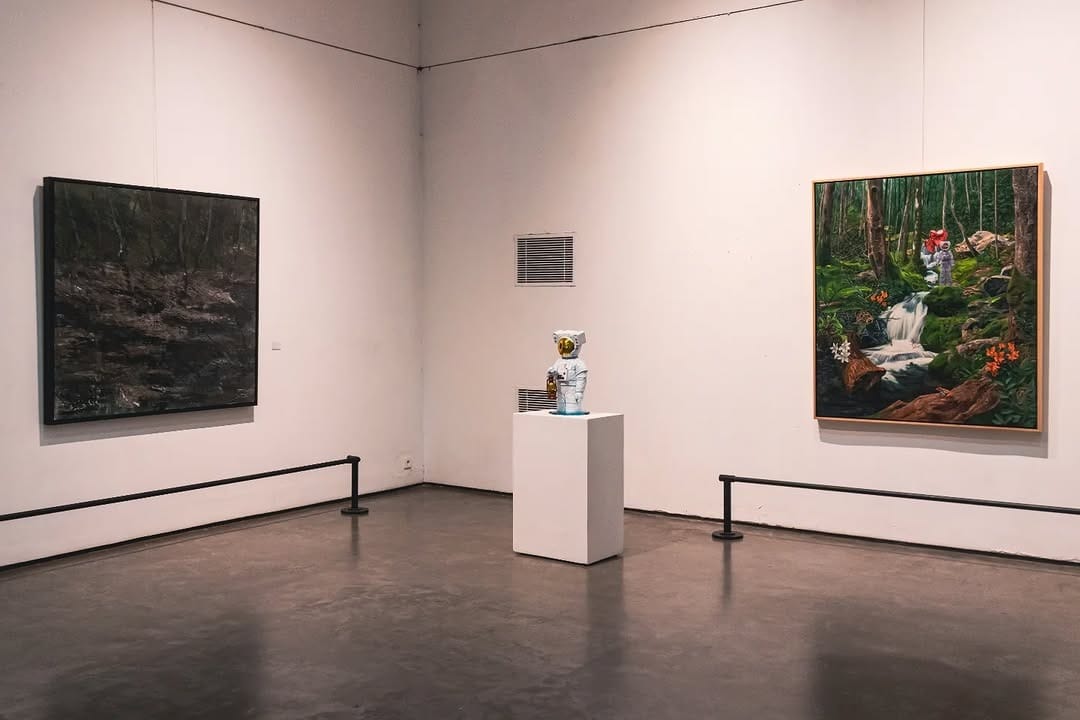
To understand the gravity of the exhibition, one must first recognize the dual meaning of its title. In Balinese Hindu philosophy, "Tirta," though it can be directly translated as water, holds further meaning that defies its physical element. According to a study published on the Indonesian Multidisciplinary Research Journal Platform (JPIM), Tirta is a sacred element fundamentally essential to spiritual life, functioning to cleanse negative energies and serving as a vital bridge connecting the human realm with the divine. In the context of the exhibition, Ambang Alir (which translates to the "threshold of flow"), the curators and artists then try to understand how this traditional definition can be applied to today’s contemporary times.
Tirta then becomes a powerful metaphor for fluidity, memory and the continuous movement of Balinese culture. This is seen in how water cannot be rigidly contained, but adapts to its vessel, much like the artists of SDI adapting to their new city, which also has its own strong cultural and artistic way of life. According to curator Asmudjo J. Irianto’s essays in the official exhibition catalogue, the artists of Sanggar Dewata Indonesia operate within a fascinating paradigm, where although they reside and create in Yogyakarta, they have established a tangible close "cosmological distance" with their ancestral home.
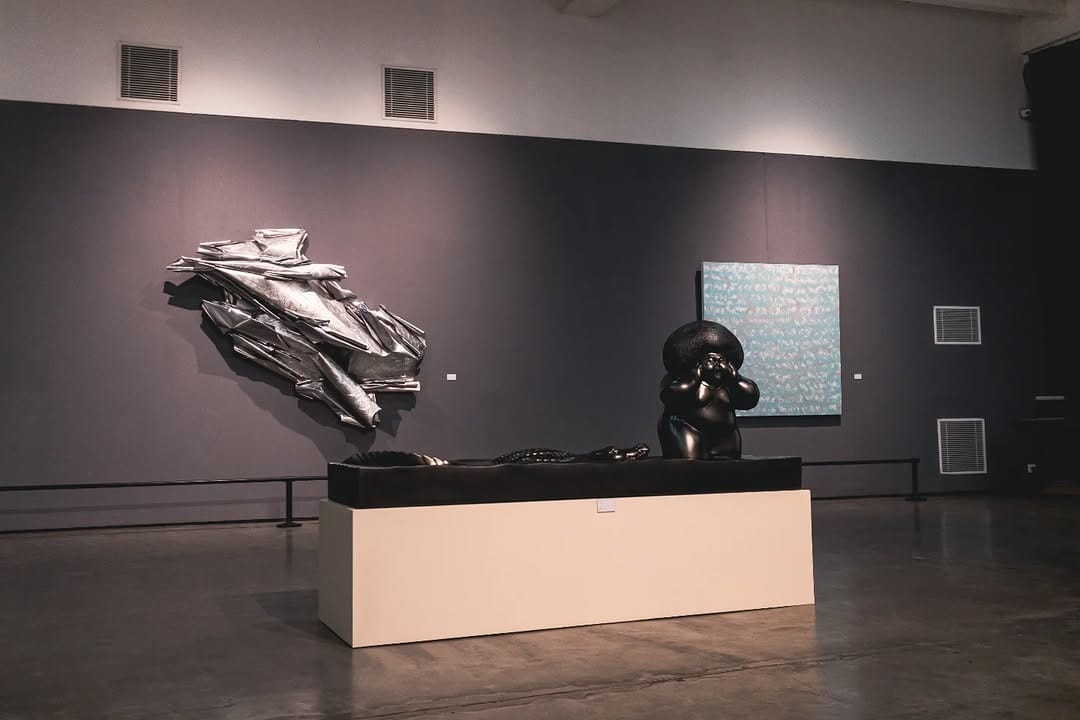
Yogyakarta has long been the epicentre of Indonesia’s contemporary art education and critical discourse. For the Balinese diaspora, the city acts as a cultural melting pot where their deeply rooted cosmological traditions are challenged, deconstructed and reimagined. This ongoing negotiation at the threshold of two distinct cultural landscapes is what gives their art its unique, hybrid vitality.
The SDI artists elevate the concept of water to a philosophical blueprint for urban cultural survival. By maintaining their cultural identity while actively participating in Yogyakarta’s pluralistic environment, they prove that heritage is not a static relic. Rather, it is a dynamic force that contributes to the inclusive and vibrant growth of modern cities, fostering intercultural dialogue and sustainable cultural ecosystems.
The artworks presented perfectly encapsulate this delicate balance between ancient tradition and contemporary innovation. Sastra Wibawa, for instance, presents works that demand quiet, sustained contemplation. As explored in the curatorial notes from his recent solo exhibition, ...Nothing remained unchanged but the clouds, his pieces reflect a rhythmic, almost ritualistic repetition that echoes the cyclical nature of Balinese spirituality, yet they are executed with a highly contemporary, abstract sensibility. His approach captures the essence of standing at the threshold—anchored in historical memory but flowing freely into modern interpretation.
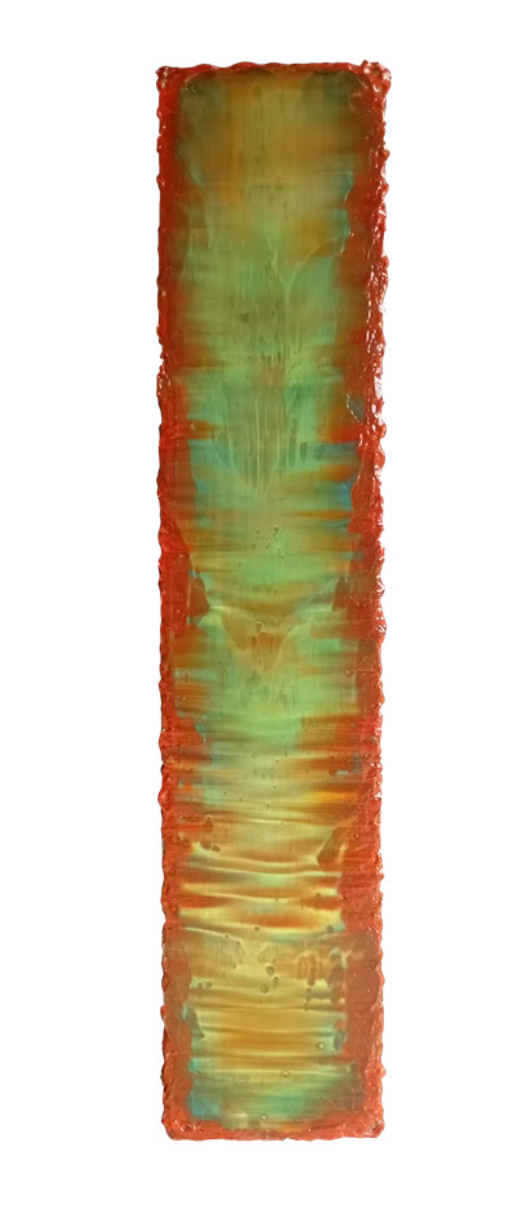
Equally compelling is the work of Tifani Anggun, whose innovative use of materials redefines the meditative process of creation. Anggun utilizes liquid latex, building her compositions through a painstaking process of layering. Because each layer of latex takes approximately a day to cure before the next can be applied, the creation of a single piece is a slow, deliberate journey. The resulting artworks are mesmerizing studies in colour, texture and transparency. For Anggun, this time-consuming method is a deeply meditative ritual that mirrors the daily, patient devotion seen in traditional Balinese life, manifested through unconventional, industrial materials.
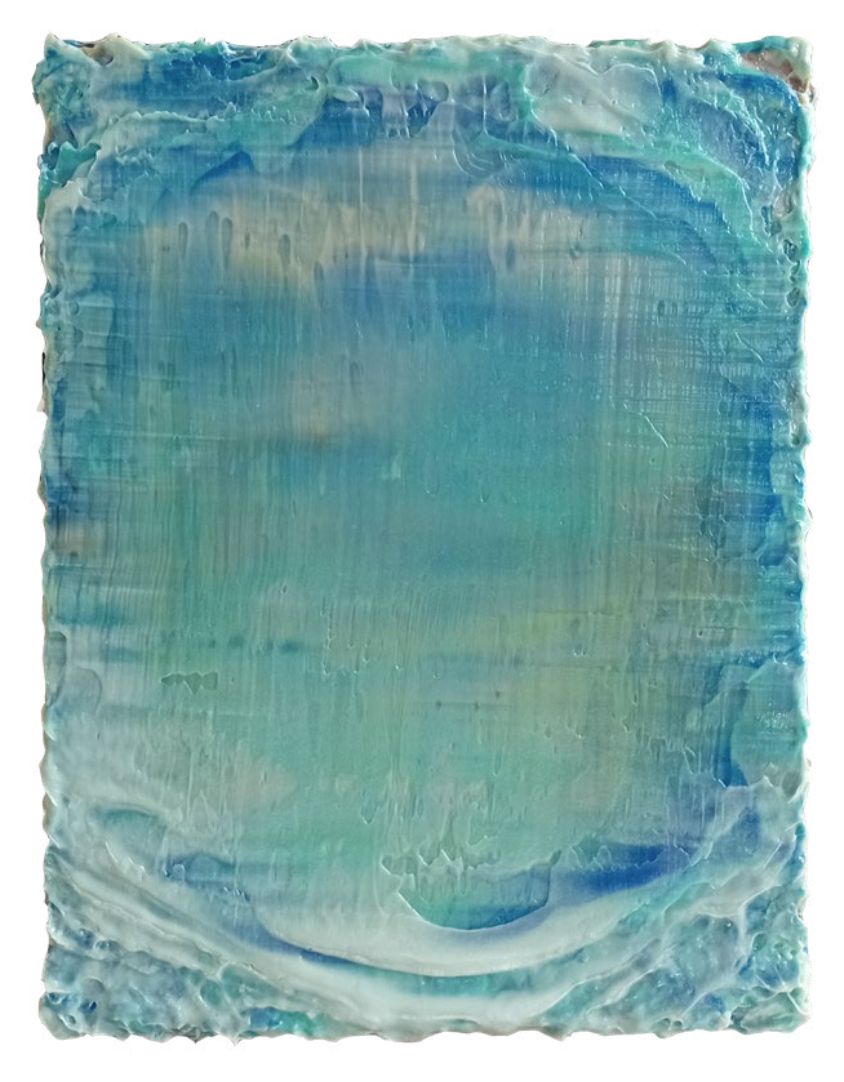
Ultimately, Tirta: Ambang Alir is a statement on the resilience and adaptability of cultural identity. Through the medium and metaphor of water, the artists of Sanggar Dewata Indonesia navigate the complexities of modern ecology, memory, and existence. They demonstrate that while they may have flowed away from the geographic center of their heritage, the spiritual essence of that heritage remains untethered by physical borders. In doing so, they offer a compelling blueprint for how diaspora communities can enrich the sustainable, creative life of modern cities—proving that true culture, like water, always finds a way to flow forward.
Find out more about Tirta: Ambang Alir by checking the Sanggar Dewata Indonesia (SDI) Instagram @sanggardewataindonesia or the Semarang Art Gallery website www.semaranggallery.com and Instagram @semarang_gallery.