
For centuries, human beings have sought a deep, almost visceral connection with the ground beneath their feet. As explored in The Metropolitan Museum of Art’s podcast Immaterial, 17th-century European aristocrats were so enamoured by the sensory allure of Mexican Tonalá clay that they literally consumed it, hoping to ingest its perceived health benefits and the essence of a distant land. Today, Indonesian ceramic artist and researcher Tisa Granicia offers a radically different, deeply sustainable approach to people’s relationship with the earth. Rather than consuming the land, she embeds the remnants of human consumption and lives back into it. This is why her work is relevant to the United Nations Sustainable Development Goals of Responsible Consumption and Production and Quality Education.
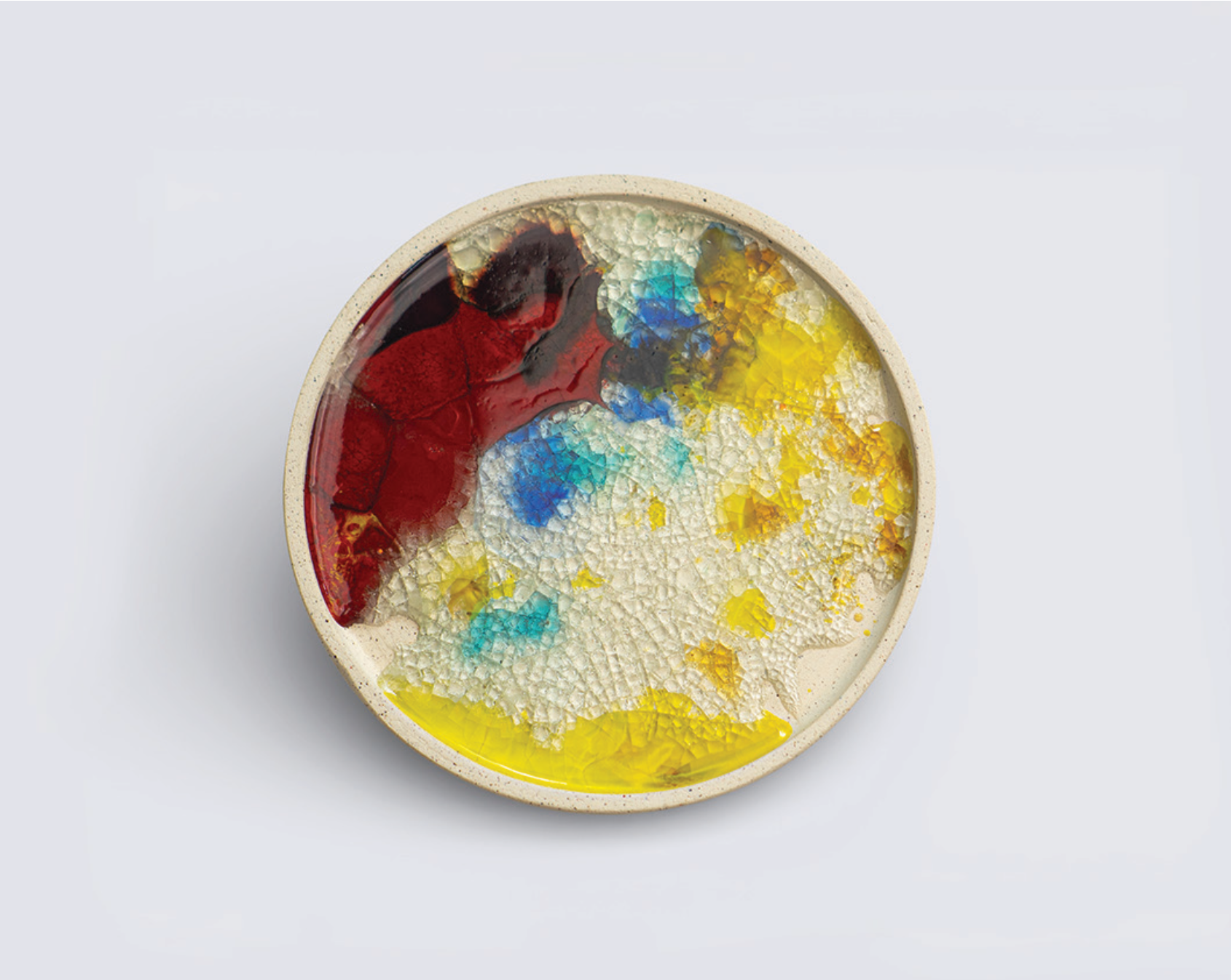
In her solo exhibition, Geological Living: Quiet Confidence at Dalam Seniman Ubud, Granicia proves that clay is a "mnemonic earth archive.” Heavily influenced by her late father’s career as a geologist, Granicia’s practice bridges the intimate, fleeting nature of human experience with the planet's vast, deep sense of time. Her methodology centers on the concept of material memory, where instead of relying solely on freshly mined resources, she gathers domestic residues—dust, ash, discarded animal bones and eggshells—to incorporate directly into her ceramic bodies.
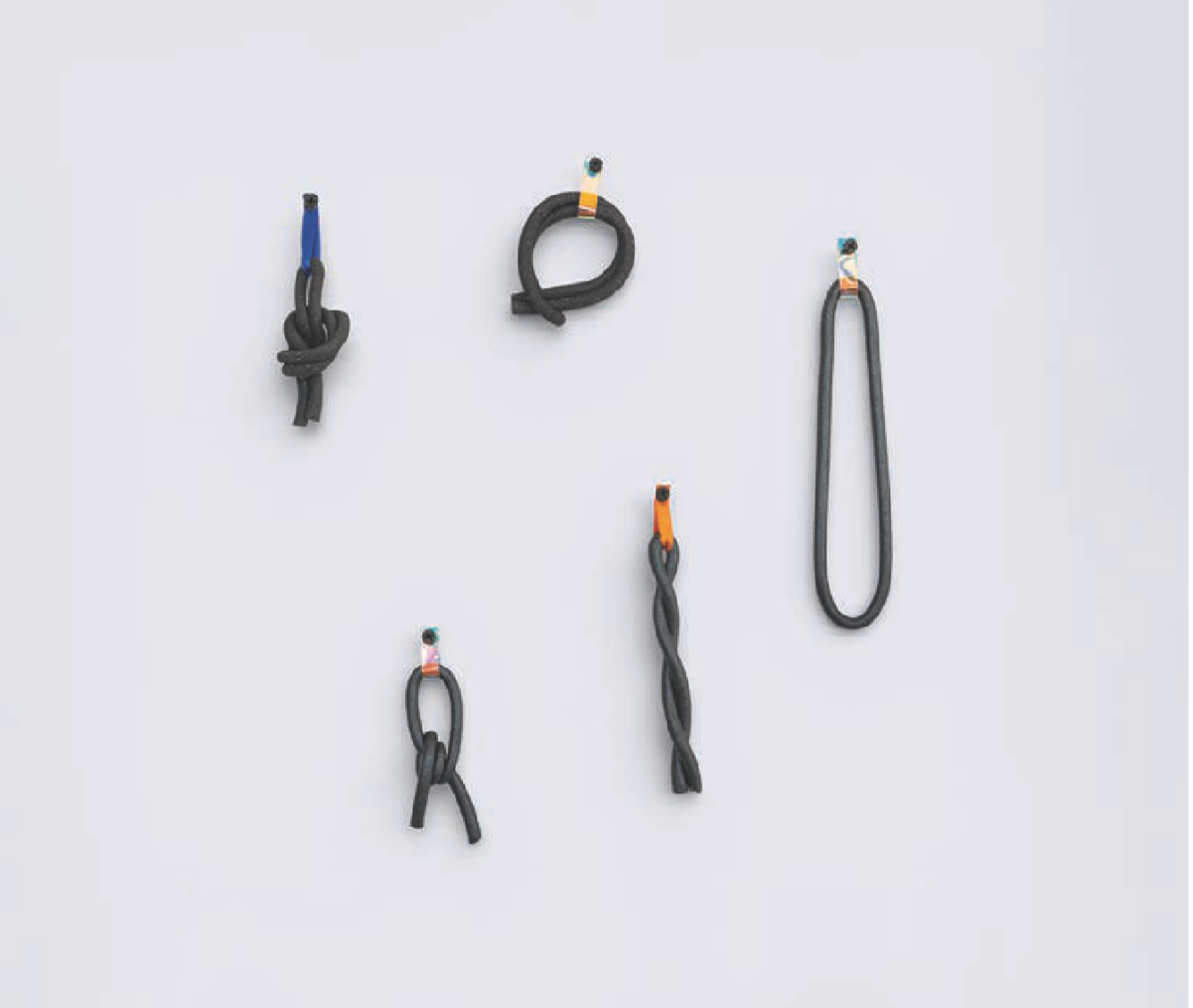
This rigorous, research-based process serves as a powerful call to her audiences to be more mindful of the waste they produce, especially as today’s world has come to be defined by the quick satisfaction of consumption. As written by fellow ceramic artist Sekarputi Sidhiawati who also experiments with her materials of choice (clay and glaze), Granicia treats household waste as a "found mineral." When fired in the kiln, these fragile, ephemeral fragments of daily life transform, fusing with her clay to become permanent geological records. Her ceramics ask audiences to confront the lasting material traces they leave behind, transforming domestic waste into a form of sustainable artistic inquiry.
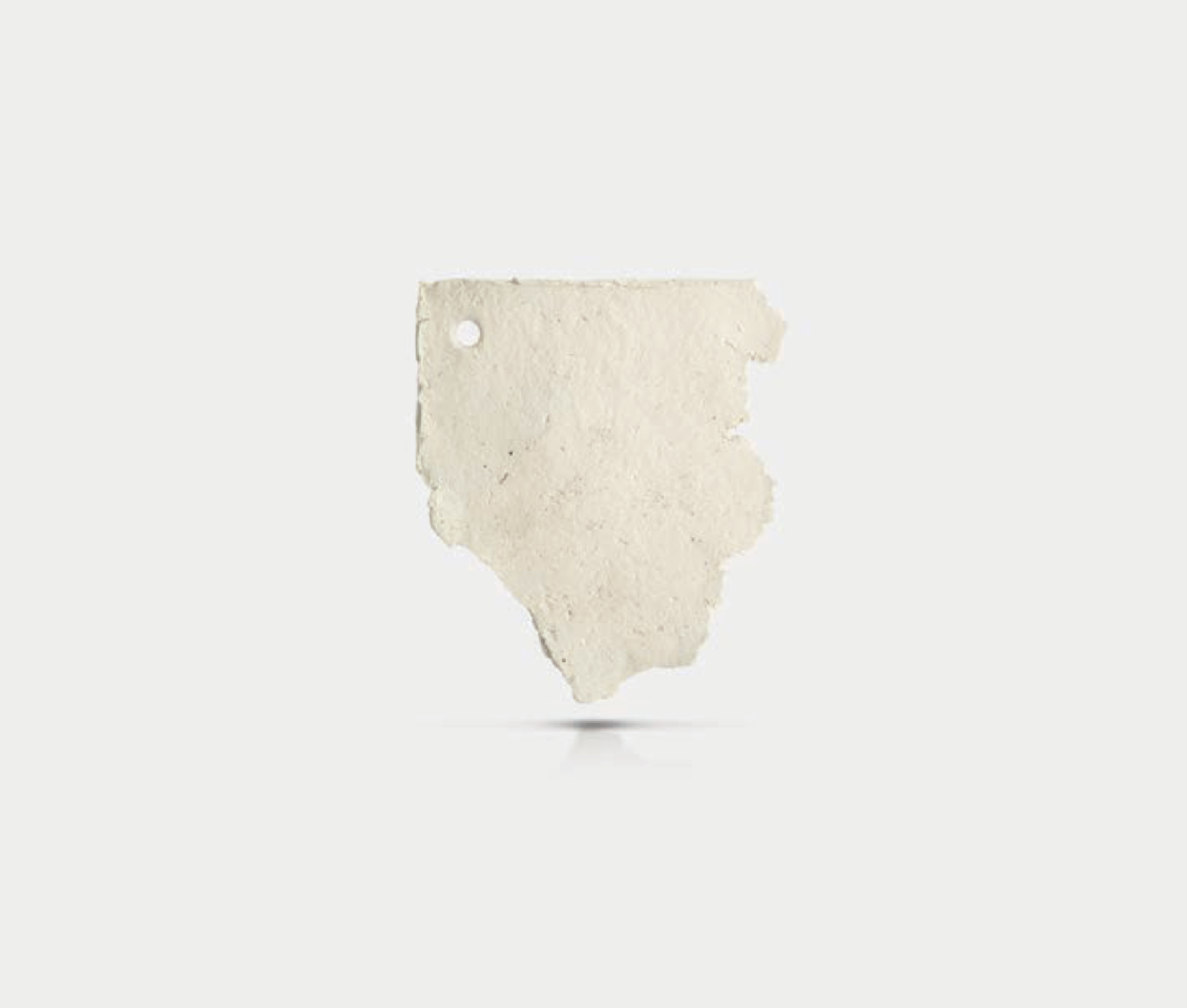
Beyond her studio practice, which shares this sentiment visually, Granicia is also focused on sharing her sustainable practice with a whole new generation of ceramicists. Between 2017 and 2023, she also served as the head of the ceramics laboratory at the Craft Department of FSRD ITB (Institut Teknologi Bandung). She is also the co-founder of Kandura Studio, a pottery studio that has transformed into a platform for ceramic artists to materialize their often experimental ideas.
In her educational role, Granicia has cultivated a pedagogical approach that empowers the next generation of Indonesian artists. She teaches the complex management of craft, material science and ceramic techniques, effectively serving as a bridge between traditional artisanal knowledge and contemporary academic research. Her recent academic projects, such as optimizing tile-based creative production in Jatiwangi and developing natural dyes for Lombok Songket weaving, demonstrate her commitment to elevating and introducing sustainable practices to local craftsmanship through systematic, scholarly exploration.
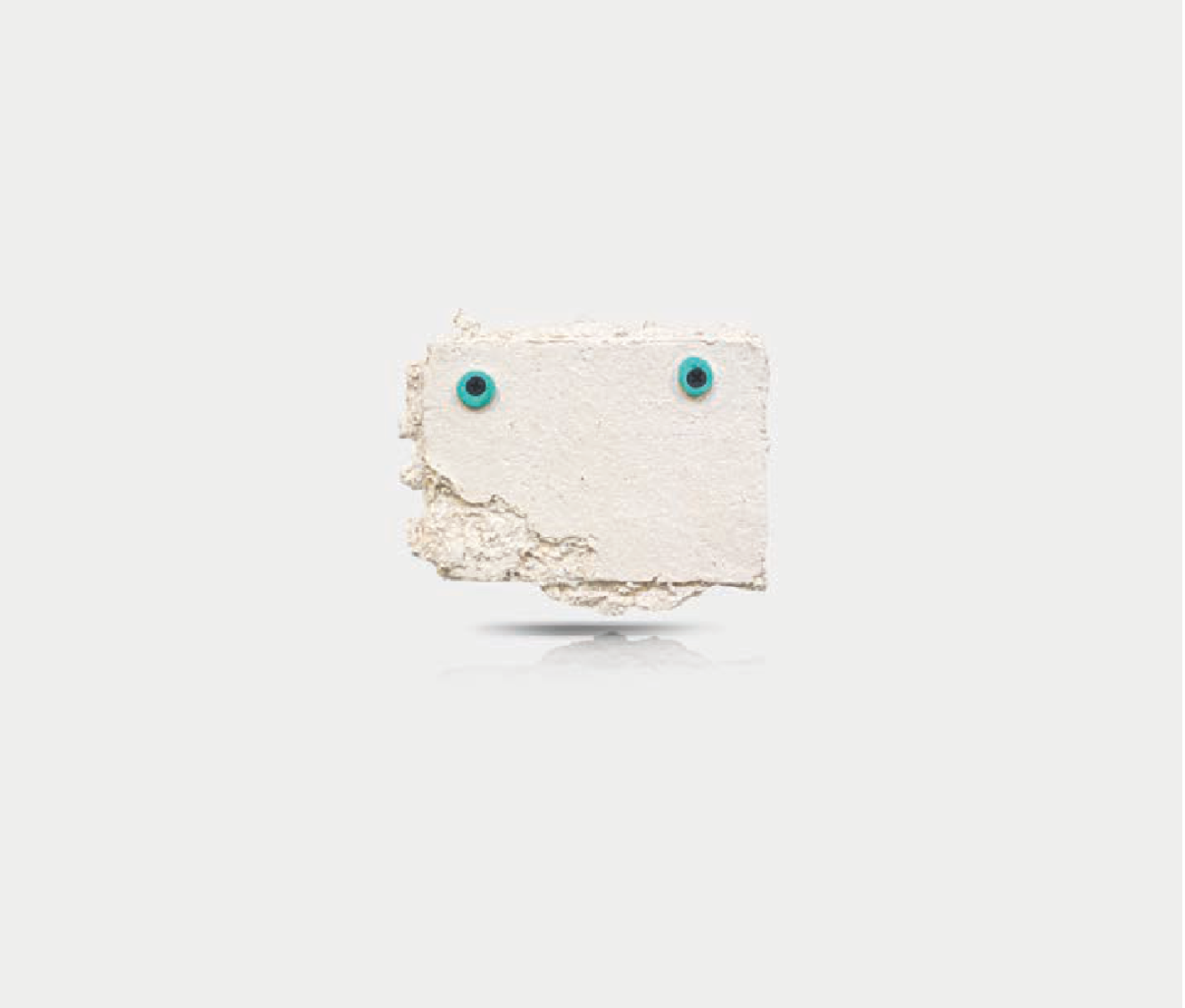
Granicia’s work is an exercise in mindfulness and restraint. Just as the historic búcaros of Tonalá released the sweet scent of petrichor to calm a room, Granicia’s tactile, textured forms offer a quiet, grounding presence. Geological Living: Quiet Confidence becomes an invitation to view everyday existence through a geological lens, one that fires the dust of people’s lives into stone. Granicia secures fleeting human histories within the deep, enduring memory of the earth.
For more information about Tisa Granicia’s work, check out her catalogue and Instagram @tisagranicia.