
Disclaimer: The following article contains spoilers for the film 'Wall to Wall.'
In Netflix’s latest thriller, Wall to Wall (originally titled 84 Square Meters), protagonist Noh Woo-sung (Kang Ha-neul) achieves what is often considered the pinnacle of modern Korean success: he purchases a standard 84 m² apartment in Seoul. However, this dream quickly rots into a nightmare of debt and inter-floor noise (cheunggan-eum) that transforms even the tightest of neighbours into violent enemies. While the film presents itself as a suspense drama, it functions more effectively as a blistering critique of a society where 79 percent of average household assets are tied to real estate, leaving the middle class "house poor" and psychologically frayed.
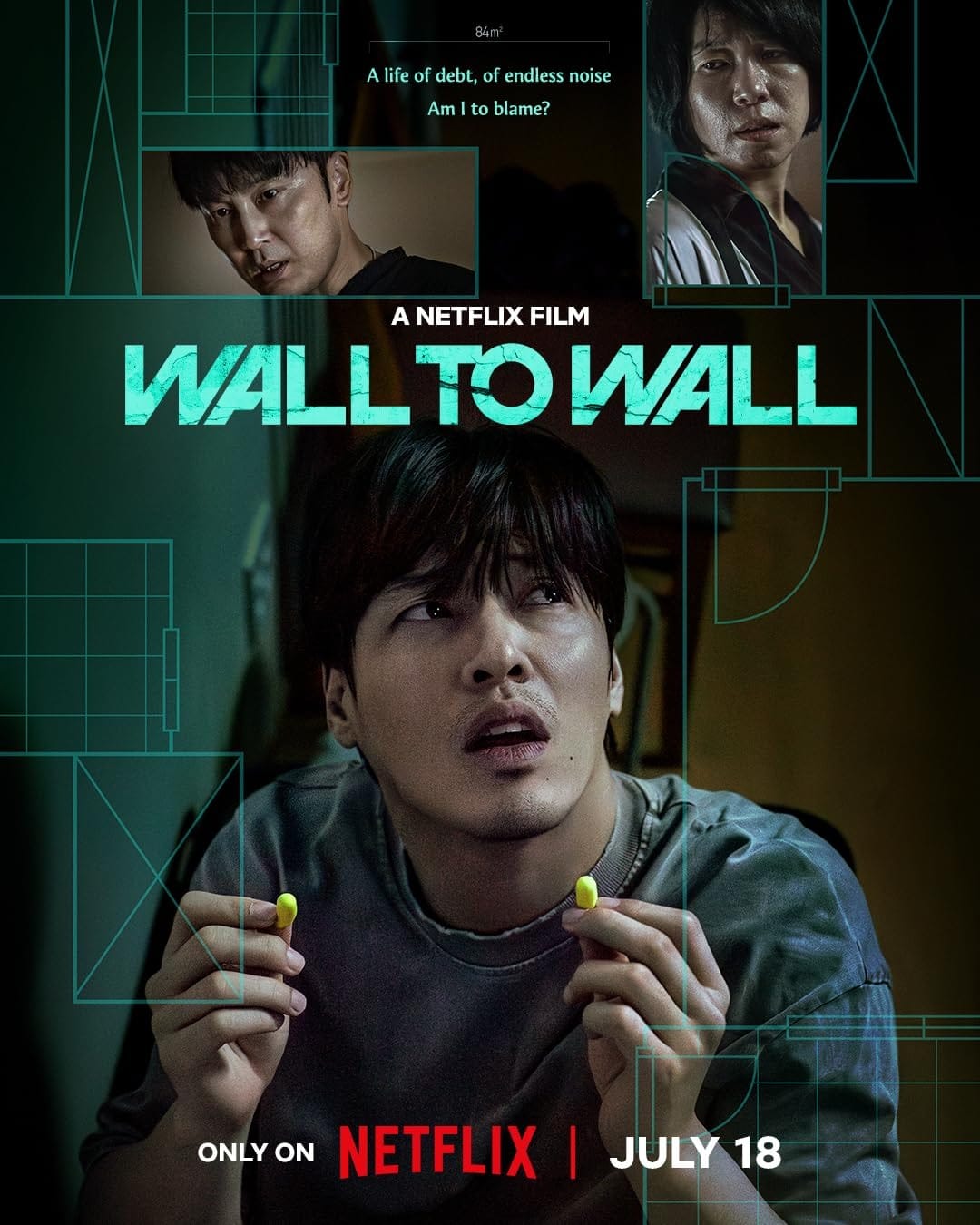
Through the claustrophobic lens of apartment living, Wall to Wall offers a visceral commentary that true sustainability is not just about green infrastructure but about social cohesion and affordable housing. As the film reveals, rapid urbanization without human-centric design turns vertical living into a battleground for dignity and survival. This is why it is aligned with the United Nations Sustainable Development Goals of Decent Work and Economic Growth and Sustainable Cities and Communities.
The horror of Wall to Wall is auditory. Woo-sung, exhausted from working two jobs to pay his mortgage, is tormented by thumping sounds from above. This plot point is ripped from real-life headlines. As noted by Time Magazine, noise complaints in South Korea have skyrocketed from approximately 9,000 in 2012 to over 36,000 in 2023. The film uses this phenomenon to explore the fragility of high-density living. When 75 percent of the population lives in co-residential buildings with thin walls, privacy becomes a luxury that few can afford.
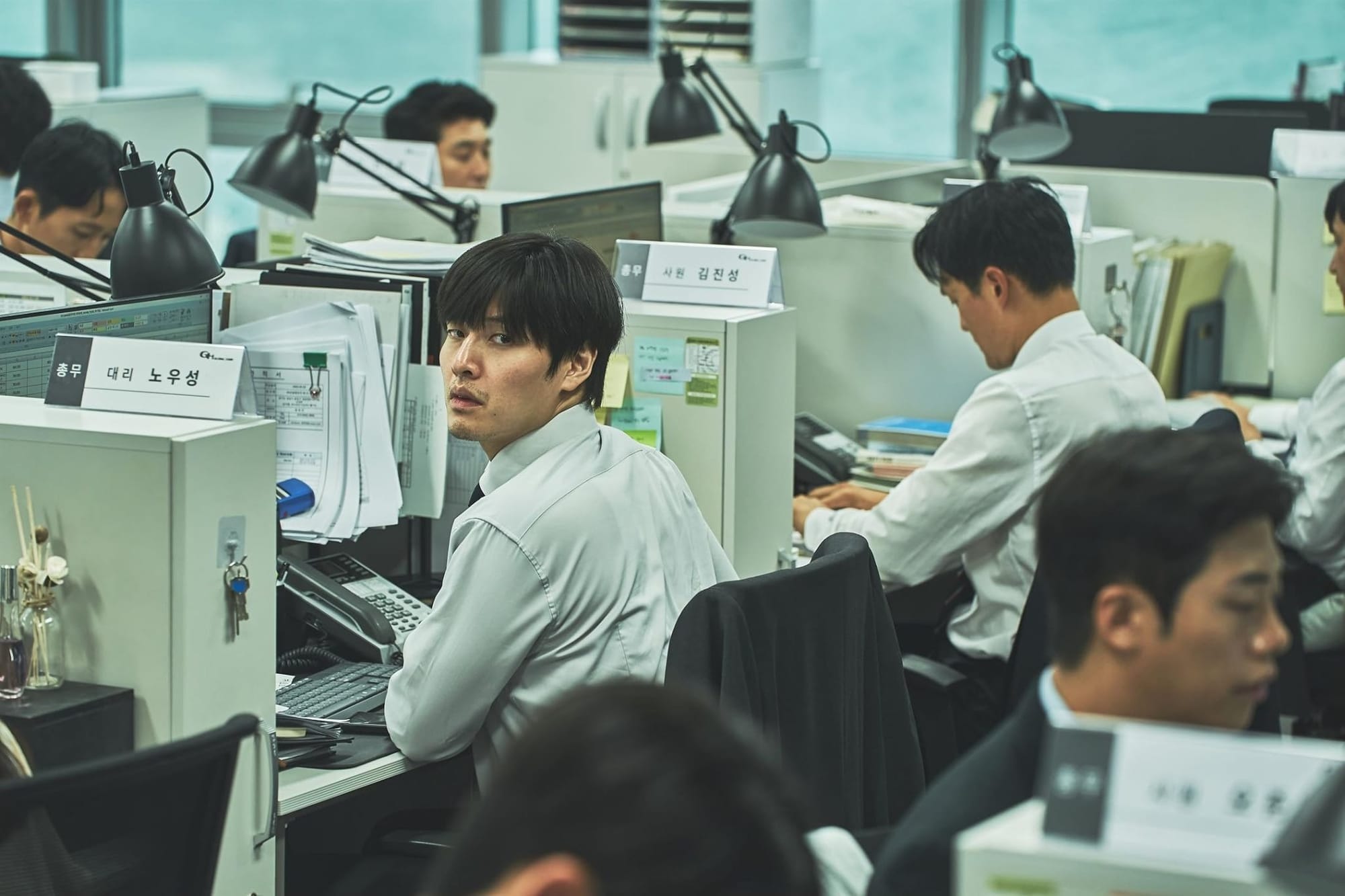
This lack of sound insulation serves as a metaphor for the thin line between civility and savagery. In his quest to find the source of the noise, Woo-sung uncovers a web of corruption involving a former prosecutor, Jeon Eun-hwa, who is manipulating property values for profit. The apartment complex, designed to be comfortable family homes, has instead become a panopticon of surveillance and suspicion, illustrating how poor urban planning can erode the mental well-being of a community.
The film’s tension is fueled by economic desperation, as lead protagonist Woo-sung is described as "house poor"—a Korean slang term for those whose income is entirely swallowed by housing costs. This reflects the reality detailed by LGIU, which notes that the average single-person household in Seoul spends a third of its income on rent.
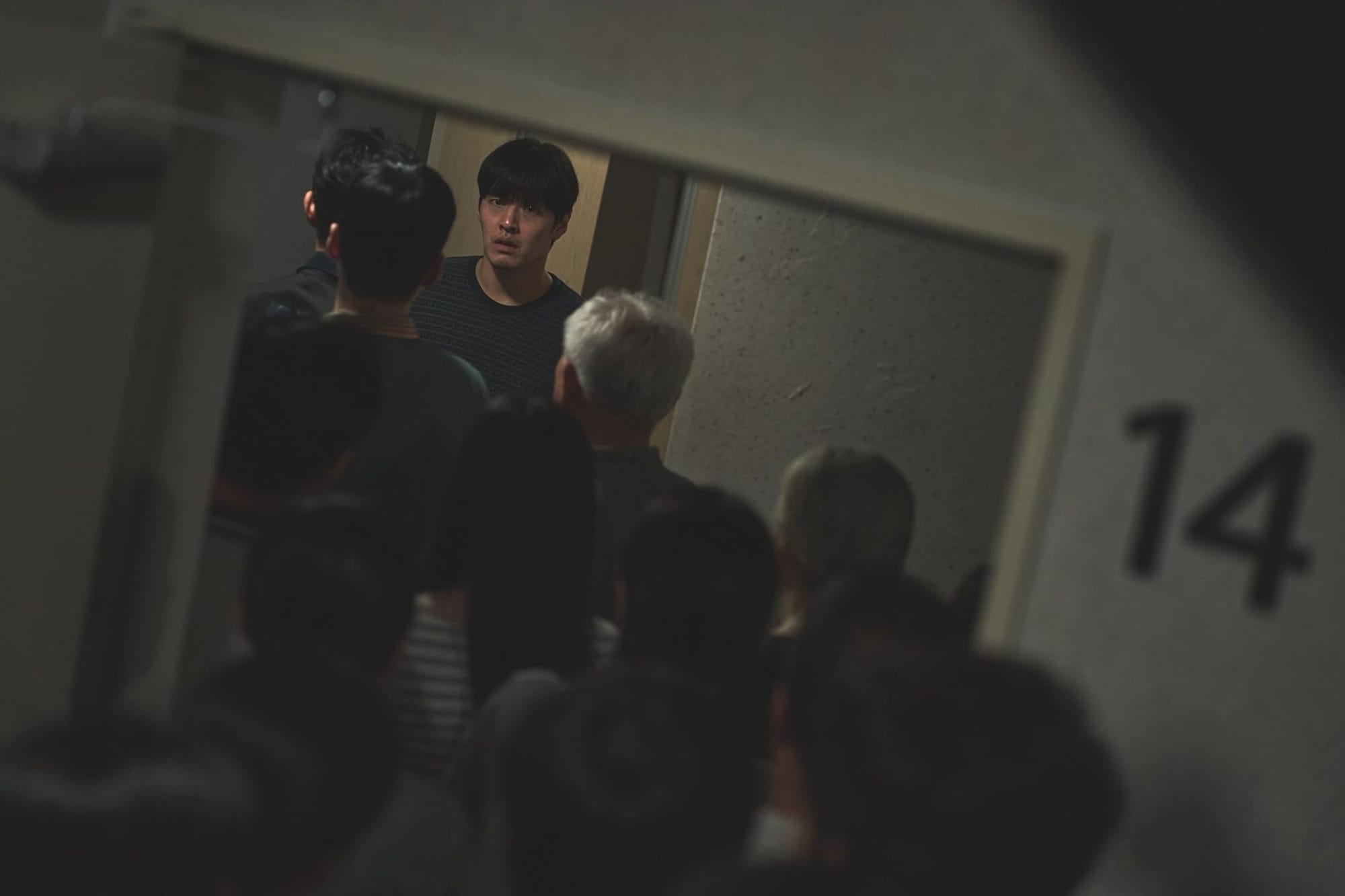
The narrative also touches on the collapsing jeonse system, a unique Korean rental model where tenants pay a massive deposit (often 60-80 percent of the property value) instead of monthly rent. As interest rates fluctuate and the housing market cools, this system has trapped millions in a standoff between landlords and tenants. In the film, characters are driven to extremes—fraud, violence, and even murder—not because they are inherently evil, but because the system offers them no other way to maintain their foothold in the middle class.
The film’s bloody climax, where Woo-sung and a vengeful neighbor confront the corrupt prosecutor, ends in literal and metaphorical destruction. Yet, the most haunting moment comes at the very end. After surviving the explosion, Woo-sung retreats to the countryside, only to return to Seoul. Standing in his empty apartment, he hears the phantom noise of neighbours and laughs.
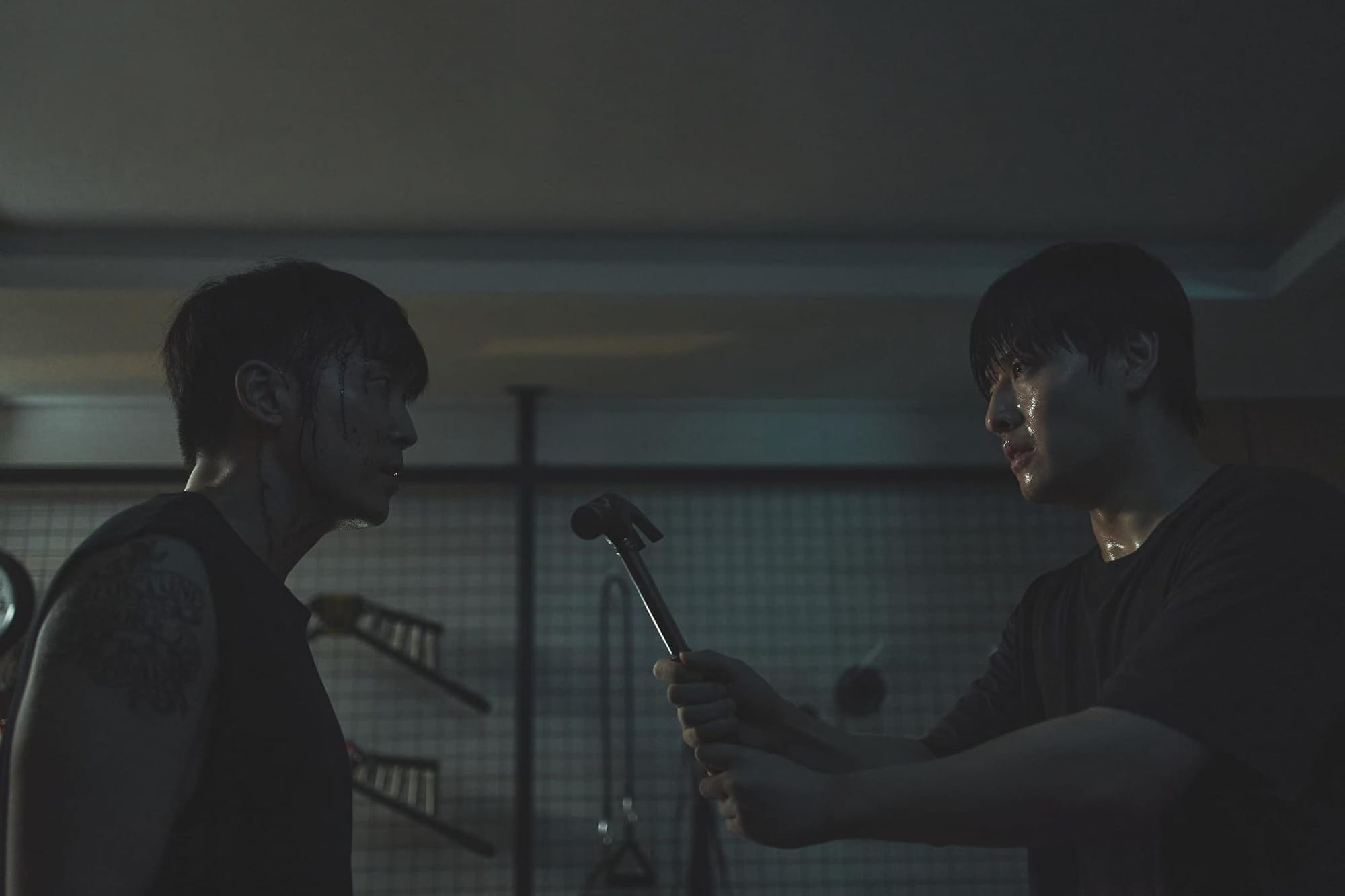
This cyclical ending suggests that the desire for status and class ascension is a trap from which there is no escape. As Korea JoongAng Daily opines, housing policy failures are often a mix of supply shortages and punitive taxes that fail to address the root causes of inequality. Wall to Wall posits that as long as housing is treated as a speculative asset rather than a human right, the "noise" of conflict will never cease. Ultimately, Wall to Wall is a warning. It shows audiences that a city built on debt and thin walls is far from a community and more like a pressure cooker waiting to explode.