
Disclaimer: The following article contains spoilers for the film 'Weathering with You.'
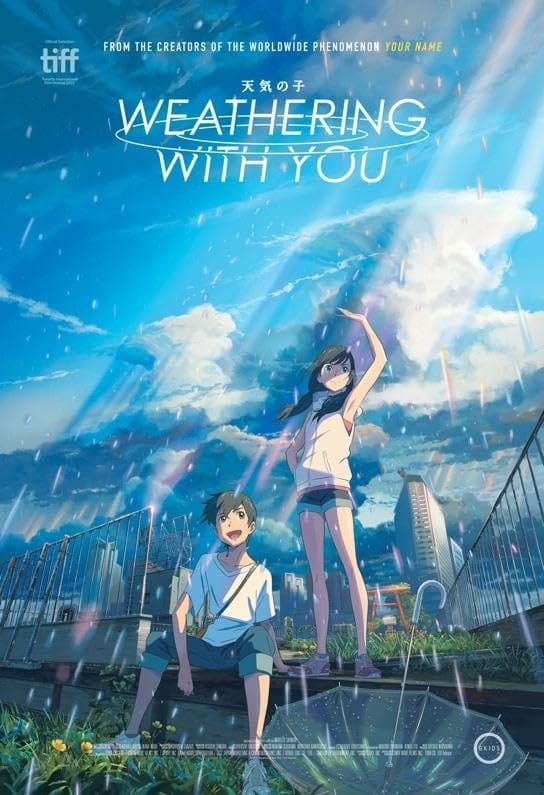
Released in 2019, Makoto Shinkai’s Weathering with You (Tenki no Ko) pairs a refusal of the hero’s sacrifice trope with an impending climate disaster. The film ends with its main protagonist, who looks at a drowning Tokyo and chooses instead to save his first love. He does this despite knowing that her death would return the weather to “normal.” Naturally, there is then a discourse between casual filmgoers, critics, and bloggers who debate whether or not the film is "anti-environmentalist," as its characters seemingly choose selfish wants over greater good.
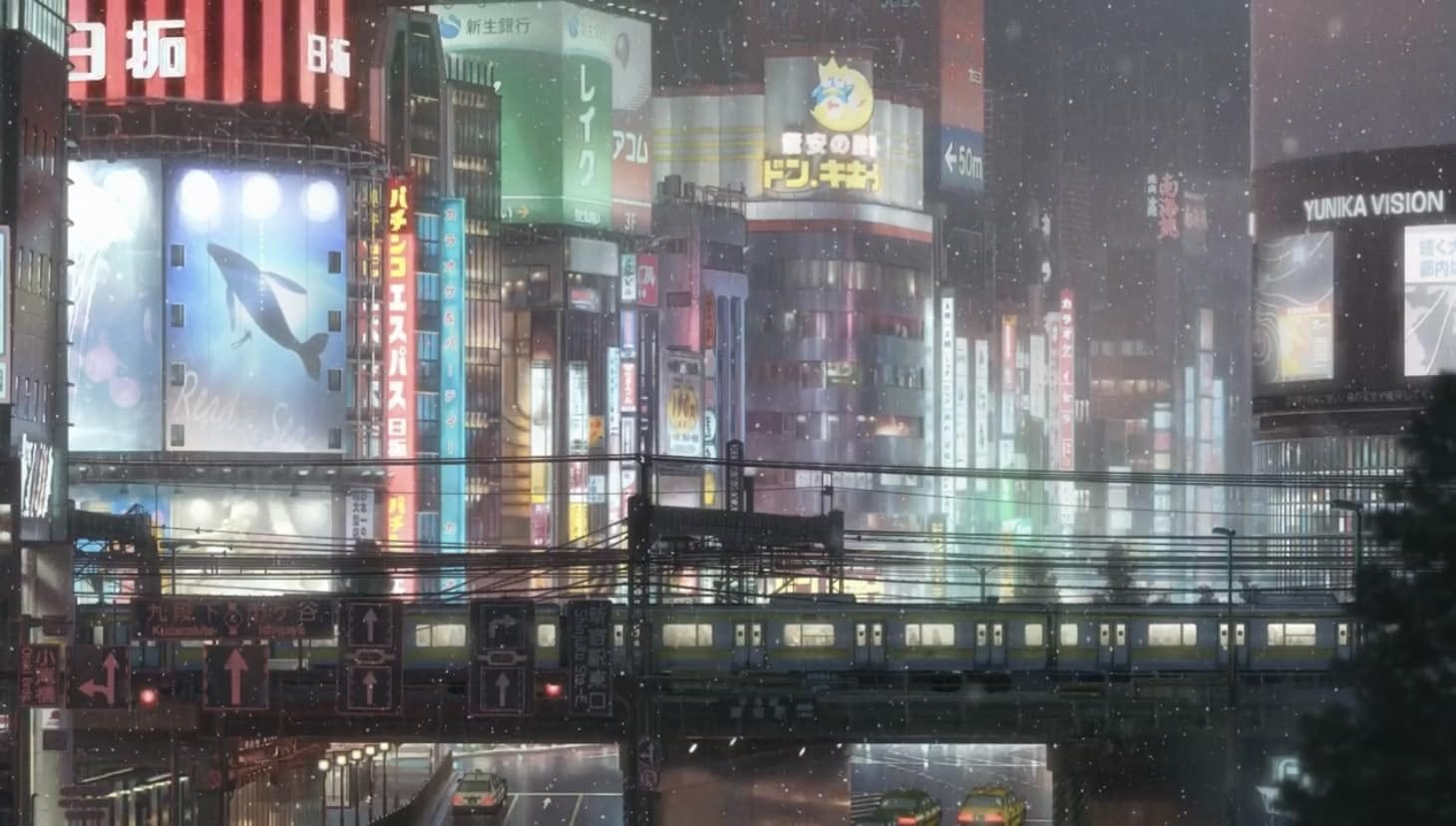
Yet the film’s epilogue reveals a thriving submerged Tokyo with ferries replacing trains. The city has changed. It operates more like Venice now, and life continues as it always has. People still go to work, cook dinner, and fall in love. The lead protagonist also has a moment where his mentor tells him that it was silly of him to think his personal sacrifice would have made a difference in the face of a looming climate disaster. Here then, a reading into the film’s message suggests that in the face of today’s climate deterioration, no single magical fix-all solution exists. What we should be striving for instead is psychological resilience to continue living in this altered landscape. This is why the film is aligned with the United Nations Sustainable Development Goal of Climate Action.
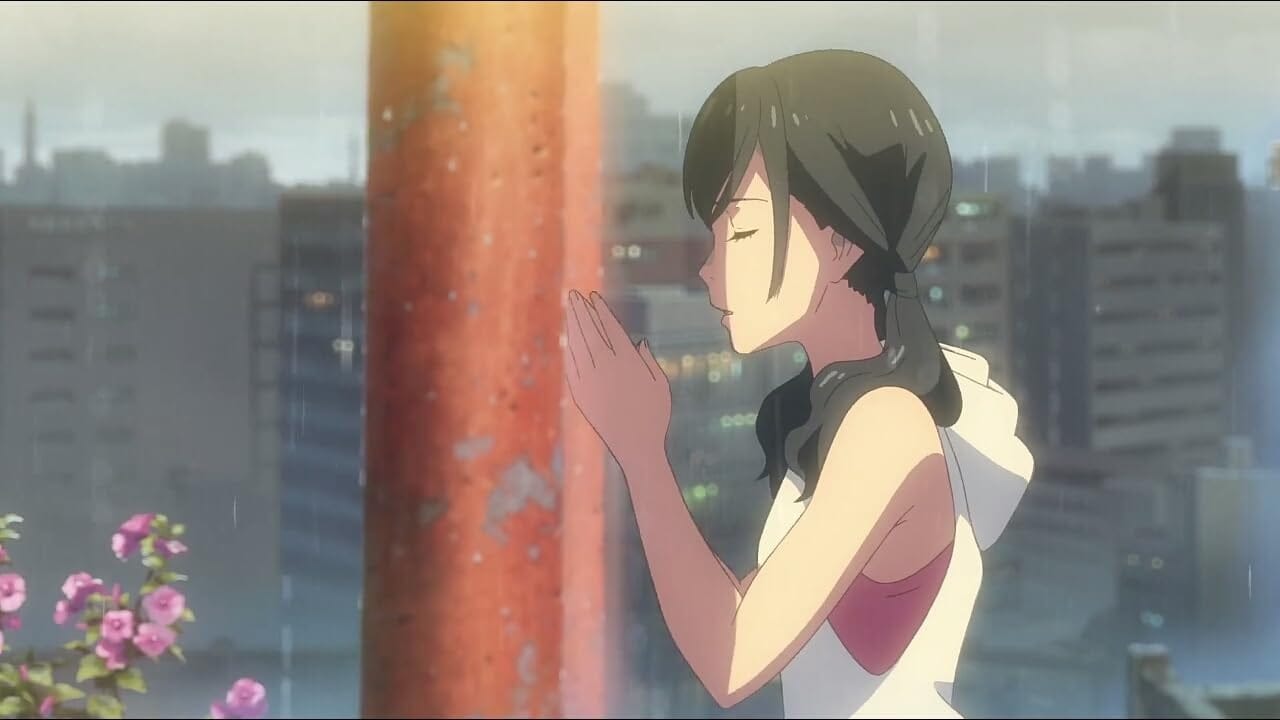
The story of Weathering with You follows sixteen-year-old Hodaka (Kitaro Daigo), a runaway who meets “eighteen-year-old” Hina (Nana Mori), a particularly powerful weather shaman capable of clearing skies through mere prayers. As Tokyo faces increasingly unprecedented, apocalyptic rainfall, it is revealed that Hina is a reincarnated princess from the mythical sky kingdom who must sacrifice herself in order to restore the weather’s harmony. Towards the final act of the film, it is revealed that Hina has been lying about her age and that she’s actually fifteen years old. This completely changes the way Hodaka views his relationship with her, pushing him to understand that she shouldn’t be shouldering all this weight alone and that he should also be protecting her. When the two reunite, Hodaka screams, "I want you more than any blue sky!" and stops her from sacrificing herself. He gets her back but condemns Tokyo to sink beneath the sea.
People’s criticism of the film reflects on the concept of "climate doomism." They believe that Weathering with You pushes a narrative that there is no sense for individuals to be taking action, since the world is doomed either way. While Shinkai’s ending can feel chaotic, what he is trying to achieve is the validation of the feelings of a younger generation inheriting this broken planet. This is further proven by the fact that most of Shinkai’s films typically follow his child protagonists into adulthood; meanwhile, Weathering with You intentionally chooses protagonists in their mid-teens.
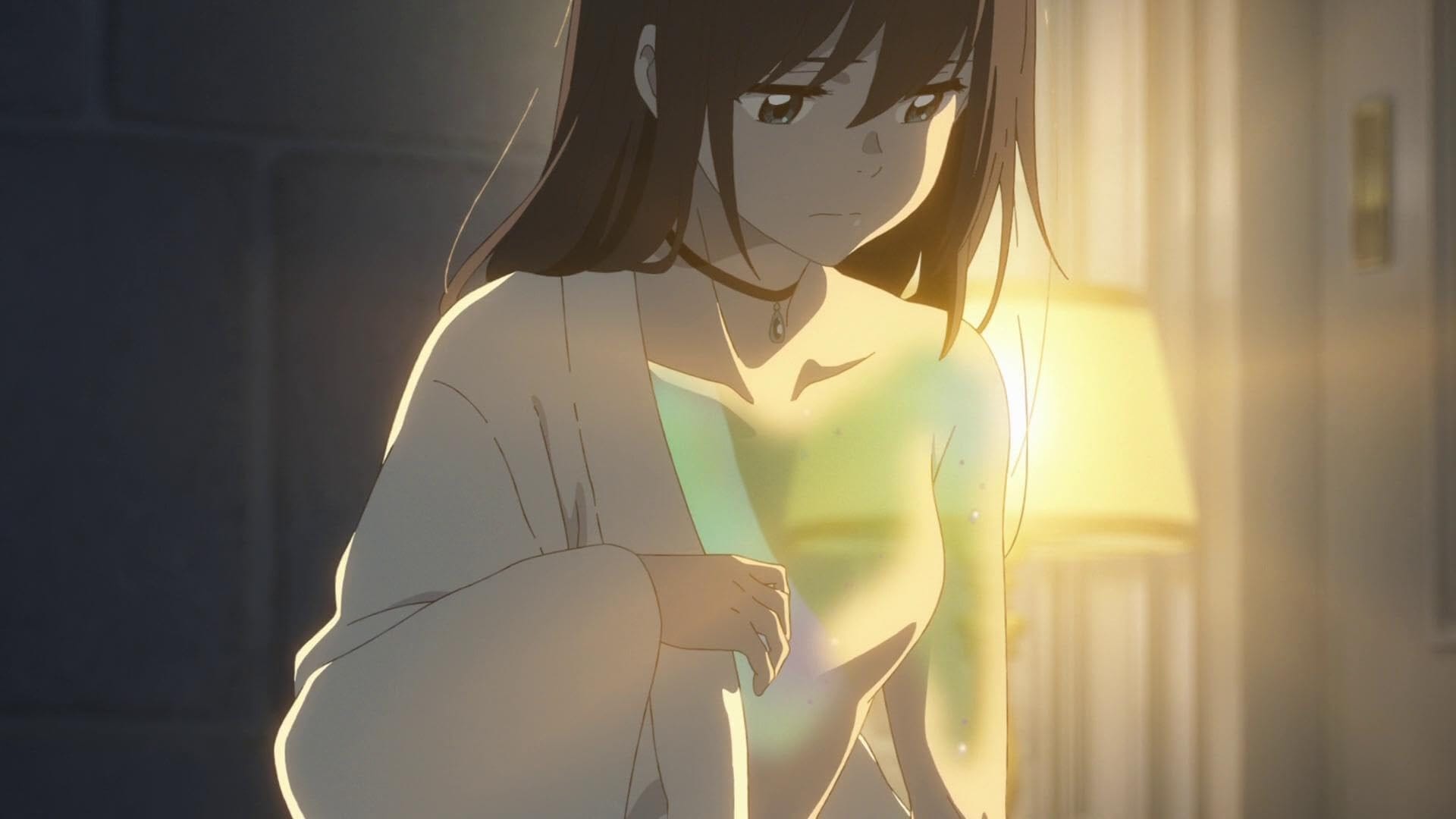
In an interview with the United Nations, Shinkai draws parallels between his characters and the youth climate activists of the time. When he started making the film, Greta Thunberg was 15 and was skipping school to protest the Swedish parliament’s climate inaction, which prompted a global youth movement. He confessed to feeling an immense sense of empathy towards these young climate activists and the intergenerational burden placed on their shoulders. This feels especially heavy as incumbent relevant stakeholders, who far outweigh them in age, experience, and decision-making power, seem to have turned a cold shoulder towards the cause.
This is why the film ultimately is a rejection of the idea that youths must sacrifice their own lives, happiness, and mental health to fight for the climate. As Shinkai puts it, “Films merely preaching justice will not reach the audience. Even so, I think the audience also doesn’t simply want to enjoy seeing films; I think they want to see something that strikes them and changes their life or how they see the world.”
To explore the film's environmental philosophy further, read analyses at The Breakthrough and Frogkun or check Makoto Shinkai’s website, en.shinkaiworks.com, and Instagram, @makoto.shinkai.