
On a gallery pedestal, a banana peel lies curled and blackening, discarded as if someone missed the bin. Next to it sits a dried citrus rind, its texture pitted and familiar. The viewer’s instincts would tell them to look away, to categorize these objects as refuse. But if they were to reach out to touch them—though they shouldn't—they’ll find the all too familiar cold, hard and smooth surface of high-fired porcelain.
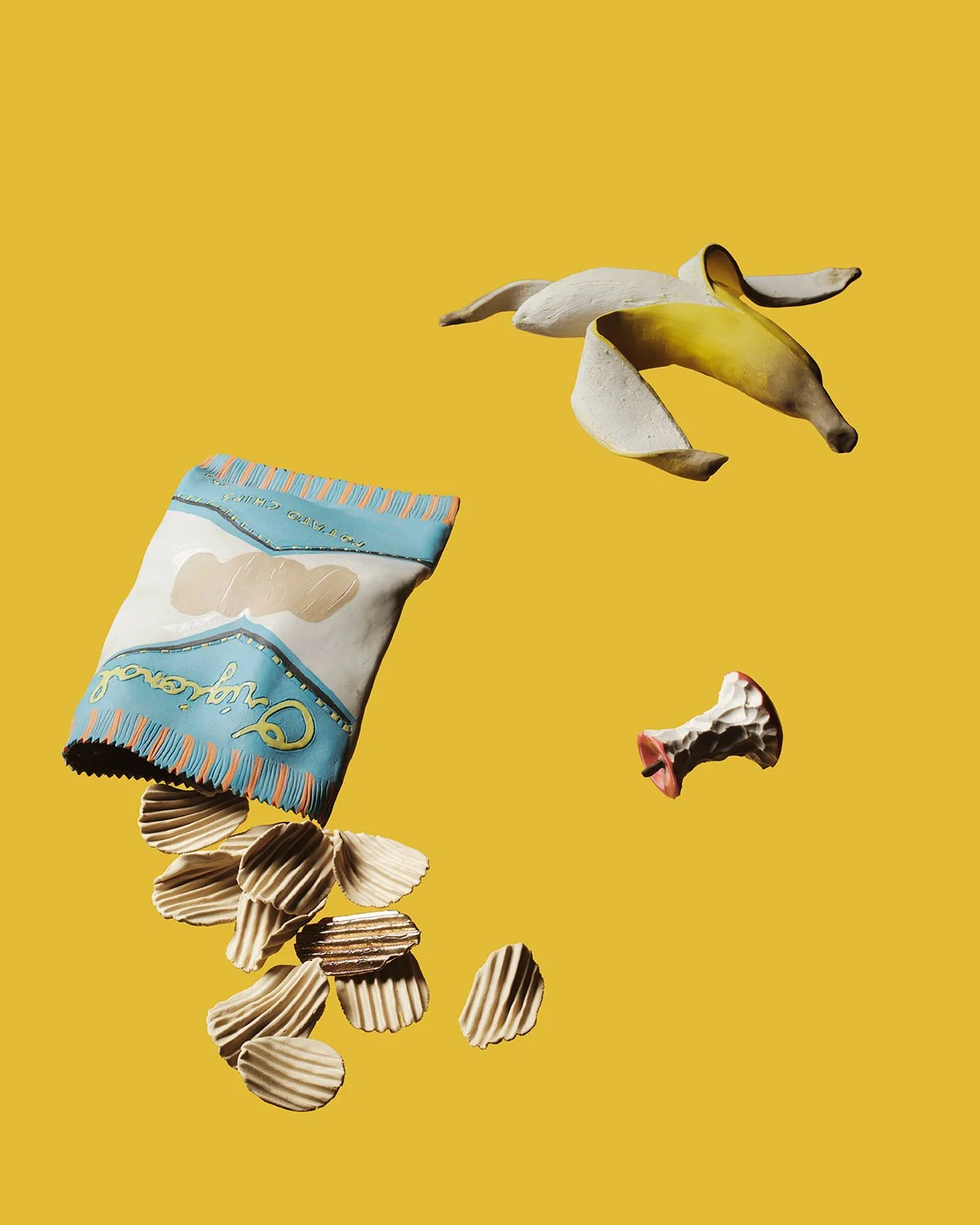
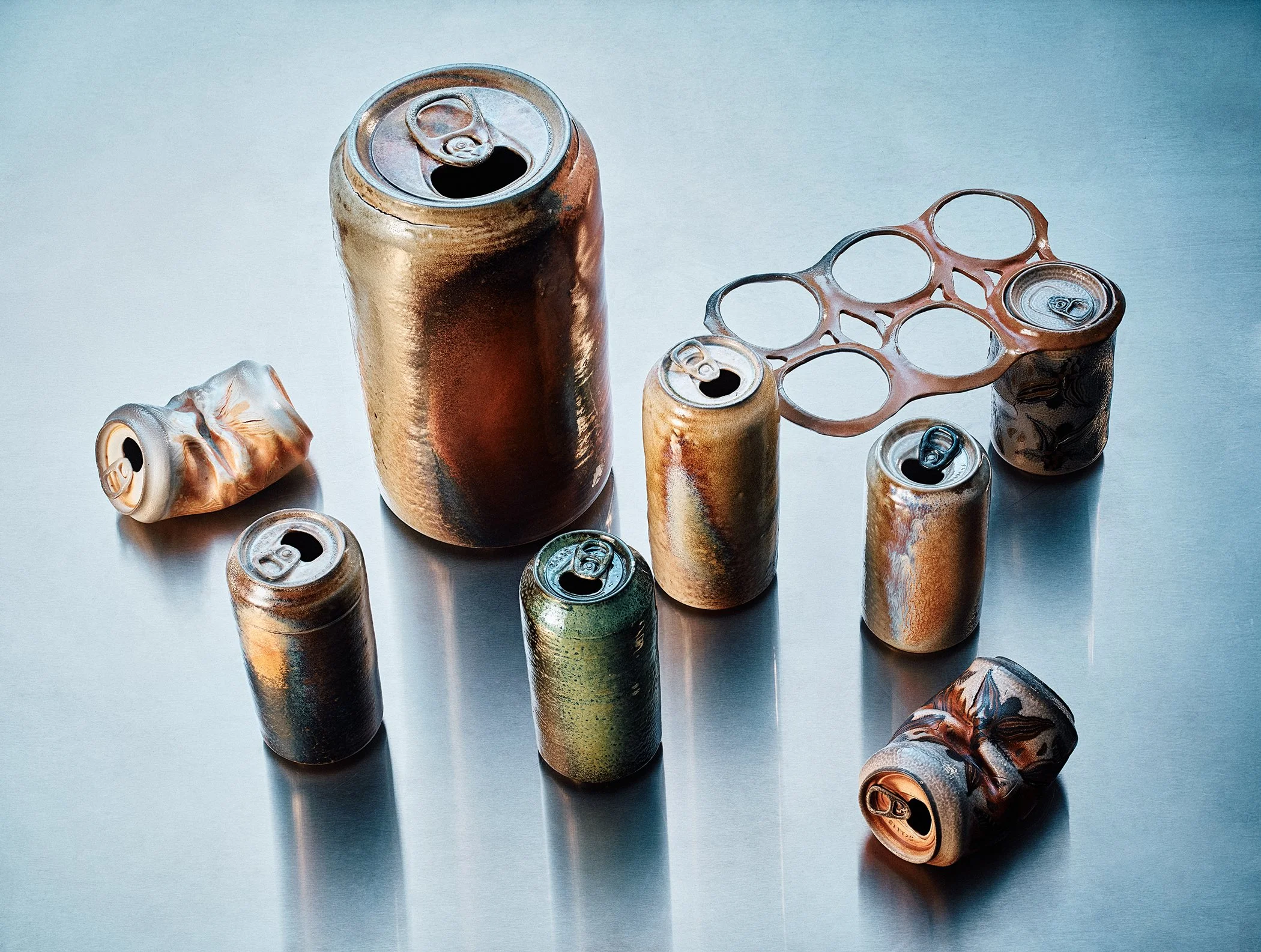
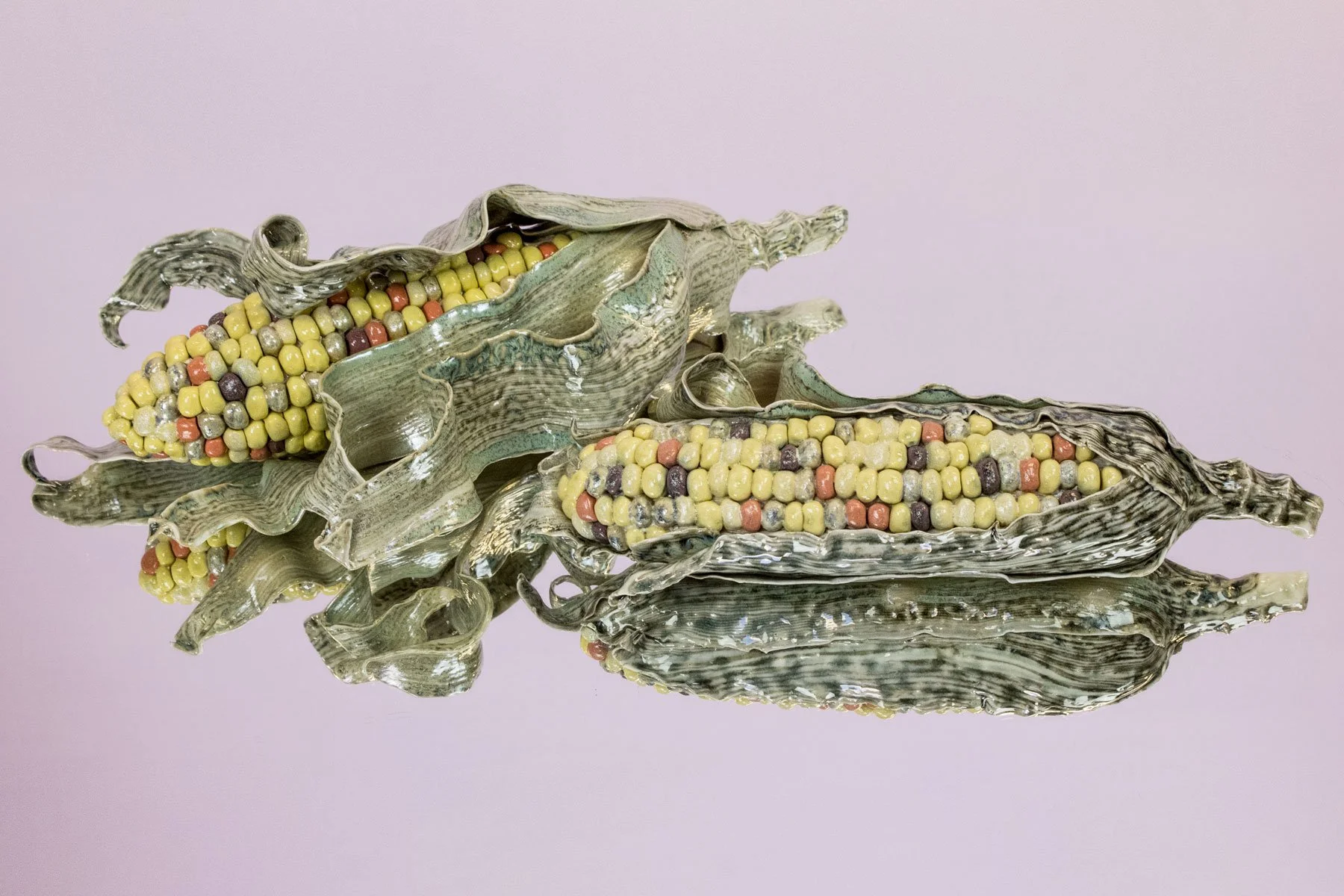
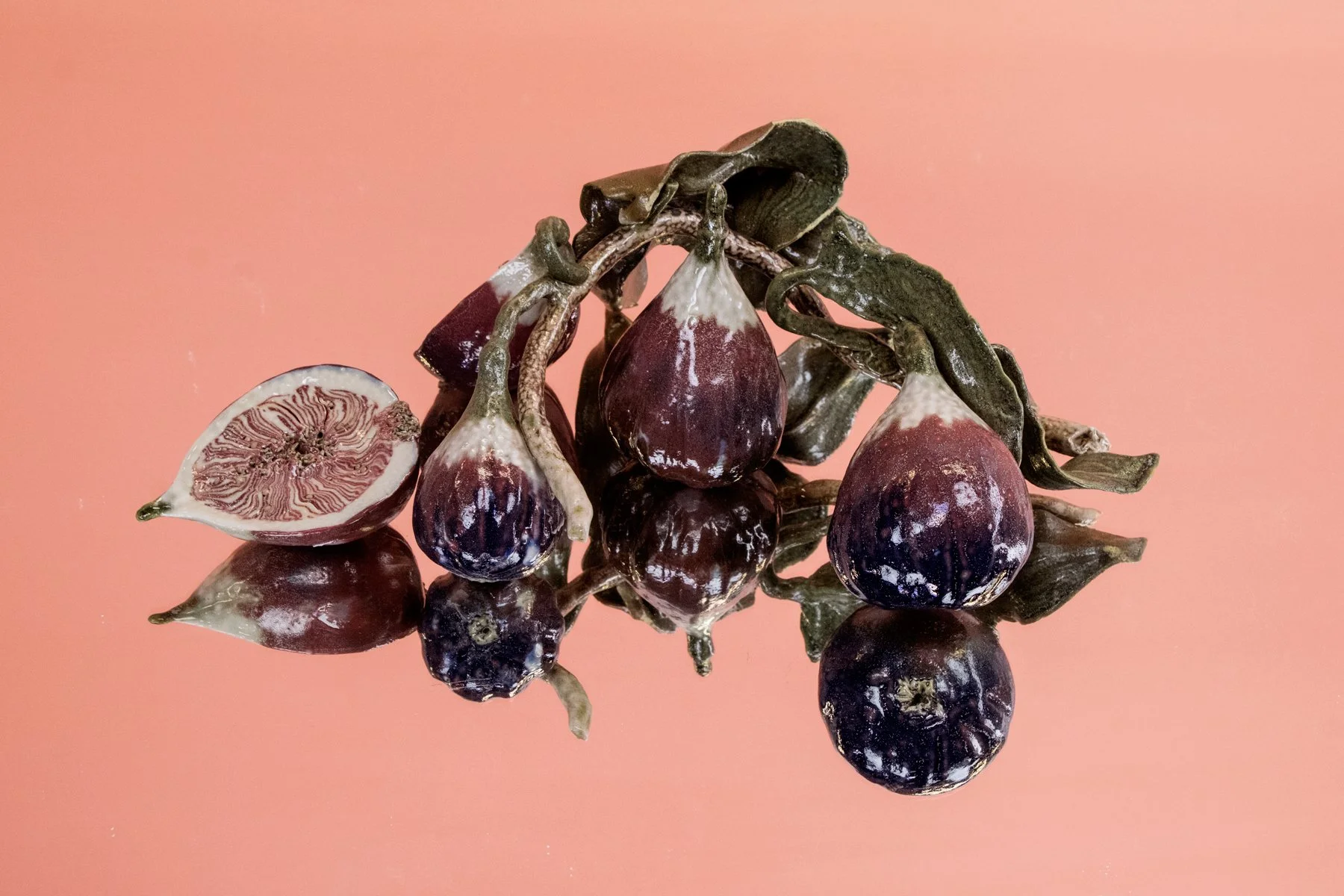
Artworks part of Trompes by YYY Collection. Image courtesy of YYY Collection’s website.
This visual trickery is the work of Merryn Lloyd, the Bangkok-based artist and founder of YYY Collection. In her series Trompes—a playful nod to trompe-l'œil, or "deceive the eye"—Lloyd is turning the concept of "trash" into permanent, high-value art. She immortalizes kitchen scraps in durable clay, forcing audiences to have a confrontation with what they choose to discard, to think about what happens next and how their seemingly simple choice can have long-lasting ripple effects on the environment. This is why Trompes by YYY Collection is aligned with the United Nations Sustainable Development Goal of Responsible Consumption and Production.
The genius of Trompes lies in how it allows for the apotheosis of overlooked remnants of daily food consumption. Lloyd hand-sculpts hyper-realistic replicas of food waste, capturing the intricate textures of their decomposition. Her rendering of ephemeral objects—that usually rot and vanish within days—into ceramic, a material that can last for thousands of years, allows her to flip the hierarchy of value. Here, she has taken the most worthless item in a household (garbage) and treated it with the same technical reverence usually reserved for fine vases or tea sets.
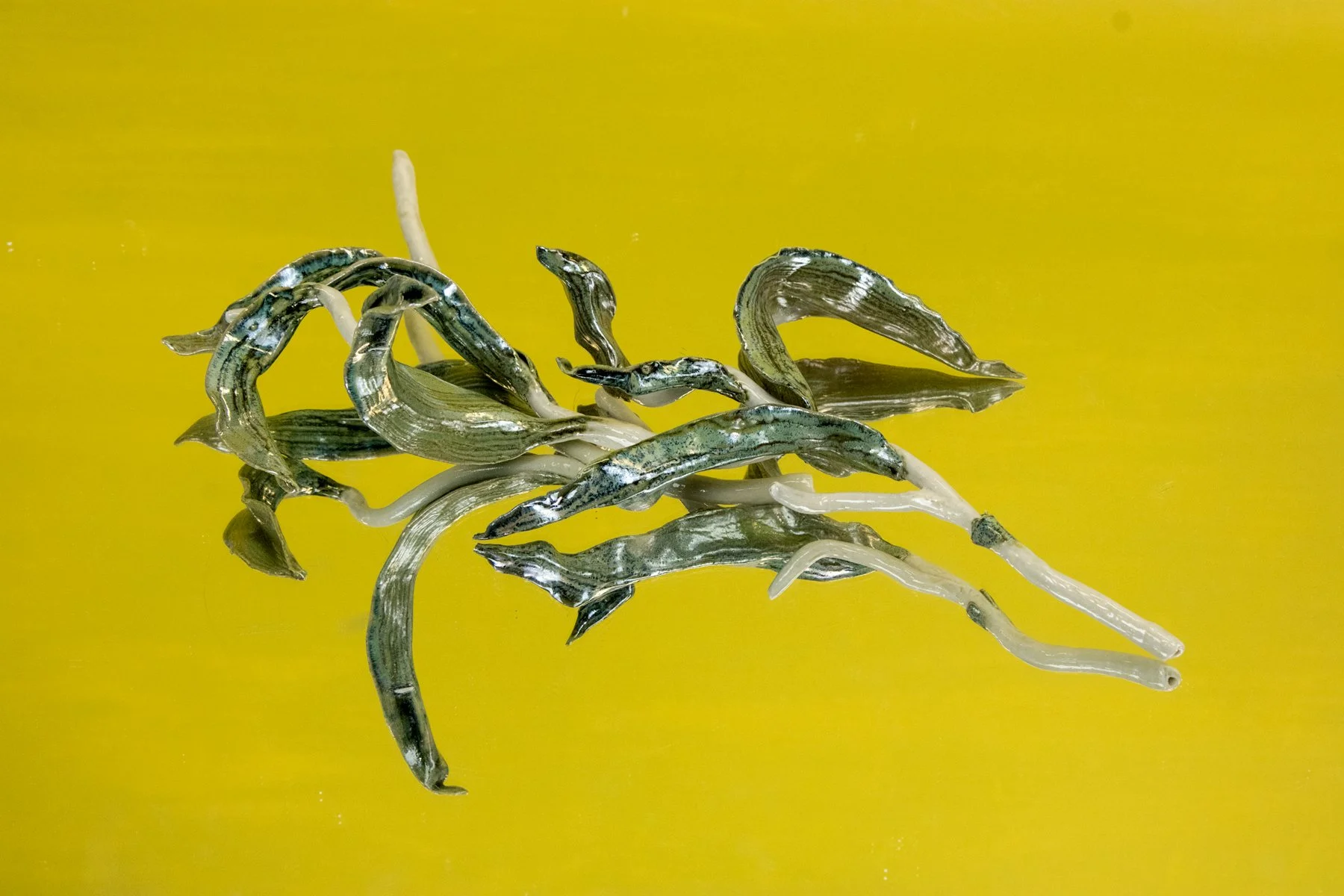
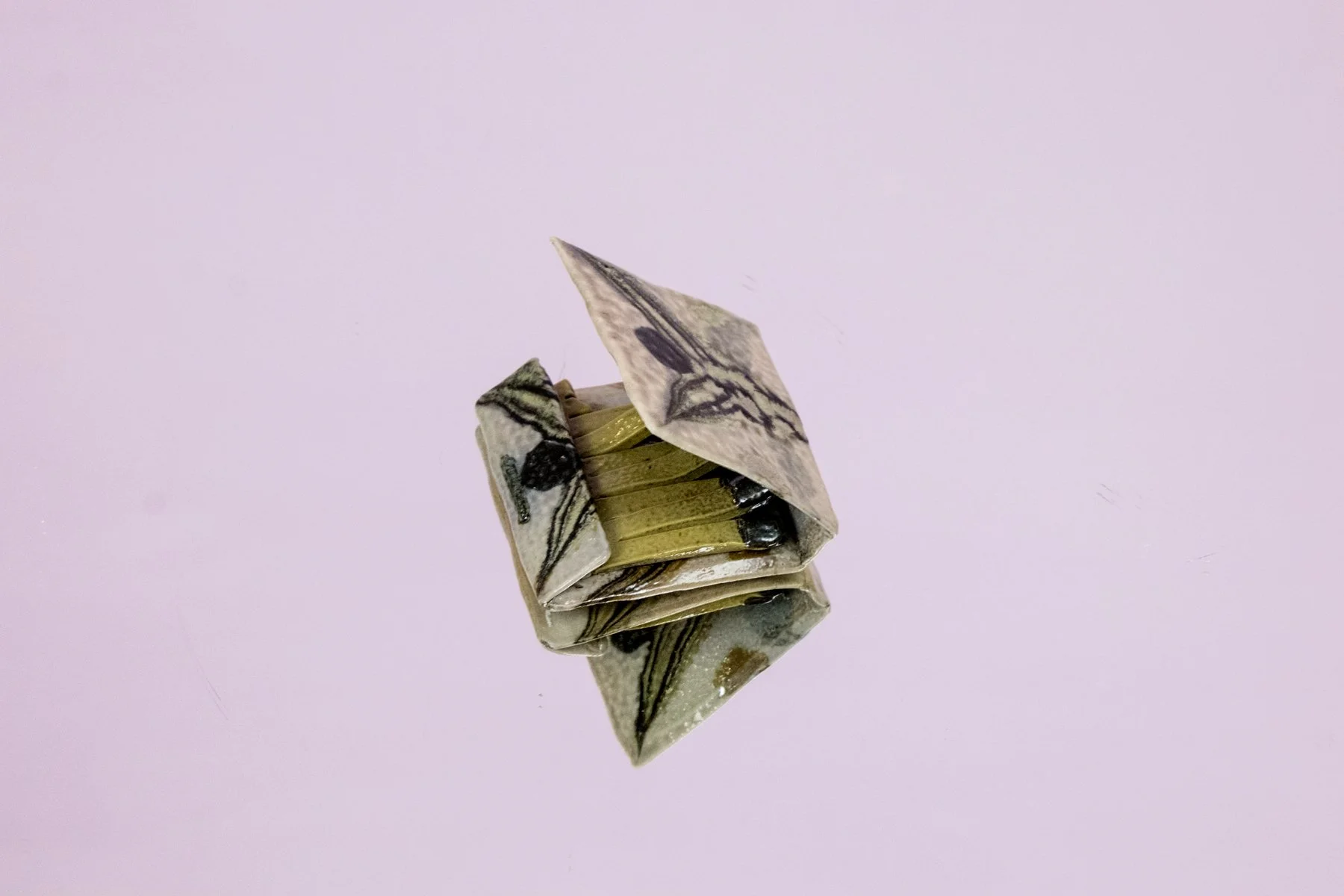
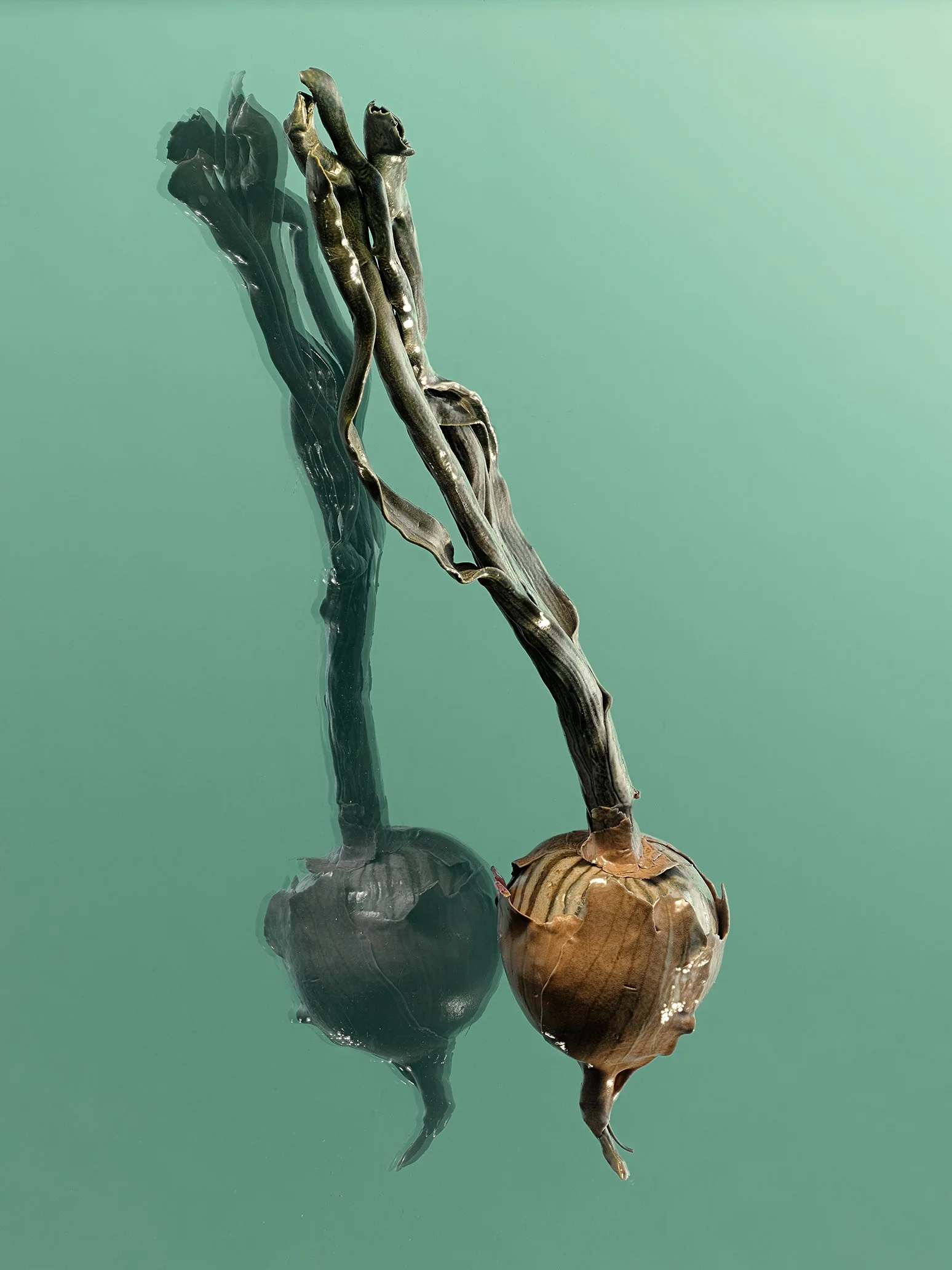
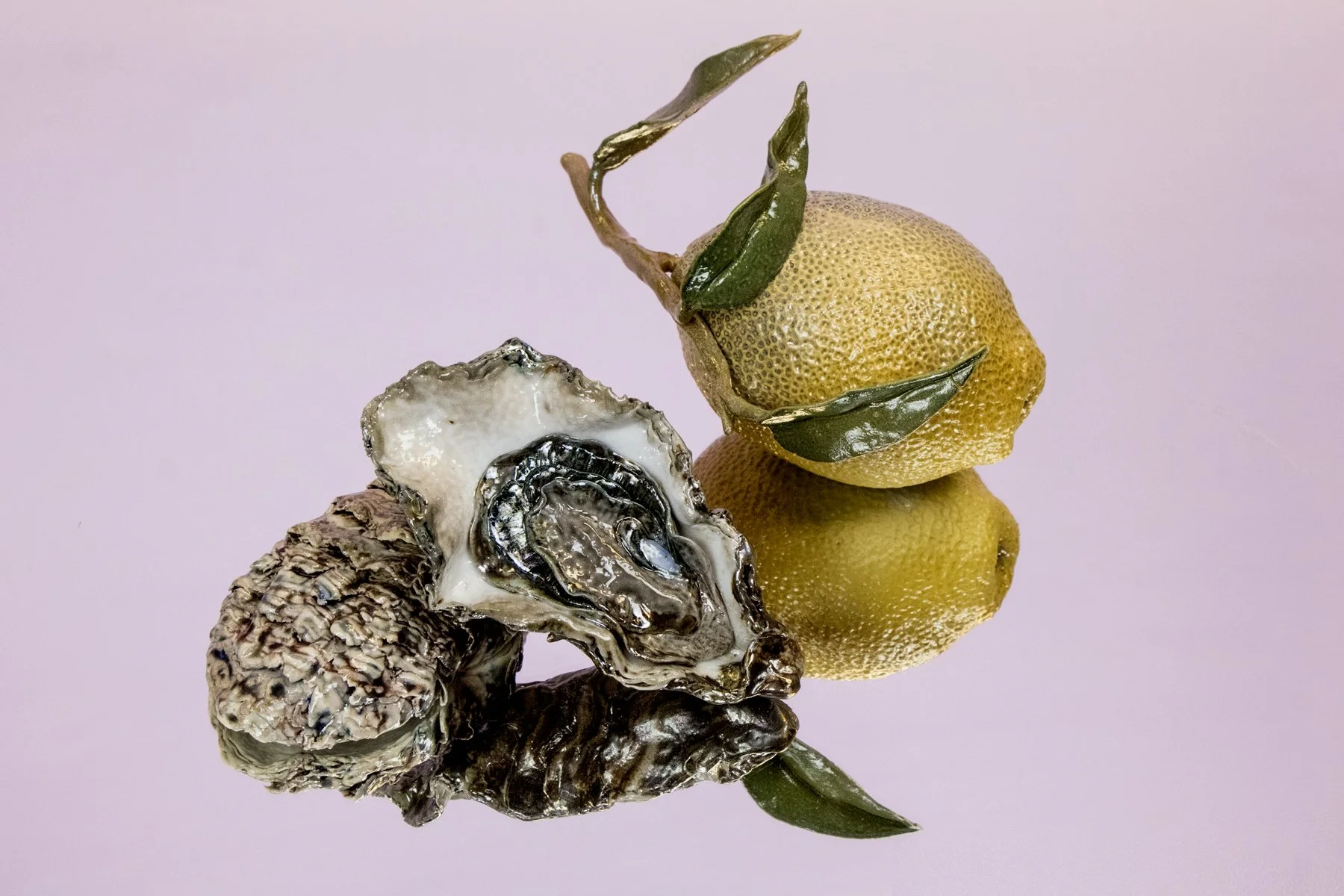
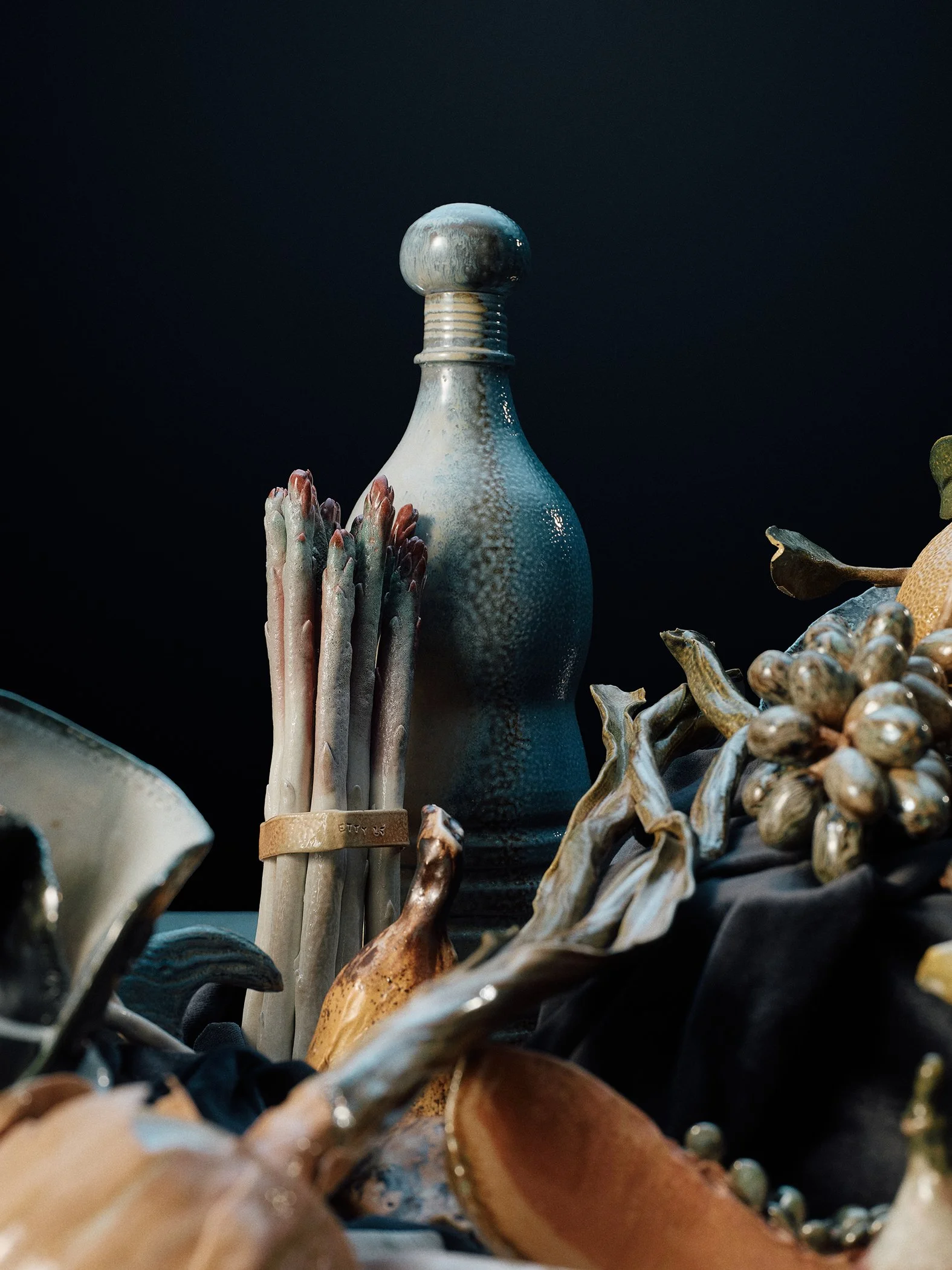
Artworks part of Trompes by YYY Collection. Image courtesy of YYY Collection’s website.
As a consequence, the artistic "preservation" becomes a quiet but devastating visual critique of the lasting impact that modern food systems and their waste have had on the world’s people and the environment. The World Resources Institute (WRI) notes that nearly one-third of all food produced globally is lost or wasted. Food waste also accounts for one-third of all human-caused greenhouse gas emissions and generates 8 per cent of greenhouse gases annually. On top of that, nearly 1 in 11 people go to bed hungry each night despite the acknowledgment that the world produces enough food to feed the global population.
The fact that the general public is accustomed to food waste being invisible is a contributing factor. They toss it in a bin, a truck takes it away, and it disappears from their conscience. Lloyd’s work disrupts this cycle. Her ceramic peels cannot be thrown away. They demand to be looked at, admired and kept.
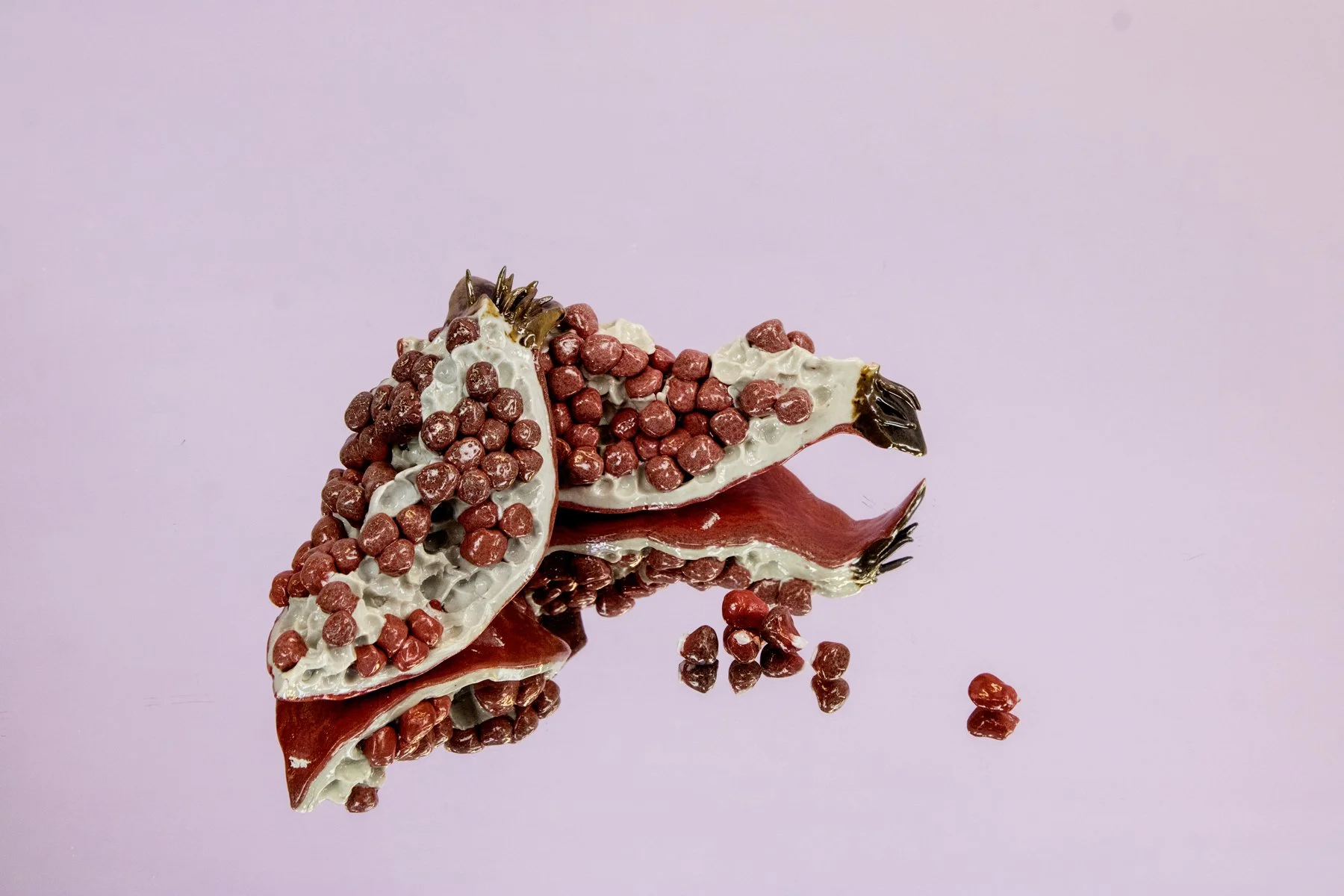
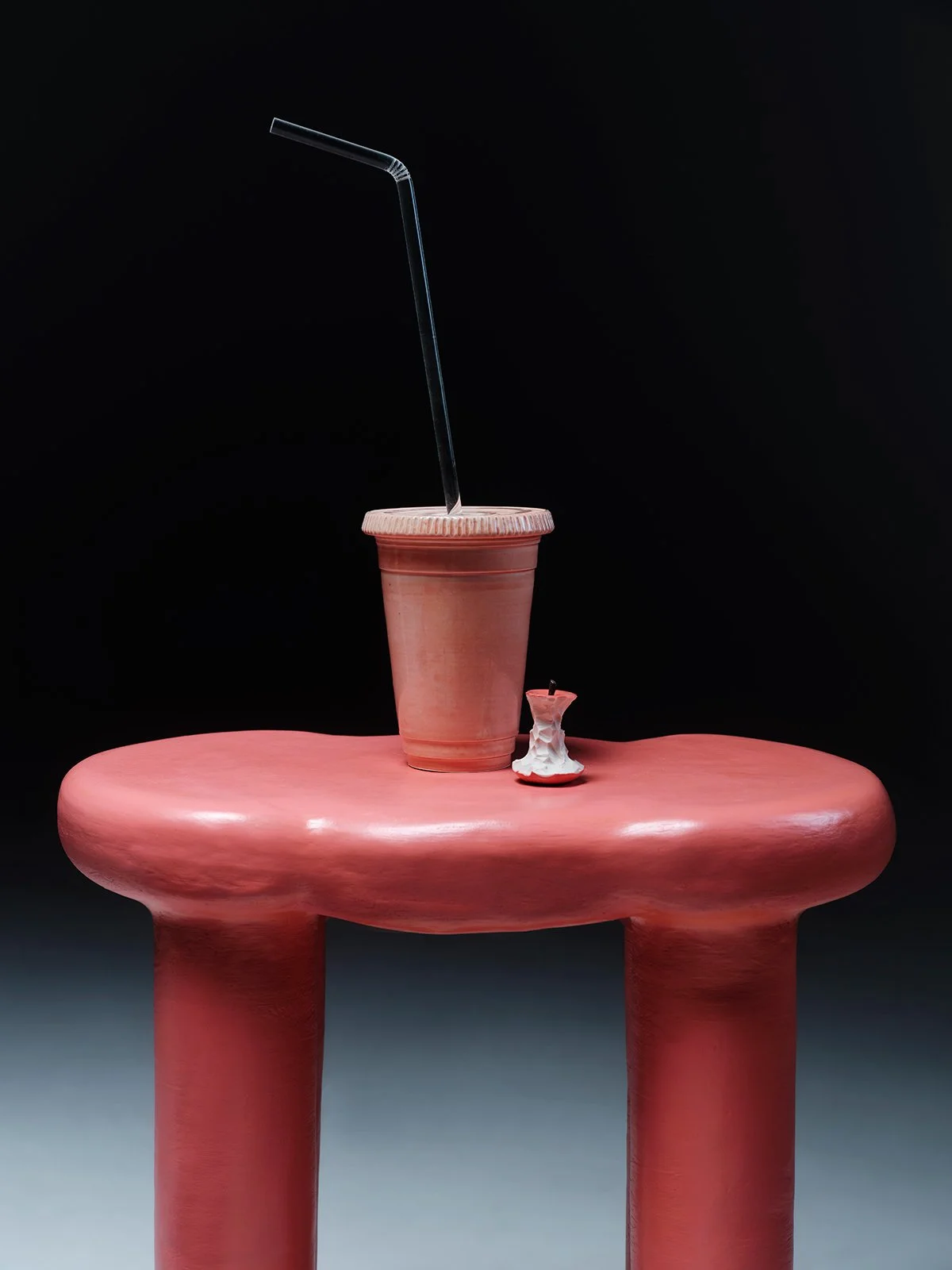
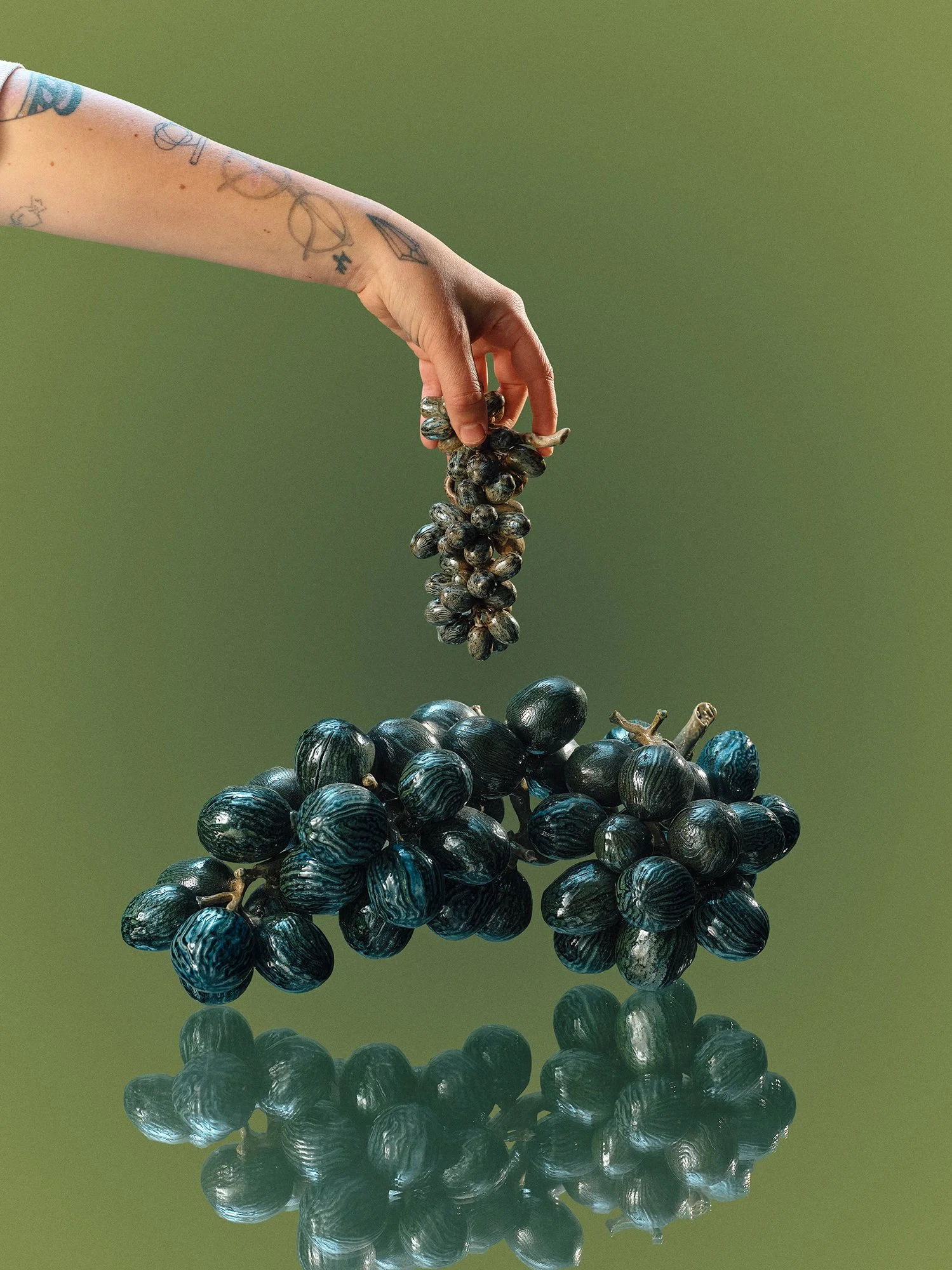
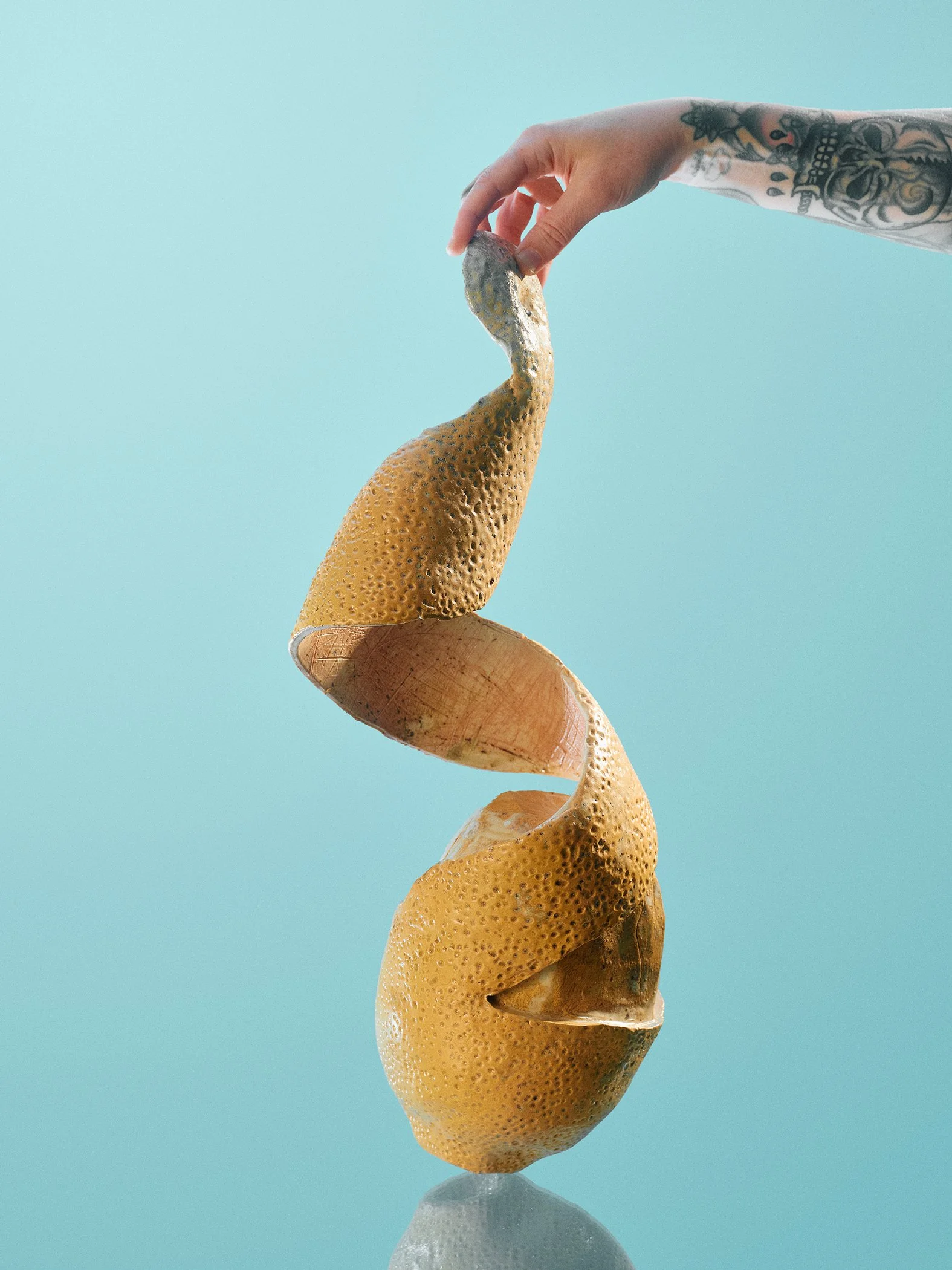
Artworks part of Trompes by YYY Collection. Image courtesy of YYY Collection’s website.
The series functions as a modern memento mori—a reminder of food’s death. In traditional still-life paintings, rotting fruit symbolized the fleeting nature of life. In Lloyd’s Trompes, the "rotting" fruit is frozen in time, symbolizing the lingering impact of people’s consumption habits. It asks the viewer: If your trash lasted forever, would you be more careful about what you threw away?
Ultimately, YYY Collection’s work is a lesson in mindfulness. It urges audiences to see the beauty in the leftovers and to reconsider the lifecycle of the food that passes through our hands. By placing a porcelain rind on a pedestal, Lloyd suggests that the path to a sustainable future involves viewing household waste not as something to hide, but as something to own.
Explore the deceptive beauty of the Trompes series at YYY Collection or follow the artist’s process on Instagram.