
Artist and filmmaker Arthur Jafa's upcoming exhibition as Calgary's Esker Foundation, Love is the Message, the Message is Death centres Black life in the U.S. and the complexity of African American culture and experiences within a country steeped in white supremacy.
Jafa's work evokes the United Nations Sustainable Development Goal of Reduced Inequalities. The artist celebrates Black creativity, joy, and spirituality, spotlighting this against and instead of the perpetual anti-Black violence imposed on Black Americans in the United States.
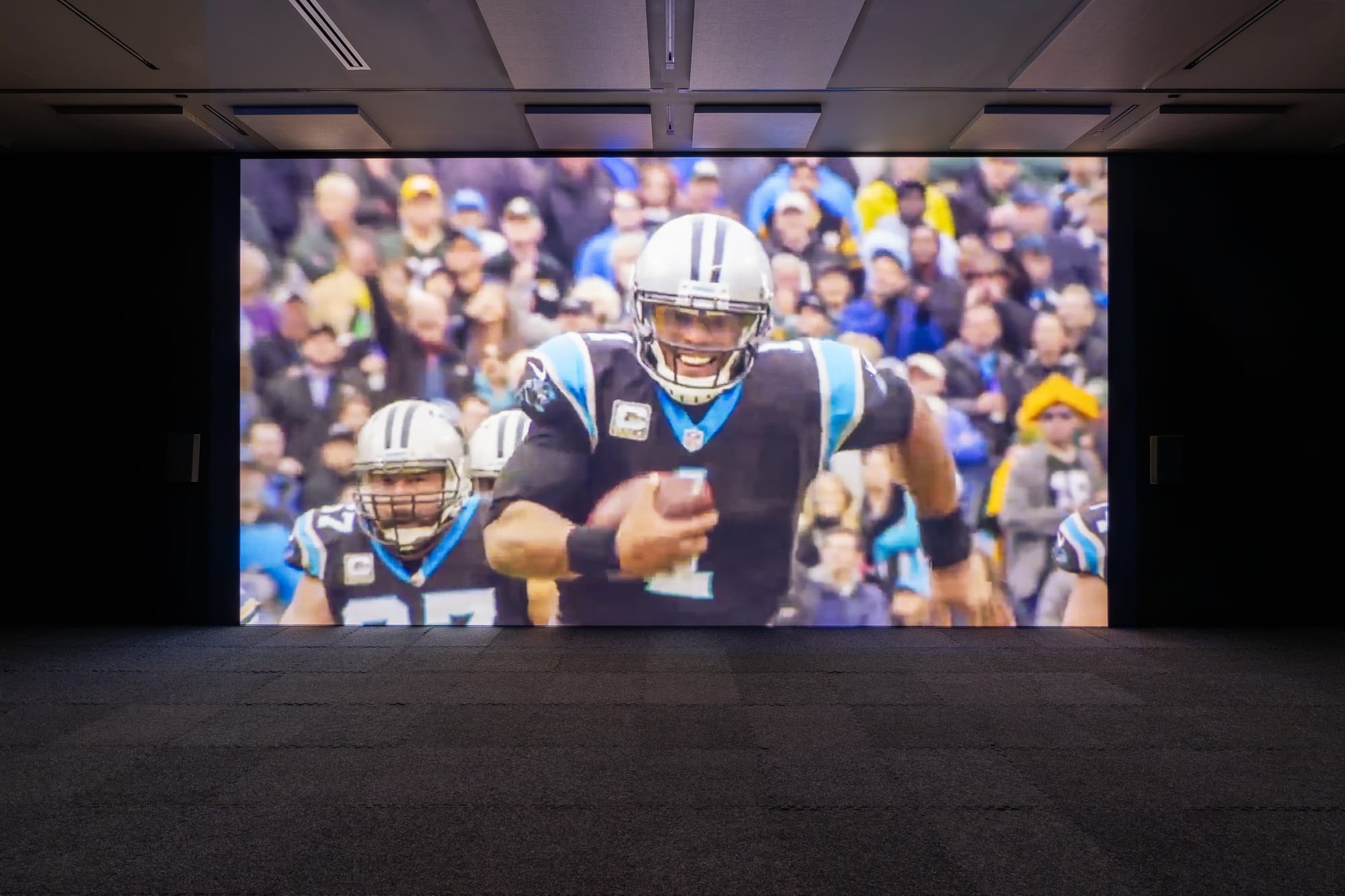
Love is the Message, the Message is Death, a work created in 2016, is a very well-celebrated work by Arthur Jafa, compiling visual records of Black American life. These records include historical footage, news broadcasts, viral videos, popular movies, sports footage, music videos, and footage that Jafa has shot.
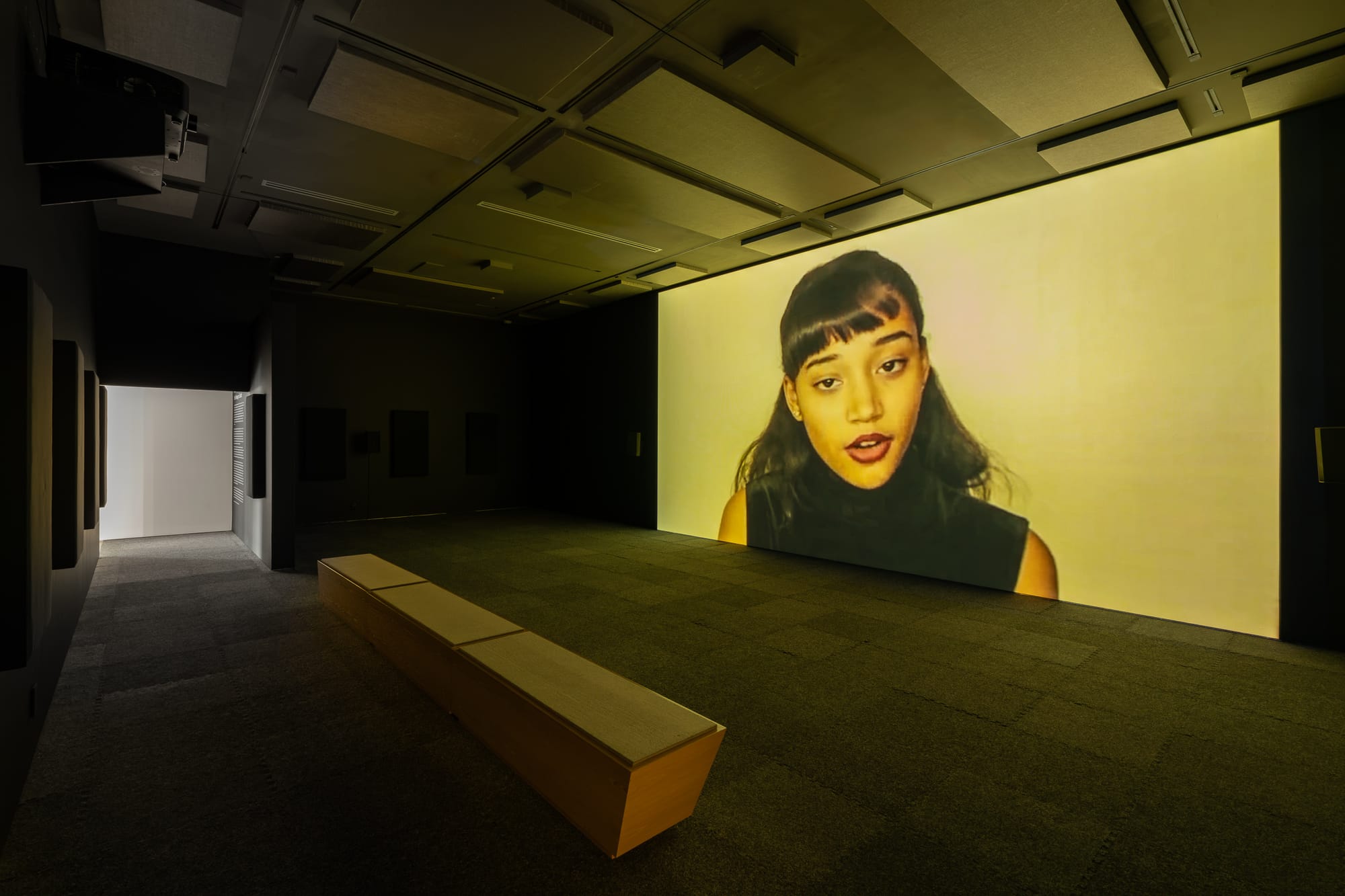
Dance and music are a particularly potent part of Love is the Message. Jafa's work slides between Swag Surf in a crowded gym, dance floors, shots of vogueing, and the Crip Walk, specifically the one done by Serena Williams after winning gold in the 2012 Summer Olympics. He creates a love letter to Black music by creating an editing style he calls "Black visual intonation," which has a candence that is meant to appear similar to jazz and gospel.
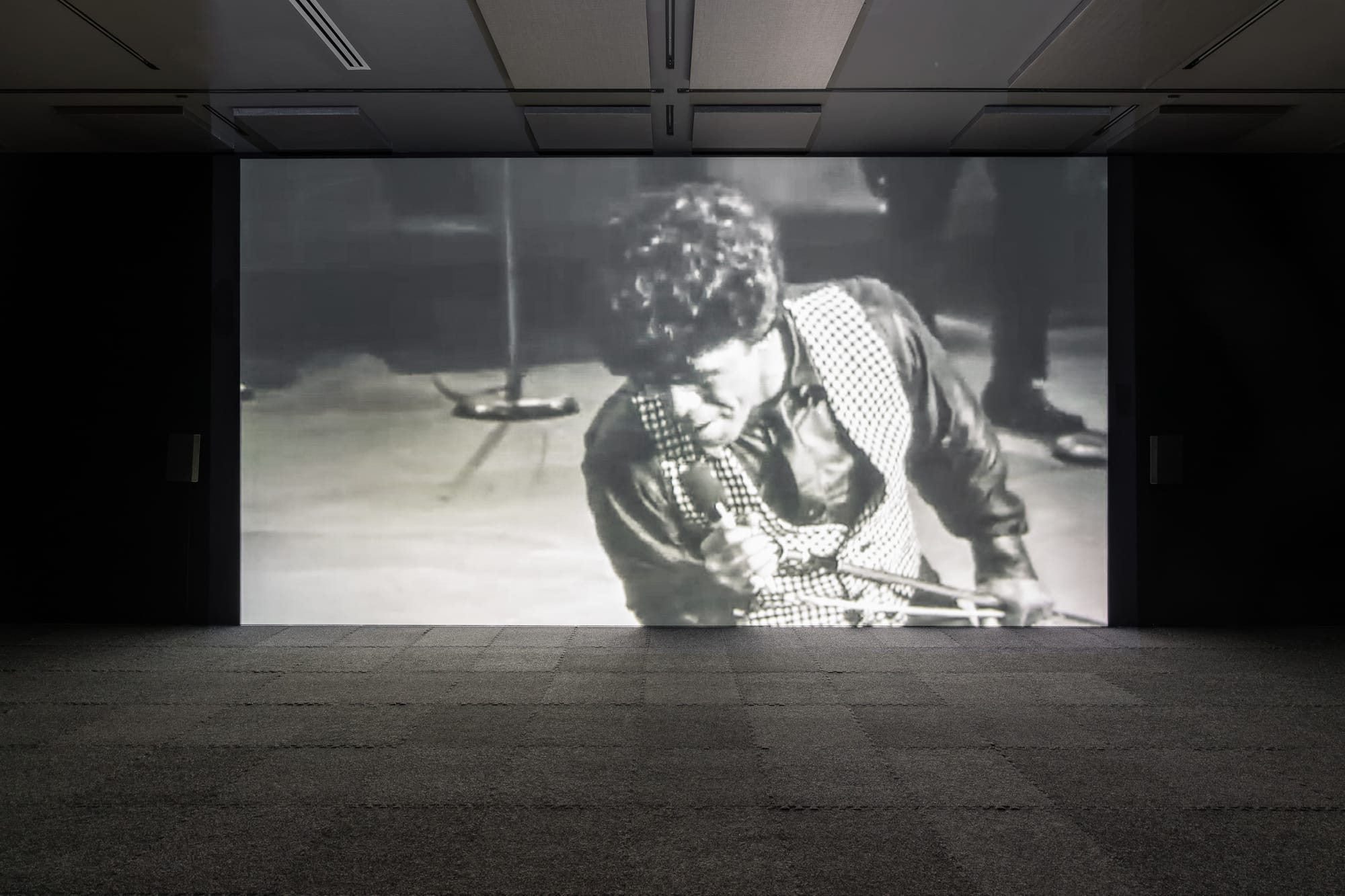
Arthur Jafa's approximately thirty years of artistic practices have produced some remarkable results and work that truly resonates with viewers. His work has been installed globally at The Metropolitan Museum of Modern Art, the Tate in London, and The Studio Museum in Harlem, as well as in other major institutions. But along the way he makes one thing perfectly clear: Black joy is worthy of being highlighted, and he intends to do just that.