
At first glance, the works of the Japanese, Brisbane-based artist Mai Naito appear to be oil paintings with swathes of soft light, blurred foliage and dreamlike rivers that recall the works of Impressionist masters. However, upon closer inspection, the brushstrokes reveal themselves to be pixels as instead of paint, as she photographs to create her works of art. In doing this, she is re-stitching the frayed connection between humanity and the natural world, reminding people to be more mindful of nature while at the same time soothing their state of mind. This is why her works are aligned with the United Nations Sustainable Development Goals of Good Health And Well-Being and Life on Land.
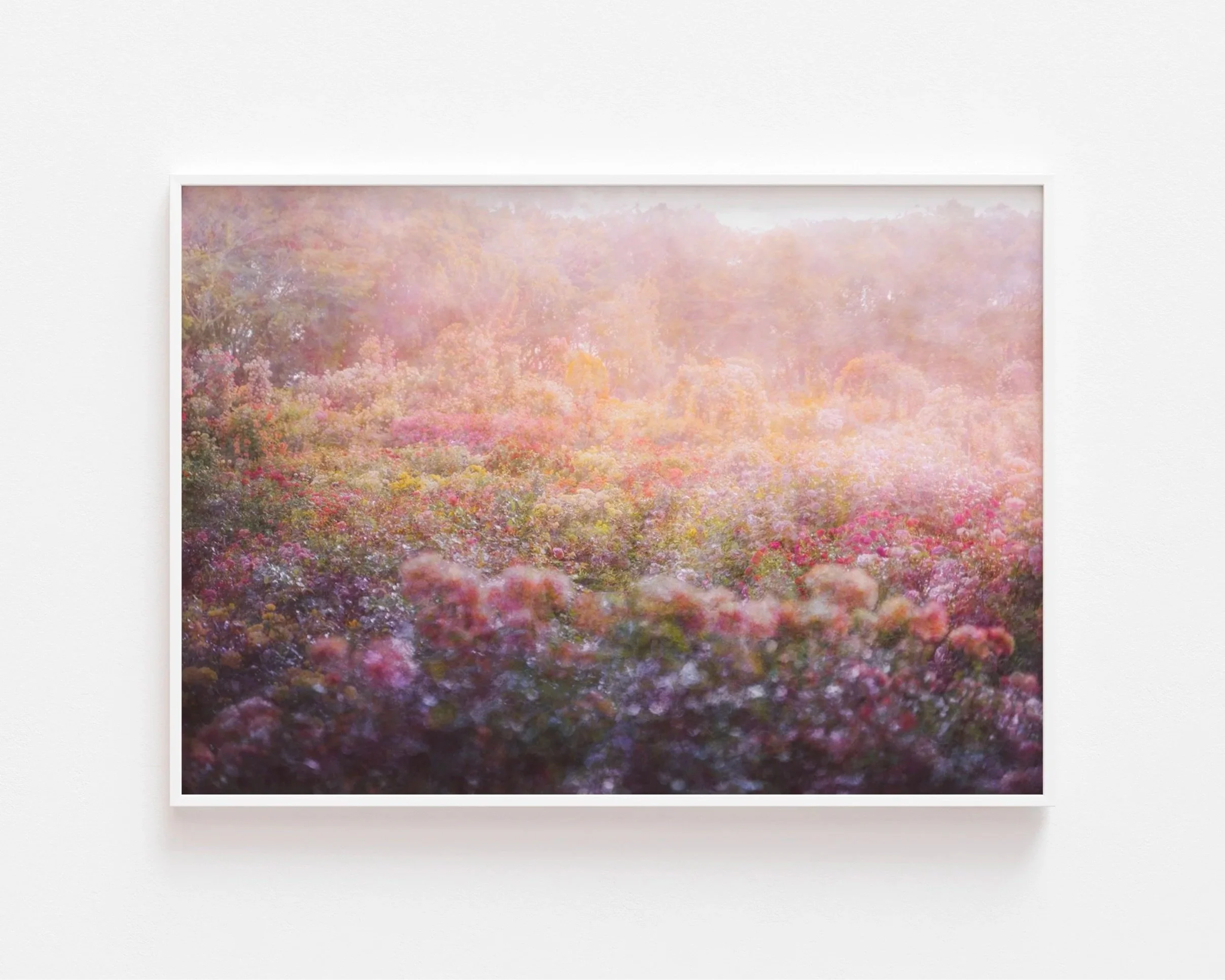
Naito's practice explores the concept of Wundervei, a term used to describe the deep introspection experienced in moments of quiet solitude during a solo nature walk. Born in Osaka and trained at the Queensland College of Art and Design, her work reflects an intuitive and contemplative way of seeing. As she explains in Spectaculum Magazine, her images are shaped through an ongoing engagement with landscape across shifting moments of light and atmosphere. Rather than presenting a fixed view, her work evokes the way memory is formed, where a forest is not recalled as a single instant but as a passage of time shaped by light, movement, and feeling. This approach invites a sense of nostalgia and quiet reflection in the viewer.
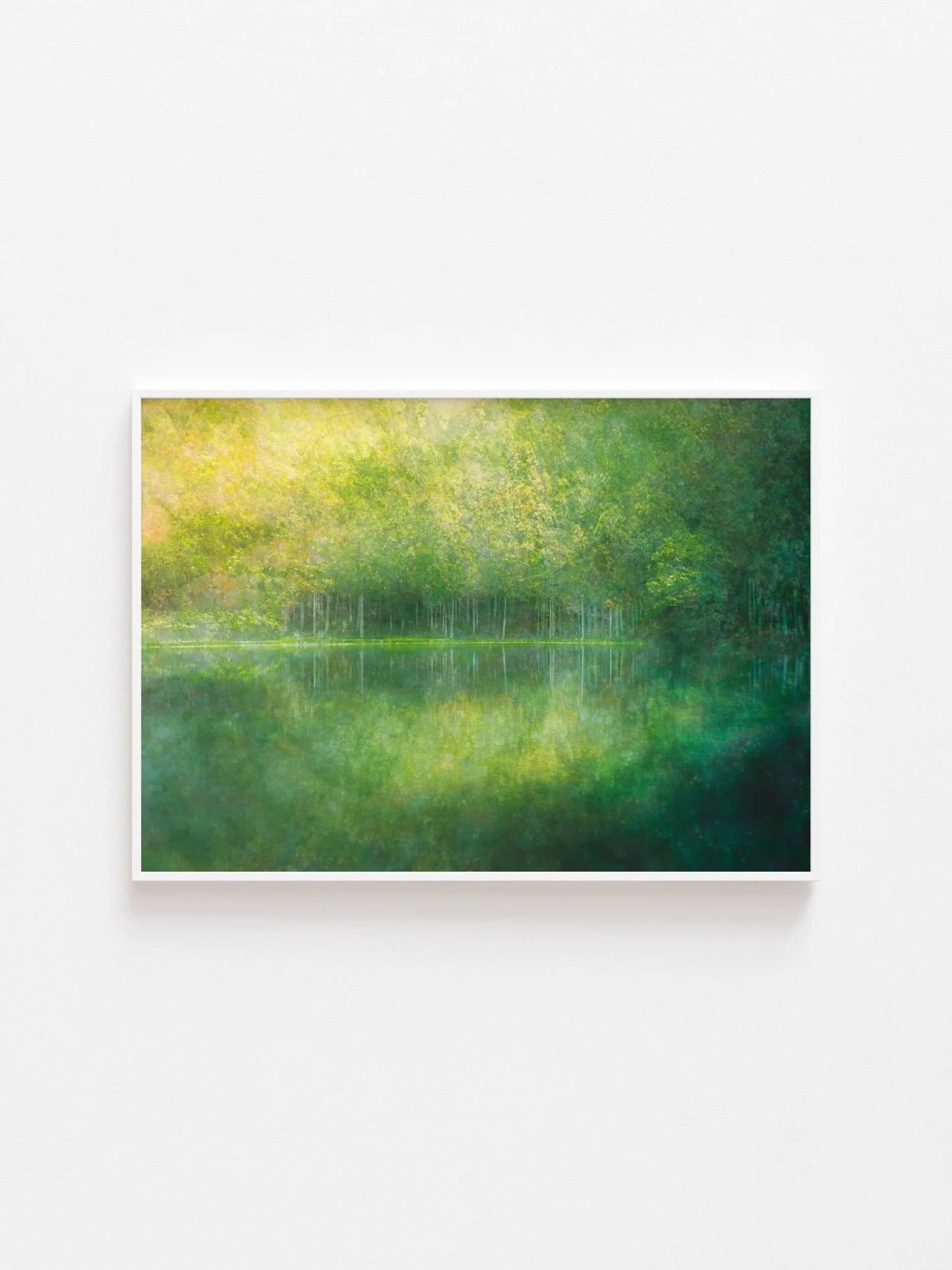
Naito views her work as therapeutic art, a visual escape designed to induce calm in an increasingly high-stress, urbanized world that increasingly replaces greenery with concrete. Her work presents nature as a psychological refuge instead of as a source for material goods. She invites her viewers to slow down, all while campaigning for the preservation of green spaces around sites of urbanization.
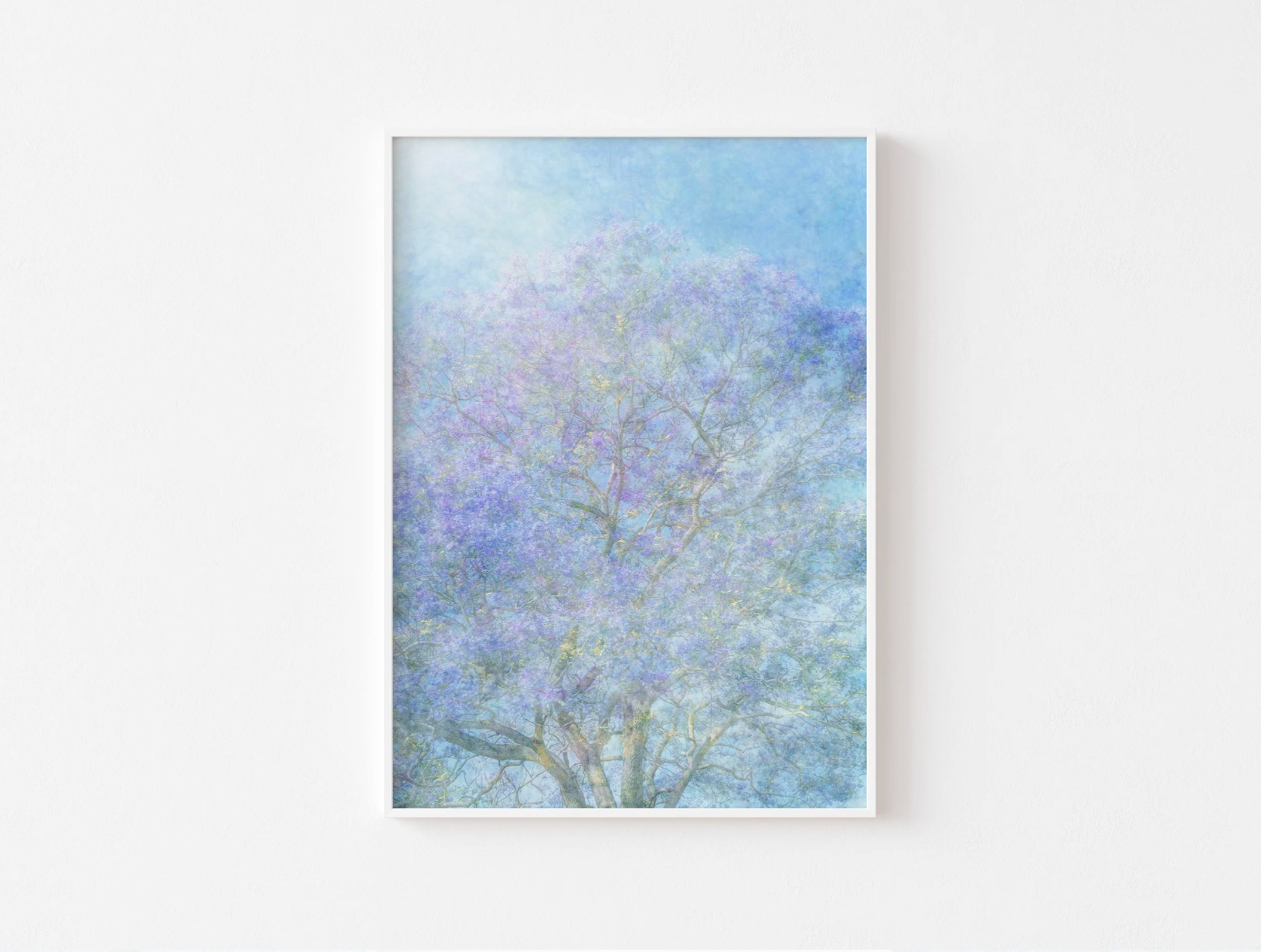
This coincides with how the UN Environment Programme (UNEP) warns that nature is declining globally at unprecedented rates, with an estimated 1 million species threatened with extinction and 75 per cent of the land-based environment significantly altered by human actions. This crisis is indeed fueled by a fundamental disconnection, one where humanity’s increased use of digital and urban spaces sees it retreating from natural ecosystems.
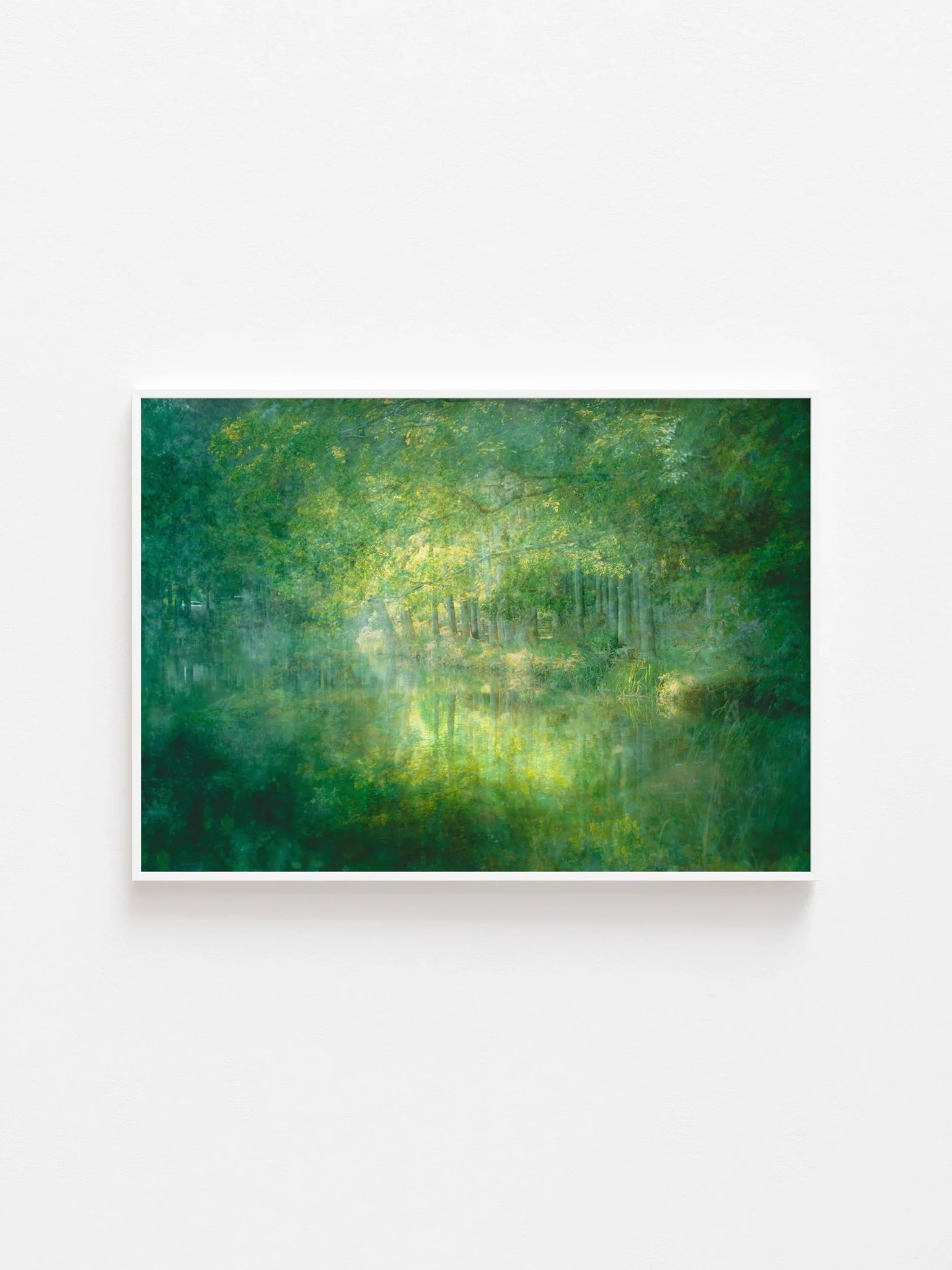
Naito’s work then acts as a gentle corrective to this apathy. By luring her viewers into landscapes that initially appear as paintings, she lulls them into a deeper appreciation of ecosystems that are often overlooked in daily life. Her work argues that people cannot save what they do not love, and they cannot love what they do not truly see. The seemingly fragile quality of her images—where trees and skies seem to dissolve into one another—mirrors the fragility of today’s environment. Allowing her art to serve as both a therapeutic escape and a call to action.
Immerse yourself in the stillness of Mai Naito’s world at Mai Art Studio or follow her journey on Instagram.