
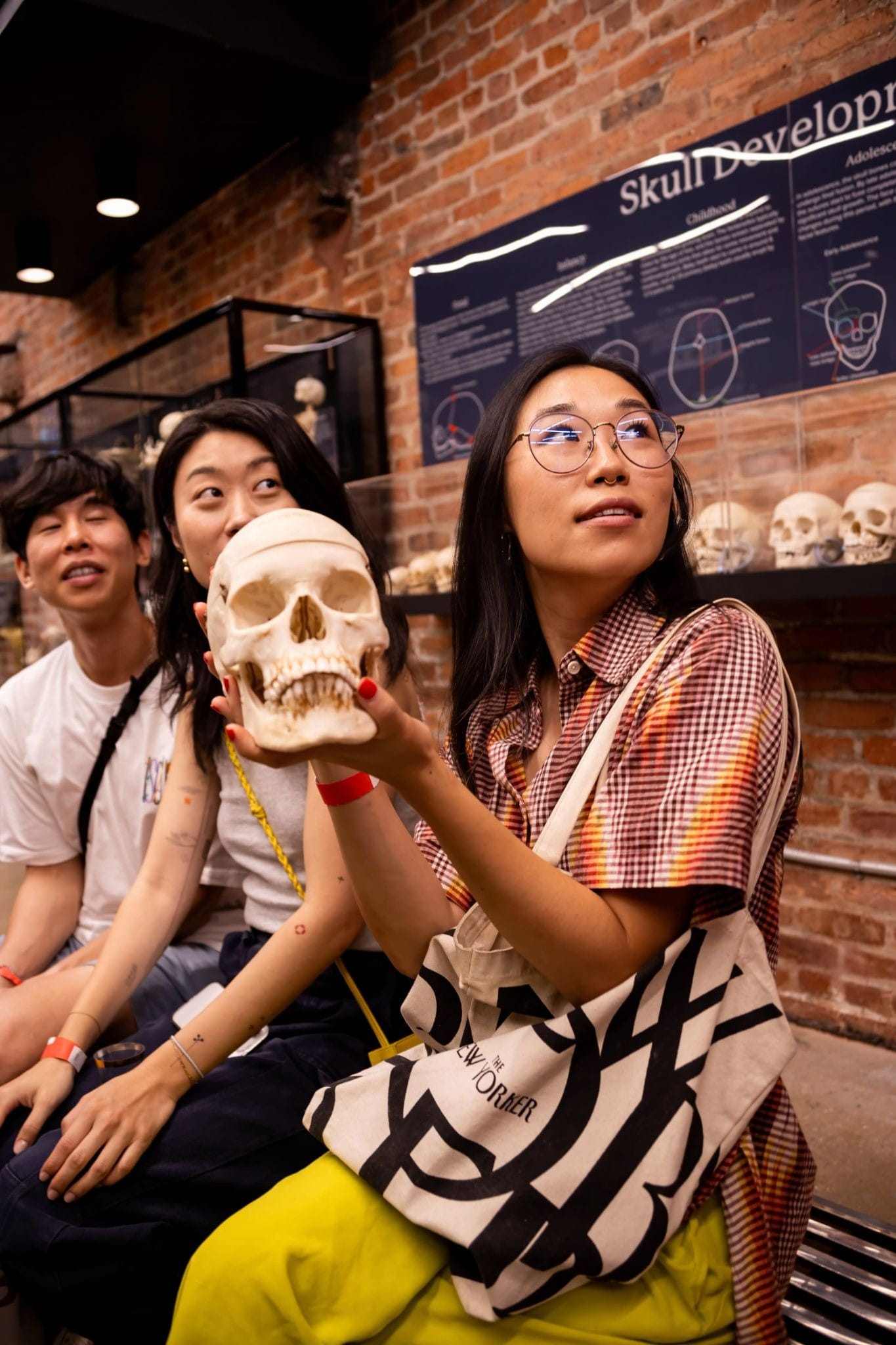
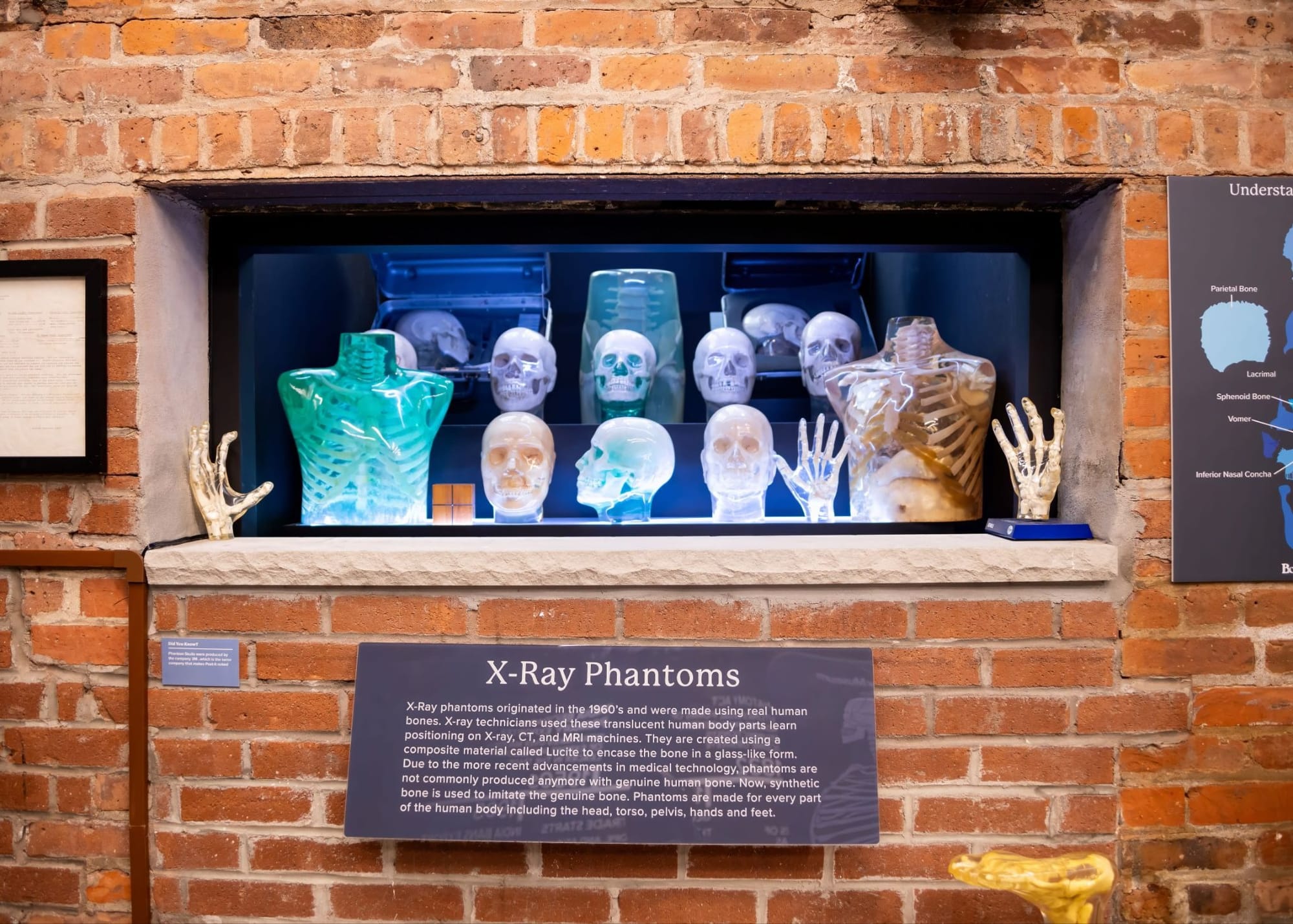
The Bone Museum in Brooklyn, New York, was opened in October 2023 as a 1,000-square-foot showcase of human bones, the largest of its kind in New York City. The museum aims to share the history of medical osteology, a branch of medicine focused on studying human bones. It is run by and founded by JonsBones, a leading provider of ethically sourced human bones for education and science in America. With tickets priced at $20 for general admission and $15 for age and educational affiliations, the museum aims to open up the world of osteology to the wider public, ensuring renewed and accessible interest in the field. Thanks to their efforts, they now have over 1.5 million followers on Instagram, who eagerly wait for more educational content. This is why their work is aligned with the United Nations Sustainable Development Goals of Quality Education and Reduced Inequalities.
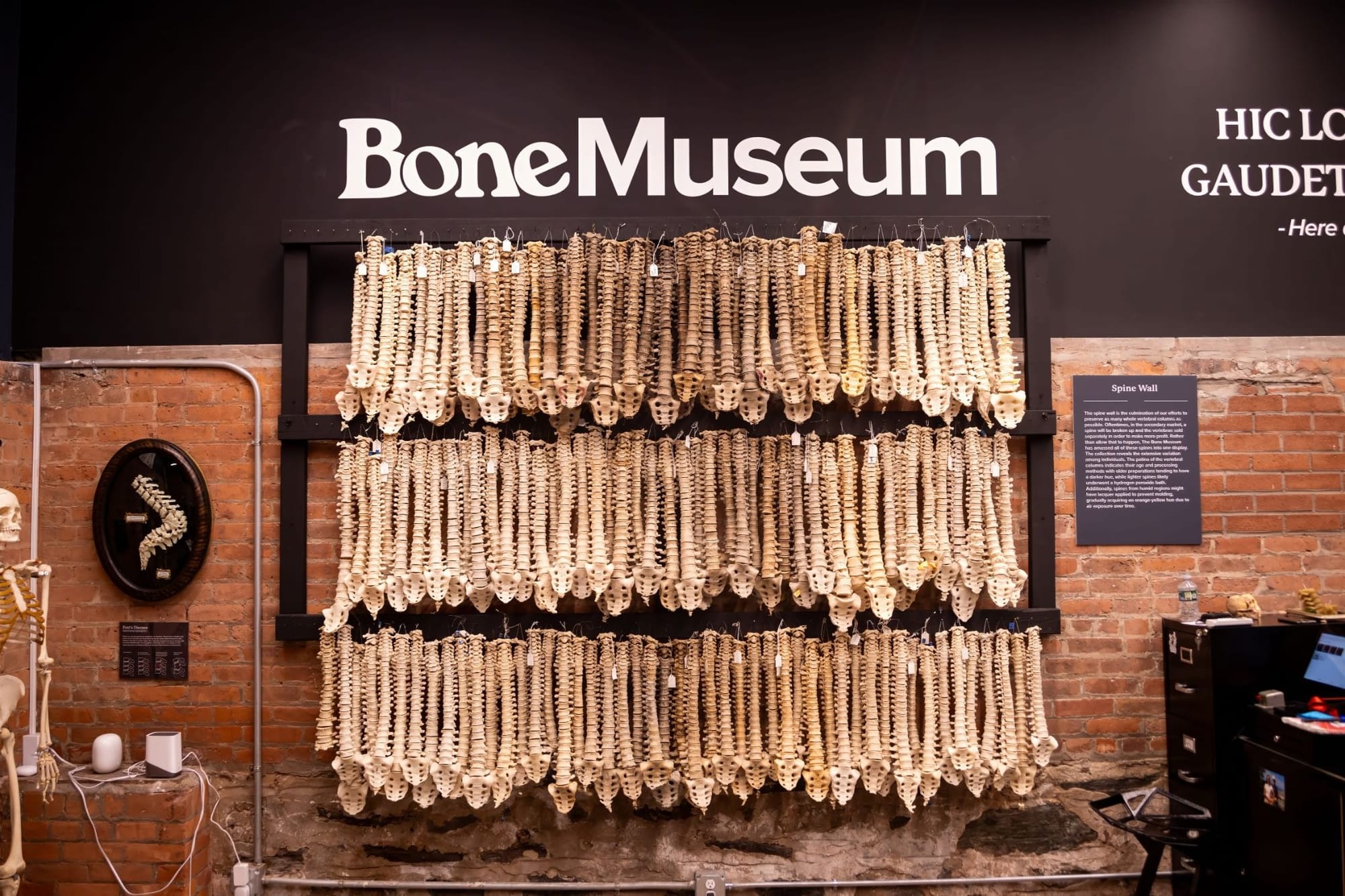
Jon Pichaya Ferry, the founder of both The Bone Museum and JonsBones, has stated that his mission with the museum and his business is to change “The Conversation Around Bones – From Taboo to Teaching.” In a blog post, he shared his journey and struggles with osteology, which began as a childhood fascination and eventually grew into a hobby that was too expensive for a high schooler. He only managed to find community in the field in university at the Parsons School of Design, New York City, albeit while pursuing a degree in product design. This is why he firmly believes that there is a need for further conversations and spaces that can foster people’s fascination with osteology, as for too long, taboos have kept the industry closed off from the rest of the world, inhibiting the quick progression of necessary life-saving innovations.
People view osteology as macabre, considering respect for human remains to be a priority over scientific studies. However, this is merely the surface when it comes to the field’s concerns. That would include everything from the repatriation and reburial of Indigenous remains that have been held in museums or research institutions to the racialized aspect of osteology history, where unfounded scientific theories around racial differences (e.g., the "black bones" myth regarding bone density and athletic aptitude) have created significant mistrust and ethical concerns. This is where institutions like the Bone Museum come in and make a difference.
The Bone Museum opens up a subject shrouded in taboo into an accessible dialogue about life, death and the stories our skeletons hold. By democratizing osteology with affordable admission and a massive digital reach, they are not just displaying bones but building bridges that invite the public to shift their opinions about bones from unease to understanding. Along with its public success, the museum also carries a heavy weight: it must navigate the field’s troubled history with sensitivity, and ensure that its education advances with both curiosity and conscience. Ultimately, The Bone Museum stands as a simple but powerful statement: that knowledge of our own bodies should not be a privilege for the few, but a right—and a revelation—for all.
Find out more about the Bone Museum and their different exhibitions and initiatives by checking their website www.thebonemuseum.org or Instagram on @jonsbones.