
As readers flip through the chapters of The Chase, author Felix Francis offers a fascinating, meticulously researched glimpse into a specialized realm—the world of fine art. Intertwined with the life of an art collector, his paintings, and a rare art collection suddenly in distress, the novel offers a compelling blend of mystery, suspense, and art. From the beginning, the United Nations Sustainable Development Goals are evident throughout the story. In Tulley’s novel, the sale of art, artifacts, and horse paintings strongly demonstrates Decent Work and Economic Growth and Responsible Consumption and Production.
In the novel, forty-nine-year-old Fabian Tulley owns his own art gallery in London’s Mayfair. Through his art gallery and global sale of paintings, he portrays a firm activism centred on sustainable consumption and production patterns. His commitment extends to productive employment for all rather than pursuing individual gain. But Tulley suddenly faces harsh adversity.
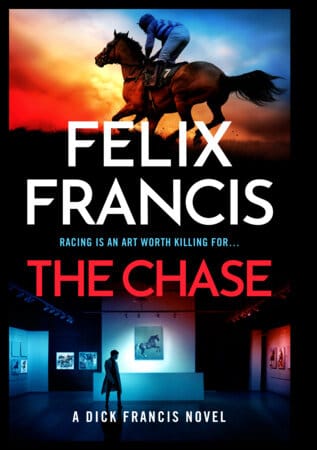
Fabian receives legal papers from the Solicitors at Law accusing Tulley of selling a forged Alfred Munnings painting. The buyer is billionaire Jack Lofthouse of Yorkshire, who sues Fabian Tulley for selling fake artwork. Lofthouse is single-minded in ruining Tulley’s life. Nevertheless, Tulley is determined to prove his innocence and regain the precious painting.
Fabian Tulley’s art collection includes a full-wall painting of the eminent horse Pennine Wind in full gallop. Another striking portrait is of the horse, Golden Miller, painted under the setting sun and celebrating his Grand National and Cheltenham Gold Cup wins.
Tulley takes great pride in displaying these paintings during the annual horse races in London. Tulley arranges a retail sale at Cheltenham Racecourse, and these events also serve to promote innovation and industrialization through art. Jack Lofthouse, who accused Tulley of forging paintings, is a frequent vendor at the racecourses. So Tulley wants to use this opportunity to confront Jack Lofthouse in person.
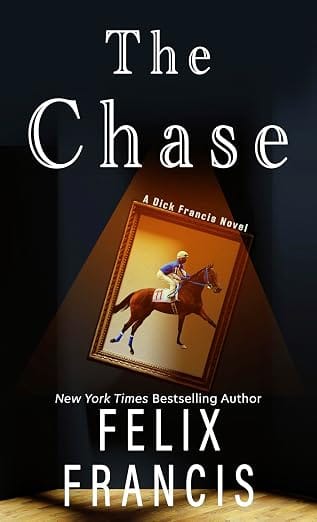
Yet, very unexpectedly, Tulley’s situation escalates when an attacker ruins his exhibition and wrecks several of the paintings that were put up for sale. Then a few men try to run him down in the racecourse parking lot. Destruction and desolation overpower Tulley’s otherwise peaceful existence. A hardworking art connoisseur, he has always tried to maintain harmony and well-being in his personal and professional life. These unexpected circumstances add to his financial woes, desperation in life, and hopes for the future.
A former client of Tulley who is an accomplished lawyer steps in to assist with the legal proceedings. What follows is a gripping battle of wits that extends over the rest of the novel. Throughout the trial, Tulley is found to be a true gentleman. As he navigates the distressing turn of events, his firm focus remains on clearing his name and, above all, reinstating the reputation of fine art.
Author Felix Francis offers a suspenseful, intriguing story. He enriches the narrative with insights into horse racing, horse painting, high-end art collections, and art market deals. In weaving these facts efficiently, the author exposes the complexities of human relationships, greed, and the power of wealth.
With an engaging and believable plot, this novel is an enjoyable read. Tulley strongly believes in and wants to promote Peace, Justice and Strong Institutions, and inclusive societies for all.
The audiobook version of The Chase, narrated by British actor Martin Jarvis, adds delight and is available on Kindle e-readers and Google Play.