
Disclaimer: The following article contains spoilers for 'The Great Flood (Daehongsu)'.
In the history of disaster cinema, the apocalypse is often a spectacle—a backdrop for action heroes to outrun explosions. However, the South Korean film The Great Flood (Daehongsu), directed by Kim Byung-woo, reframes the catastrophe not as a thrill ride but as a suffocating, claustrophobic reality. Set in a Seoul submerged by unprecedented rising tides—triggered by an asteroid strike melting Antarctic ice—the film traps its protagonists in a sinking apartment complex that serves as a grim microcosm of our own precarious future. While the narrative eventually pivots into a mind-bending sci-fi loop, its core imagery functions as a visceral warning aligned with the United Nations Sustainable Development Goals of Climate Action and Sustainable Cities and Communities.
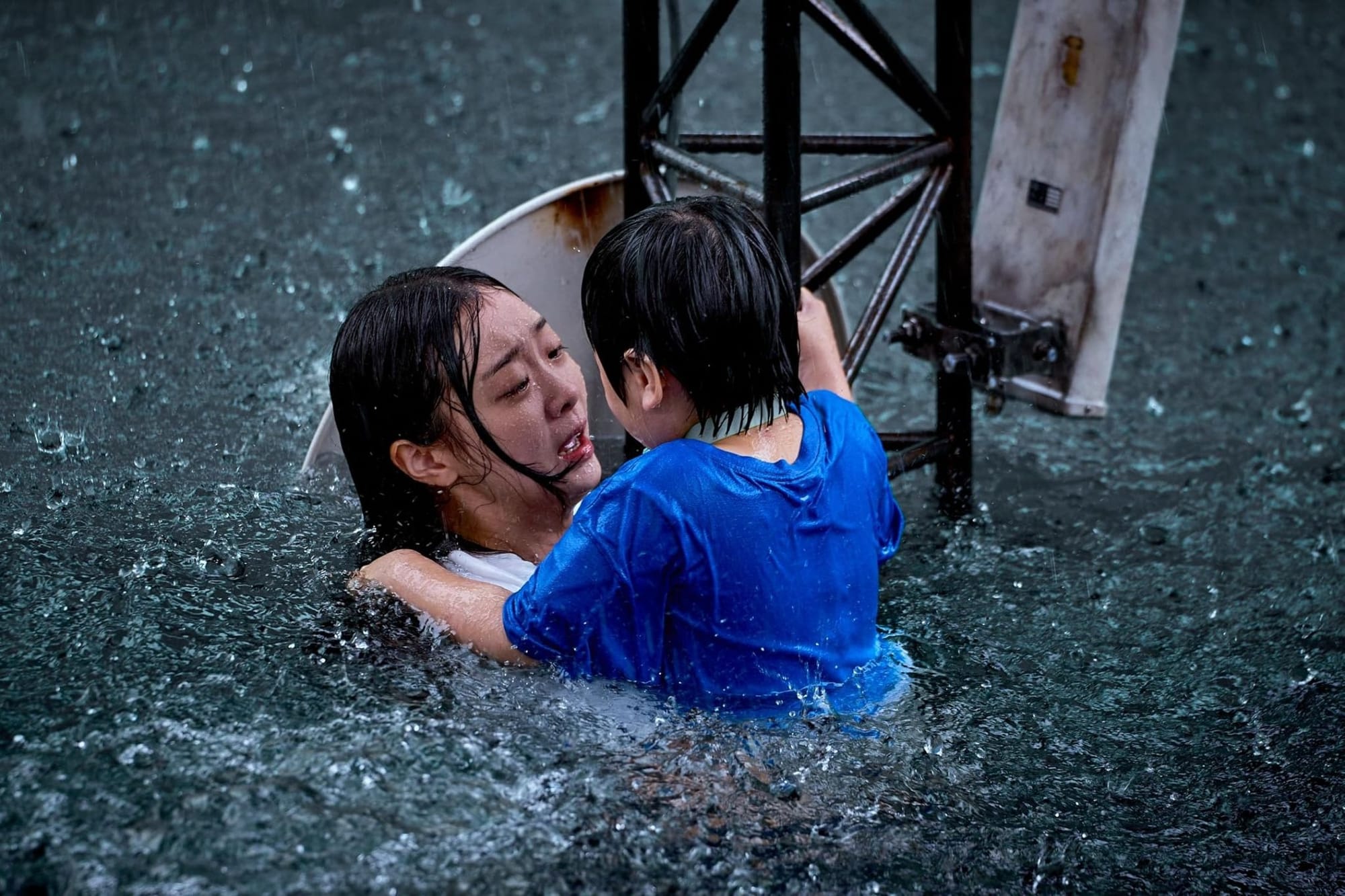
The film stars Kim Da-mi as Anna, an AI researcher struggling to survive with a child as water swallows her apartment building and the rest of the world floor by floor. The premise creates a terrifying visual language for the climate crisis, one where the breakdown of urban infrastructure is absolute. The water infiltrates into private spaces, turning common urban homes and safe havens into death traps. This depiction highlights the critical necessity for climate-resilient cities—especially as we watch residents in the film scramble for higher ground in buildings unequipped for such a disaster.
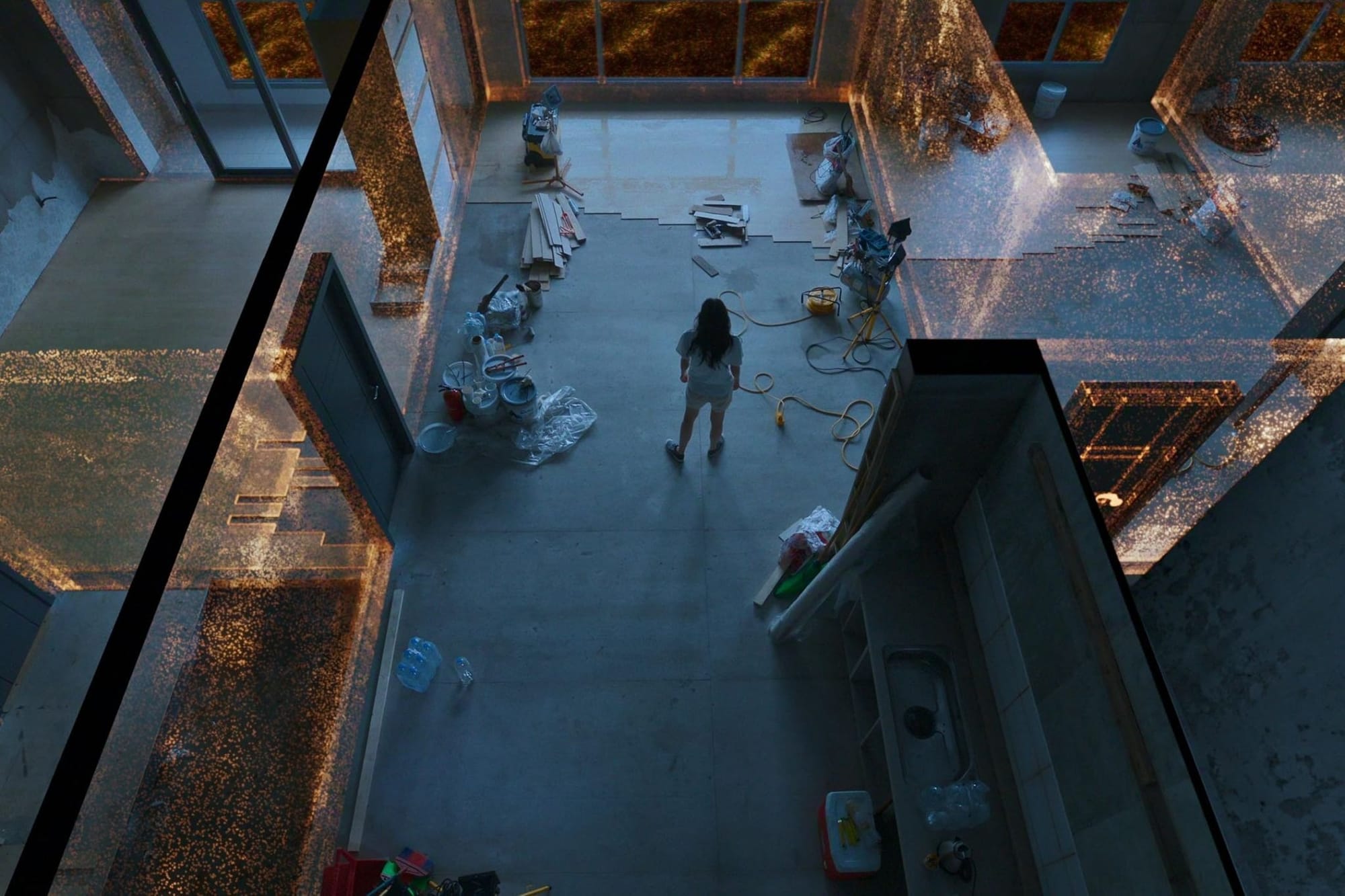
Midway through, The Great Flood reveals its genre-defying twist: the disaster becomes a simulation, a repeated loop designed to test human responses and create the perfect mother artificial intelligence (AI)—one that will nurture the next generation of human beings on a distant planet light-years away, as the current one has become unlivable. Rather than diminishing the stakes, this plot device amplifies the film’s philosophical weight. Anna has created the AI in her image, forcing it to relive the catastrophe, making evolving choices in each iteration that would further benefit her child and all of humanity.
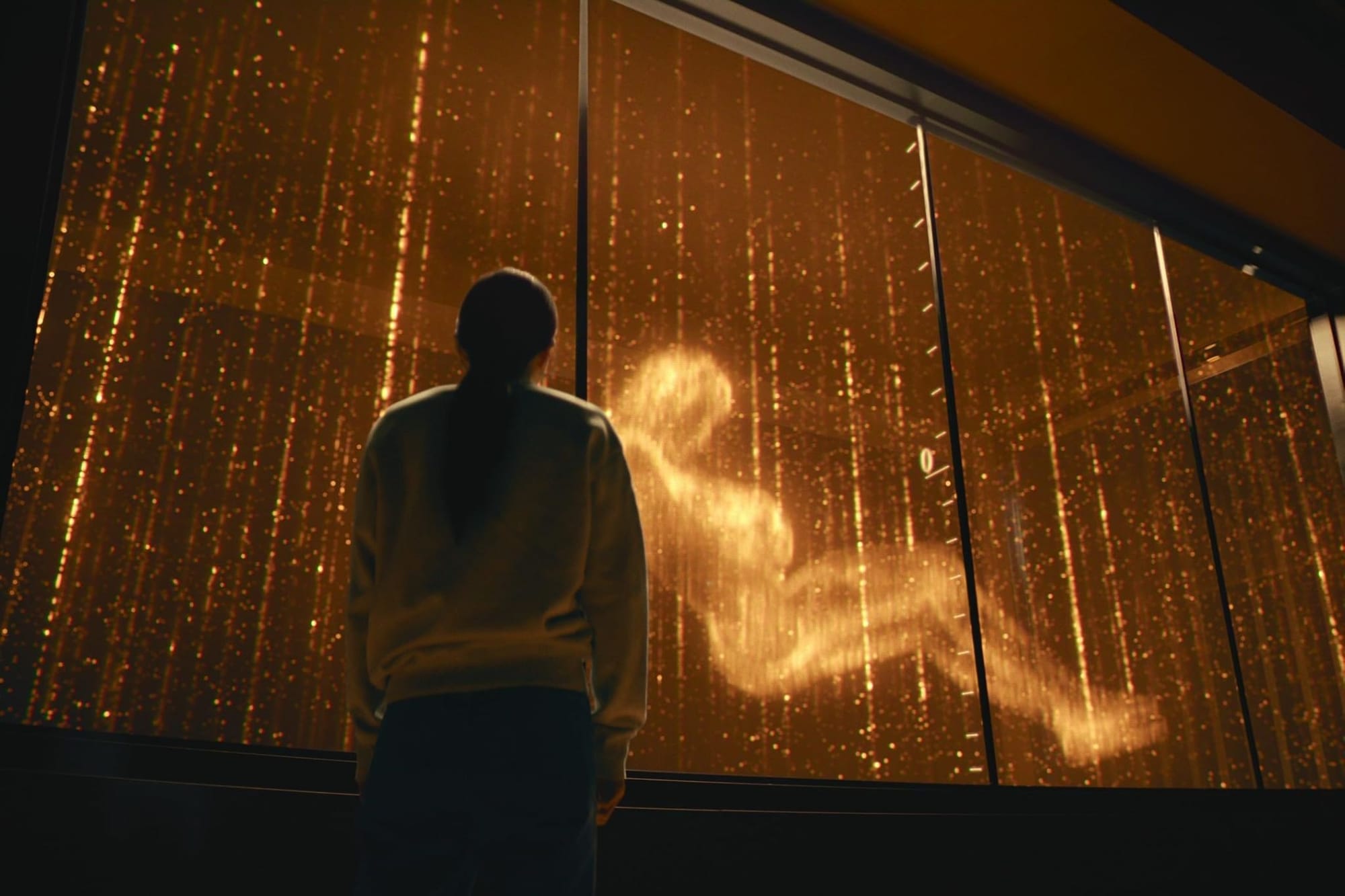
This posits the narrative that climate action should not be a matter of selfish isolation. In early loops, the instinct is self-preservation—to hoard resources and abandon others. These attempts inevitably fail. It is only when Anna prioritizes active empathy and collective rescue that she begins to find a way forward. The remedy for the future, the film argues, lies in the recognition that we are all in the same sinking building, calling for an intersectional approach to climate action.
The Great Flood moves beyond the typical disaster movie trope of the lone family survivor. It challenges the audience to treat the current climate emergency with the same life-or-death focus required of its protagonists. Unlike Anna, we do not have the luxury of a simulation’s reset button. The rising tides we face are real, and the time to choose collective action over apathy is now.
Watch the trailer for The Great Flood on Netflix or read more about its production here.