
Does art have to be static? A gallery is typically a place for quiet looking, where visitors are expected to stand back and observe. Such a traditional setting can feel distant and strict, sometimes imposing rules like "look, but do not touch." Yet art can be much more than a static object. It could be an active experience that requires interaction to be complete and that changes the focus from what the artist finished to what the audience creates with the artwork.
In this context, the idea of immersive interaction enters the art space. Interacting this way brings out an honest, childlike self and makes people feel free to engage without social pressure. This makes it easier for the art to build community and shared moments.
Yasmeen Sabri, a Jordanian artist, curator, and cultural producer, specializes in designing exactly these kinds of experiences. She uses installations, materials, and found objects to explore social connection and identity. Through works like The Network of Swings, Yasmeen's practice addresses the need for accessible public spaces and community dialogue, linking directly to the the United Nations Sustainable Development Goal of Sustainable Cities and Communities. We are pleased to welcome her to Arts Help to discuss her compelling work.
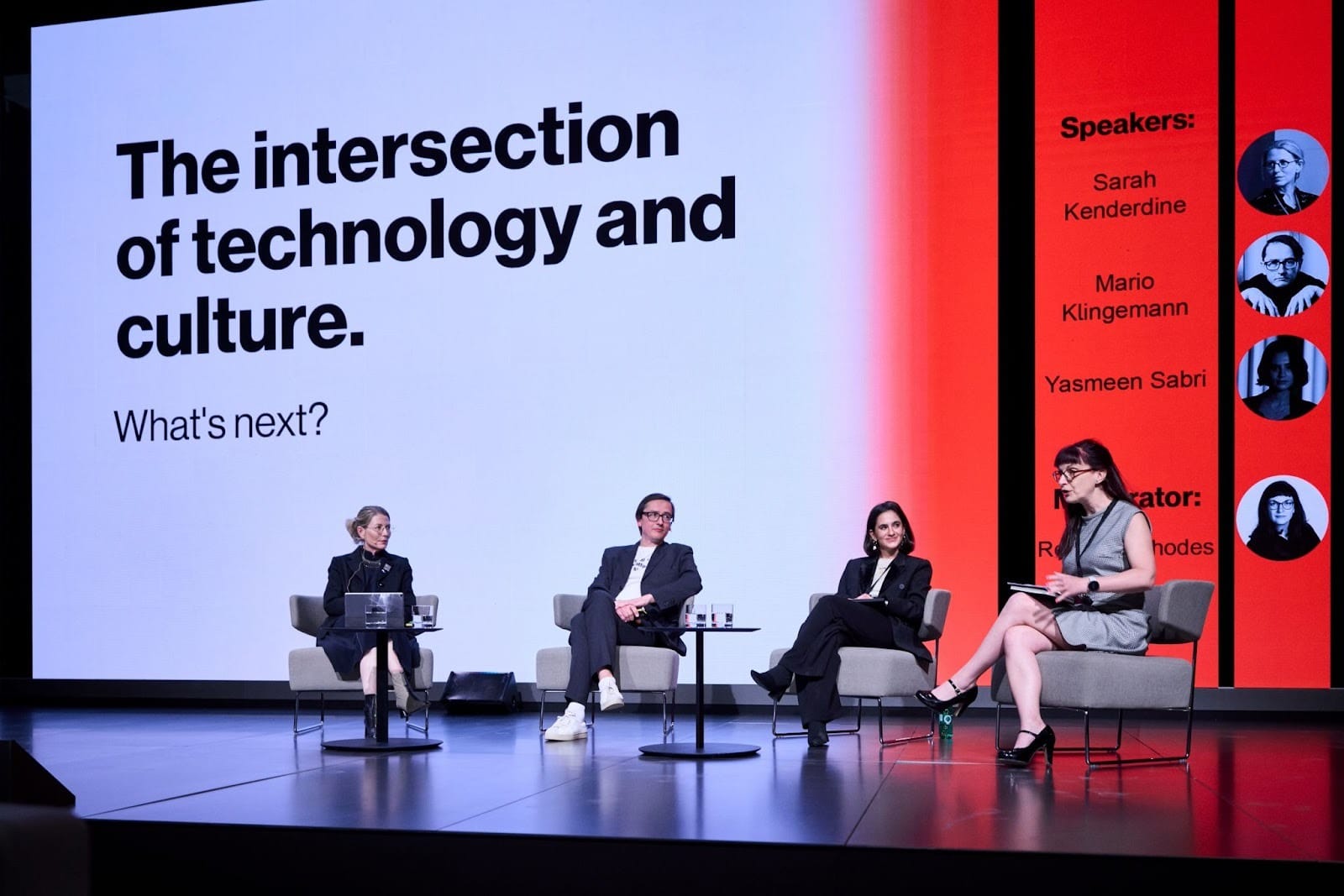
Arts Help: We would love to talk about your unique approach to art. Given your work with everyday objects and immersive experiences, what does the word "art" mean to you today, and how do you feel it is evolving?
Yasmeen Sabri: I believe it's about finding interest in an object, learning about its history, and then giving it a new one. For me, art is a moment of creative genius being imbued in an object. I see its evolution moving toward greater immersion and connection.
AH: You challenge the "passive" nature of traditional exhibition spaces. What, in your opinion, makes a space interactive and inviting for an audience?
YS: Communication, visitor experience, and programming. These three elements work together to break down the traditional barrier between the viewer and the work, making the space accessible and engaging.
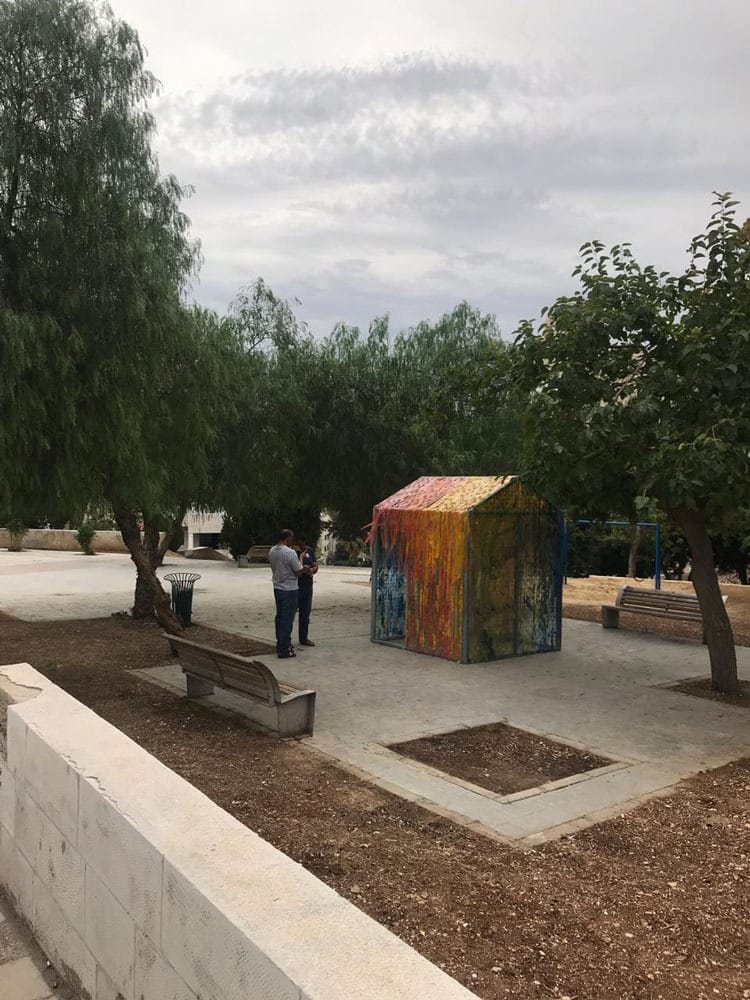
AH: The notion of play is important to your work. How does inviting an audience to "get lost" and "play" in an art space contribute to their understanding and connection to the art?
YS: It fundamentally breaks down barriers. It invites people to behave without inhibition, to revert to a childlike self, and to connect with and experience the art freely and directly. Play is a state of mind that allows for genuine engagement.
AH: Your installations invite people to be part of the art. Is there a particular piece that you feel "came to life" because of the audience's participation?
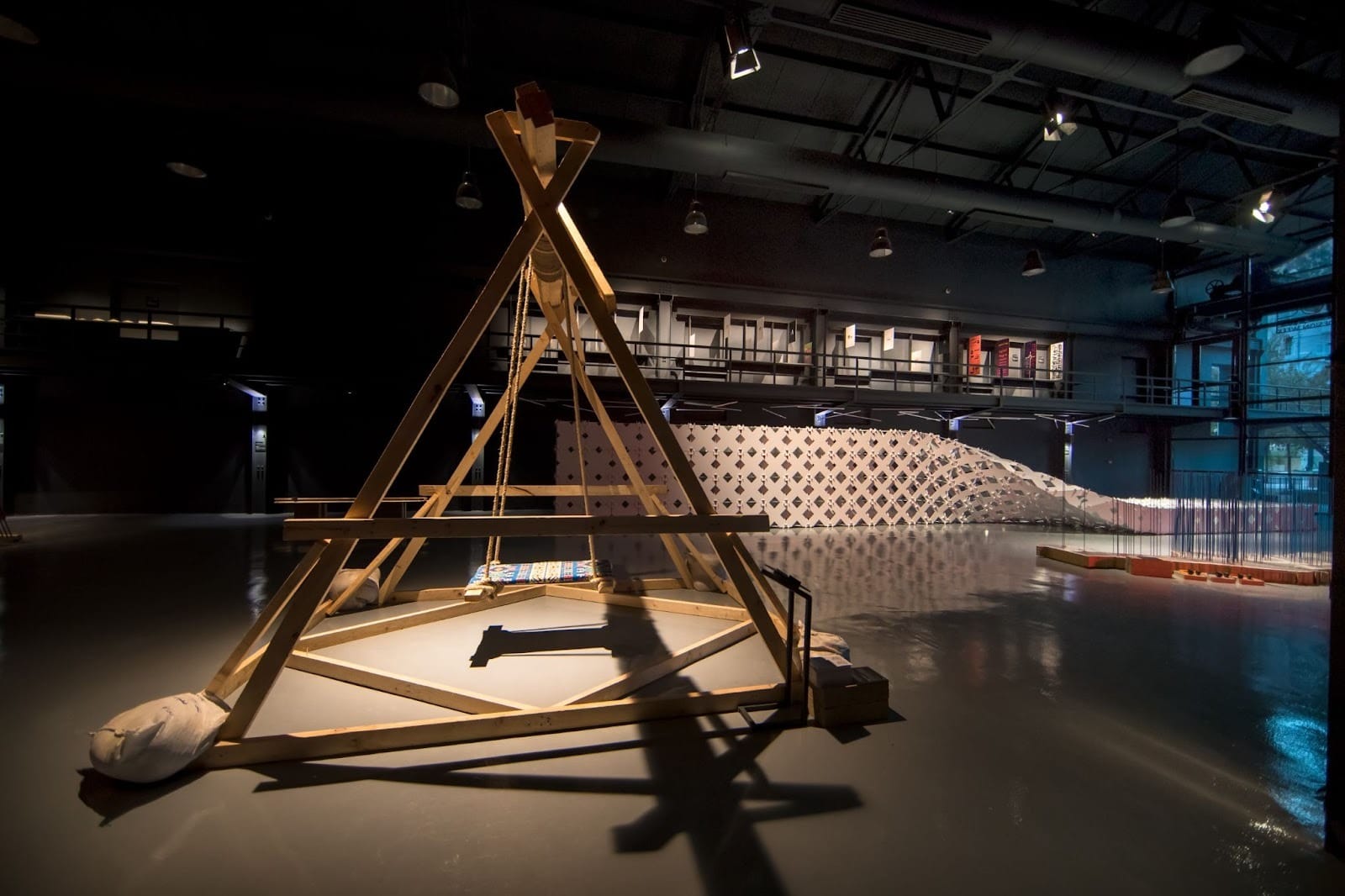
YS: Perhaps the network of swings. People are invited to swing together, and the act of play becomes a conduit that overcomes social, economic, cultural, and even physical or geographical backgrounds. That collective, joyful action truly activated the piece.
AH: If you were to create a piece based on an emotion, which emotion would it be, and how would you represent it?
YS: Contentment. My resolution for this year was to be content—not happy or ecstatic, not anything loud, but rather just at peace. I would represent it through a minimalist installation, perhaps using natural light and materials that evoke quiet equilibrium and a sense of grounding.
AH: What's a project you've worked on that didn't go as planned but taught you a valuable lesson?
YS: As artists, I feel we are conduits for creative genius. While we plan, I believe the work has a life of its own and ultimately comes out as it intends to. A more direct example, however, is 'Over the Mountains and Under the Sea'. It was commissioned for an exhibition in Pakistan, but when it came time to ship it, the cost was prohibitive. I had to strip the piece from the canvas and ship the work without the frame. This process actually further liberated the work and created a more immersive experience than originally intended. The lesson there was definitely to plan more carefully and have more concrete logistical information from the outset.
AH: When you're not creating art, what's a favourite hobby or activity that helps you find inspiration?
YS: Spending time in nature. I love diving, kitesurfing, climbing, and horseback riding. These are all high-energy activities that help me channel my energy both physically and mentally. They involve a lot of problem-solving, exact decisions, and trust, which are processes that feed back into my art.
AH: How do you define "success" as an artist? Is it a successful project or a positive impact?
YS: It's truly a journey, and as an artist, experience designer, and cultural strategist, the definition of success varies. When I'm creating work, success is an outcome that I find aesthetically pleasing. In my role in cultural strategy or artistic direction, however, it's the impact it has on the community and the way in which art and culture invite people to connect and get lost.
AH: If you could have a conversation with your younger self, just starting out at Central Saint Martins, what one piece of advice would you give her?
YS: My advice would possibly be: "Do not worry; it all comes at the right time." I often held back, feeling unequipped in comparison to my contemporaries, and so I overstretched myself, which almost burnt me out. My tutors always told me to "hone it in," which I initially took as an insult, as though they wanted me to be smaller. In reality, it was about focusing my energy and attention on fewer things. However, had I not experienced and tried all those things, I probably wouldn't be where I am now, so I wouldn't change the path. The advice would simply be to trust the process.
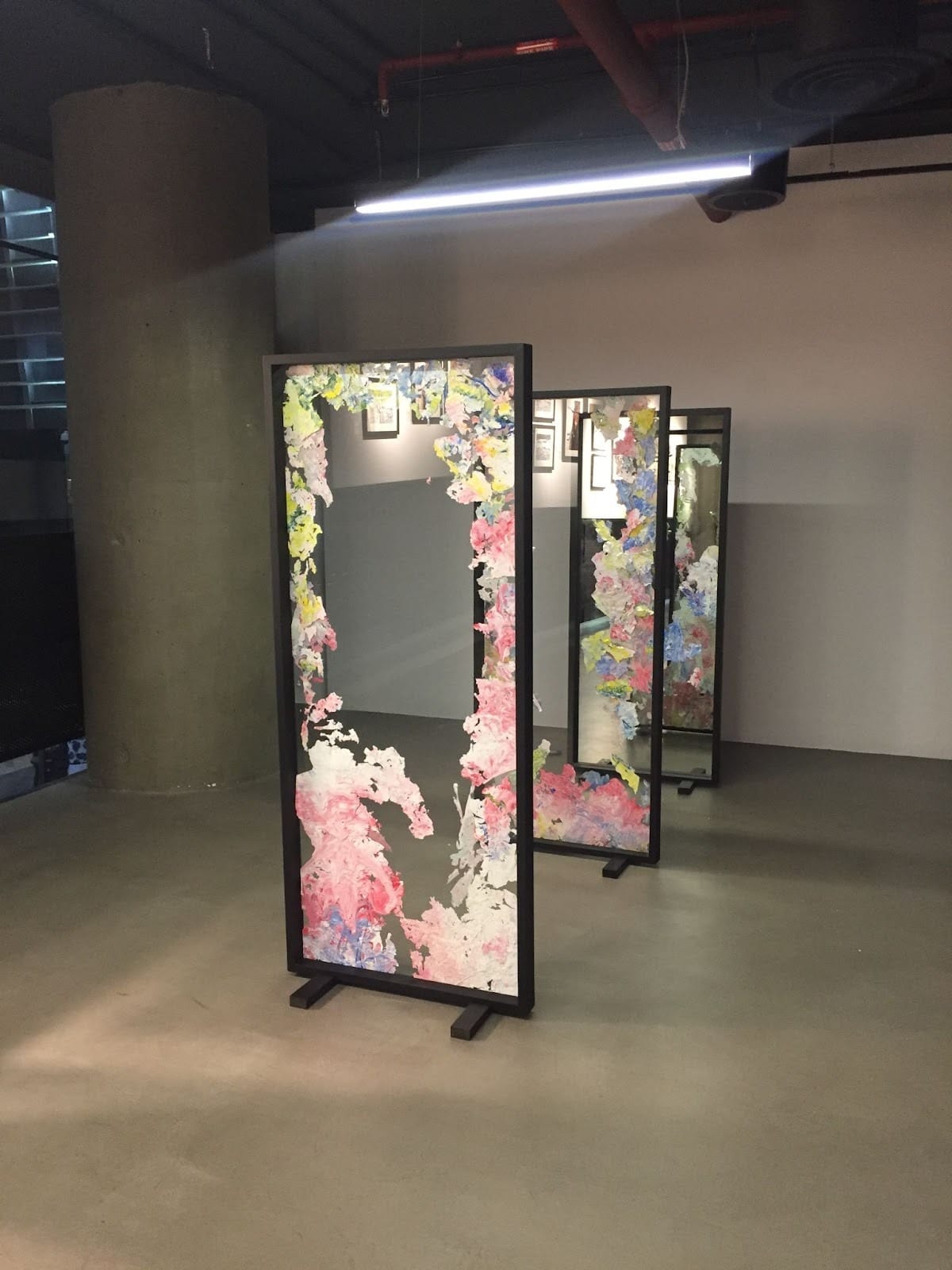
Art works best when it connects people. Yasmeen reinvents materials like old frames and simple ropes by removing their ordinary functions. When visitors touch and play with these objects, they stop being quiet observers and move past social barriers. This interaction creates a sense of harmony with the work and each other. It proves that art thrives when it welcomes the imperfect and the forgotten pieces of our world.
The Network of Swings demonstrates this point clearly. The swings are physically tied together in a large web. When one person moves, the motion ripples through the ropes and pulls others into a shared rhythm. This physical link forces two strangers to move in sync and turns a public space into a place of belonging. Yasmeen uses these designs to replace social distance with a feeling of peace and shared balance.
So, consider this: when you are given an invitation to engage, take it. When you encounter something that seems finished or defined, look closer for the fragments and potential for play. Letting go of the pressure to understand everything immediately and instead choosing to experience the world freely allows life to become more honest and whole. This is the simple, powerful act of liberation that art inspires.