
For more than two centuries, the phrase "the sun never sets on the British Empire" defined what Great Britain’s identity was. However, as recently highlighted by Popular Science, cosmic geometry and modern geopolitics—such as the agreement to return the Chagos Islands to Mauritius—have brought a literal sunset to the era. Yet, as the macro-narrative of the empire fades into history, the question remains: what does the British identity look like today?
For Worcestershire-based photographer Alexander Fell, the answer to that lies in the intimate, quiet corners of regional and even rural British soil. Specializing in documentary and landscape photography, Fell has spent over a decade investigating the psychological connection between person and place, mapping the urban and rural fringes of the United Kingdom. His work has served as a vital tool for archiving local heritage during a time of immense national transition. This is why his work is aligned with the United Nations Sustainable Development Goal of Reduced Inequalities.
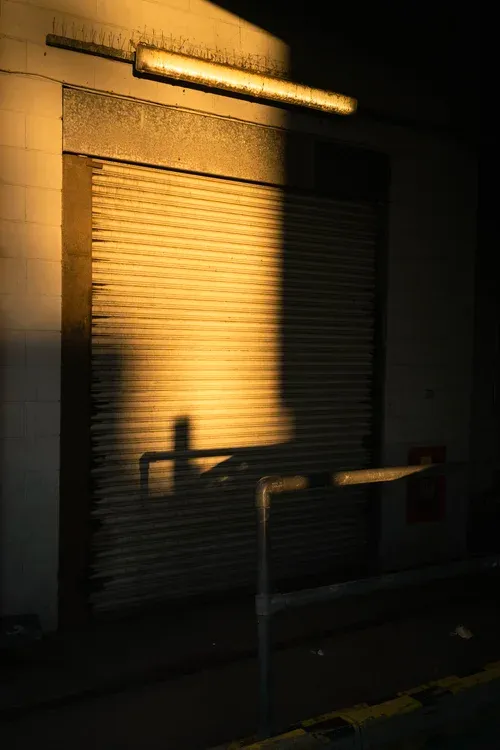
Fell’s photographic journey is perhaps best encapsulated by his long-term project, Blaen Y Cwm. The series showcases a decade of his life immersed in South Wales, capturing the stark beauty of its valleys and the delicate intersection of its urban and rural landscapes. Rather than capturing mere topography, Fell uses the camera to explore deeply rooted themes of identity, connection and the pursuit of belonging in a region that has profoundly shaped him.
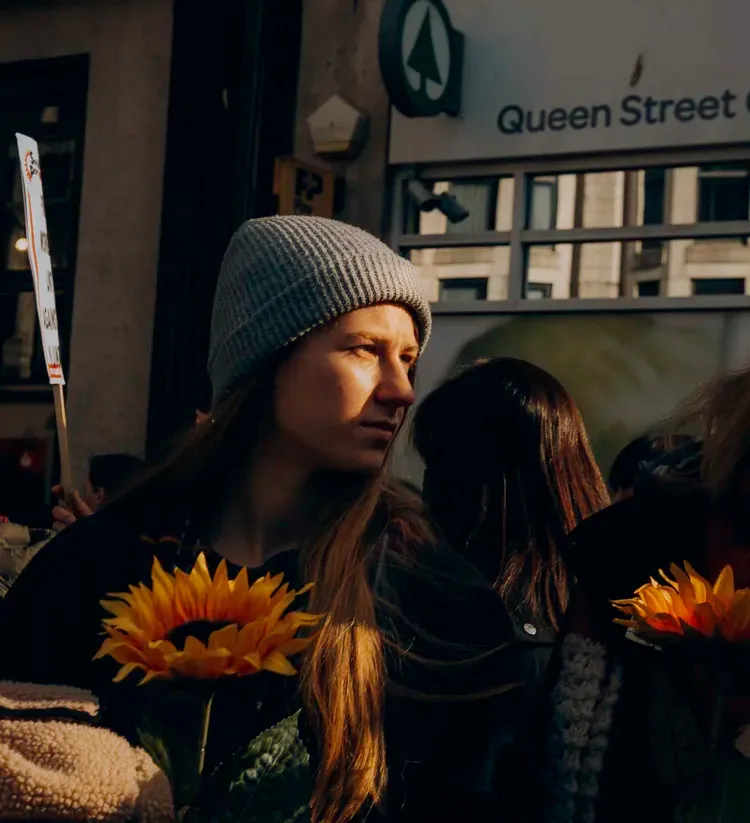
This localized focus performs a critical social function, as by turning his lens away from the dominant, London-centric narratives of British culture, Fell gives visibility to territories and identities that are often overlooked by mainstream media. This commitment promotes a more inclusive understanding of modern British life, specifically by strengthening efforts to protect and safeguard the cultural heritage and "visual soul" of regional towns.
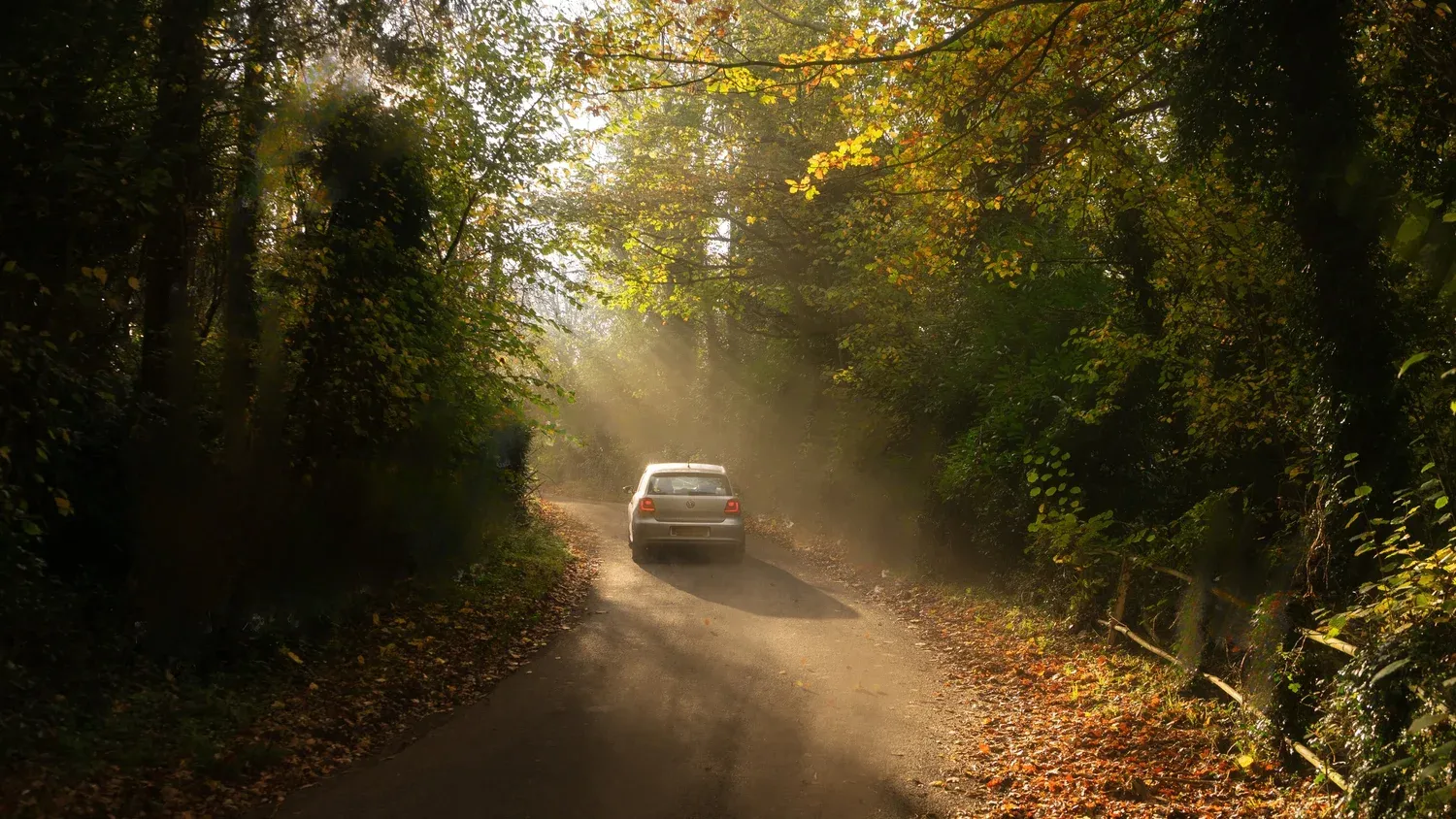
Fell's exploration of the British landscape continues in projects like The Vale and the Ridge. Here, the focus shifts to the sprawling English countryside, highlighting the intrinsic, quiet value of local ecosystems. He frames the natural environment with a contemporary visual aesthetic, fostering a sense of belonging among his viewers. His imagery reminds audiences that true belonging requires an active, respectful relationship with the land they inhabit.
His artistic trajectory—which began during a transformative trip to Istanbul in 2013 and was later formalized through a BA in Documentary Photography at the University of South Wales—perfectly blends traditional documentary techniques with a highly modern aesthetic. Today, through platforms like his Instagram account, Fell reaches millions of people, boasting an audience of over 100,000 followers who tune in to see their country reflected back to them with honesty and grace.
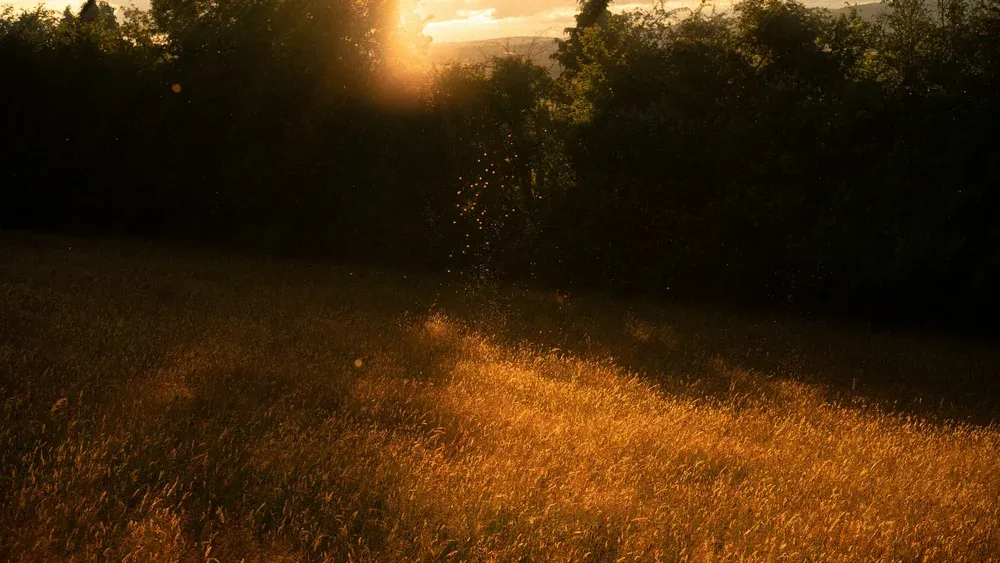
Ultimately, the juxtaposition of Alexander Fell’s grounded photography against the geopolitical sunset of the British Empire offers a striking narrative. While the days of an empire spanning the globe have concluded, Fell’s work suggests that a new, more sustainable identity is rising from the local soil. Through his dedicated archiving of Wales and Worcestershire, Fell proves that the most powerful sense of belonging is found exactly where people stand.
Find out more about Alexander Fell’s work on his Instagram @alexfelll or website www.alexanderfell.com.