
Disclaimer: The following article contains spoilers for the film 'Dust Bunny.'
Bryan Fuller’s feature directorial debut, Dust Bunny, is a genre-bending spectacle that crashes hitman action into childhood horror. Shot in an incredibly rare 3:1 ultra-wide aspect ratio—a cinematic choice praised by The Gate—the film presents a world that is equal parts "Wes Anderson and Hannibal." This is because its candy-coloured production design and blood-spattered set pieces serve as a moving treatise on the "found family" narrative. Through the unlikely bond between a stoic, unnamed assassin known as 5B (Mads Mikkelsen) and a deeply traumatized eight-year-old girl named Aurora (Sophie Sloan), Dust Bunny crafts a gritty fairy tale for vulnerable children and adults alike. This is why the film is aligned with the United Nations Sustainable Development Goal of Reduced Inequalities.
At the core of the film is a dark exploration of childhood vulnerability and the urgent need for safe havens, especially for those from marginalized backgrounds, such as orphaned and queer children. The film portrays this by showing how the orphan Aurora has to go out of her way and hire 5B to kill a very real “monster under her bed” since her foster parents did not believe that she was being harmed in the closed confines of her bedroom.
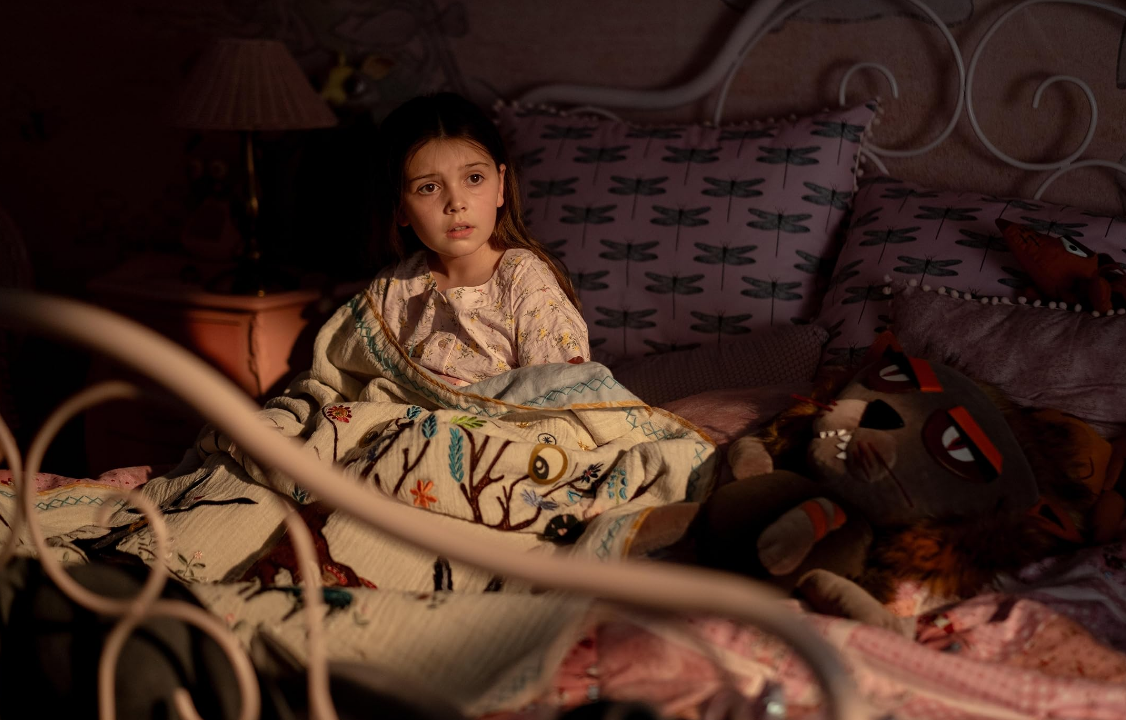
As pointed out in an insightful analysis by Reactor Mag, the film subtly and slowly lays bare real-life horrors of the adult world, as different social issues are hinted at here and there, as seen in a haunting portrait belonging to Aurora's foster parents that features a "blank-faced" little girl. This chilling detail exposes the transactional, often abusive nature of certain foster care environments, where children are expected to fit a pre-painted ideal. Through Aurora’s story, the film highlights the systemic failures that leave vulnerable youth unprotected, aligning with a need to end abuse, exploitation and violence against children.
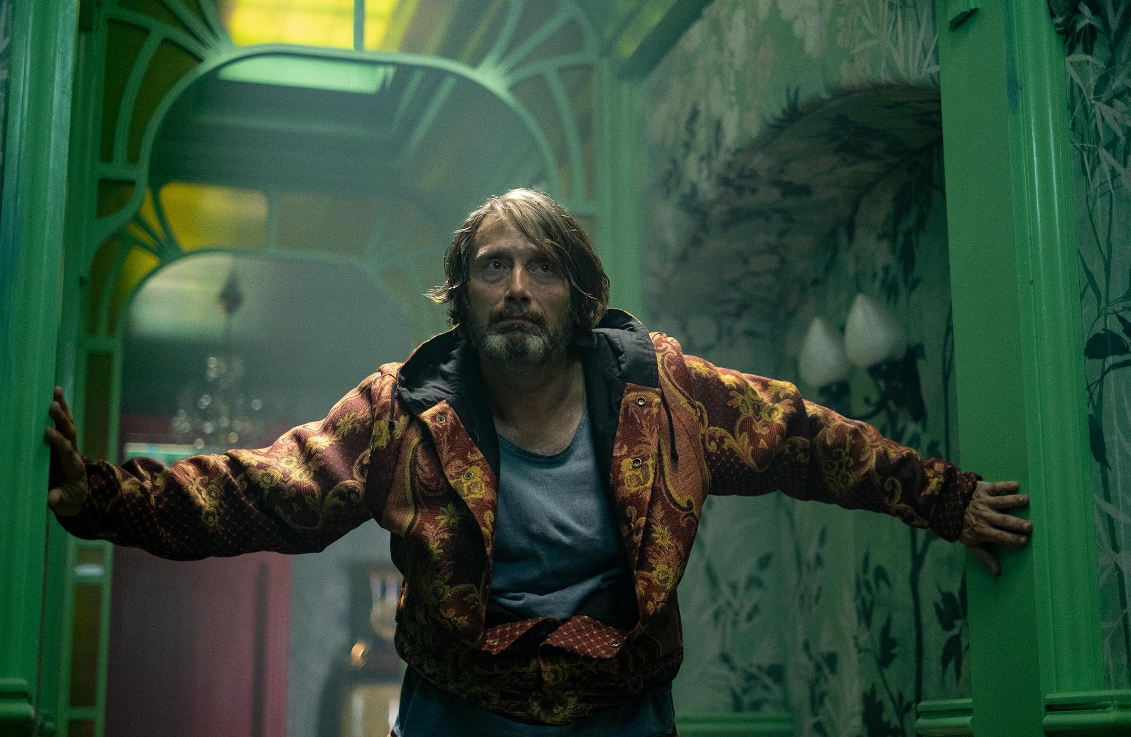
In response to these systemic failures, Dust Bunny dismantles the sanctity of the traditional biological family, addressing the social inequalities faced by those who do not fit into heteronormative or conventional domestic structures. Society often dictates that biological families are unassailable, portraying those who break away from them as villains. Fuller flips this script entirely.
5B's own toxic relationship with his manipulative mother and handler, Laverne (Sigourney Weaver), perfectly contrasts with the tender, deliberate family he builds with Aurora. "Found family" here is a bond fought for and earned for. The "monster" under the bed becomes a metaphor for Aurora’s own lived trauma and perceived monstrosity. By accepting her monster, 5B accepts her completely. They are two marginalized othered forging a pact of mutual survival, proving that true family is defined by choice, consideration and shared resilience rather than biology.
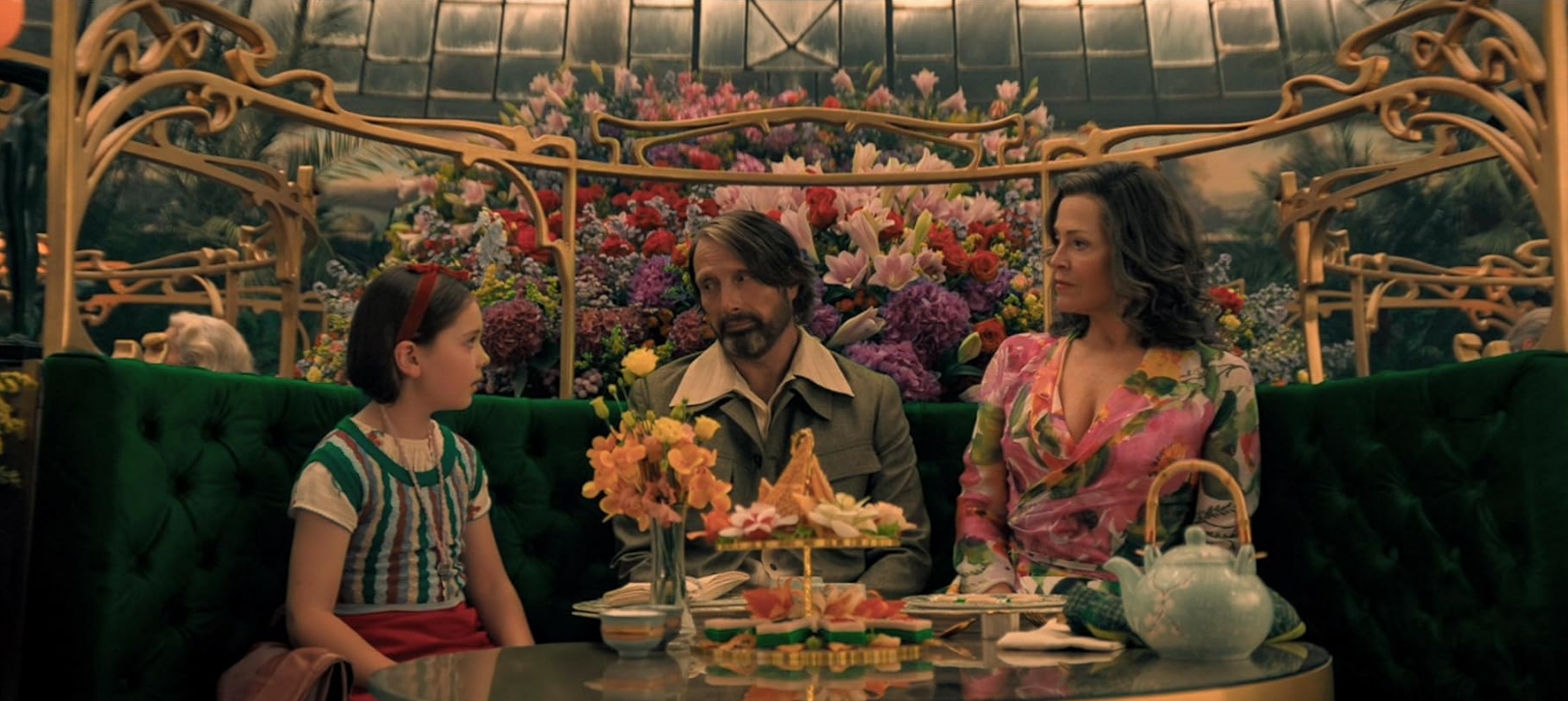
To communicate these heavy themes, Fuller utilizes the framework of a grim, Brothers Grimm-style fable, making Dust Bunny a vital tool for emotional literacy. As a piece of dark storytelling, the film acts as a gateway horror that helps audiences process complex concepts like grief, the impermanence of relationships and the agency required to overcome trauma.
Even with its R-rating, its visual language operates on child-logic, using the terrifying dust bunny under the bed as a symbolic manifestation of a child's psychological defences. This teaches emotional resilience and helps viewers understand that their inner "monsters" are often survival mechanisms created to protect us when the world fails to do so.
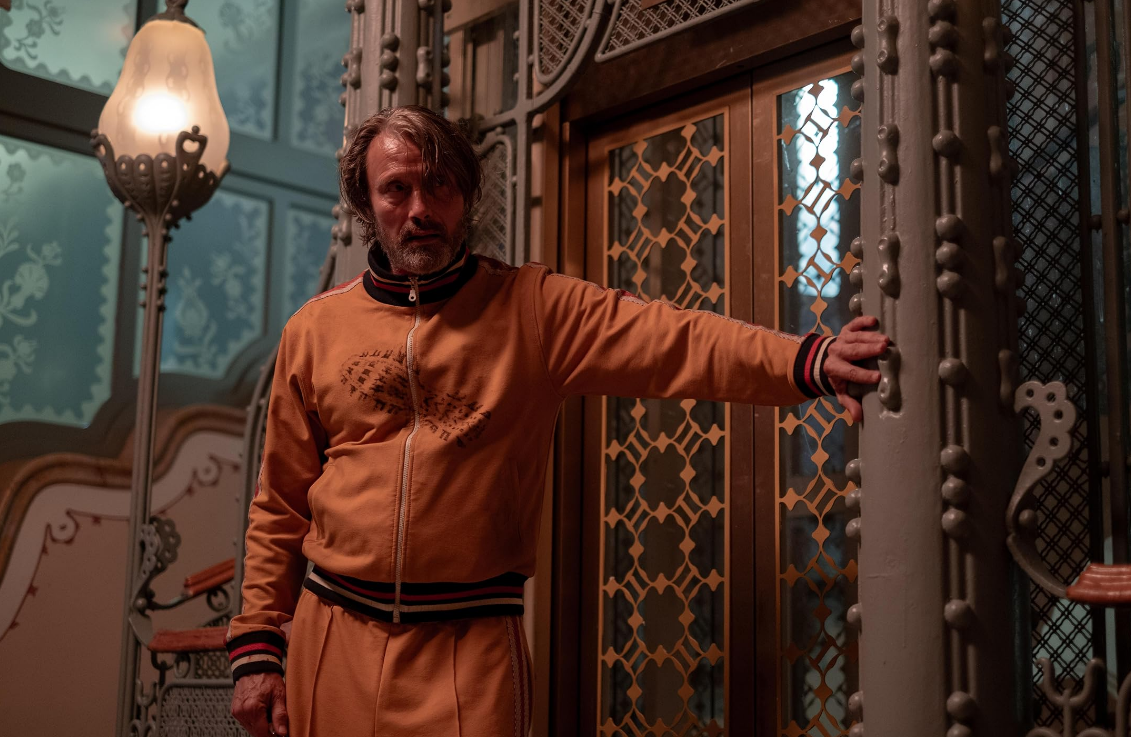
Dust Bunny is a messy, beautiful and deeply charming debut that redefines what a fairy tale can be in the modern age. It strips away the illusion that love is an automatic birthright and replaces it with a hard-won reality. It talks about family as an architecture people build themselves, piece by piece, out of the dust of our pasts. For the marginalized, the traumatized and the "monstrous," Bryan Fuller’s masterpiece serves as a fierce reminder that everyone deserves a family worth fighting for.
Find out more about Dust Bunny on IMDb.