
In early 2026, a highly mysterious and provocative pop-up shop appeared in London’s Marylebone High Street, situated just a few doors down from a flagship Lululemon store. Selling what it proudly labeled as "deliberate shameless dupes" of popular yoga leggings and hoodies, the brand—cheekily named "Mumumelon"—was a high-stakes, satirical climate campaign orchestrated by the environmental advocacy group Action Speaks Louder in collaboration with the creative agency Serious People. Operating under the audacious slogan, "Violating copyright, not the planet," the stunt boldly reframed imitation as a tool for corporate accountability.
Mumumelon addresses the hidden environmental costs of fashion's "throwaway" culture and the booming trend of fast-fashion lookalikes. As detailed by Fast Company, this unique approach to creative activism uses flawless brand mimicry—complete with identical aesthetics and “soulless vibes”—to prove a crucial point: if a small activist-backed project can manufacture high-performance activewear ethically, a multi-billion-dollar athleticwear giant has no excuse not to do the same. This is why the project is aligned with the United Nations Sustainable Development Goals of Responsible Consumption and Production and Quality Education.
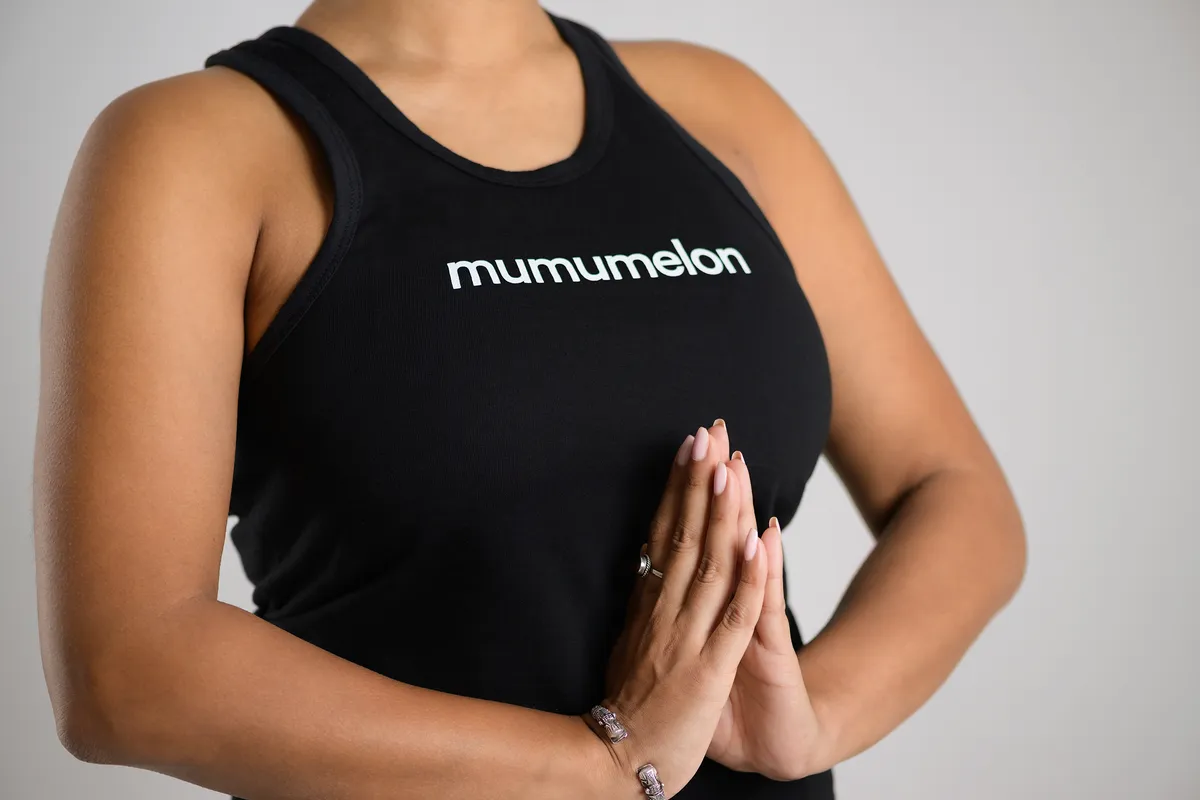
The core tension driving Mumumelon’s creation is the stark contrast between Lululemon’s wellness-focused, "Be Planet" manifesto and its actual environmental footprint. Despite generating over $11 billion in revenue, Lululemon's latest reporting revealed a troubling 14% increase in greenhouse gas emissions over the previous year, reflecting a staggering 93.5% absolute emissions jump since 2020. The Mumumelon campaign aggressively pushes for Climate Action by targeting these skyrocketing Scope 3 emissions, which represent the vast majority of the brand's climate impact.
The activists argue that while Lululemon has made vague promises to support a just transition and phase out coal by 2030, the company's lack of concrete financial commitments and its sluggish 1% increase in renewable electricity usage leave it drastically off track. Mumumelon's official policy and manifesto demands the publication of a real, time-bound climate transition plan backed by actual dollar amounts, leveraging the disappointment of yoga influencers and consumers to force the fashion industry to stop greenwashing and start actively decarbonizing.
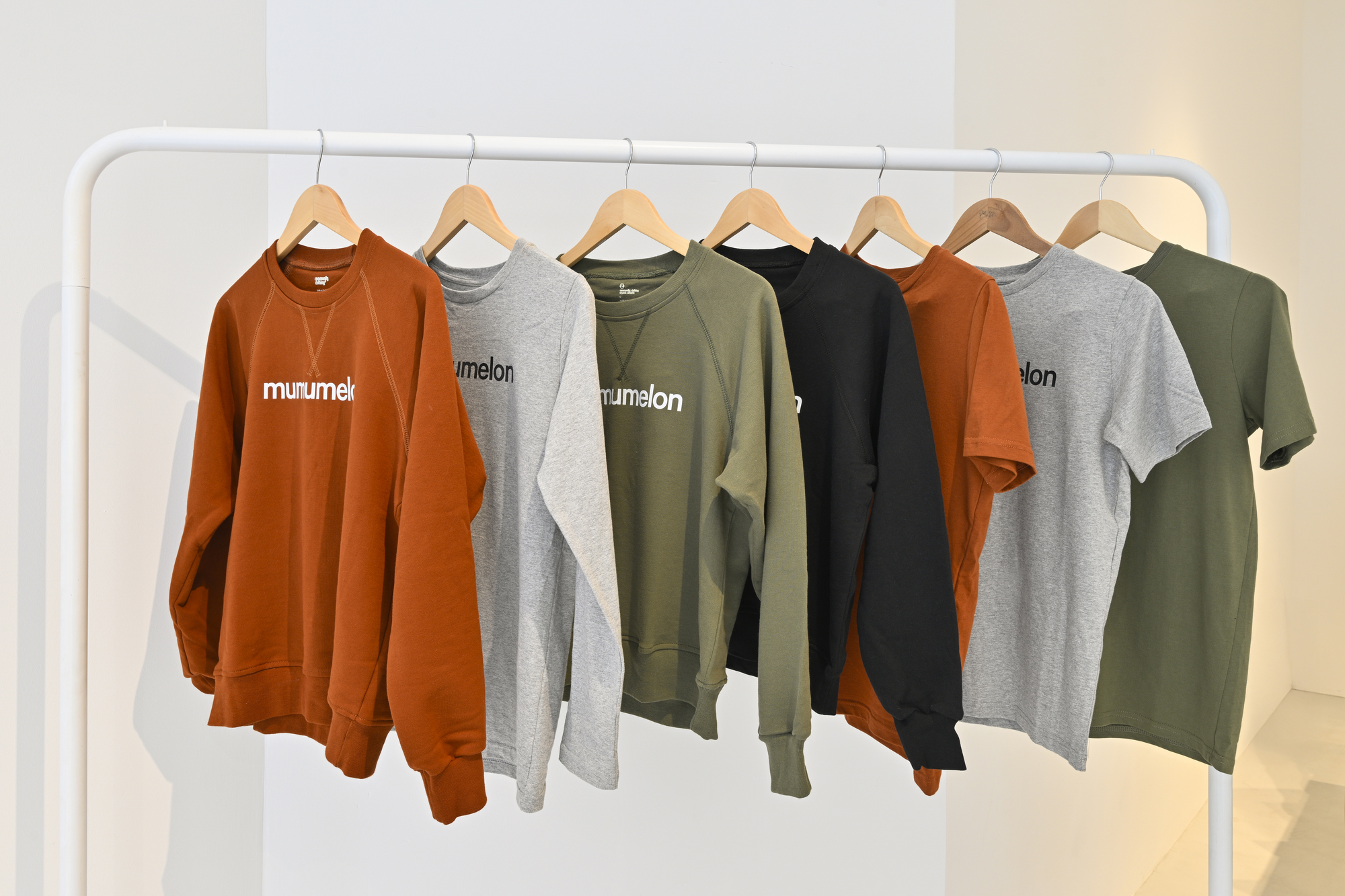
Crucially, Mumumelon demonstrated the exact operational changes it is demanding from the market leaders. In a matter of weeks, the campaign produced a limited run of identical, high-quality garments in manufacturing facilities powered entirely by wind and solar energy. This achievement shines a brilliant spotlight on the viability of Affordable and Clean Energy within the massive garment sector.
As highlighted by reports in WWD, the vast majority of fashion's energy consumption comes from process heat generated by burning fossil fuels like coal to create hot water and steam. To achieve a truly fossil-free supply chain, brands must urgently pivot to supply chain electrification by replacing coal-fired boilers with commercially available technologies such as industrial heat pumps. Mumumelon’s tangible "Supply Chain Electrification Plan" proves that a rapid transition to clean, renewable industrial energy is entirely feasible when the corporate will actually exists.
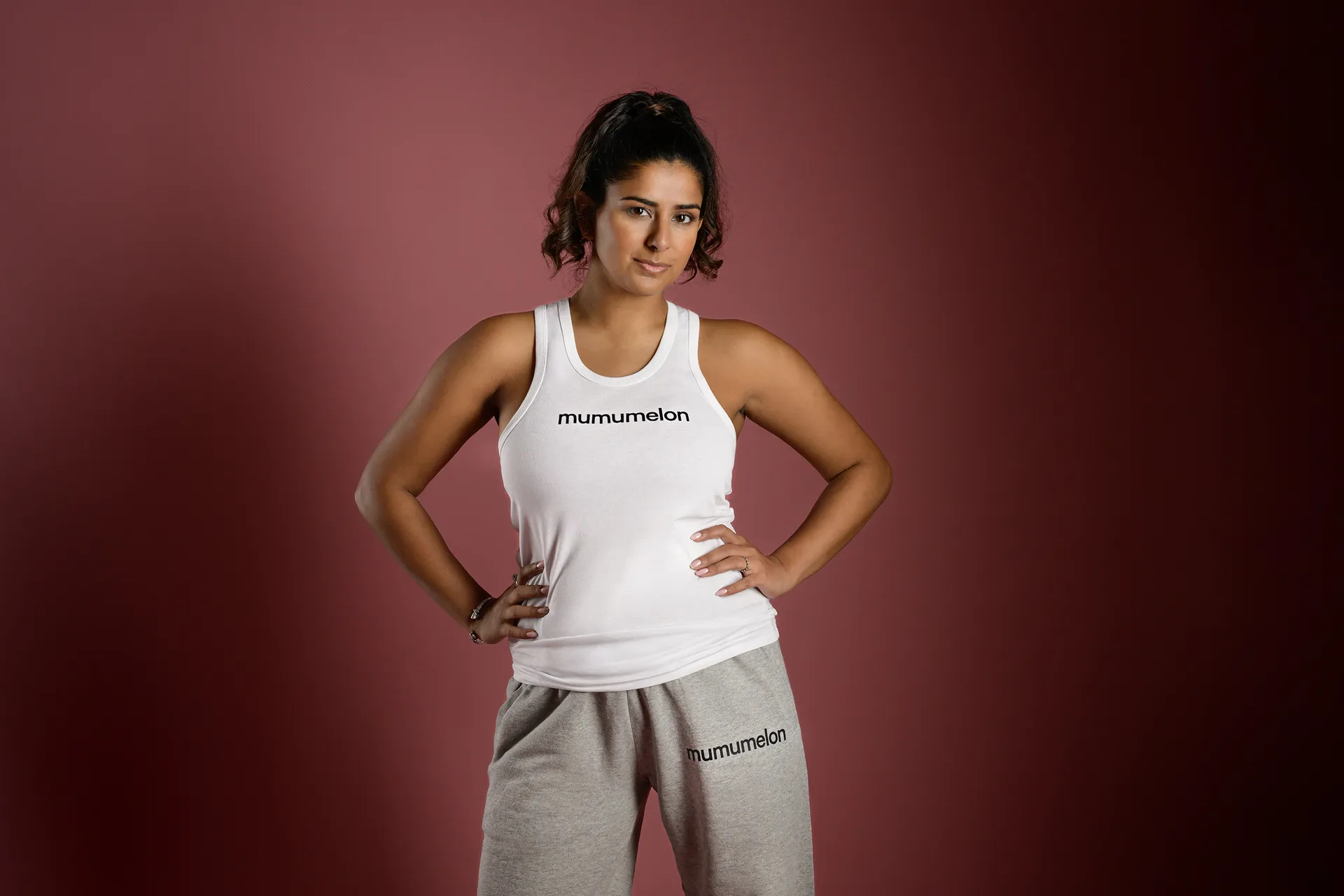
Beyond environmental benchmarks, the Mumumelon project also tackles the human cost of global garment manufacturing by fiercely advocating for garment worker rights. The campaign ensured that every worker involved in creating their "dupes"—from the GOTS-certified organic cotton farms in California to the cut-and-sew factories in the UK and Pakistan—was paid a certified living wage.
This ethical baseline directly challenges the fashion industry standard of prioritizing extreme profit margins over the welfare and safety of the vulnerable laborers at the bottom of the supply chain. In an era where massive apparel brands are facing intense scrutiny for everything from systemic labor exploitation to federal investigations over toxic "forever chemicals" in their fabrics, Mumumelon’s satirical pop-up serves as a powerful wake-up call. It demonstrates that the future of fashion must be built on systemic transparency, renewable energy and equitable labor practices, leaving corporate giants with nowhere left to hide.