
Disclaimer: The following article contains spoilers for the film 'Hoppers.'
For decades, mainstream Western animation has relied on a familiar formula: heavily anthropomorphized animals embarking on sentimental journeys. But Disney-Pixar’s 2026 film Hoppers signals a radical departure. Arriving 17 years after the studio’s last overtly environmental feature, Wall-E, Hoppers embraces the messy, unfiltered reality of nature to advocate for terrestrial conservation. It translates complex eco-hydrology into a universal narrative, serving as a high-profile call to action against the rapid loss of biodiversity and the ongoing sixth mass extinction. This is why Hoppers is aligned with the United Nations Sustainable Development Goal of Life on Land.
The film follows Mabel Tanaka, a 19-year-old who discovers a secret university lab while trying to stop the mayor of Beaverton from bulldozing a local glade for a highway. Using newly developed technology, Mabel "hops" her consciousness into a robotic beaver to rally the local wildlife. What follows is a visually stunning and scientifically grounded exploration of coexistence, habitat preservation and environmental justice.
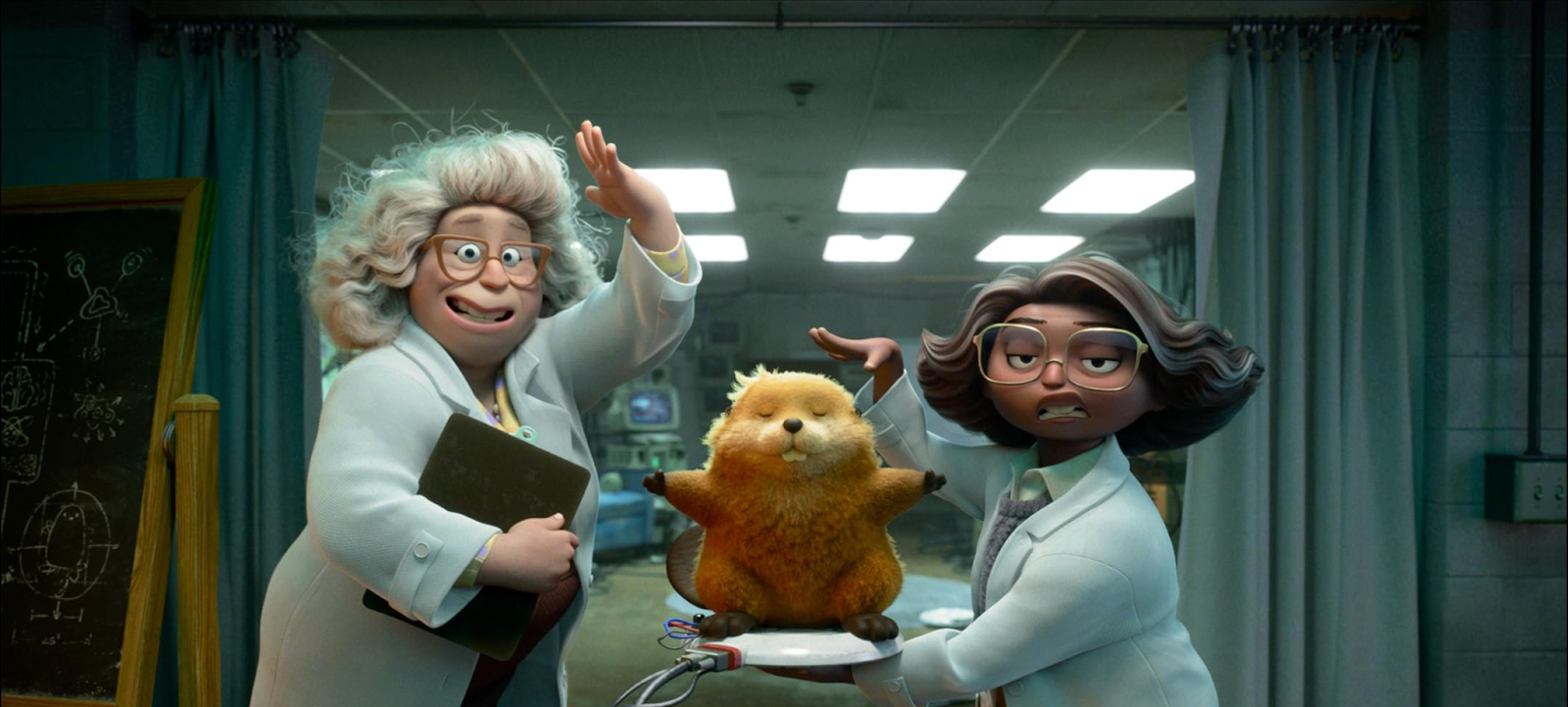
To ensure Hoppers bypassed the trope of treating wild animals as cuddly toys, Pixar brought in Dr. Emily Fairfax, a 33-year-old eco-hydrologist and assistant geography professor at the University of Minnesota. As detailed by MPR News, Fairfax spent five years consulting with the animation team, taking artists into the field in waders to observe beaver habitats firsthand.
Because of her input, the film’s beavers are portrayed as true-to-life ecosystem engineers. As noted by the Sierra Club, the film correctly depicts beaver dam architecture, with sticks laid parallel to the water's flow so they dig into the stream bed for stability. Furthermore, their animation accurately reflects beaver anatomy and behaviour, right down to the fact that they tuck their spines beneath them to sit, rather than resting flat on their tails.
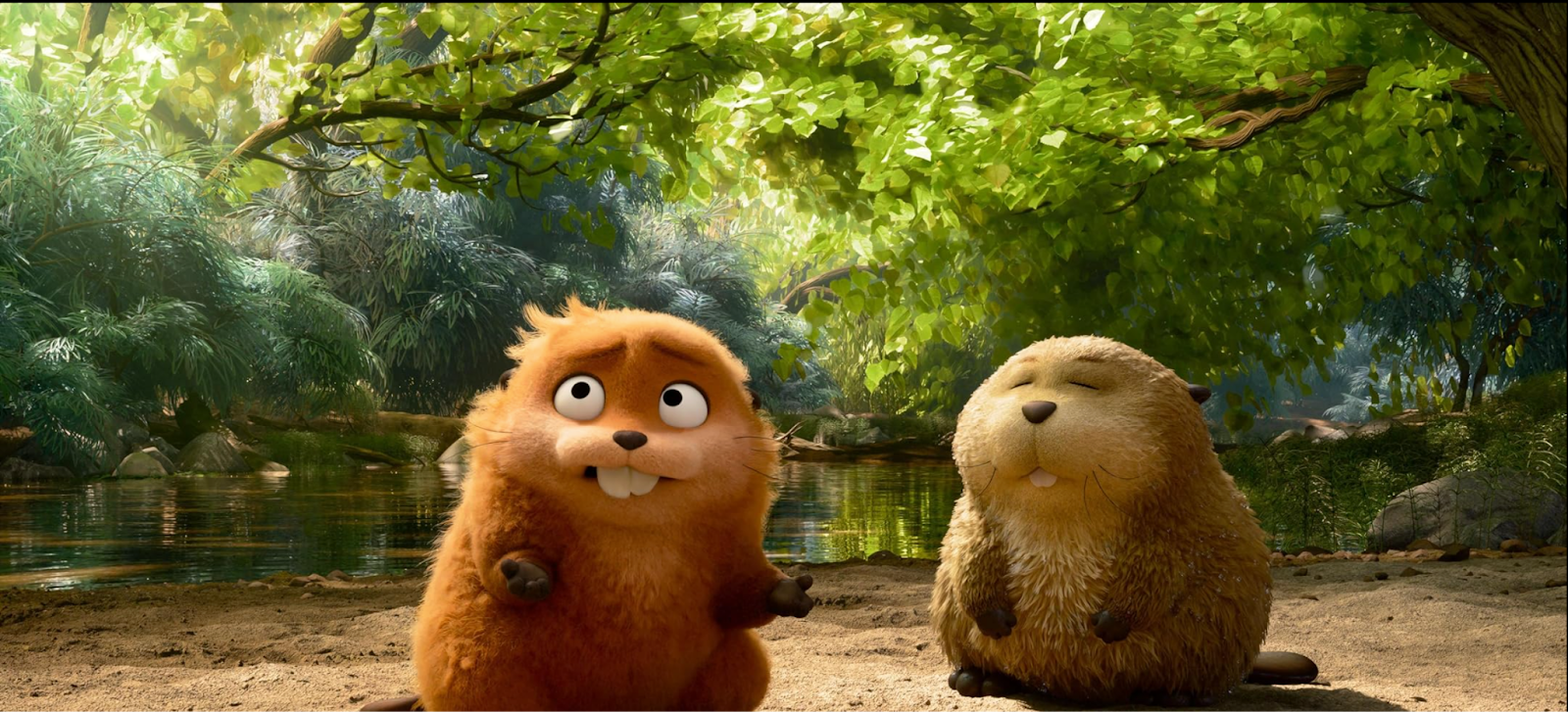
This commitment to ecological realism helps to highlight the critical importance of wetland ecosystems, which is central to the film’s conflict. Although wetlands now cover only 6% of the Earth’s surface, they provide essential habitat for 40% of all plant and animal species. The film's urgency is underscored by devastating real-world statistics: between 2009 and 2019 alone, the United States lost 670,000 acres of wetlands—an area roughly the size of Rhode Island.
Beyond its ecological accuracy, Hoppers is groundbreaking in its human representation. By placing Mabel Tanaka, an East Asian woman, at the center of the narrative, the film directly challenges the historical homogeneity of environmental advocacy. Writing for The Conversation, Yuan Pan, an environmental researcher at King's College London, points out the stark demographic realities of the conservation field: in the UK, 95% of the environmental sector identifies as white.
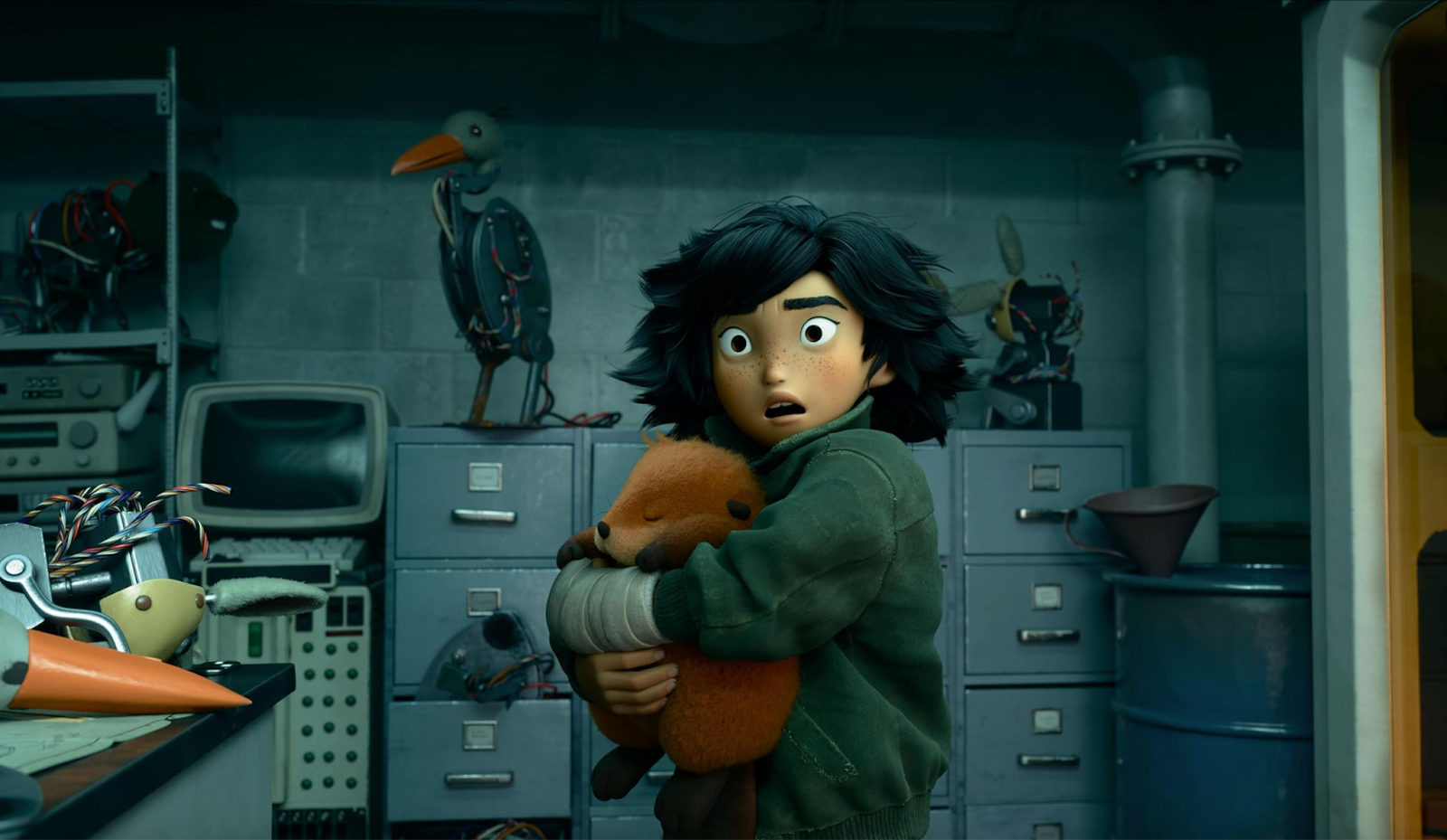
The term "environmentalist" has long carried associations with whiteness and wealth, subtly signalling to minority youth that conservation is not a space for them. By portraying an East Asian protagonist acting as a vital bridge between human development and the natural world, Hoppers breaks down these barriers, offering diverse audiences a reflection of themselves in the fight to protect the planet.
Finally, Hoppers tackles the friction between modern urban expansion and environmental preservation. The conflict with Mayor Jerry over the Beaverton highway avoids painting human development as a cartoonish evil. Instead, it mirrors the genuine, complex trade-offs between city planning and nature. Here also, in the way that the mayor concedes and chooses to help Mabel preserve the glade, the film conveys its most vital message to its young target audience. It shares that everyone is inherently good deep down, and even if they aren’t it’s much better to live thinking they are. In today’s times when public policies seemingly go against progressive and socialist values that benefit the public en masse, this narrative feels like a warm hug.
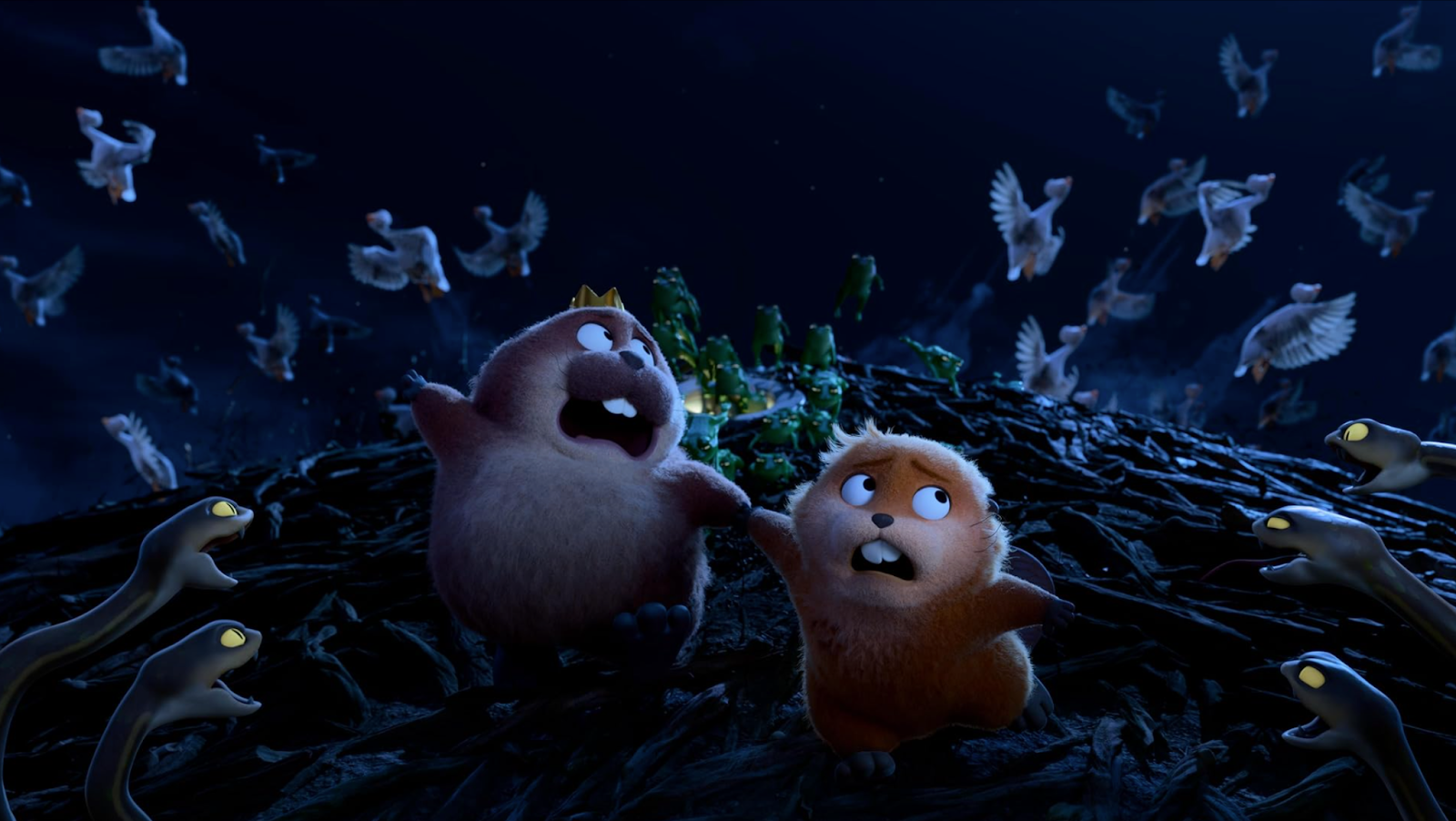
The film ultimately posits that beavers and their wetlands are critical natural infrastructure, capable of making landscapes more resilient to droughts, floods and wildfires. When Grandma Tanaka tells Mabel, "It’s hard to be mad when you feel like you’re part of something big," the film rejects the divisive "us versus them" rhetoric, instead offering a blueprint for sustainable coexistence where different human communities and complex, “messy” ecosystems can thrive together.
Find out more about Hoppers on IMDb.