
Taxidermy works are often met with crooked stares, historically associated with hunting trophies and the illusion of life suspended in death. However, an avant-garde subculture known as "Rogue Taxidermy" is actively reframing this macabre medium into an ethical and ecological dialogue. As highlighted by exhibits at the La Luz de Jesus Gallery covered by LAist, the movement thrives on a recycled philosophy—utilizing roadkill, casualties of the pet trade and naturally expired animals to create hybrid oddities.
Within this fascinating fringe world, artist Jessica Joslin stands out by abandoning skin and fur entirely from her taxidermied pieces. She utilizes the unique practice of "Rogue Osteology" to transform found bones and antique hardware into a hauntingly beautiful mechanical bestiary, bridging the gap between biology, art and modern conservation. This is why her work is relevant to the United Nations Sustainable Development Goal of Life on Land.
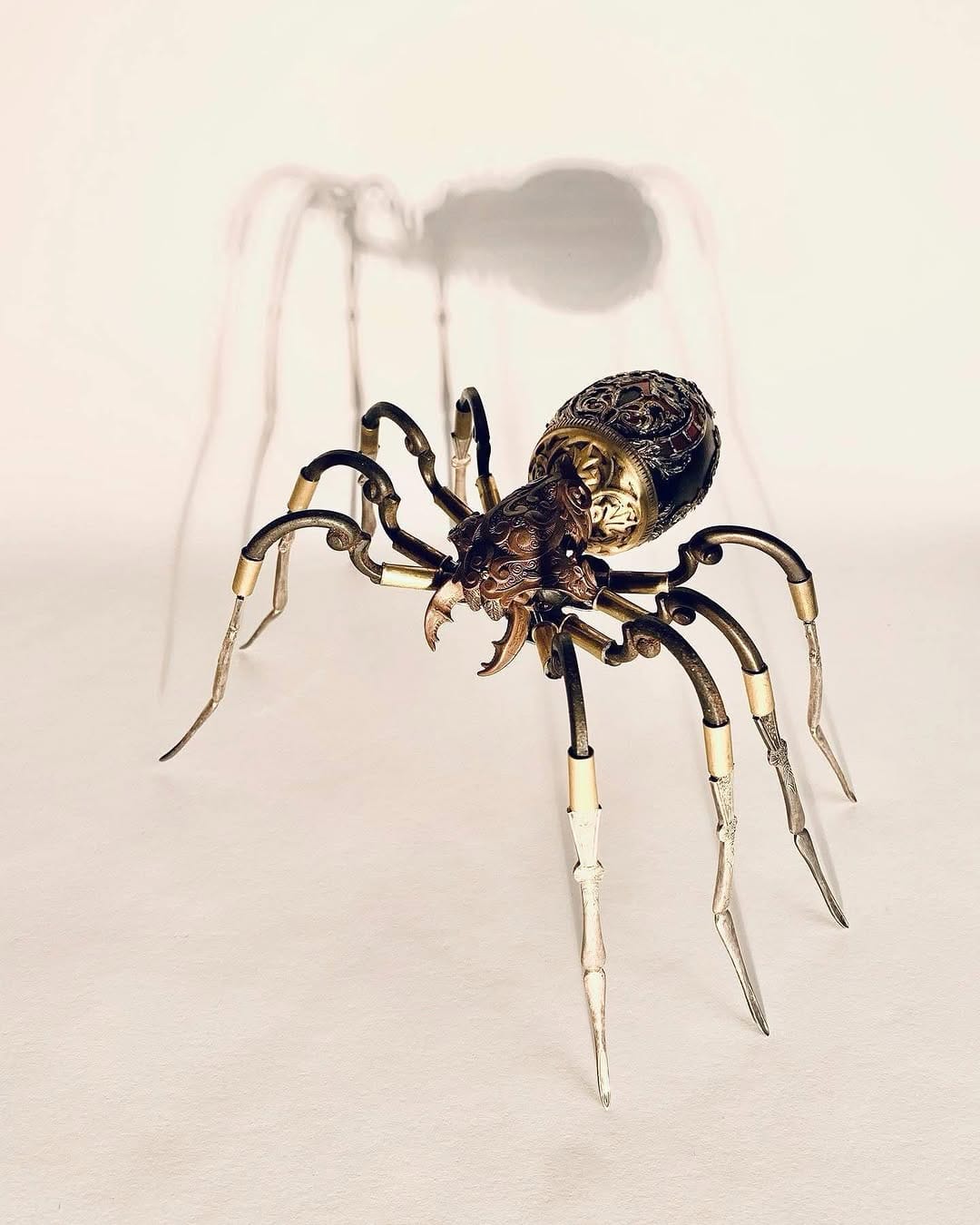
As she notes on her official website, Joslin’s journey into osteology began in 1992 after she moved to Chicago. When, as she walked the city streets, she was confronted by a tragic symptom of human-wildlife conflict: birds that had broken their necks flying into mirrored skyscraper glass, mistaking the urban architecture for the open sky. Unable to bear the thought of these beautiful creatures being swept up with the trash or crushed underfoot, she began collecting them, teaching herself to properly prepare their bones.
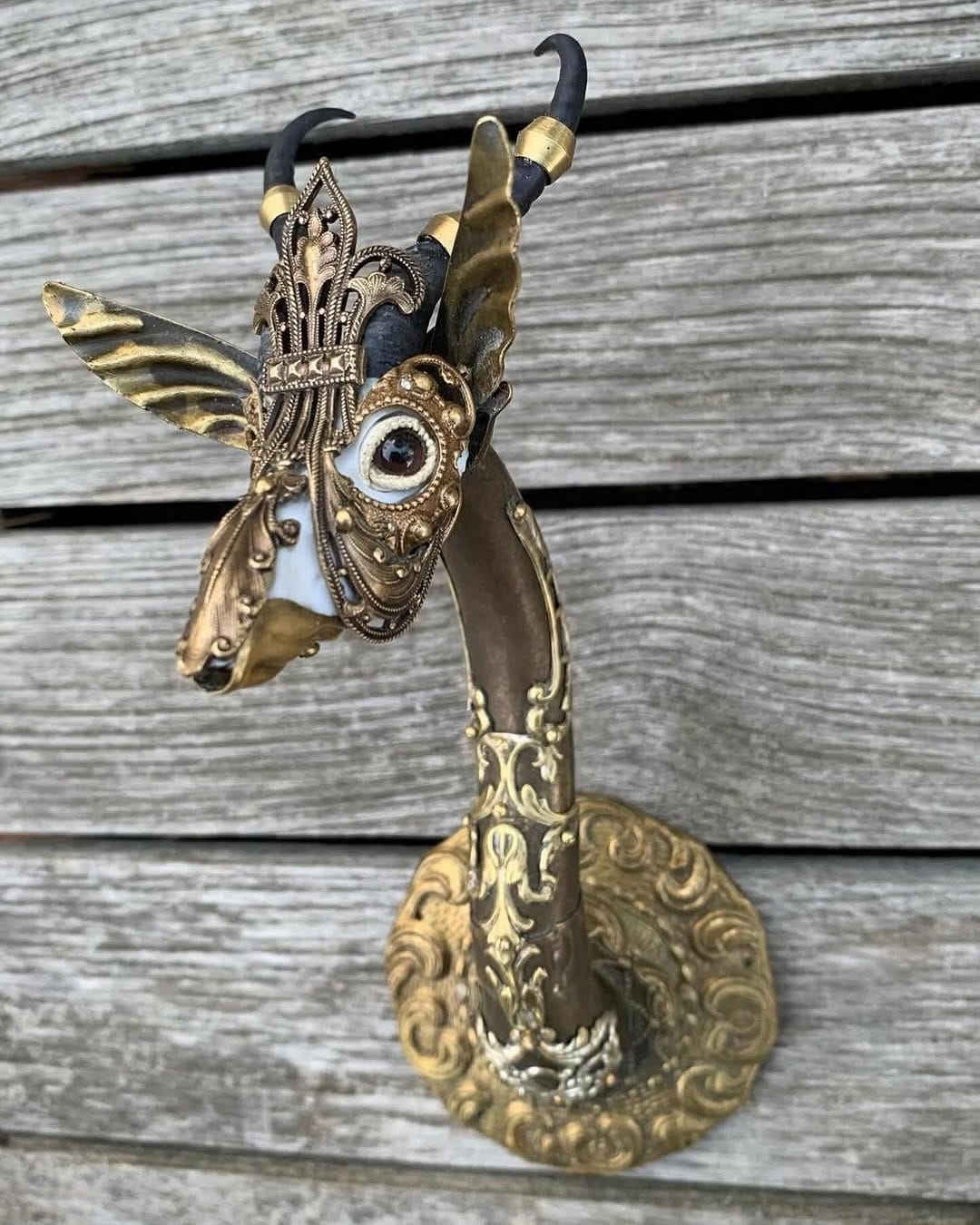
Once she had mastered the basics, Joslin began to experiment and include mechanical parts in her taxidermy, creating modern reliquaries that are a "tribute to the beauty of living creatures." Here, by physically transplanting human-made objects as organs for her birds, the artwork highlights crucial awareness about the often-invisible impact of urban expansion on migratory bird populations and the urgent need to honour and mourn our lost biodiversity.
In her meticulous work, Joslin also practices ethical repurposing. This means she does not hunt or commission the killing of animals for her art; instead, she reuses what the modern human world discards in their consumption. Joslin also combines her skeletal animal remains with discarded, utilitarian objects, such as antique Victorian silver candy dishes, lobster picks, brass escutcheons, chandelier parts and old leather pieces.
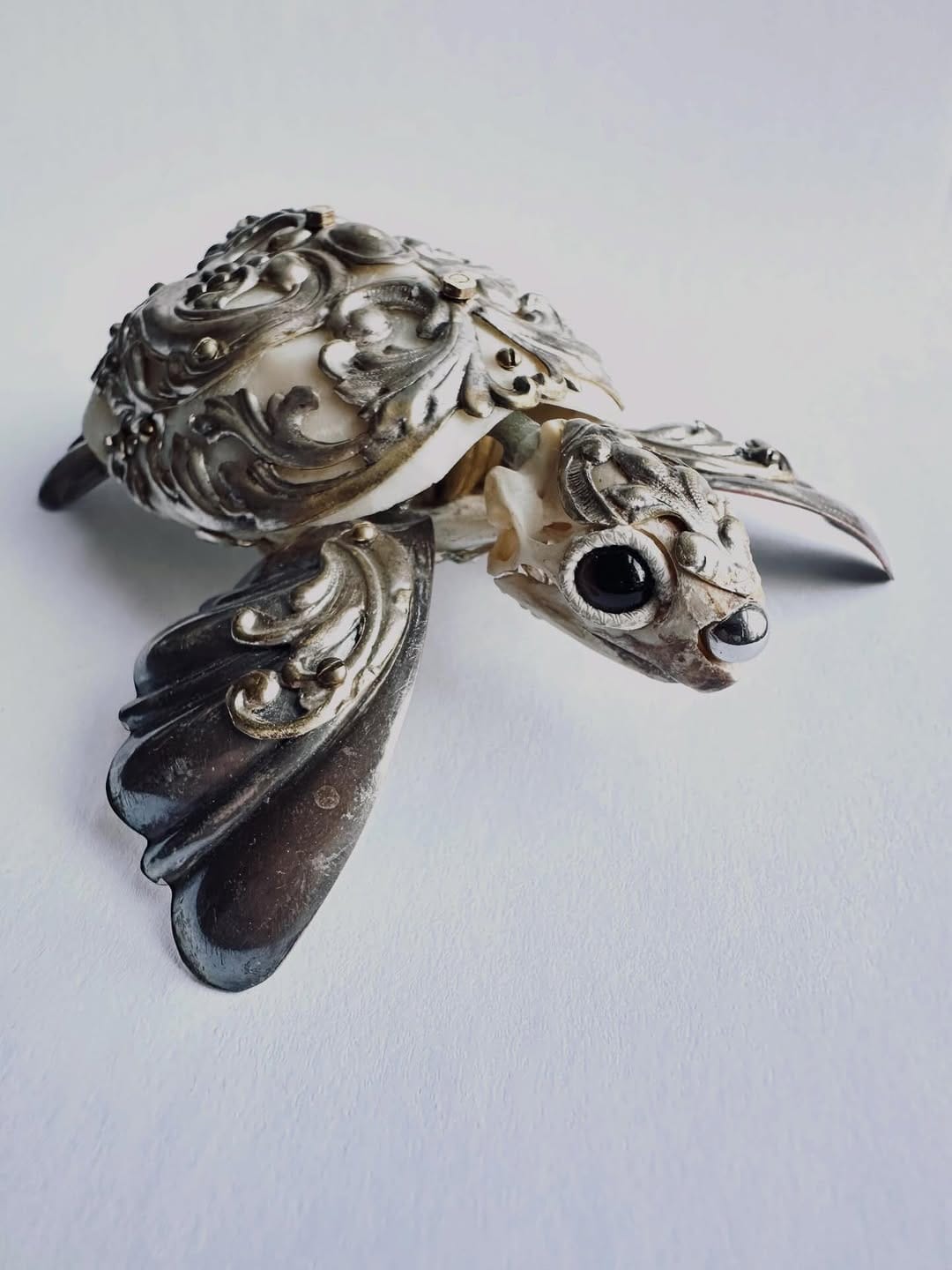
In his book Taxidermy Art, rogue taxidermy historian Robert Marbury described Joslin’s process to Portland Monthly as a kind of "alchemy," where she takes ordinary or discarded materials—including empty bullet casings brought to her by a Chicago police officer—and bends them into intricate anatomical structures. In his words, she disguises "utilitarian pieces into preciousness," as her sculptures elevate waste into high art, challenging society's disposable culture and proving that even death and detritus can be ethically repurposed into objects of immense value.
Beyond its environmental and material messages, Joslin’s work addresses the complex psychological relationship humans share with death and nature. Encountering dead animals on a city sidewalk can evoke feelings of distress, helplessness, and trauma, acting as a memento mori. For Joslin, the artistic process became a form of mental therapy and constructive coping. This means Joslin’s practice transforms the psychological burden of witnessing environmental tragedy into a restorative act. She takes the broken and the lost, carefully cleaning and repairing them, and gives them a dignified, immortalized form. "If I had to describe the motivation behind my work, in just one word, it would be love," Joslin states. This sentiment reframes mortality from a horror experience to one that is full of peaceful reflection and emotional healing.
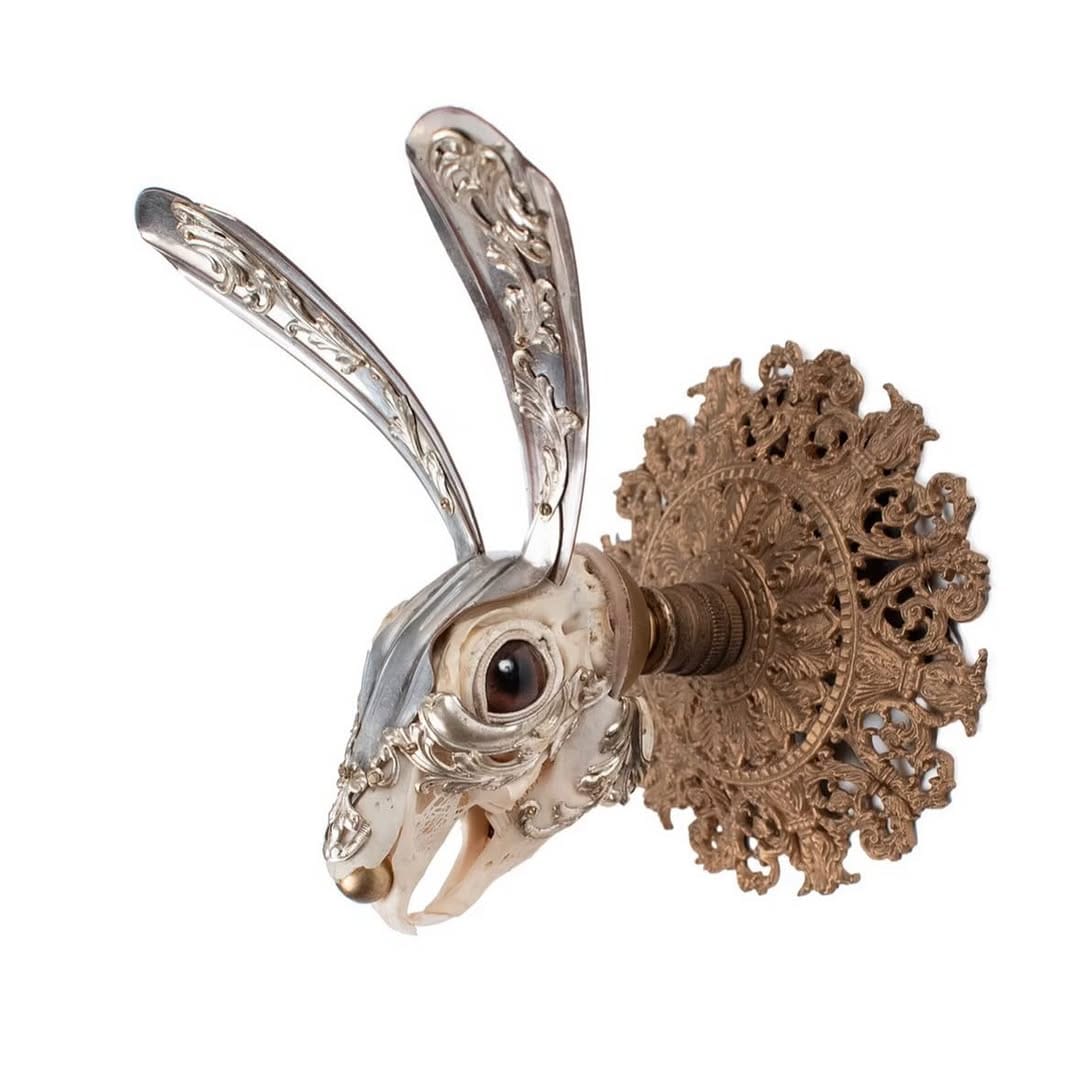
Ultimately, Jessica Joslin’s rogue osteology asks us to look closer at the casualties of the modern world. Her meticulous alchemy of bone and brass offers a powerful new ethical framework for those working with animals in their art. One where art acts as a refuge, and the forgotten dead are granted a magnificent, clockwork second life.
Find out more about Jessica Joslin’s work on her Instagram @jessica_joslin or website www.jessicajoslin.com.