
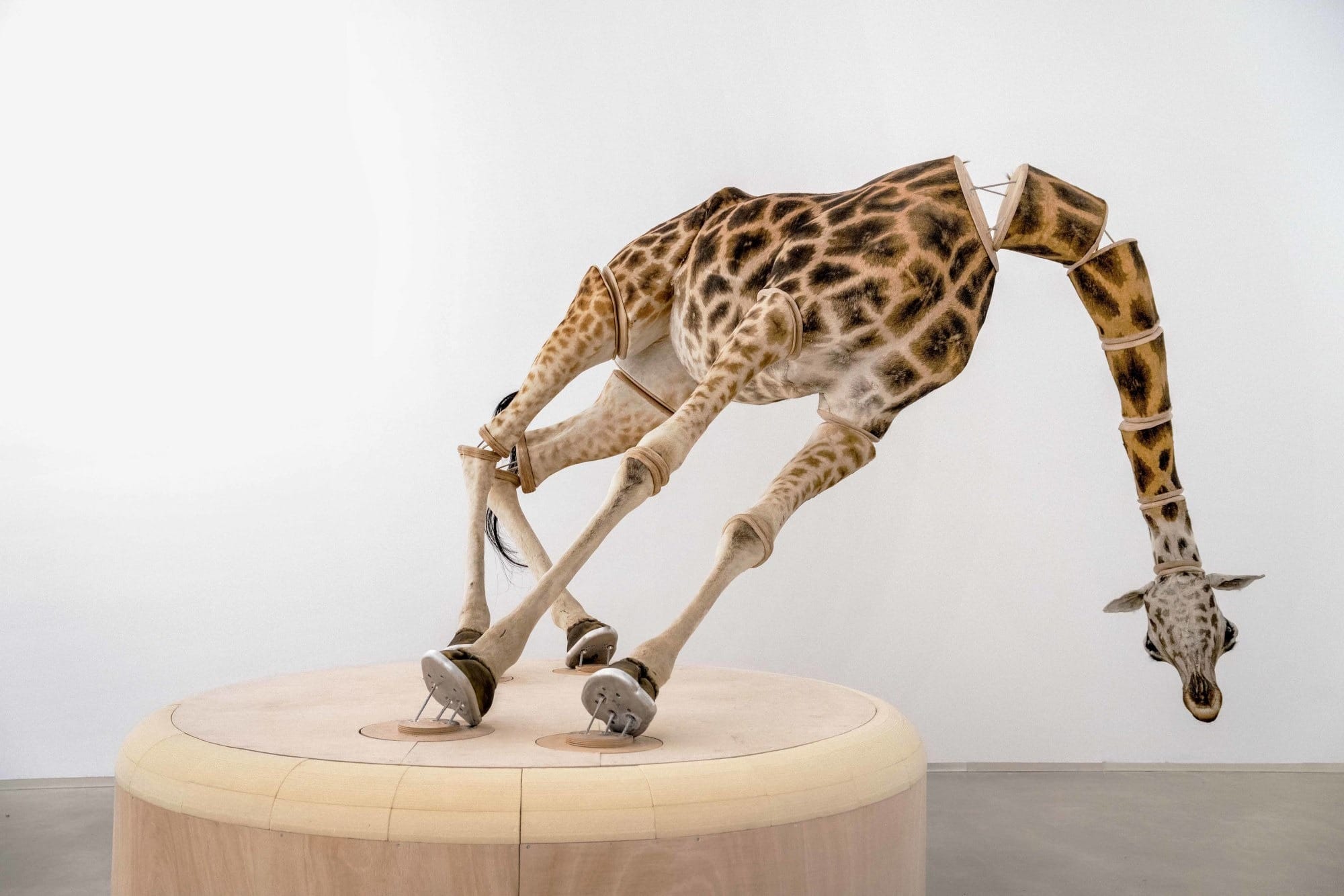
the Julius von Bismarck is a visual artist from Germany who creates ambitious wood sculptures of life-sized land animals titled Elephant in the Room. These sculptures are life-like creations of everything from deer to giraffes, horses, and wolves. Aside from their monumental size, these sculptures stand out because of the fact that they have been put together with strings for joints, much like marionettes. At the flip of a switch, these joints will unwind and tighten, making the animals collapse and stand back up on command; at the mercy of the artist and viewers. What Bismarck has created are ingenious commentaries on how seemingly simple everyday human actions, as simple as turning on the light switch, have had a profound effect on the well-being of wildlife and nature. This is why sculptures by Julius von Bismarck are relevant to the United Nations Sustainable Development Goal of Life on Land.
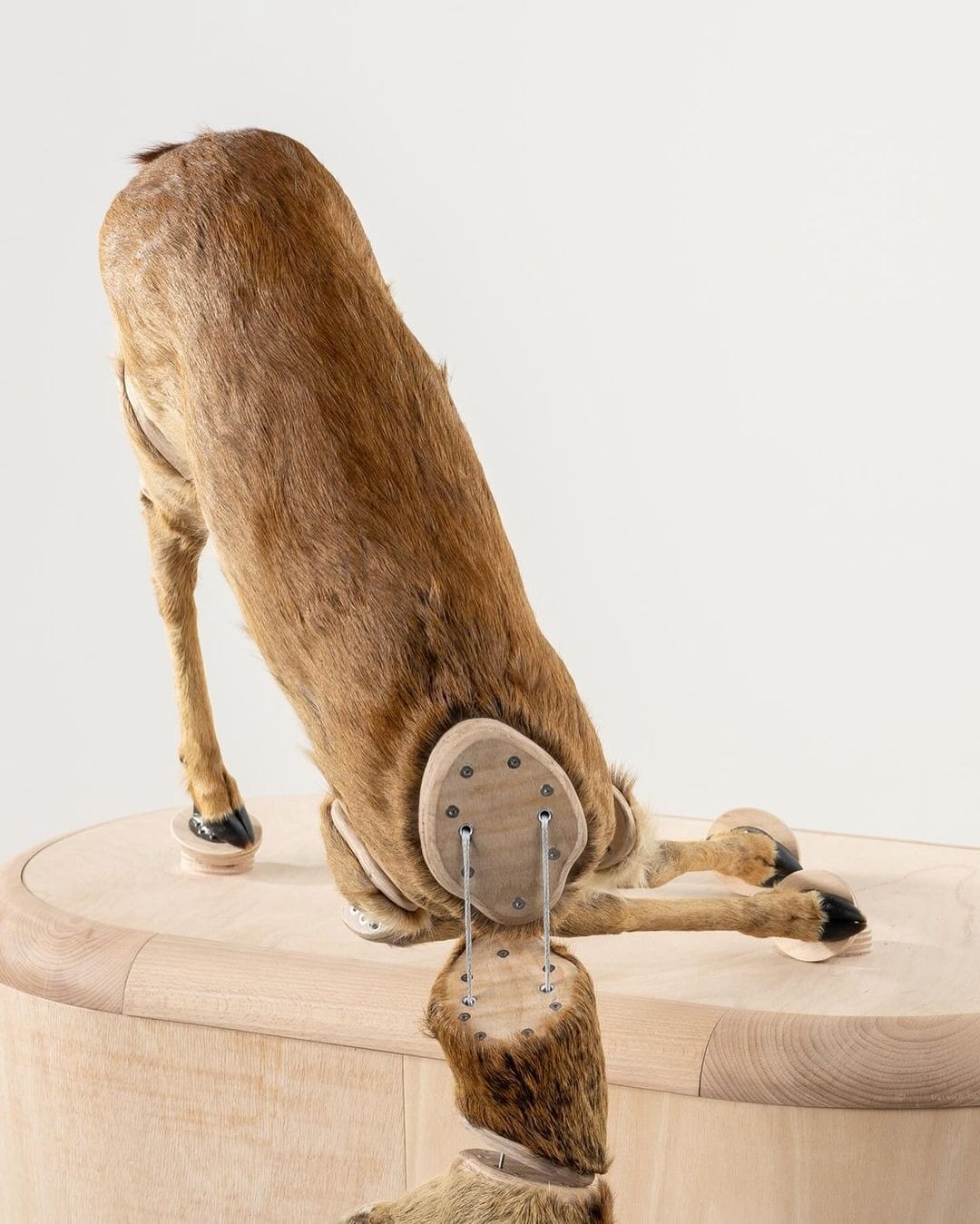
One of his most recent pieces, Das Reh, which takes the form of a roe deer, is Bismarck’s musings on how deer have evolved from being revered animals in folktales and mythologies to “weak” animals who are hunted for sport. This notion is at the core of Bismarck’s message in Elephant in the Room. It talks about how Western notions of nature, which separate it from humanity, have only allowed human beings to control and dominate the environment. When the string joints of these sculptures are set loose, they ponder how this domination has only led to increasingly disastrous consequences. Still, a switch exists, one that can reverse its adverse effects and pull taut the string joints once more.
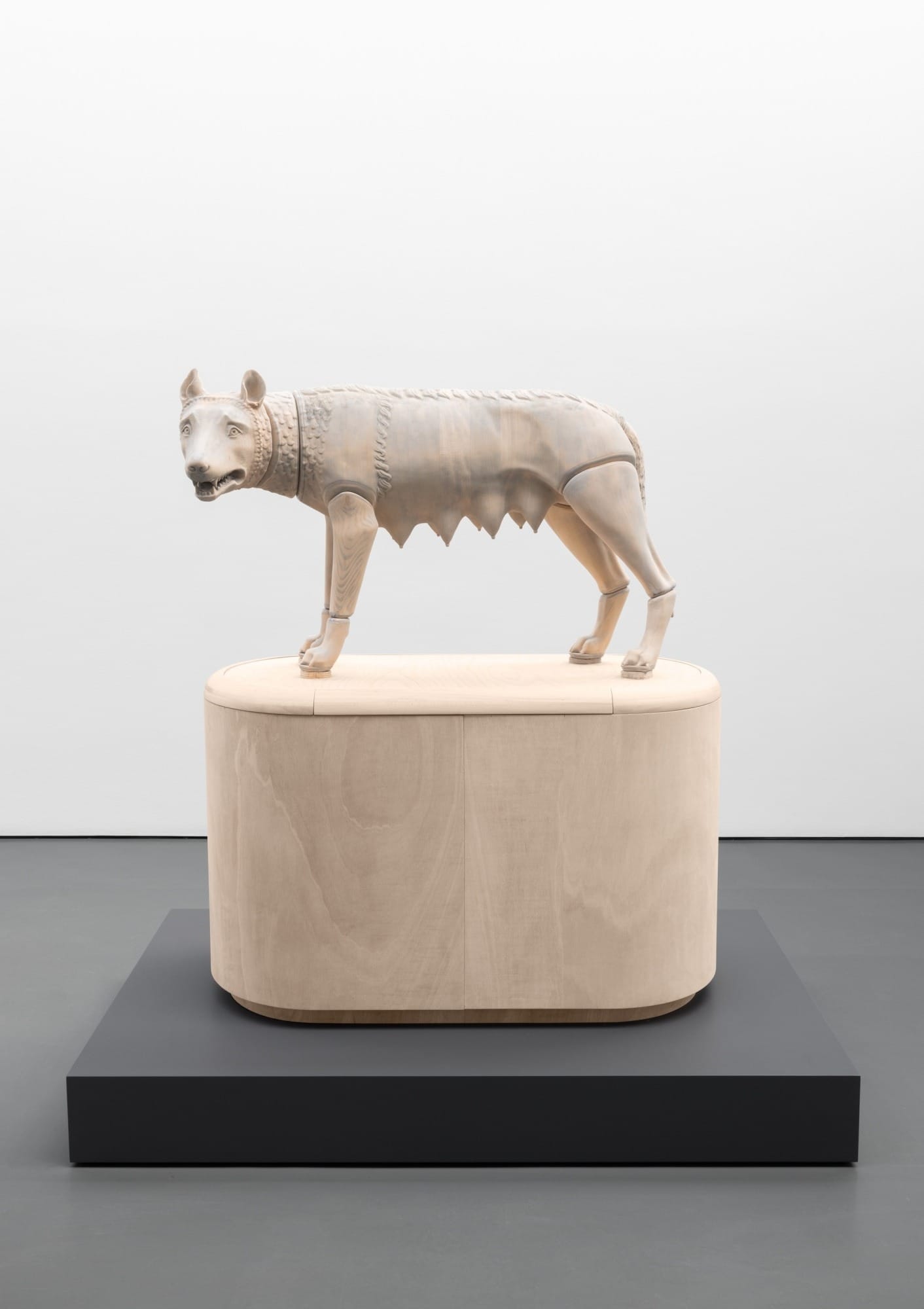
Another piece in the series is a pair titled Zwei Wölfinnen. This pair consists of wolves, one rendered in Bismarck’s usual hyper-realistic style, and the other made to resemble the wolf from a 480 BCE bronze sculpture depicting the she-wolf who is said to have taken care of Romulus and Remus, twins who led the founding of the Roman Empire.
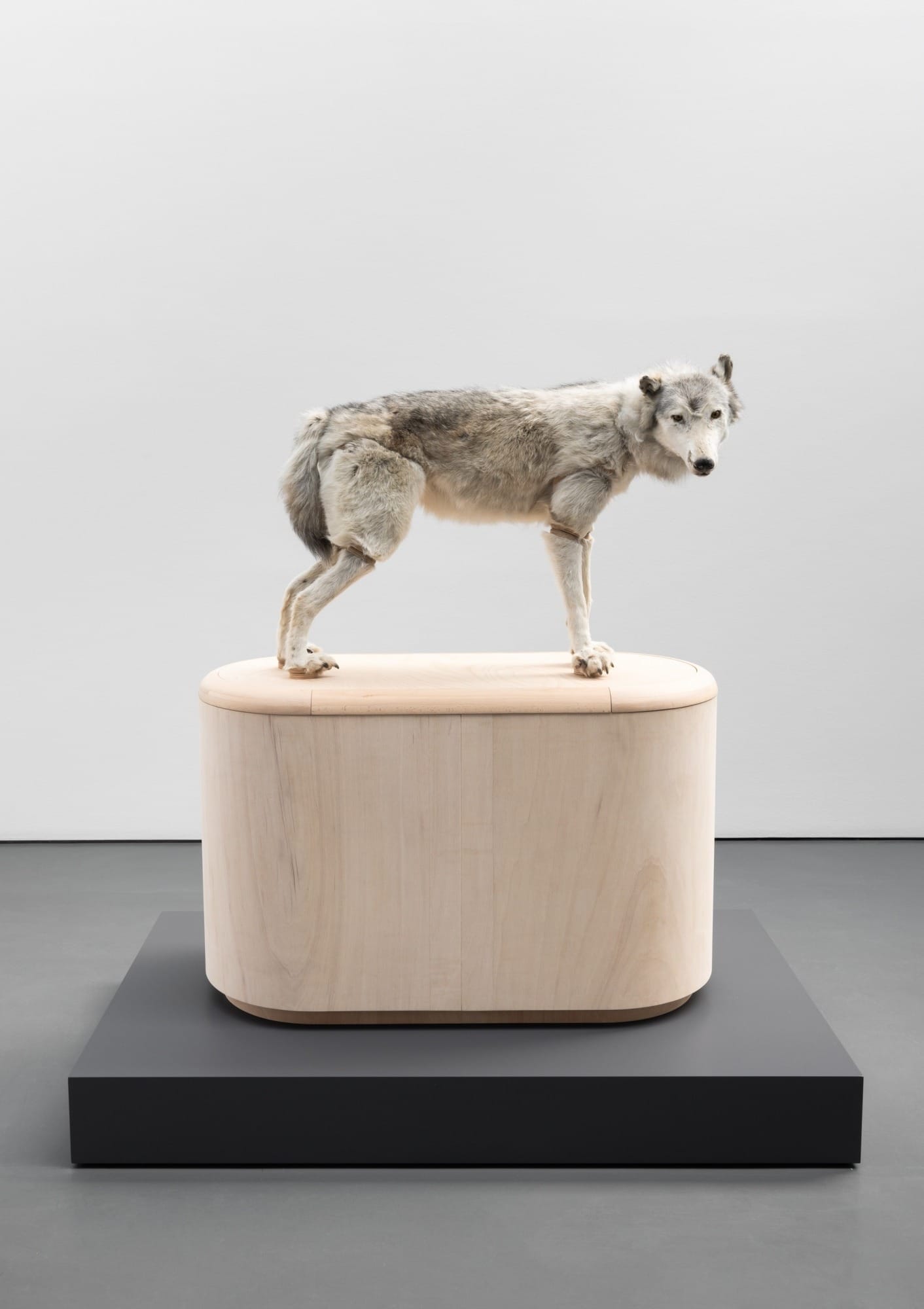
In this piece, Bismarck is reminding Westerners of just how closely connected to nature their lives have been, in both the past, present and future. As the story goes, without the wolf caring for Romulus and Remus after they were abandoned, there would have been no Rome and no Roman Empire. A significant chunk of Western civilization would have been gone, easily setting it back a few thousand years. The hyper-realistic wolf, on the other hand, a grey wolf, is meant to hark its viewers back to today’s reality, where the species has been declared extinct in France and strictly protected in other parts of Europe. Placed next to each other, the pieces remind the general public to care for wolves today, as they have cared for humankind for millennia.
Julius von Bismarck’s Elephant in the Room serves as a powerful commentary on the profound impact of human actions on wildlife. His life-sized, marionette-like sculptures illustrate how even the simplest of human activities can dominate and cause significant disruptions in the natural world. His pieces in the series highlight the historical and ongoing relationship between humans and animals, urging his viewers to reevaluate their roles today. So that they too can do what they can in ensuring the preservation and conservation of these animals.
Find out more about animal sculptures by Julius von Bismarck and their other pieces by checking their Instagram on @juliusvonbismarck.