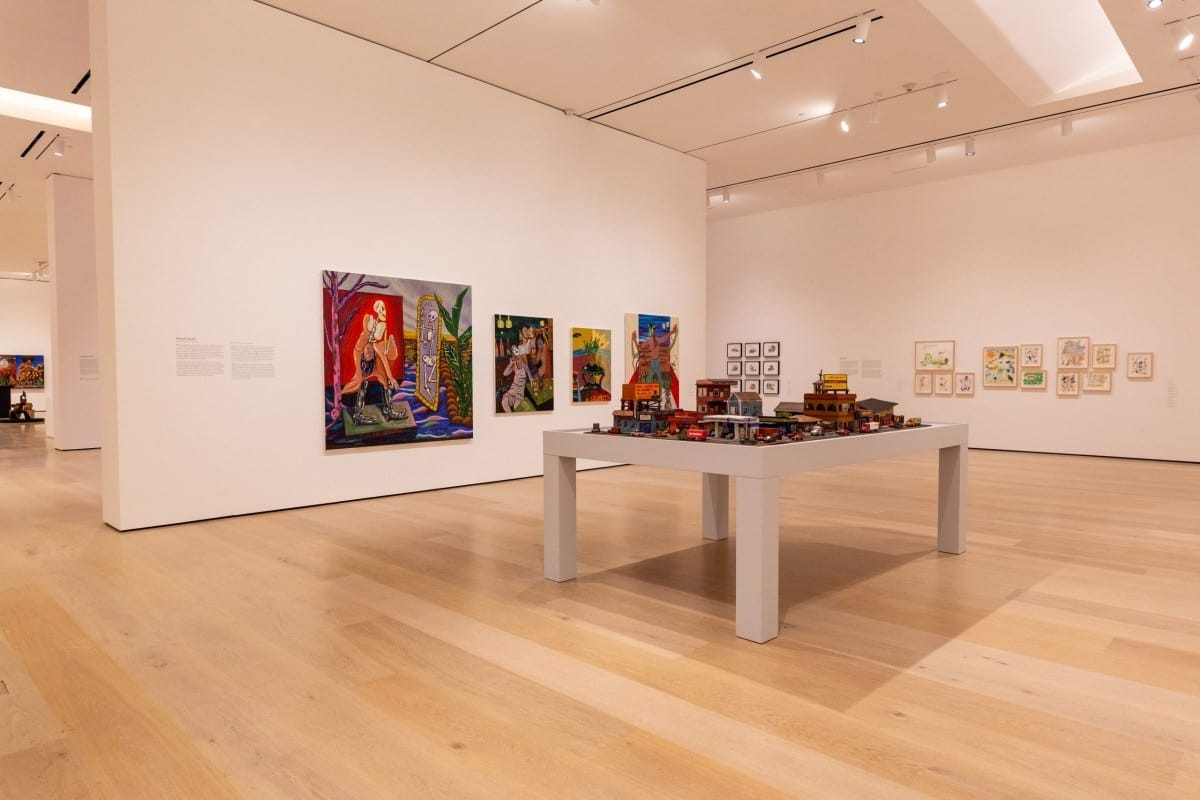
In late 2023, 39 artists and collectives came together at the Hammer Museum for an exhibit titled Made in LA. The exhibit aims to showcase how diverse the diaspora population of Los Angeles is, how the city has shaped them and how they, in turn, have shaped the city.
Since Donald Trump’s first term as president, the United States has shown an increasingly hostile attitude towards its migrant population; hence, exhibitions like Made in LA help people understand better how migrants have shaped the United States, showing how many have been here all along. The exhibition also demonstrates that perhaps the people who are discriminating against them have migrant histories too. In this spirit, Made in LA reflects the United Nations Sustainable Development Goals of Reduced Inequalities.
The exhibition deliberately uses the word “diaspora” to describe the participating artists and collective, as it is seen as a more neutral and even positive term to describe migrants. This view comes from the discourse around the term “expat,” which is typically used to label white immigrants who have moved abroad.
Expats have come to connote privileged professionals; meanwhile, migrants are seen as poor, low-skilled labourers. Diaspora gives society a neutral and even positive label when talking about people who have moved or resided abroad, away from their places of origin. Diaspora allows society to look at these groups of people without racial, social, or economic bias.
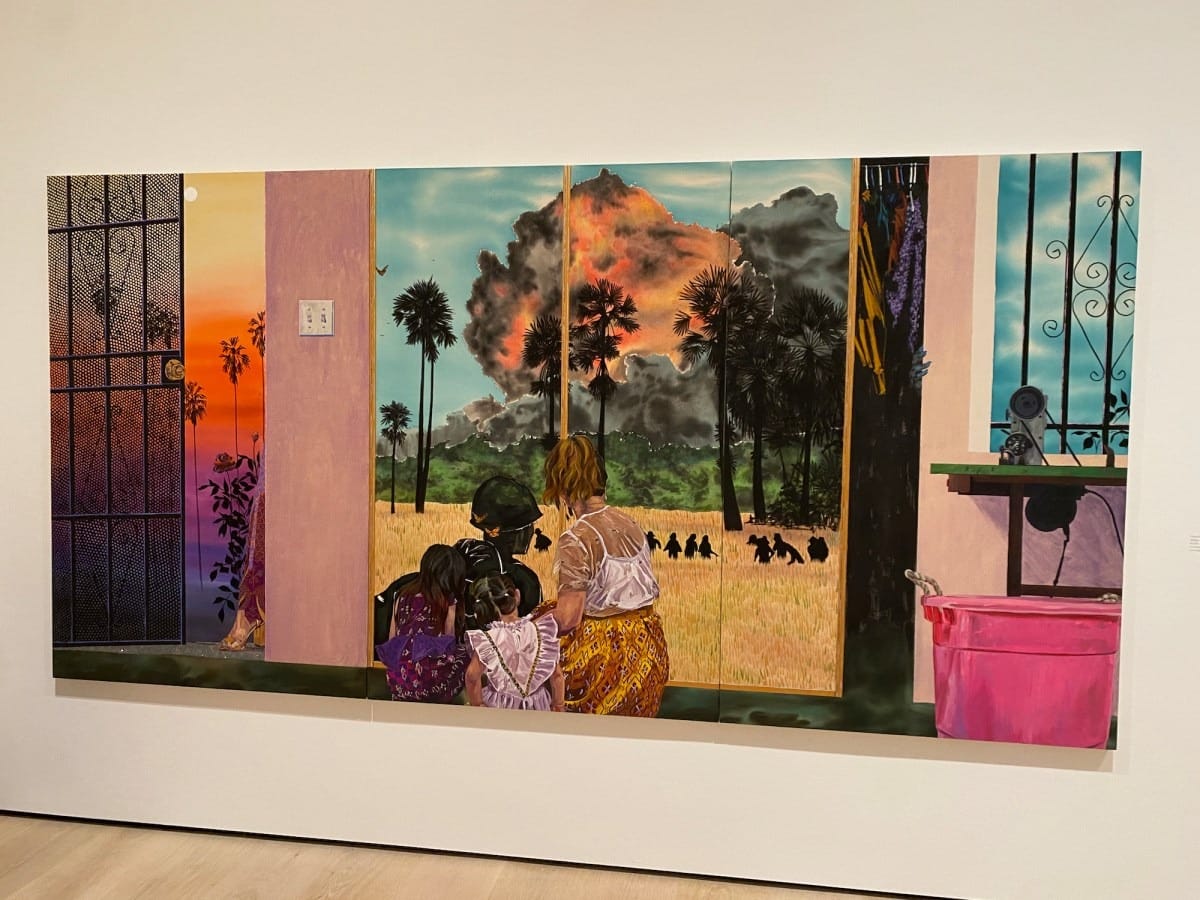
The various pieces in Made in LA showcase the diverse experience of the diasporic community in LA. Cambodian-American artist Tidawhitney Lek shows Refuge, a large canvas painting where idyllic familial scenes from a Southern California home are spliced with images from the Cambodian genocide.
This painting represents one reality of the diaspora community in Los Angeles. In this case, and many other circumstances, a diasporic group comprises people who have had no choice but to flee their country. Leaving one’s homeland, the place where one is born and raised, is never an easy choice.
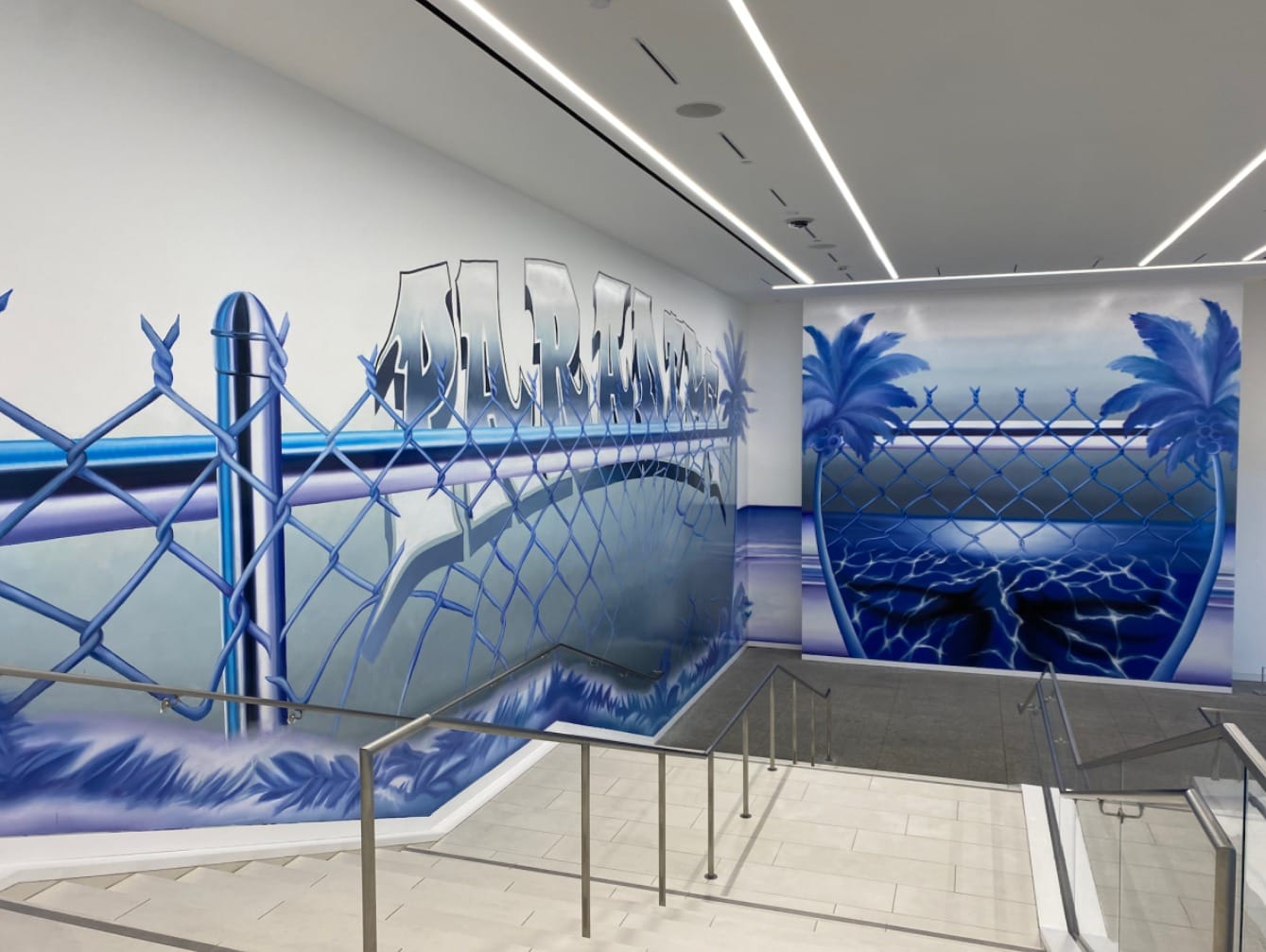
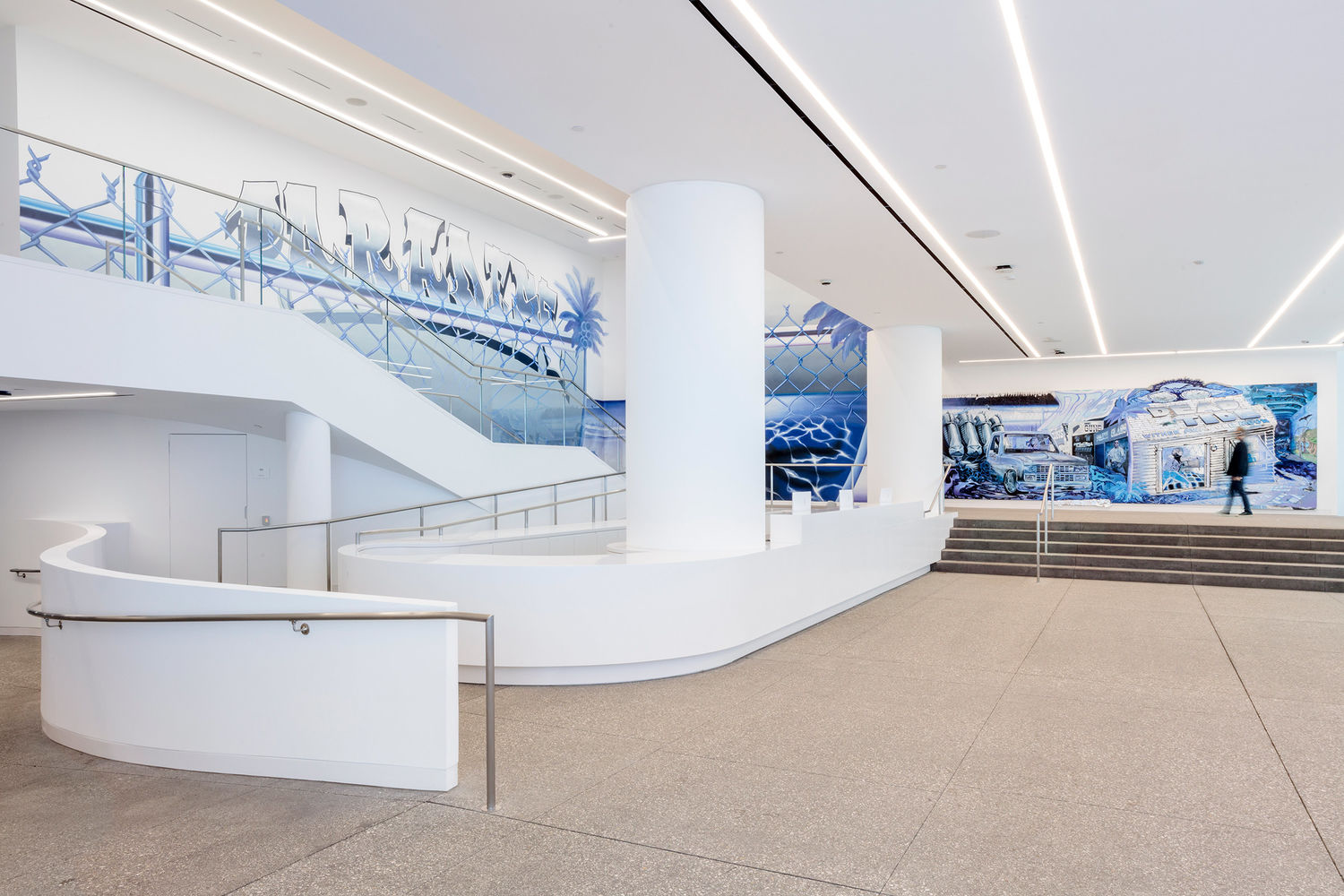
African-American artist Devin Reynold’s Paradise Lost, however, demonstrates how various diasporas have come to define Los Angeles as a city. Paradise Lost is a site-specific mural of the cultural landscape and architectural elements of Venice Beach, the neighbourhood where the artist grew up.
In the mural, Reynold has portrayed everything from wire fences to diaspora-owned shops within the community, painting a true-to-reality picture of Venice, a world-famous beachside neighbourhood built by immigrants from all walks of life.
It’s also the neighbourhood where the Venice Beach Drum Circle has lived throughout the ages. The Venice Beach Drum Circle is a community-organized event that happens on Venice Beach every Sunday.
“Around midday, flags from every country begin to appear, planted in an inviting V-like formation in the sand. The Venice Drum Circle is open to all, regardless of color or religious creed. Boy and girls, young and old. Whether you have mad rhythm or can’t maintain a beat, everyone is welcome,” writes blogger LA Sessions about the event.
This is an event that has captured the very diversity and rhythm of Venice Beach that Devin Reynolds has portrayed in Paradise Lost, albeit with a certain melancholy.
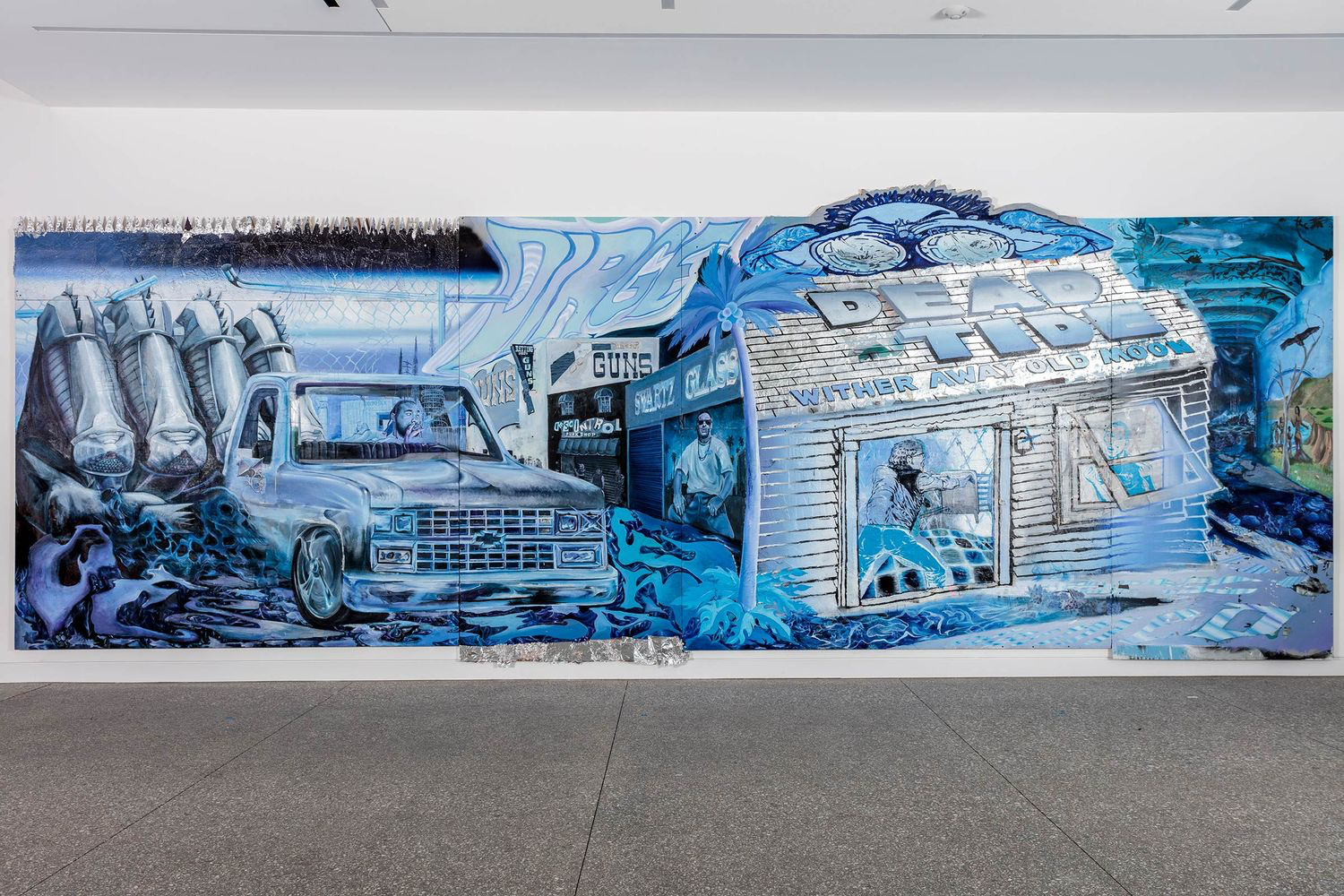
Paradise Lost’s blue hues and overwhelming portrayal of a wire fence remind its viewers of the ongoing tension against immigration in the United States and the world. It also alludes to a neighbourhood where for so long, the community, the very soul of the space, has been built by diasporas from many different countries. It is a vibrant community that continues to build and not take and take as those who discriminate against immigrants would have the public believe.