
Skeena Reece’s latest work, the satirical film Fauxcasian, follows its comedy up with the sobering contemplation of how truly ridiculous it is to claim someone else’s cultural identity as your own. Reece is a multidisciplinary artist with Cree, Métis, Tsimshian, and Gitksan heritage and is displaying her latest satirical film work, Fauxcasian, on Polygon’s Parallelogram. Parallelogram is Polygon Gallery’s new online-only exhibition platform, where people within or outside of North Vancouver or even British Columbia can view works that they publish for free. Reece’s Fauxcasian is one of a handful of works created specifically for Polygon’s new platform. In her film, Reece creates an alter ego named “VictimPrincessMother,” an Indigenous woman who identifies as a white Australian. With the film’s reference to cultural appropriation, it relates to the United Nations Sustainable Development Goal of Reduced Inequalities.
Reece’s film opens with a combination of video clips, including a slow zoom towards a rural intersection, a knife unboxing video, clips of her cooking, and in the final seconds of the introduction, close-up shots of her face, with bright blonde hair and blue eyes. These clips are accompanied by a voiceover of Reece, as her character, saying, "That's the real me; this is the real me.” In her voiceover, she also says, “I deserve love,” and later, “I deserve justice.”
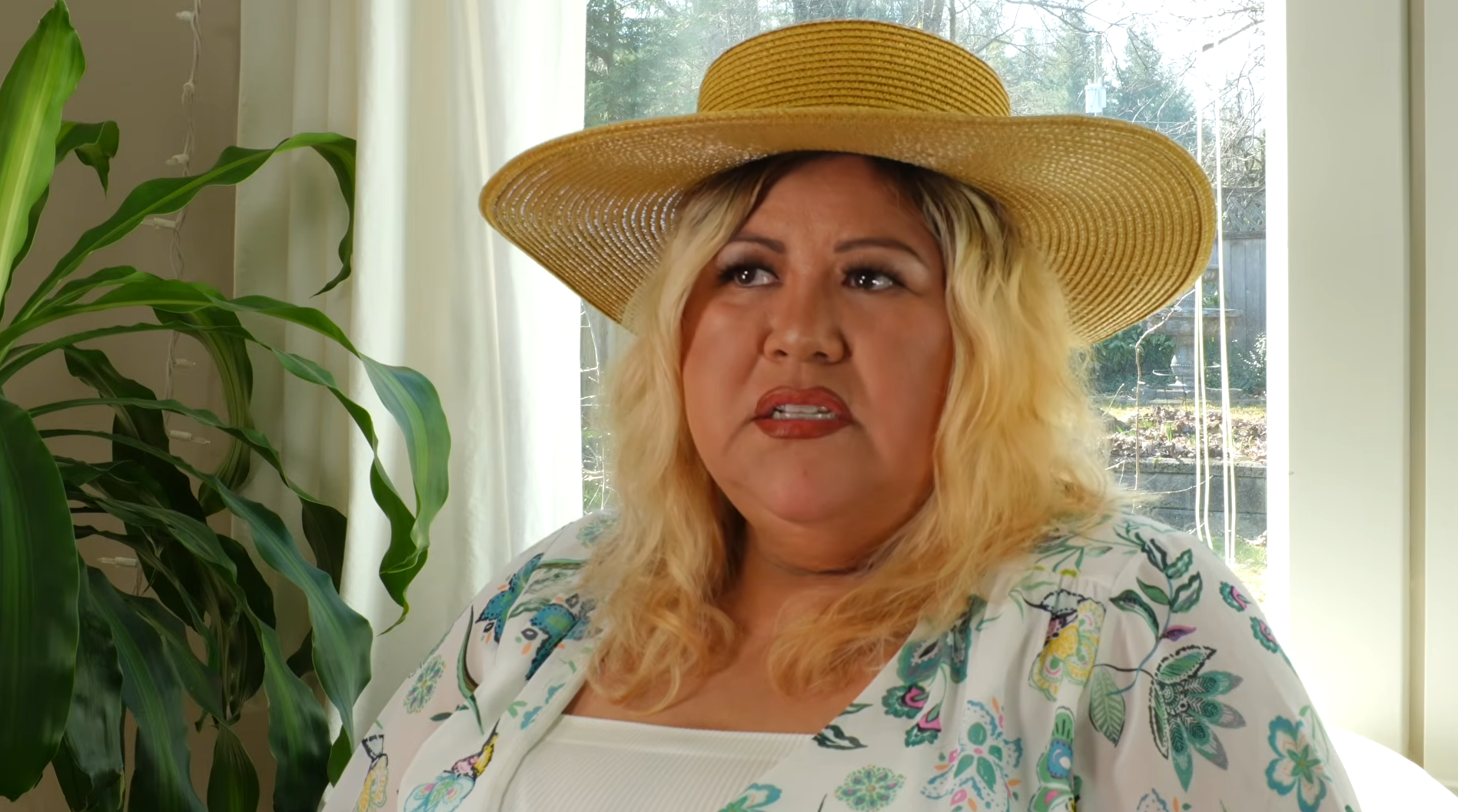
Skeena Reece’s character VictimPrincessMother is transparently a play on the common practice of non-Indigenous people claiming Indigenous heritage, also referred to as “pretendians.” Some recent examples include Thomas King, author of The Inconvenient Indian, artist Gina Adams, and Oscar-winning folk singer Buffy Sainte-Marie. Celeste Pedri-Spade, Associate Professor of Anthropology at McGill University, writes in a piece on Thomas King for The Conversation that these revelations of faked Indigeneity offer a cutting reality: that these people are simply fantasies, “commodified versions of Indigeneity that Canadians find palatable.” Any individual ‘authenticity’ of Indigenous experience in these cases is a farce. Many, such as Thomas King and Joseph Boyden, are revealed as not being Indigenous after they have gained significance or even cultural ‘icon’ status. Pedri-Spade writes, "Turning people into heroes isolates collective struggle, conceals the systemic problems behind them, and reinforces colonial ideas of individual exceptionalism.”
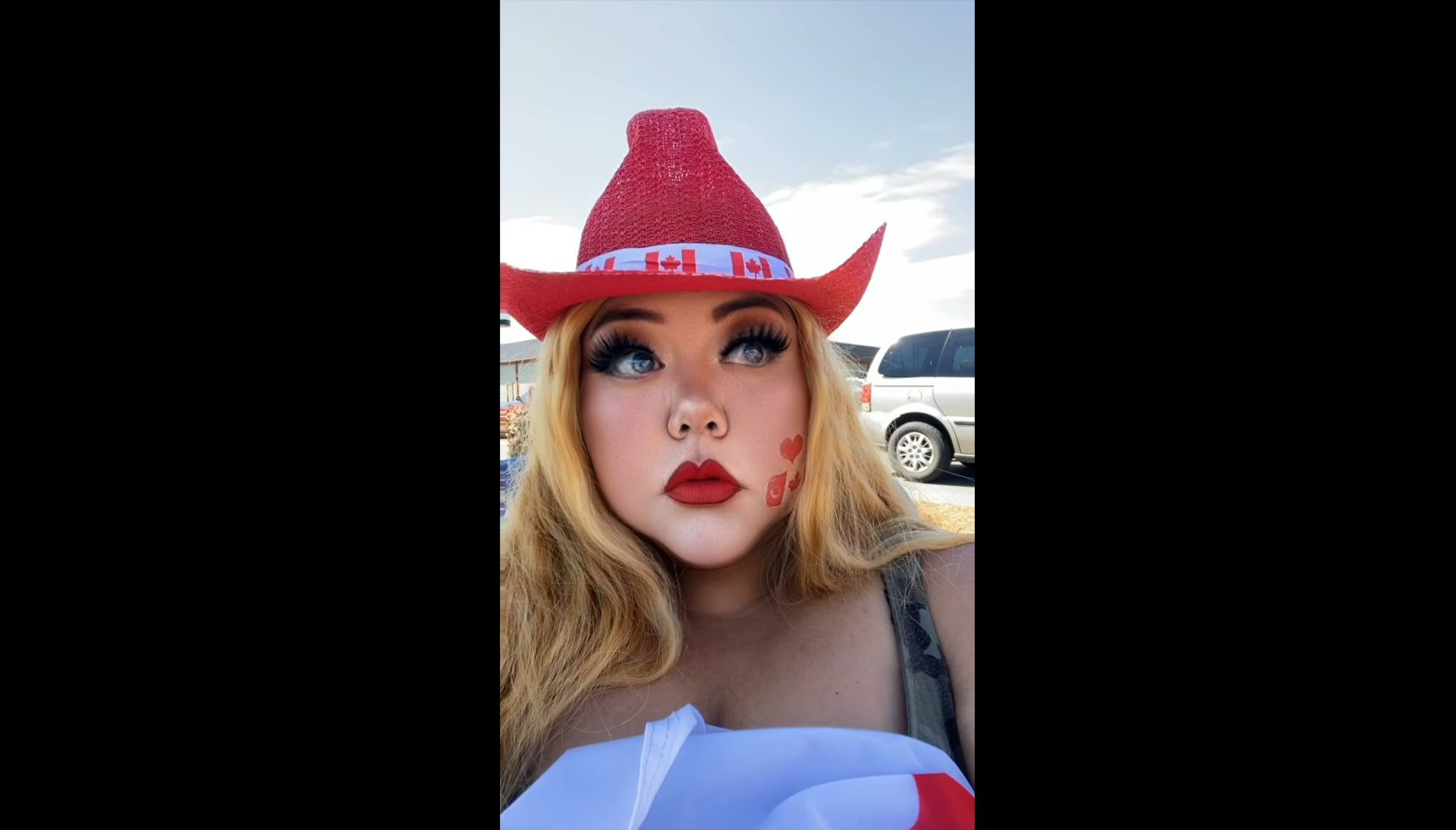
The film shows clips of VictimPrincessMother living life as her ‘new self’ Khris, where she films herself with a blonde hair filter, cleaning her house and putting in blue contacts, where we get an unbeatable line after her eyes start burning from her contacts. ‘Khris’ pulls her face down, saying, “I feel like they’re on fire, like the Australian fire.” She also attends Canada Day, wearing a temporary tattoo of a Canadian flag and wrapping a Canadian flag around her body. “If anyone asks me why do you have a native face and an Australian accent, I’ll say ‘none of your business,’” she says.
Reece’s VictimPrincessMother character is not an exact reflection of King, Sainte-Marie, or Adams. She does, however, scrape back the pretendian to its studs to expose the disrespect and ridiculousness inherent to the act of putting on another cultural experience like it’s a costume. In one of her final lines, Reece touches on something crucial, saying how her dad told her about the Potlatch Ban, a ban of the Indigenous ceremony called the Potlatch by the Canadian government, from 1885 to 1951. “That really got me scared because they said that before, in the ‘50s or whatever, they weren’t allowed to congregate in groups of more than four,” VictimPrincessMother says, glancing away from the camera periodically. The camera starts slowly zooming in on her as she says, “I think part of it was just this ingrained fear of having all that brought back and me being part of that.” She finally says that this is what led to her claiming to be white and Australian, that it would “exempt” her a bit.
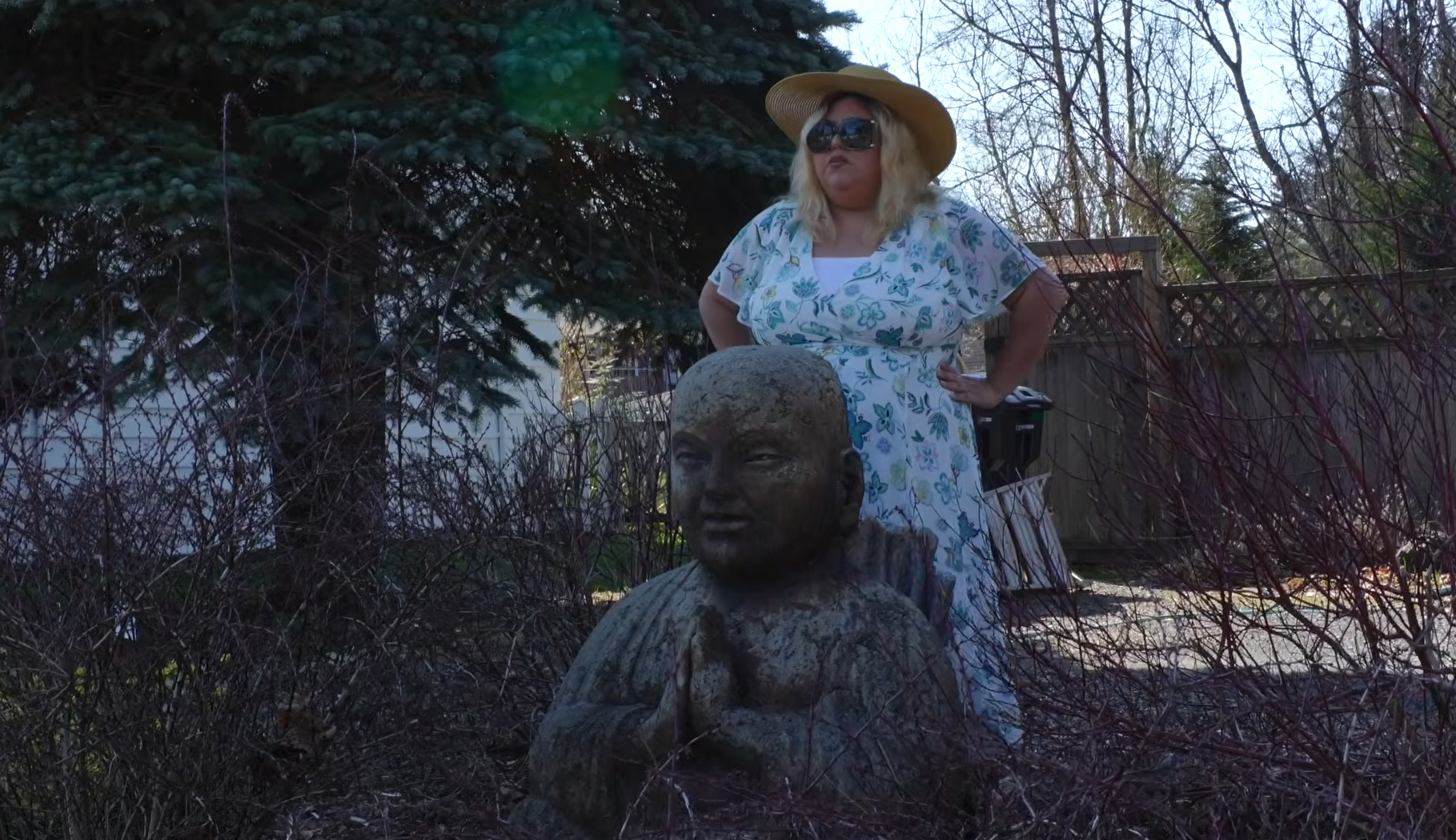
While especially white pretendians ‘put on’ Indigenous identities to exempt themselves from being accountable for their privilege, here, Reece’s VictimPrincessMother is trying on whiteness to attempt to exempt herself from oppression and from government regulations that tear away core parts of Indigenous peoples’ cultural lives.