
Disclaimer: The following article contains spoilers for the film 'Project Hail Mary'
Today’s cinematic science fiction world may be overwhelmingly saturated with bleak, apocalyptic visions of humanity's downfall, yet the highly anticipated film adaptation of Andy Weir’s novel Project Hail Mary offers a refreshing pivot. Directed by the visionary duo Phil Lord and Christopher Miller, the film deliberately rewrites the modern dystopian narrative by championing optimistic problem-solving and boundless scientific curiosity. This is why the film is aligned with the United Nations Sustainable Development Goal of Climate Action and Industry, Innovation and Infrastructure.

Rather than succumbing to the fatalism that has defined the genre over the last decade, the adaptation suggests that even in the face of absolute planetary devastation, the future is something to be actively figured out rather than passively feared. At the center of this tonal shift is Ryan Gosling’s portrayal of Dr. Ryland Grace, an amnesiac junior high school science teacher who wakes up in another solar system, tasked with executing a last-ditch mission to save humanity.
The inciting incident of the film directly addresses the terrifying realities of an extinction-level environmental disaster. As noted in a review by the Indypendent, Earth is facing an exponential dimming of the sun caused by a rapidly multiplying space microbe known as "astrophage." This sun-eating mold threatens to freeze the planet, initiating a climate catastrophe that requires immediate, unprecedented scientific intervention. The narrative urgency mirrors real-world ecological crises, echoing historic global triumphs like the rapid response to the ozone layer hole. The film insists that survival against overwhelming environmental collapse is possible, but only if humanity acts decisively and prioritizes scientific ingenuity over despair.
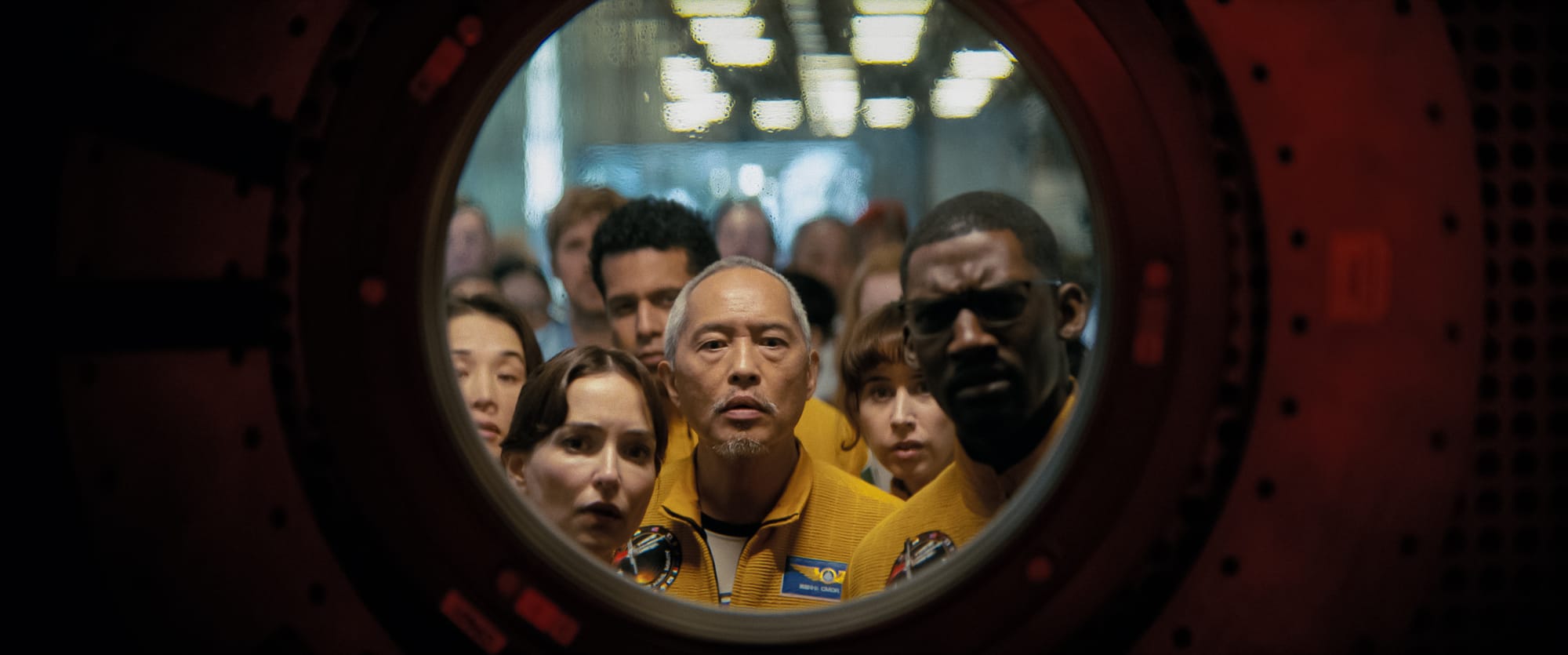
What truly distinguishes Project Hail Mary from other space epics is its unwavering commitment to "hard science fiction," an approach that elevates rigorous academic disciplines into thrilling, page-turning drama. According to Big Think, rather than relying on magical devices or inexplicable technology, the plot is driven by actual physics, molecular biology and hypothetical mass-conversion fuel.
This grounds the monumental stakes in tangible reality, especially since Gosling’s character leans heavily into his background as a science educator, using basic math, observational logic and his signature befuddled charm to survive. By translating dense scientific concepts into accessible, highly entertaining lessons, the film democratizes complex science for a mainstream audience, proving that intellect and reasoning are just as heroic as sheer physical strength.
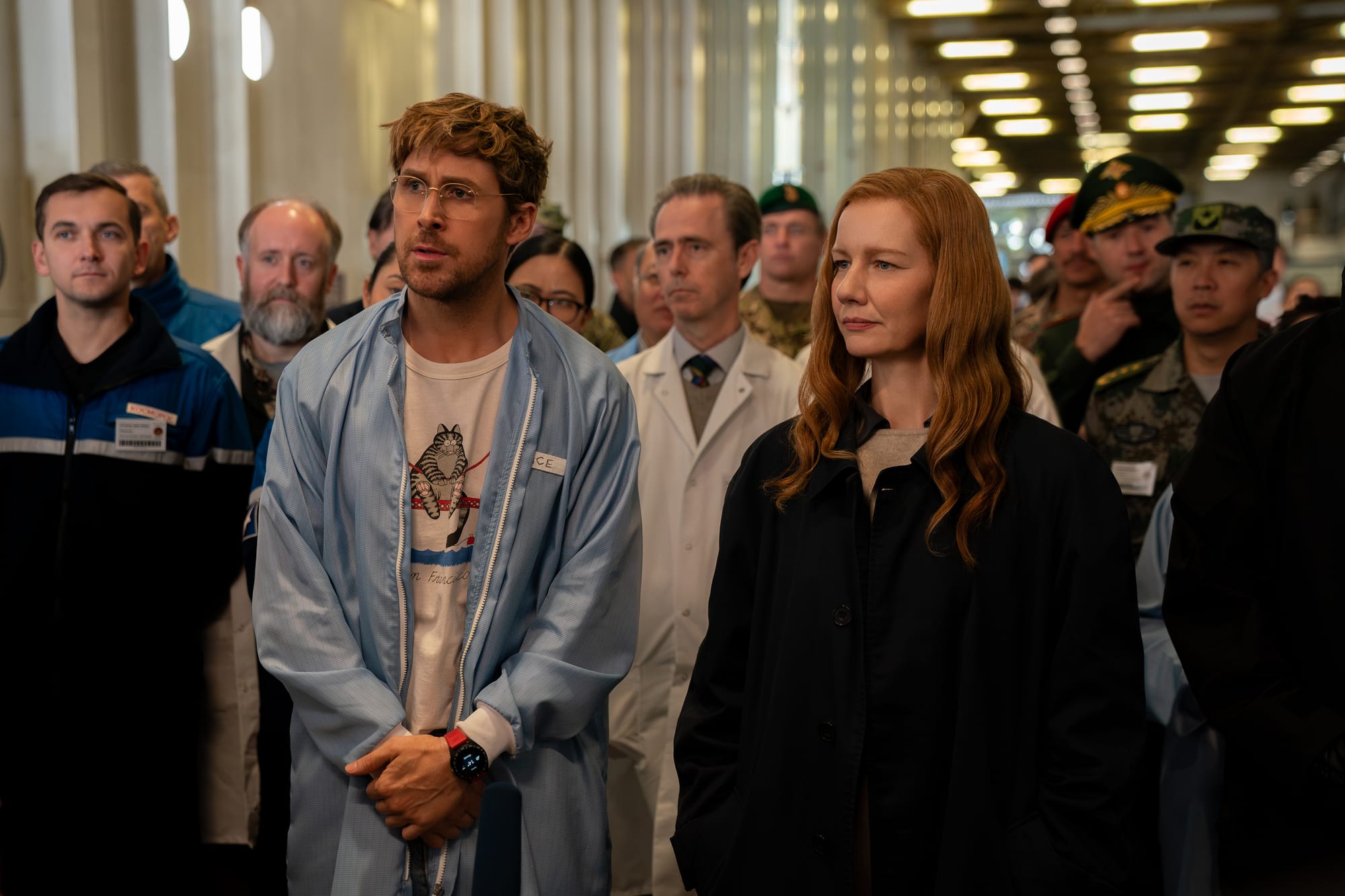
However, the true emotional and thematic core of the film rests on the concept of radical cooperation. This theme is best expressed through the interstellar alliance between Grace and an extraterrestrial engineer named Rocky, whose planet is also suffering from the Astrophage plague. The Willamette Collegian highlights how the film brilliantly avoids the tired trope of humanoid aliens, instead presenting Rocky as a highly intelligent, spider-like rock creature brought to life through masterful puppetry. The dynamic between Grace and Rocky evolves into one of the most endearing "bromances" in recent cinematic history, conveying the message that survival in a hostile universe requires tearing down boundaries and working together, regardless of how alien the other party may seem.
Visually, the film balances its deeply intimate character moments with a massive, awe-inspiring blockbuster scale. While a dissenting review in The Johns Hopkins News-Letter critiqued the film’s relentlessly optimistic tone and reliance on familiar sci-fi tropes, it nevertheless acknowledged the gorgeous visual ambition brought to the screen by Academy Award-winning cinematographer Greig Fraser.
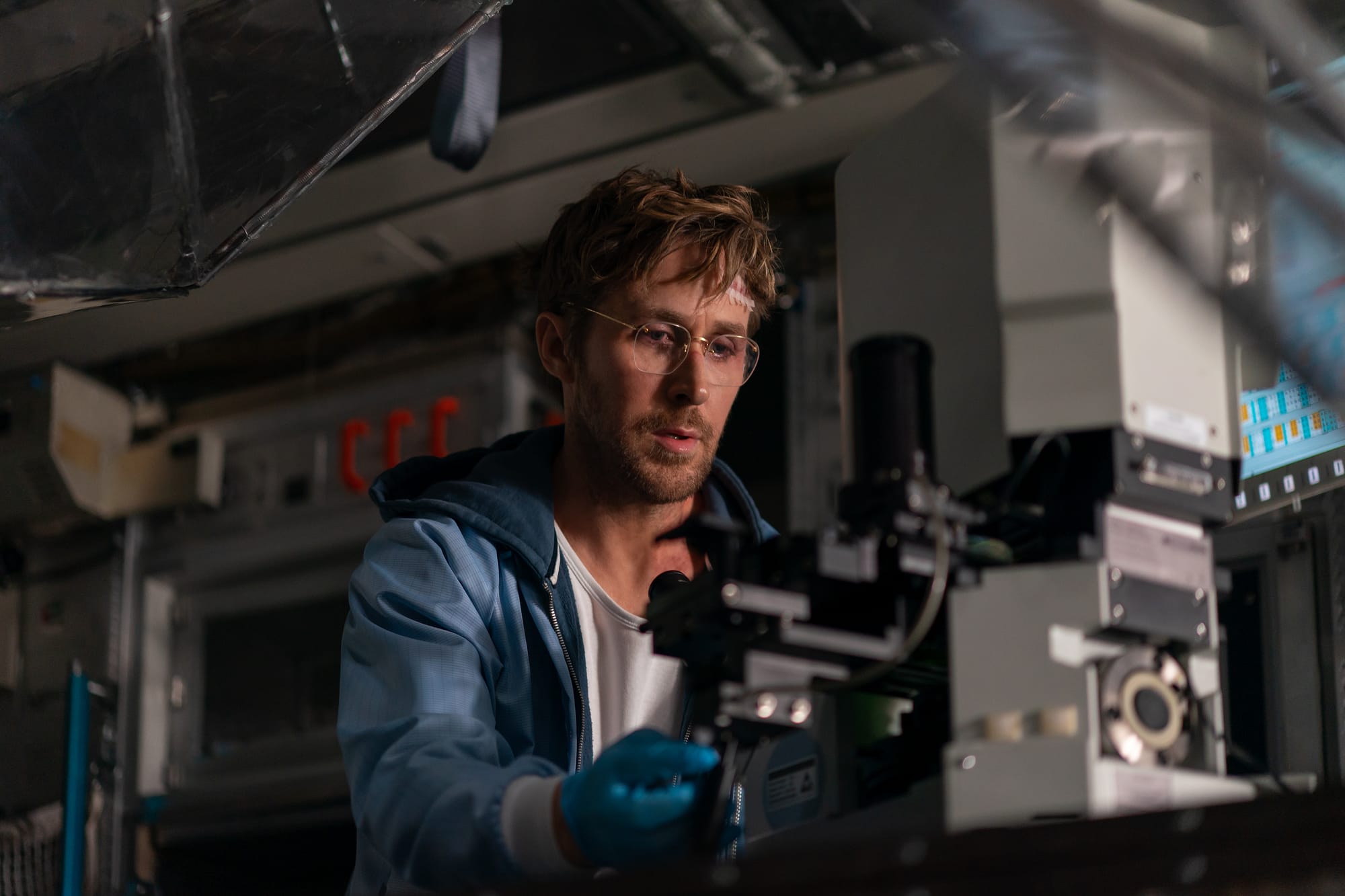
The production team notably avoided traditional green screens where possible, opting instead to use practical lighting techniques—such as surrounding Gosling with infrared LEDs and removing the IR filter from the camera lens to create the ominous, deep-red glow of the Astrophage infection. This level of craftsmanship ensures that Project Hail Mary remains a visually arresting spectacle while never losing sight of its earnest, accessible heart. Ultimately, the film stands as a triumph of hope, proving that with enough humor, teamwork, and scientific rigor, even the end of the world can be rewritten.
Find out more about Project Hail Mary on IMDb.