
Since its establishment in 2017, the Vagina Museum in London has been at the forefront of breaking down gynaecological stigma and providing accessible education for all things vagina related.
Founded by Florence Schechter, the museum aims to challenge societal taboos surrounding female reproductive anatomy through art exhibitions, events and outreach programs. The museum also offers a platform for open dialogue and exploration of topics related to the vagina, vulva and broader issues of gender and sexuality, reflecting the United Nations Sustainable Development Goal of Gender Equality and Quality Education.
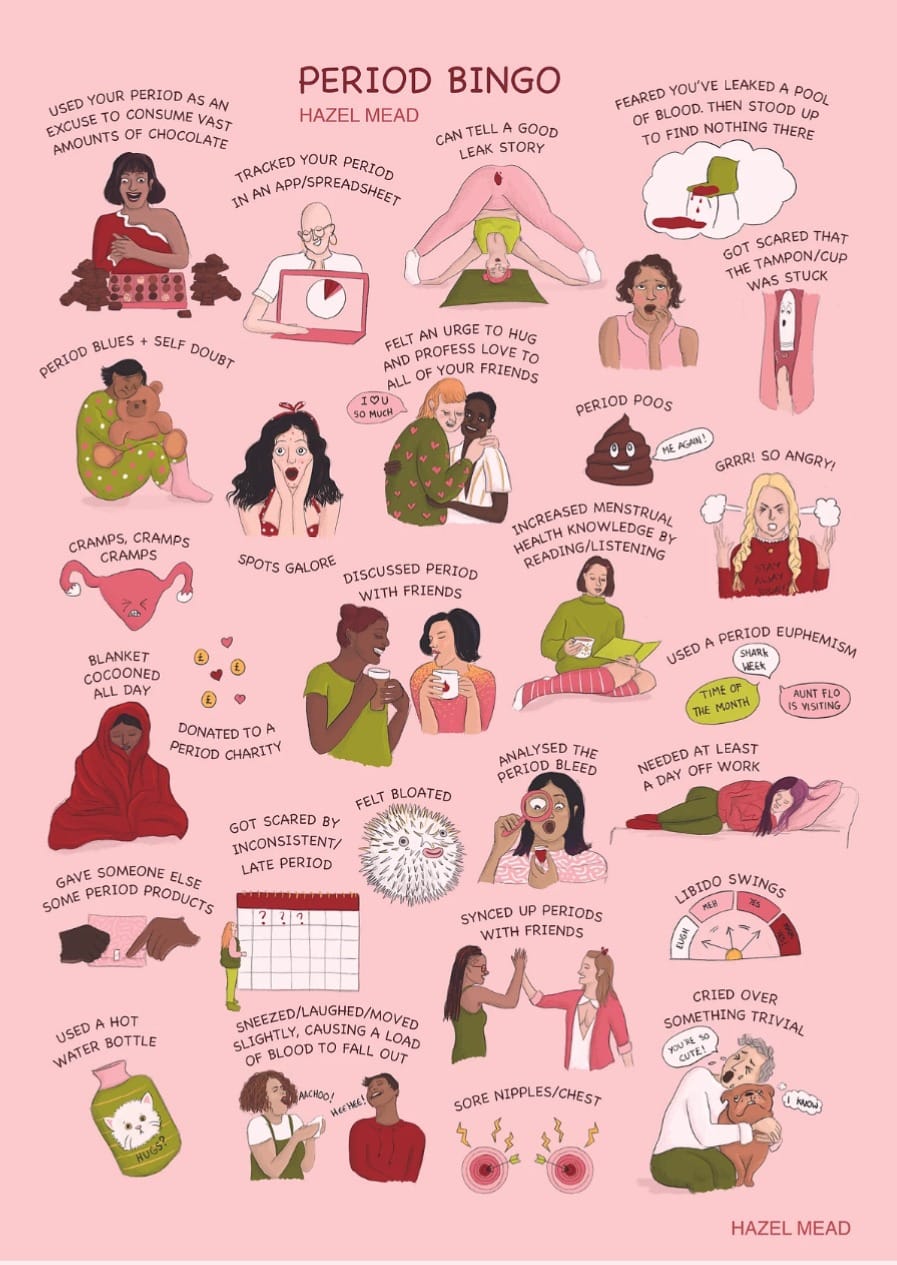
One of the artists the museum has exhibited is the infamous Hazel Mead who’s known for her informative and easy to digest infographics of all things female reproductive health related. The piece she exhibited at the Vagina Museum, Period Bingo, is a sheet of experiences that individuals who menstruate can relate to, everything from tampon leaks to getting period blues. This piece in particular challenges taboos around periods and empowers individuals to advocate for their reproductive health and rights.
The establishment of the Vagina Museum has not been an easy feat, if anything, it has demonstrated their grit and resilience. The museum was first started in 2017 as a pop-up museum, before eventually finding their home in Camden Market in 2019. Sadly, in 2022, the Camden Market space had to be closed down due to lease issues forcing them to create a fundraising campaign in order to afford their new space.
Thanks to the generosity of over 2,500 donors, the museum reopened its doors in November 2023. Albeit in a larger space on Poyser Street, Bethnal Green, London. The museum’s new venue gives visitors access to three gallery spaces, including a ground floor gallery dedicated to temporary exhibitions. Making them one step closer to reaching their aim of creating a space where conversations about consent, body positivity and sexual health are encouraged and respected.
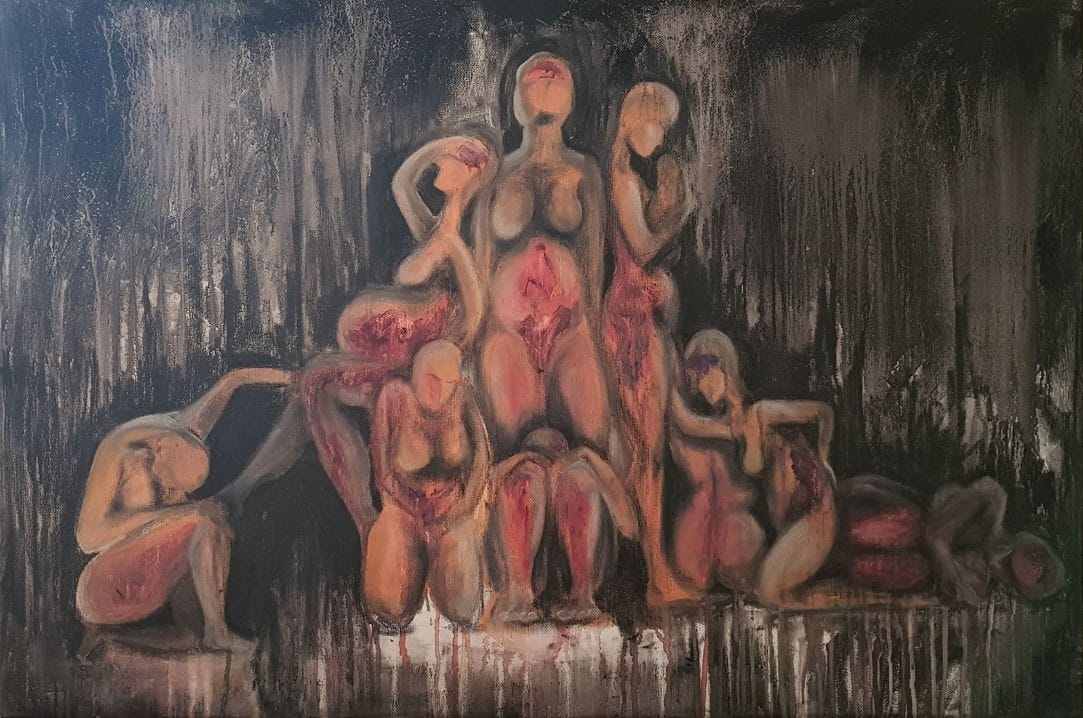
The museum's most recent exhibition, Endometriosis: Into the Unknown, sheds light on the myths and misconceptions surrounding endometriosis. This often misunderstood condition has, in 2023, affected roughly 190 million women and girls of reproductive age globally. The exhibit explores the latest research and showcases lived experiences of individuals with endometriosis. It seeks to raise awareness and promote understanding of this prevalent chronic health issue that often goes undiagnosed in women, addressing gender disparities in healthcare in the process.
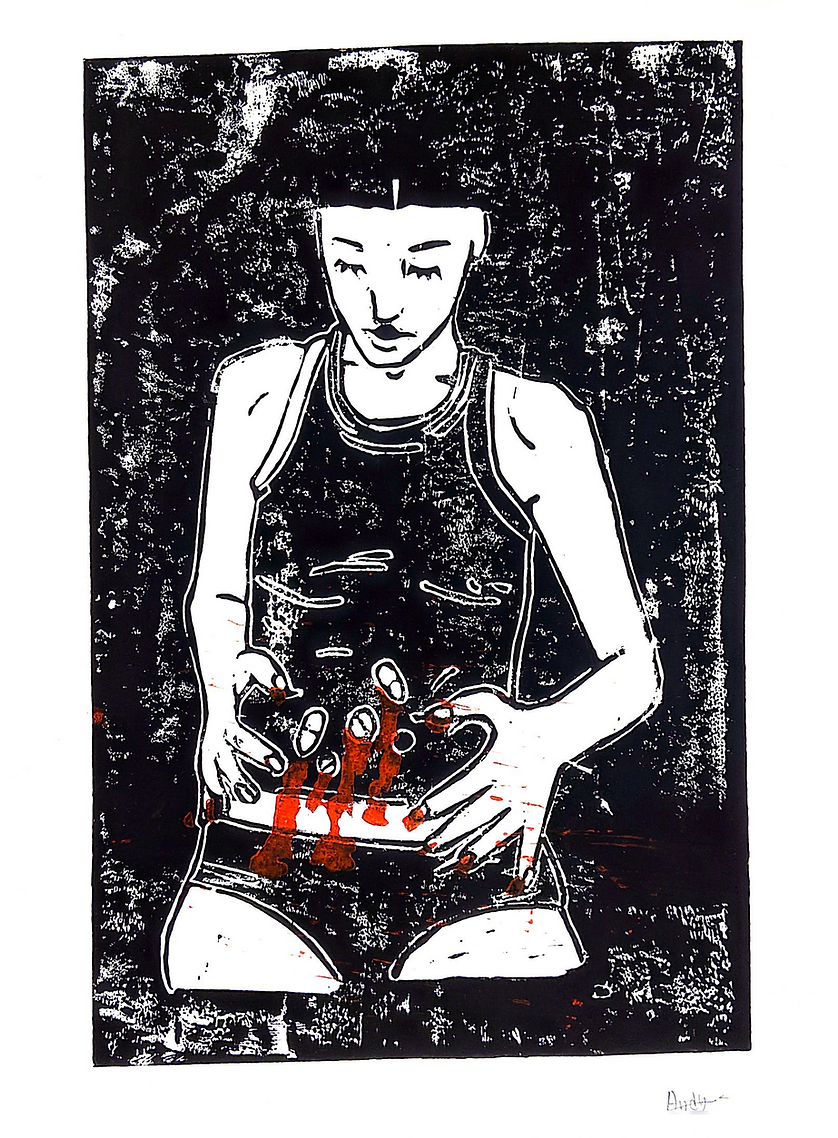
In this exhibition, viewers can also understand how the Vagina Museum serves as a hub for community engagement and empowerment. As an example, they have also included the piece Male, Female, Pain by Andy Shaham which showcases a masculine presenting figure experiencing endometriosis. By exhibiting this piece, the Vagina Museum does not only promote gender equality but also fosters a sense of belonging and inclusivity within the LGBTQ+ community. Affirming the experience of gender non-conforming individuals and educating the broader public that people from all genders can have a vagina.
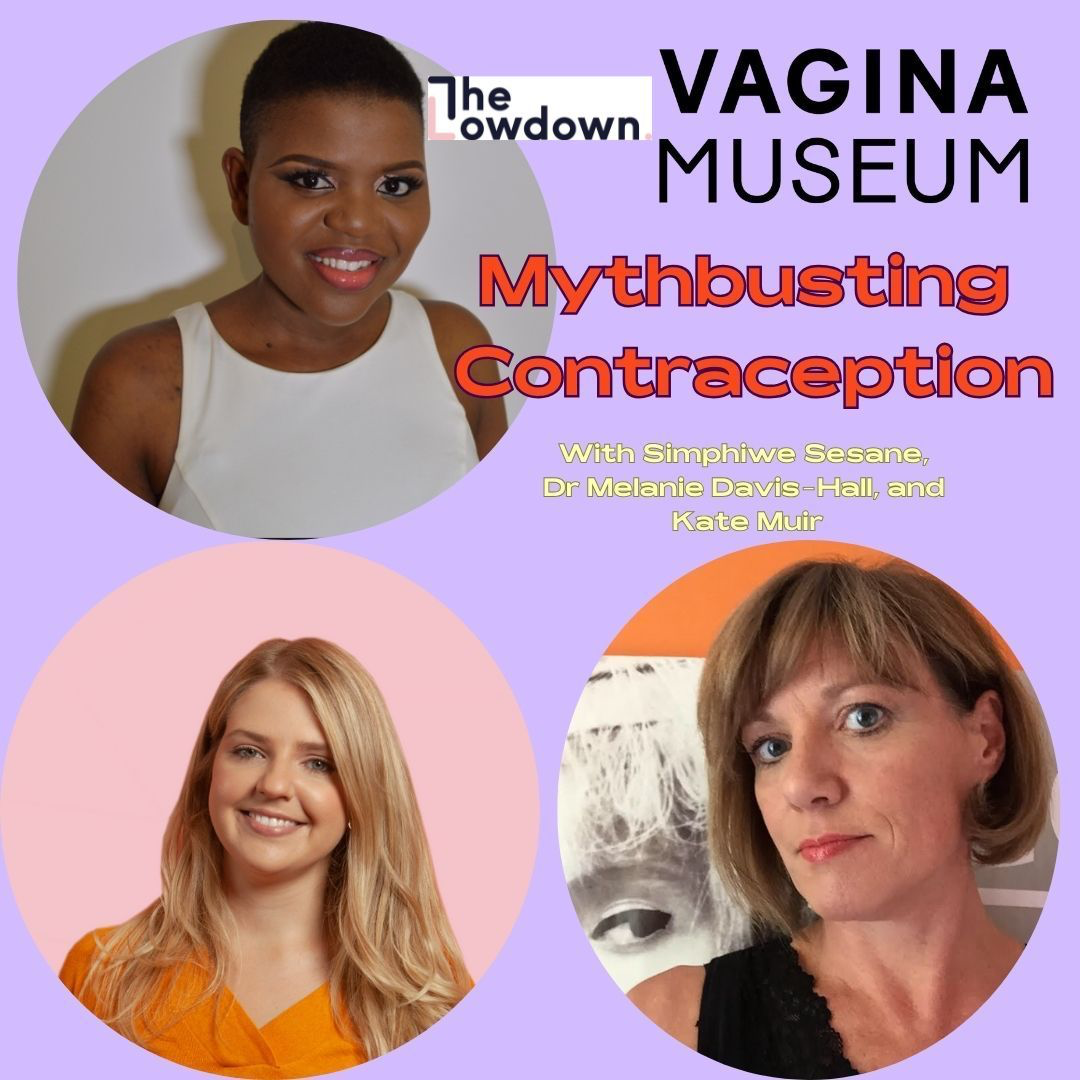
The museum's commitment to education is also evident in its outreach programs and events. They host regular talks, workshops and panel discussions led by medical professionals and activists. These events provide valuable resources and information on topics related to sexual and reproductive health.
The museum also shares their fountain of knowledge by creating bite-sized videos on their Instagram account. Videos that have garnered the attention of over 200,000 followers. By addressing so-called “taboo” subjects with honesty and sensitivity, whether through their exhibitions, talks or videos, the Vagina Museum empowers individuals to make informed choices about their bodies and challenges societal norms that perpetuate discrimination and inequality.
Looking ahead, the Vagina Museum aims to continue to advocate for gender equality and social justice. By providing a platform for marginalized voices and fostering dialogue on important issues, the Vagina Museum inspires change and empowers individuals to create a more inclusive and equitable society.