
In October 2024, Toronto, Ontario's living history museum Black Creek Pioneer emerged with a novel name, “The Village at Black Creek.” The change beckoned a renewed commitment to the site’s history. In adherence to the United Nations Sustainable Development Goals, the project adhered to the principles of Quality Education and Reduced Inequalities. To emphasize this mission, the word “pioneer” was removed. Through the new name, the museum highlights acknowledge’s Canada’s colonial past, Iroquois culture, and the art, trade, and modern technology that helped build the land we call Toronto today. Therefore, the amended museum name was welcomed as respecting the first caretakers of the land while symbolizing a hopeful future.
The Village at Black Creek in Toronto is an open-air museum. In an authentic recreation of the 1860s antiquity and culture, the museum offers a journey back in time. It presents Indigenous art, culture, historic buildings, artifacts, trade, and the life of the early settlers of the 19th century.
Anchored in the original 1816 farmhouse of pioneers Daniel and Elizabeth Stong, the Metropolitan Toronto and Region Conservation Authority (now TRCA) combined it with the Danziel Pioneer Park Museum and reconstructed the rural life of 19th-century Ontario. This unique amalgamation shaped the museum, and in 1960 its doors were opened to the public as the Black Creek Pioneer Village. People's unwavering interest in the museum has been recognized since then and has also been greeted with determined and steadfast interest in the present restructuring as The Village at Black Creek.
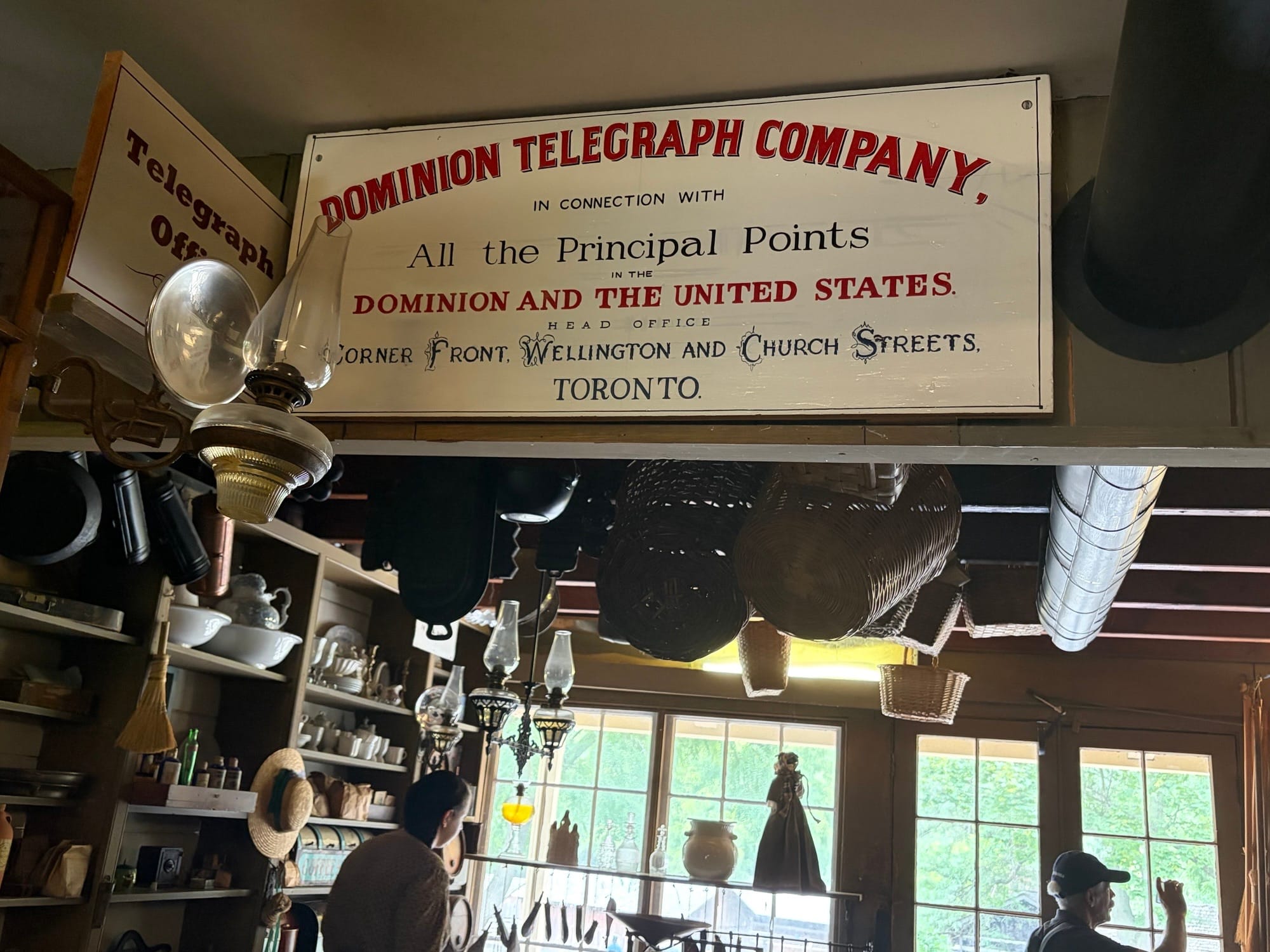
Standing on 30 acres of land, several historic buildings, numerous artifacts, and innovative programs, “The Village at Black Creek” represents the sustainability goals of community and collaboration. The McNair Gallery section will guide the visitors through 70 exclusive tools used by First Nations people. Mrs. and Mr. Percy Snider donated these items to the Canadian Archaeological Association. The artifacts and display items now conserve and guard regional antiquities, historical sculptures, and cultural heritage.
The museum displays another brilliant section, The soul that let itself be born Again. Awe-striking wood carvings are on display, crafted by Toronto-based Inuit eco-artist Barry Best. Best uses sustainable wood and soapstone carvings to merge Indigenous myth with conservational encouragement. A noteworthy exhibit is 'Uppik,' or snow owl, a unique combination of traditional carving demonstrating the artist’s pledge to sustenance and strong cultural narration.
Furthermore, there is the moving exhibit, Red Dress: A Glimpse. Curator Burnett compiled a clothing display in remembrance of MMIWG2S+. This stands for Missing and Murdered Indigenous Women, Girls, and Two-Spirit people. The museum respectfully honors the human rights crisis, unequal violence, and calls for action and remedy.
The display, 10 Stories, is a unique, rare experience to understand the heritage, memory, and sustainability using raw wool from the village’s sheep. Textile artist Wen Shen weaves miniature sweaters replicating Indigenous art and design. Shen acts as the ambassador of tradition and inclusiveness and as a great narrator of communal memory.
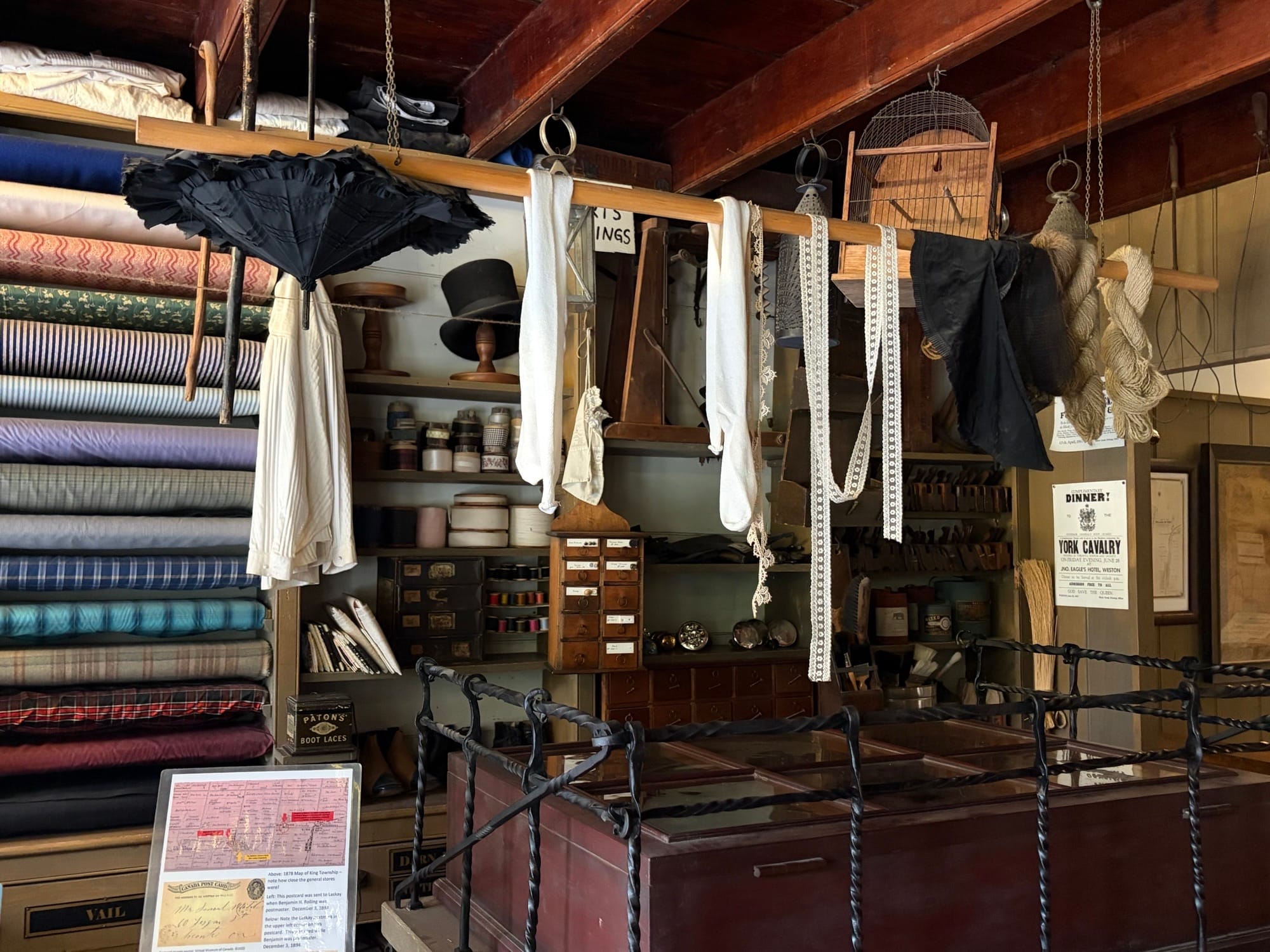
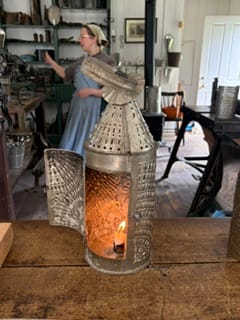
The unique buildings of Daniel Stong’s First House, Charles Irvin’s Weaver Shop, Dickson Hill School, Doctor’s House, Laskay Emporium, and several other exclusive buildings are a great testimony to small-town commercial structures once again restored. Dating back to the 1800s, the communities lived by fishing, hunting, making maple syrup, and baking fruit pie. They shifted their requirements to overcome the hardship they faced with the change of seasons. The Apple Storage Cellar building, only 8 feet by 7 feet in dimension and built with stone and brick, is a remarkable construction and engineering feat of the early 19th century. Two sets of small doors insulate the space for fruit and root vegetable storage. A small vent opposite the door regulates the temperature inside. The wooden bins along the building walls hold layers of apples and shield the fruit to increase their storage life. Another distinguished collection of 150 kerosene lamps of the Catherine Turo Lighting collection and the supportable working methods hold the interest of visitors.
The Village at Black Creek also offers notable interest for children who visit the museum. Through the 2000 pieces of the Percy Band Toy collection and workshops, a lineup of compelling activities reinterprets the past. On the first Saturday of the month, they host ‘Through Their Eyes,' which recreates historical and cultural facts through engaging activities.
On Sept 27, 2026, the museum will observe the National Day for Truth and Reconciliation to honour residential school children and their families who never got to return home. An array of artists and historians will engage visitors. The activities will highlight settler histories, artists’ programs, and an extensive recreation of Toronto's first taxicab.
Where the present generation is educated in reflection, consideration, and knowledge, the world can surely be optimistic of a sustainable and peaceful future.