
Beyond the Pedestal, an expansive exhibition celebrating innovative sculpture from the 1960s to the present day, is now in its third month on display at the Montreal Museum of Fine Arts. The installation highlights works by artists both Canadian and American, leaving viewers to consider how different artists approached this new era of sculptural creation.
The exhibition speaks to the United Nations Sustainable Development Goal of Sustainable Cities and Communities. The artists on display have contributed to the growth and development of a creative discipline, contributing to the art world and their local communities of creatives.
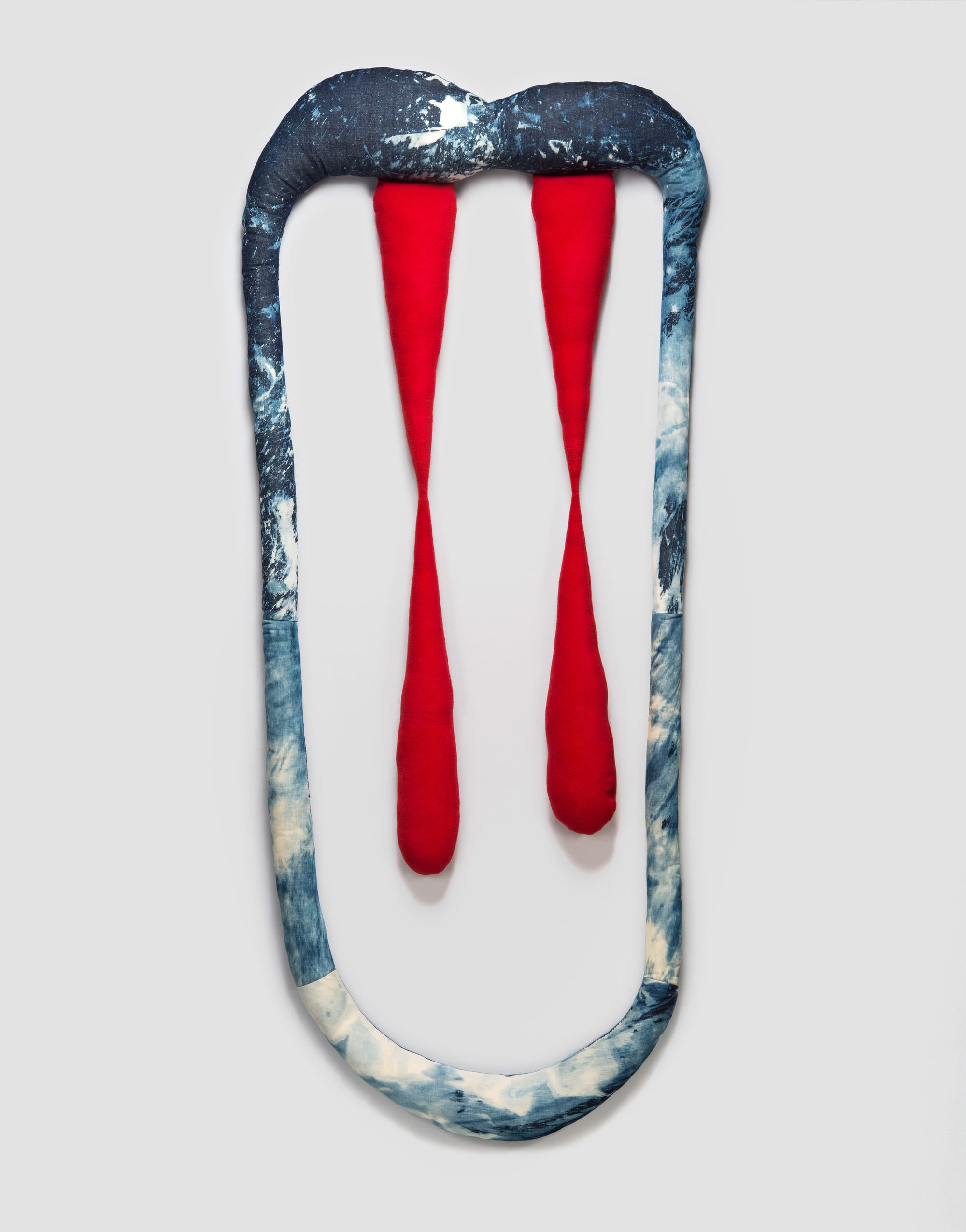
The exhibition isn't easily defined: some pieces evoke more easily identifiable images, like Sterling Ruby's Vampire 108, reminiscent of a wide jaw and vampire fangs. But the range of designs also captures the essence of the experimental sculpture works that have emerged since the 1960s. These works appear to intentionally resist being categorized, carrying with them a variety of new compositions and meanings.
The artists who have work on display include American and Canadian artists Sterling Ruby, Roland Poulin and Ulysse Comptois.
Sterling Ruby is an American artist who grew up on a farm in southeastern Pennsylvania, who works in a variety of mediums, though is well-known for his paintings with references to graffiti, mechanisms of warfare, maximum-security prisons, amongst other topics. His work has been described by Saatchi Gallery as conducting "an assault on materials and social structures."
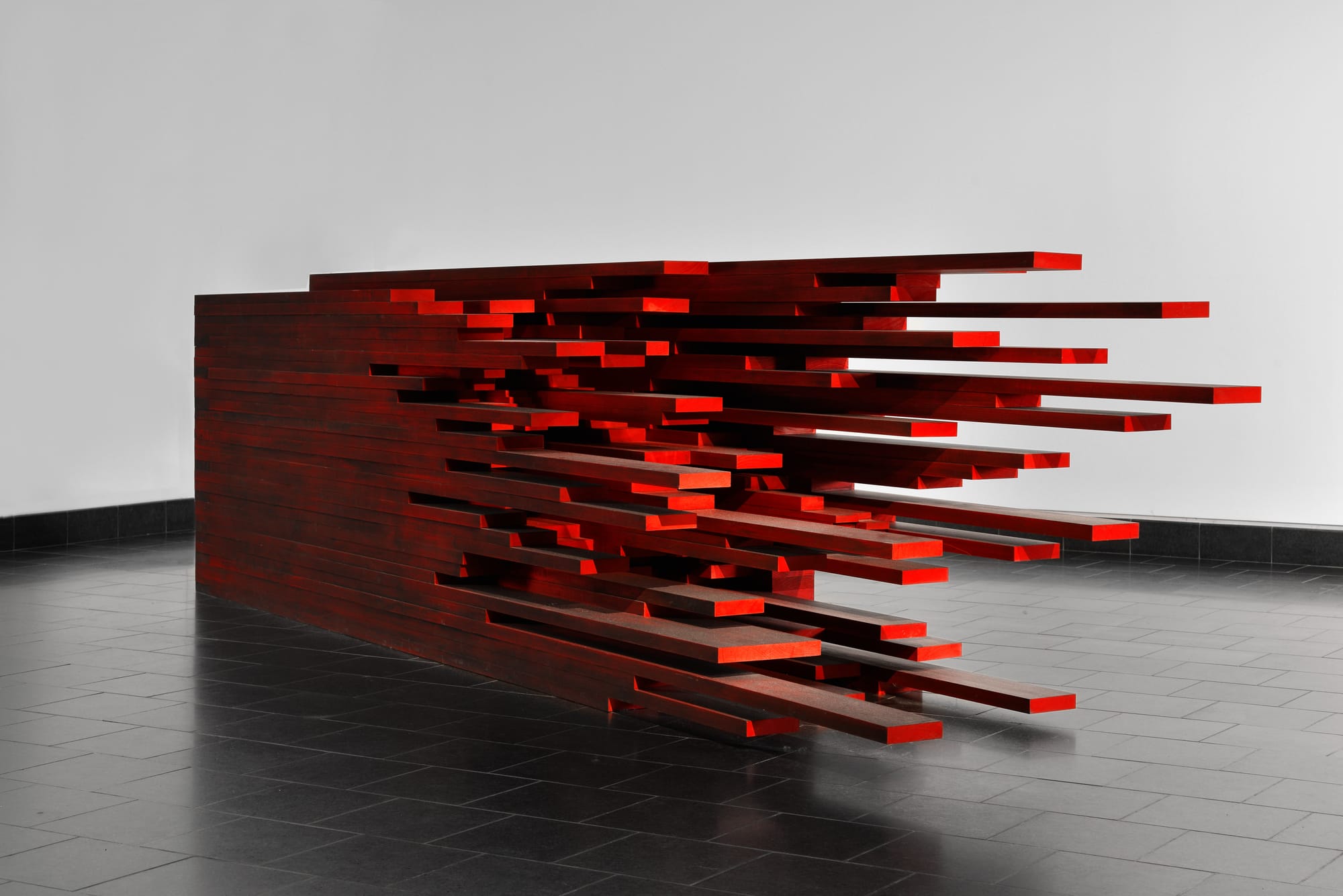
Roland Poulin, a Canadian artist who grew up in Montréal, is known for figurative and abstract sculpture. His pieces are made using concrete, wood and bronze, like his sculpture In Extenso 2, on display at Beyond the Pedestal and pictured above.
Ulysse Comptois is another Quebecois artist, who attended and subsequently dropped out of the Ecole des beaux-arts in Montréal. Comptois is known for work primarily consisted of modular sculptures. Modular sculptures
Across the 1960s and 1970s, artists created new forms of art. In the pop art movement, for example, from the late 1950s and 1960s, there was an popular emergence of art inspired by advertisements and pop culture, a critique and reflection on the commodity-driven post-war world. While the sculptures on display at the Montreal Montreal of Fine Arts don't appear to be inspired this movement, the range of experimental styles speaks to the same moment of artists seeking a novel approach to their craft.
The sculpture art produced over the two decades changed not only styles, but ideas of where works derive their meaning. For Minimalism and Land Art, both of which emerged in the 1960s, the existence of the piece in a physical space was now what created its meaning.