
Brendan Fernandes knows that dance is quite literally political movement, showing this in his exhibition Other Moves, which opened at Calgary's Esker Foundation on the 19th of September.
The exhibition highlights the United Nations Sustainable Development Goal of Reduced Inequalities, considering what queer joy and resilience might look like to different people, while confronting the impacts of colonialism.
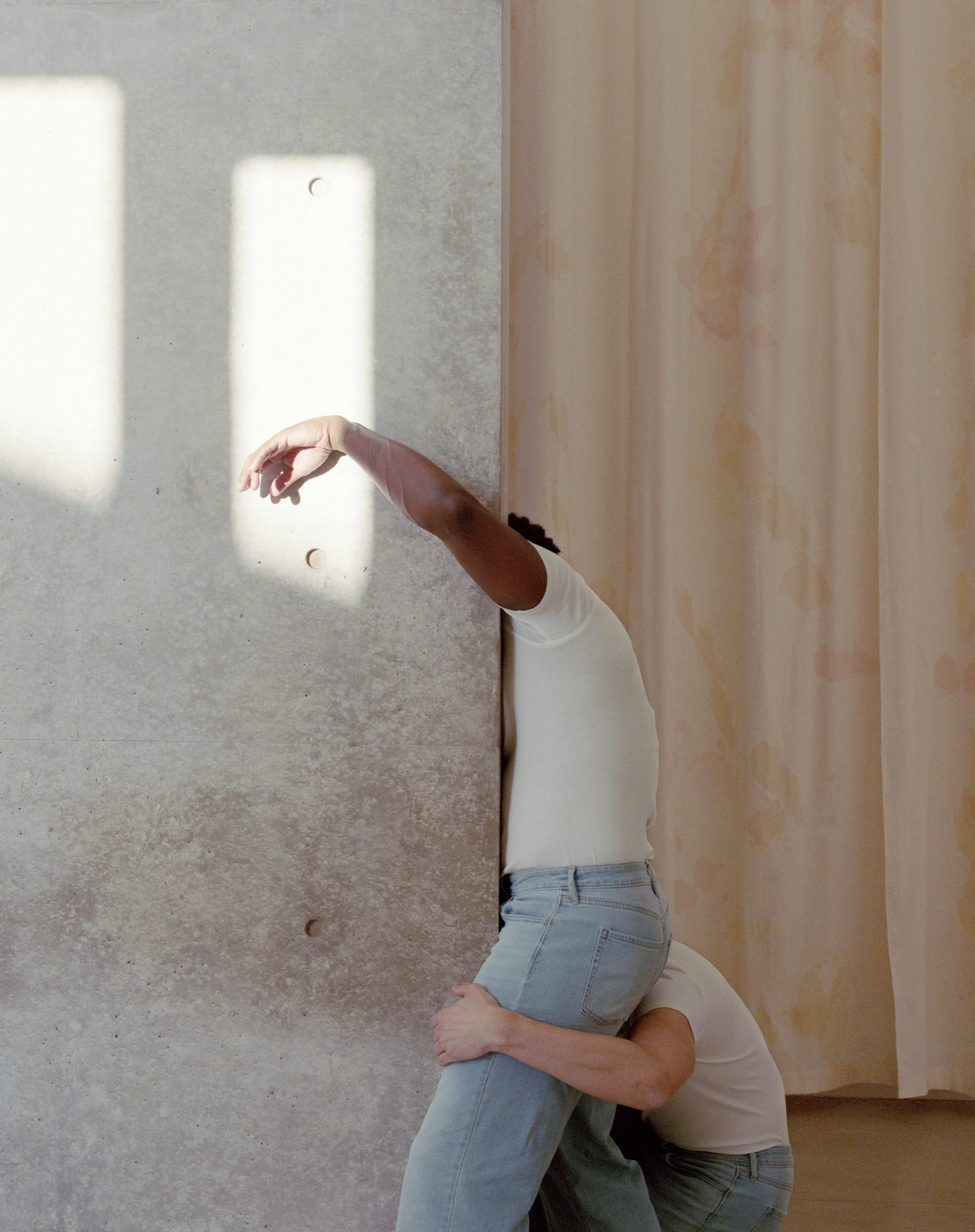
For internationally recognized artist Brendan Fernandes, dance is a core part of who he is. So is visual art, which he began to turn to after an injury prematurely ended his dance career. His pieces, created at the intersection of dance and visual art, are concerned with issues of race, queer culture, migration and protest movement. He is also informed by his background as a Queer Person of Colour, Kenyan-Indian and Canadian-American.
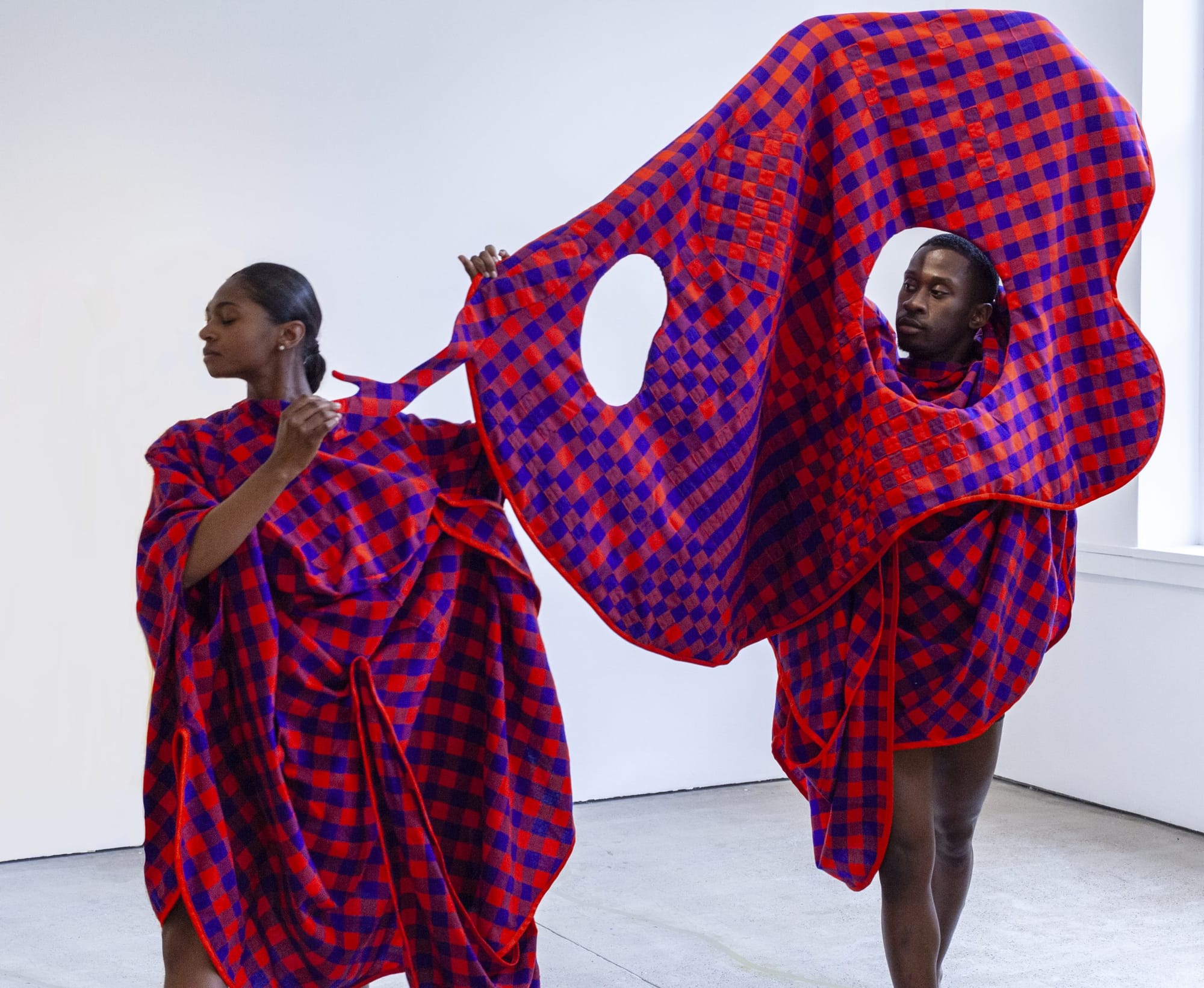
In the exhibition, Fernandes shows the dance floor as a place where he is free express his queerness, and resistance to oppressive systems. This is present in Noise See, where the dance incorporates quilted tapestries inspired by Maasai shuka, which are vibrant plaid or checkered textiles, very important to contemporary Maasai culture. The Maasai people a Nilotic ethnic group around large parts of northern, central and southern Kenya, as well as the border in northern Tanszania. The shuka inspiration also evokes the impacts of colonialism in Kenya and Tanzania.
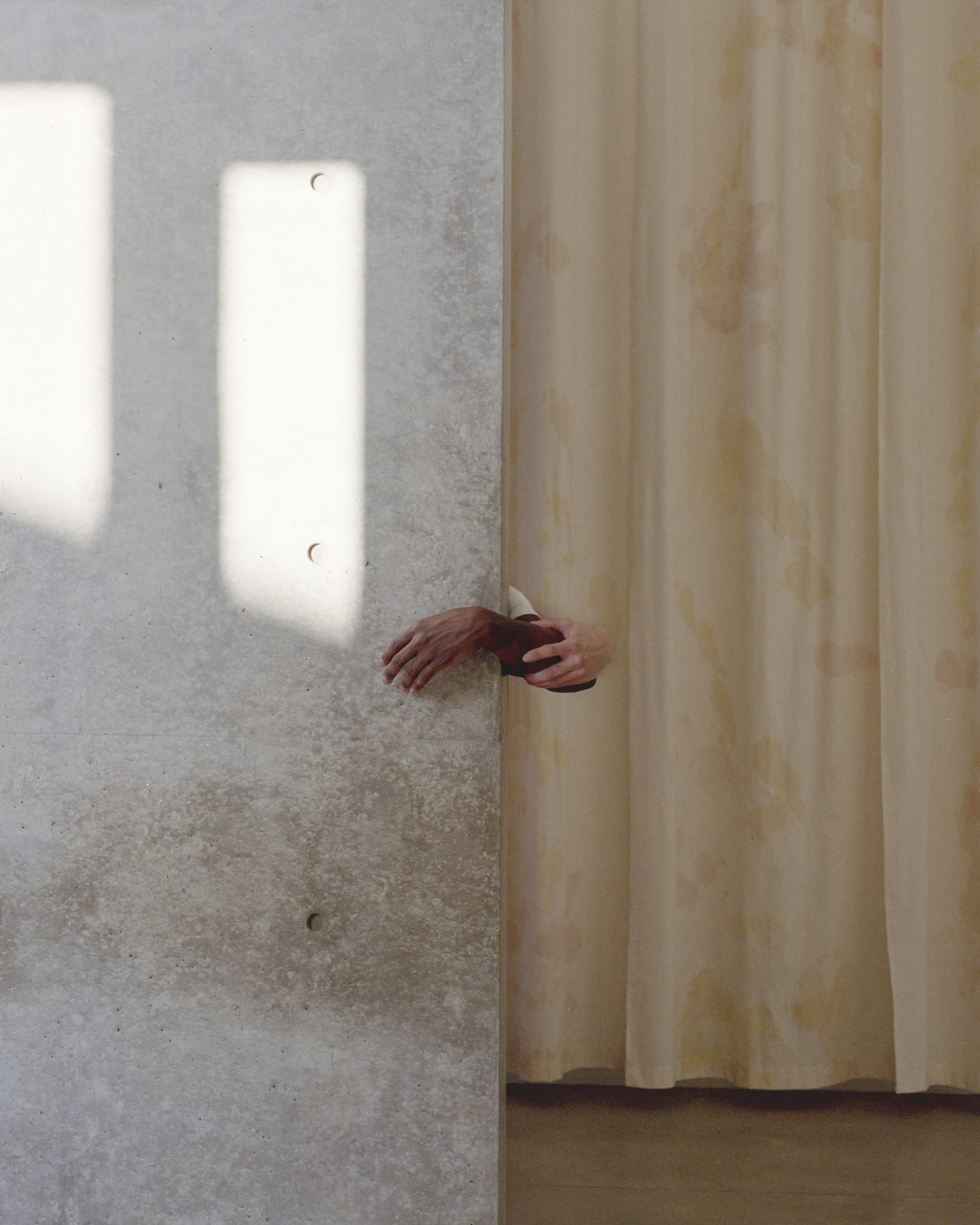
The piece In Two crafts a response to the 20th century American artist Scott Burton. Carrying forward Burton's' exploration of queer culture in public spaces, Fernandes considers, through photographs, sculptures and textiles, the role that cruising has played in facilitating connection in queer community.
The movement aspect of these pieces creates unique interactions, as the dancers bodies appear to merge and separate in their duets. This movement demonstrates the role of queer community as a centre for resilience.