
Future Geographies is an exhibit running from May 14, 2026, to January 10, 2027, at the Vancouver Art Gallery, stretching across several floors. This exhibit includes a partnership between the Vancouver Art Gallery and the University of British Columbia's Climate Action Lab, which are together creating new platforms for what they call "cross-disciplinary dialogue".
This exhibition alligns with the United Nations Sustainable Development Goals of Climate Action and Sustainable Cities and Communities. All the pieces spotlighted in this collection are related in some way to the global impacts of climate change, and imagined sustainable futures.
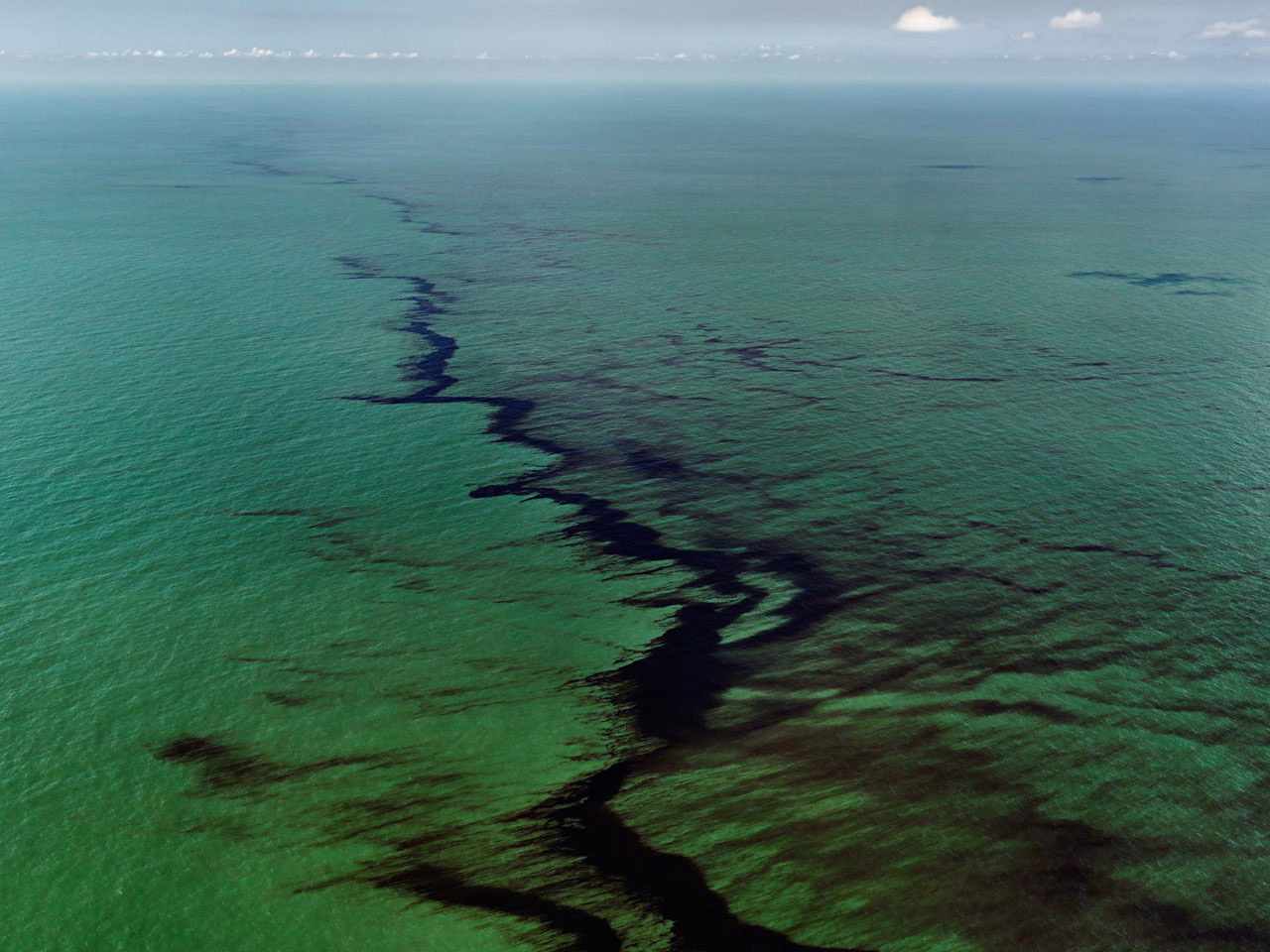
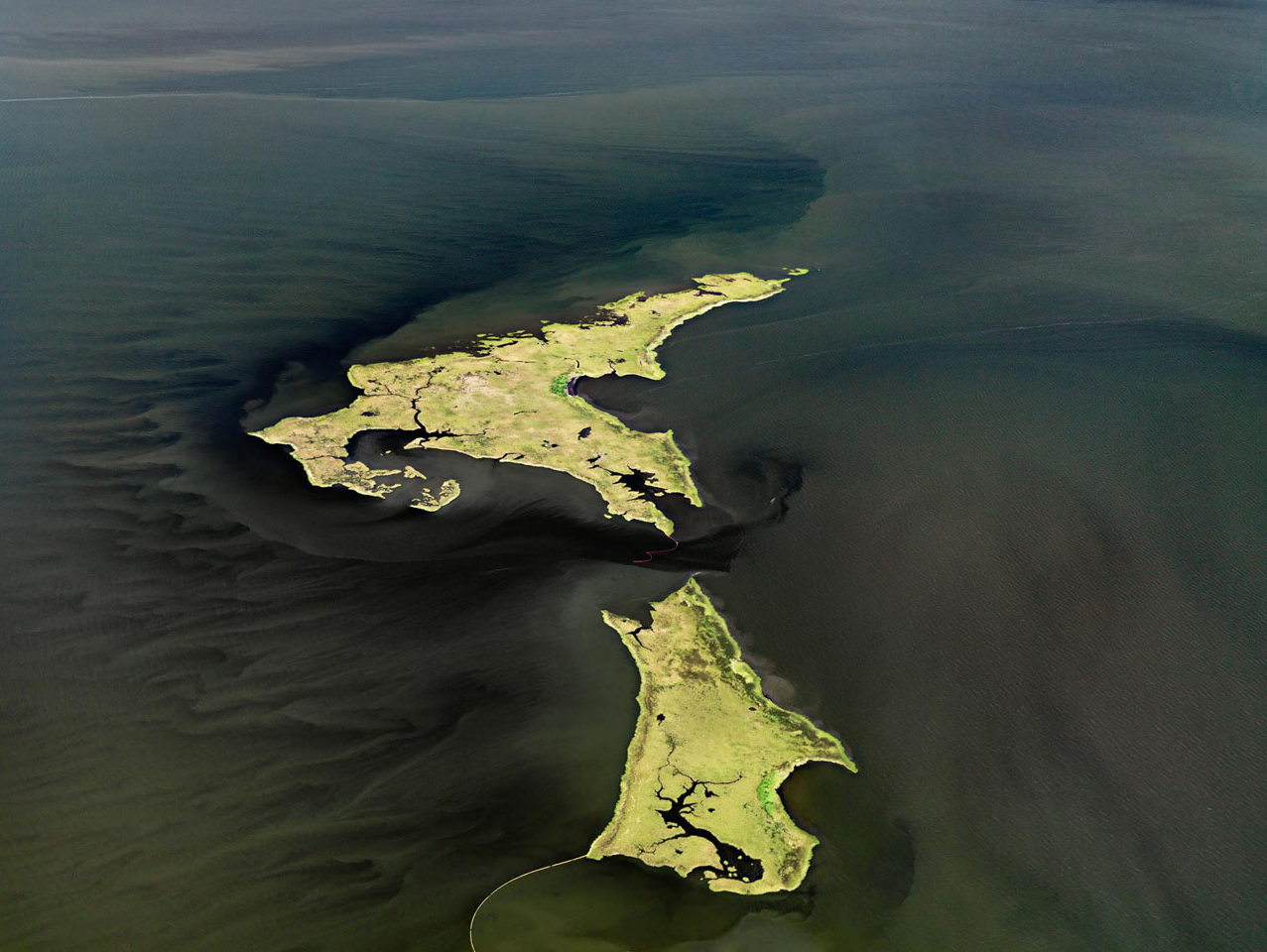
Left: Edward Burtynsky, Oil Spill #10, Oil Slick, Gulf of Mexico, June 24, 2010, chromogenic print Collection of the Vancouver Art Gallery, VAG 2013.30.23, Right: Edward Burtynsky, Oil Spill #14, Marsh Islands, Gulf of Mexico, June 24, 2010, chromogenic print, Collection of the Vancouver Art Gallery, Gift of the Artist, VAG 2013.30.24. Both images courtesy of the Vancouver Art Gallery.
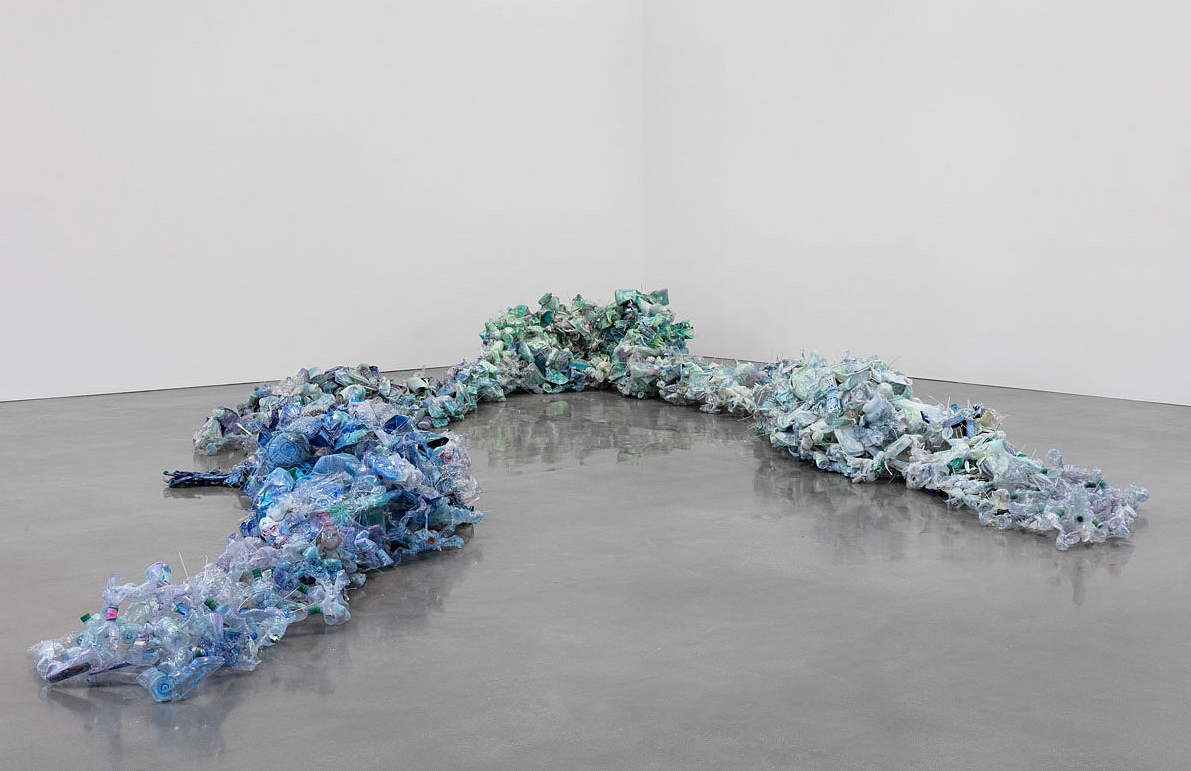
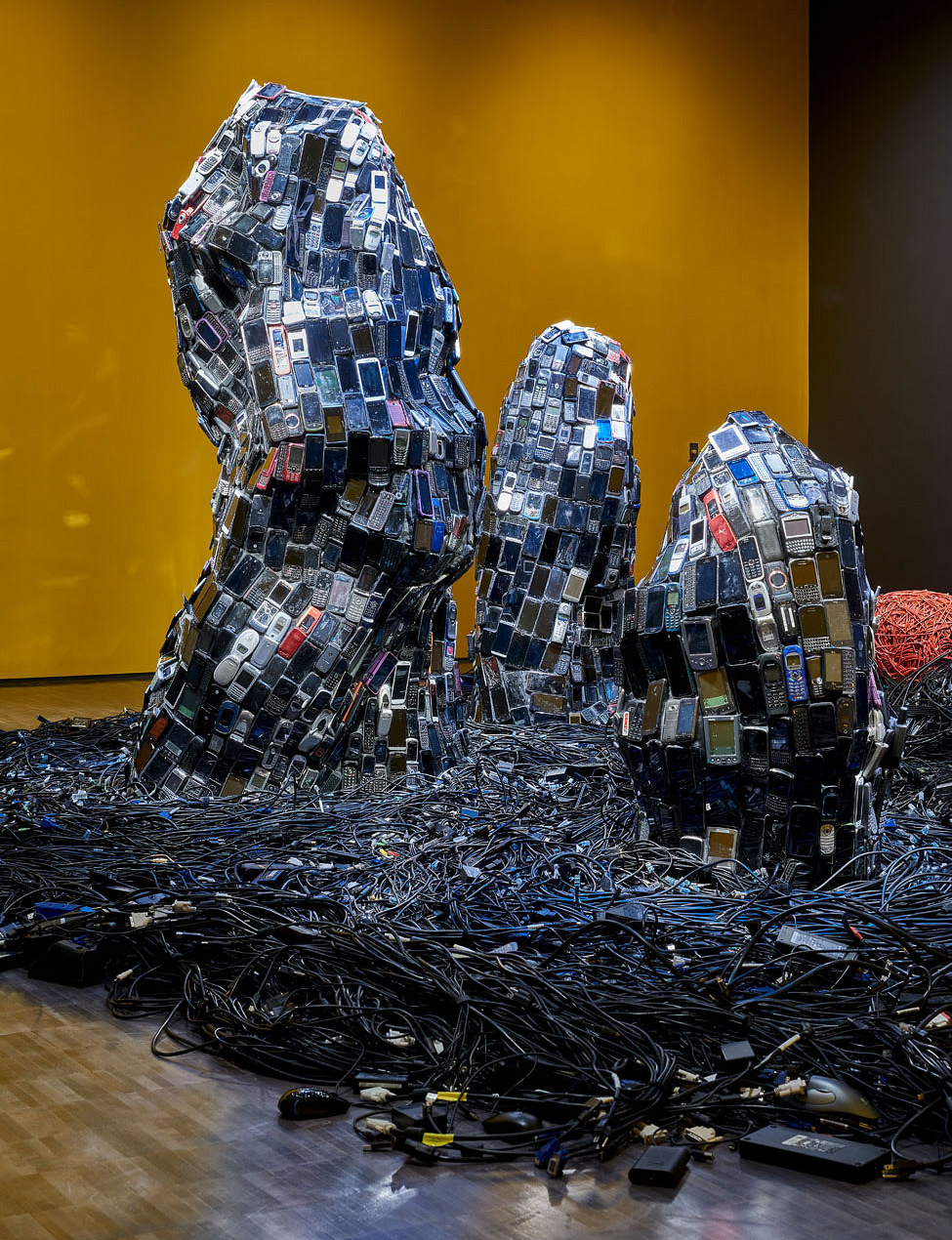
Future Geographies includes thirty-five works ranging from video and photography to sculpture and paintings. Some of the most striking for me were Lawrence Paul Yuxweluptun Lets'lotseltun's 2024 painting The Impending Fire Storms, Liz Larner's creation Meerschaum Drift (Blue), Jean Shin's Huddled Masses, and the simple yet impactful photographic works of Edward Burtynsky.
The relationship between the Climate Action Lab and VAG began before the exhibition opened. Students from the Lab became a part of the planning process for Future Geographies as part of their coursework, and had the ability to connect with the exhibition and curatorial team. This collaboration was originally made possible through an introduction by author and climate change scholar Naomi Klein, who is also co-director of the Centre for Climate Justice at UBC.
"I hope this partnership with UBC Climate Action Lab expands the dialogue, impact and overall resonance of the exhibition," says Andrea Valentine-Lewis, Curatorial Assistant at the Vancouver Art Gallery.
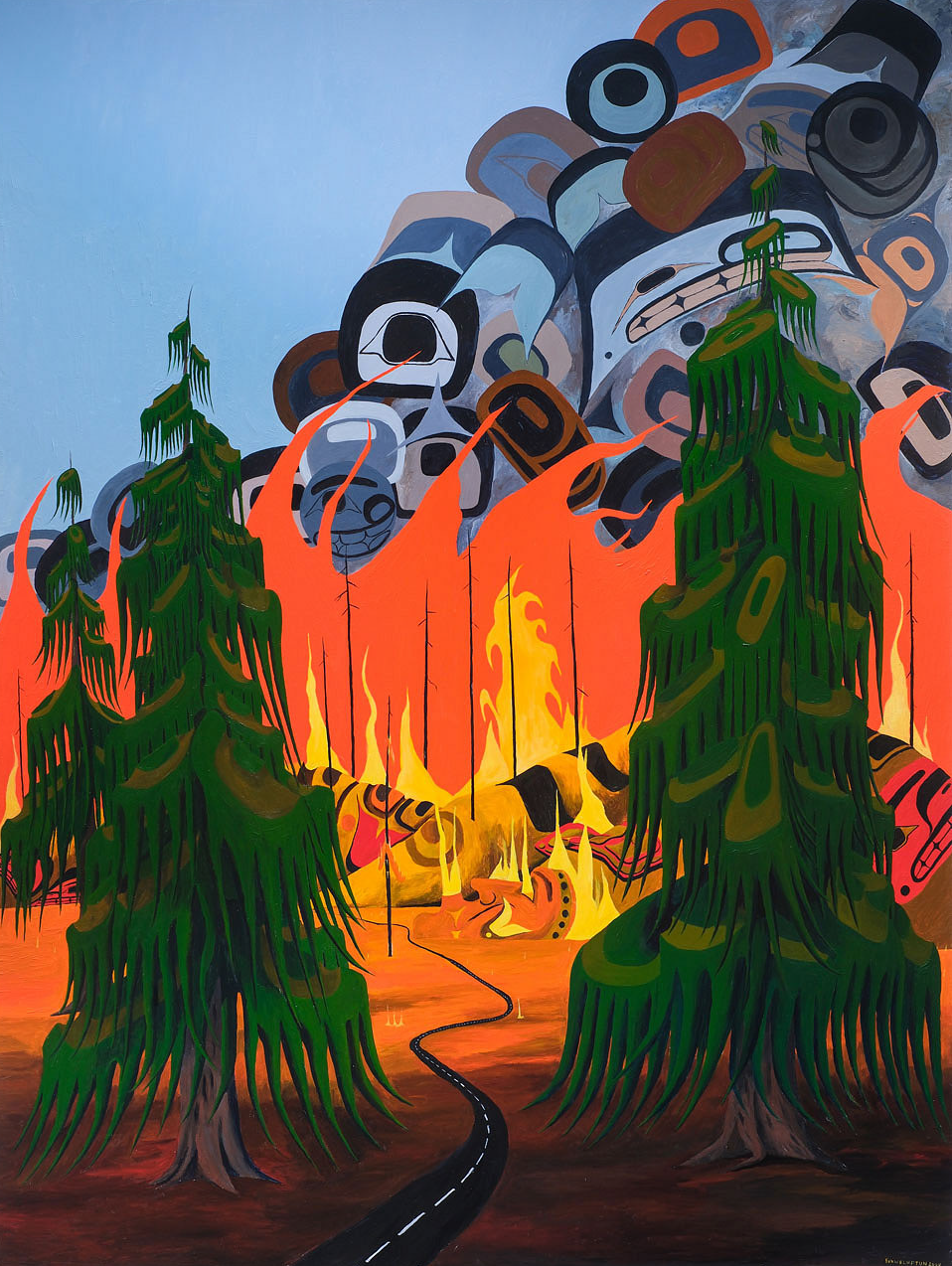
Future Geographies is varied in the styles of work produced, and the disciplinary backgrounds of different artists, but the string that holds it all together is the question, 'what role does art play as we experience the very real impacts of climate change?'
According to VAG representative Sarah Osborne, the impact of Future Geographies goes past the Gallery. "In terms of the Climate Action Lab partnership, we hope its impact and resonance with our audience extends beyond the exhibition," Osborne wrote in a statement to Arts Help. "The Gallery has also partnered with Canada’s National Observer to present Future Geographies online, extending the exhibition to audiences worldwide."
Readers can find out more about the exhibition on the Vancouver Art Gallery's website, and can access the online version of Future Geographies through their combined website with Canada's National Observer.