
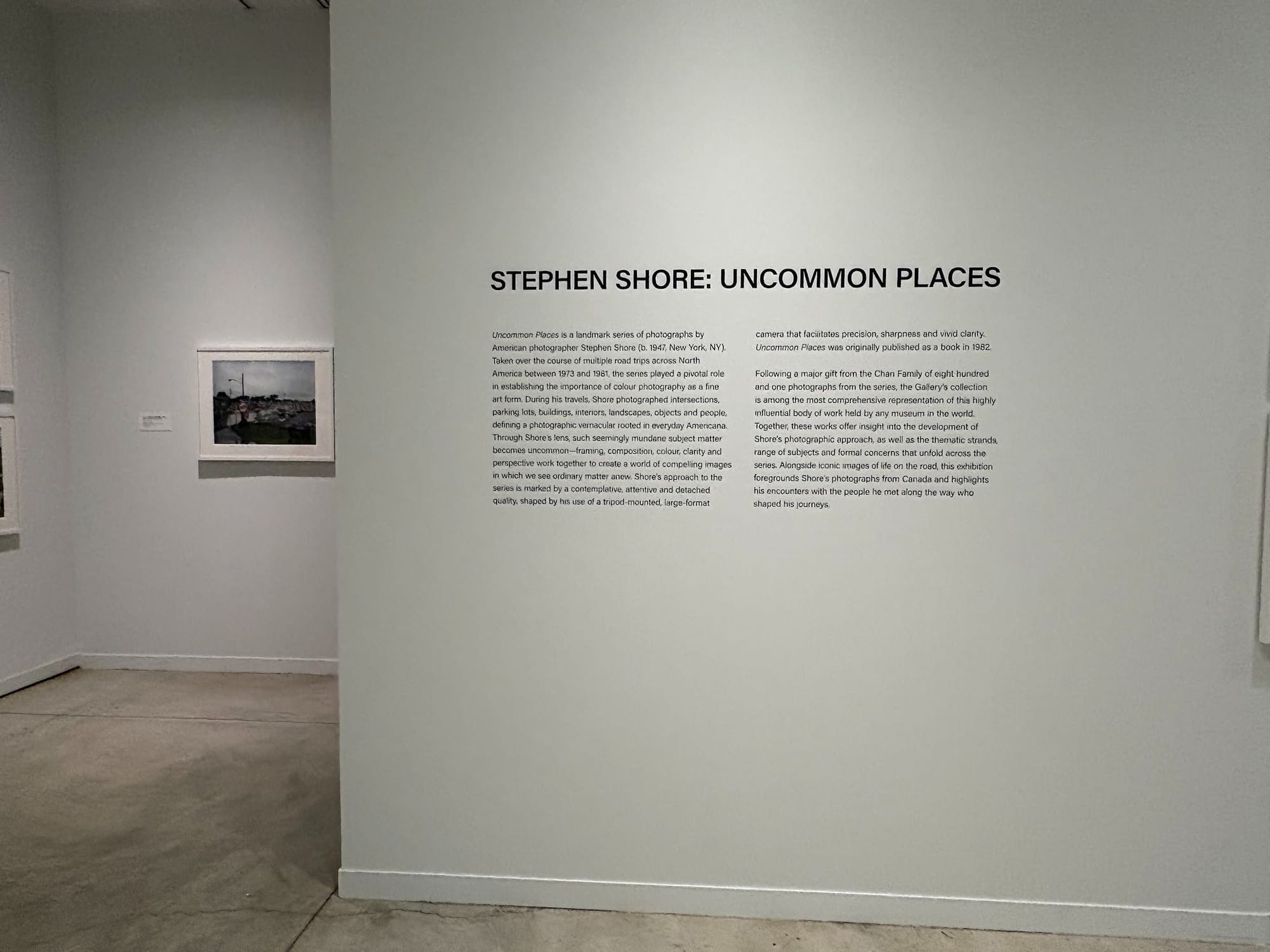
While now, it is not novel to consider colour photography a legitimate form of art, Shore's contributions at the time set a standard for future professional photographers. Starting first with black-and-white street photography in the 1960s, he did both monochrome and colour photography throughout his career. His work deals both in humility and a respect for the tools he had access to, like natural light and his tripod-mounted, large-format camera. Uncommon Places is on display at the Vancouver Art Gallery from April 1st to July 26, 2026, and is one of installations that is part of the 2026 Capture Photography Festival Featured Exhibitions Program.
Stephen Shore's work has been acclaimed for several decades. He was the first living photographer to have a solo exhibit at the Metropolitan Museum of Art in New York since Alfred Stieglitz. Stephen Shore: Uncommon Places demonstrates the beauty of everyday North American life, including the people and structures that bring life to small-town 'Americana.' The series therefore aligns with the United Nations Sustainable Development Goal of Life of Land and Sustainable Cities and Communities.
The Vancouver Art Gallery was gifted more than 800 of Stephen Shore's pieces in February 2026 by the Chan family. The VAG now has one of the largest collections of Shore's photos in the world, according to The Art Newspaper. The Chan family has also donated to the gallery, with a contribution of $40 million CAD to the VAG in 2019.
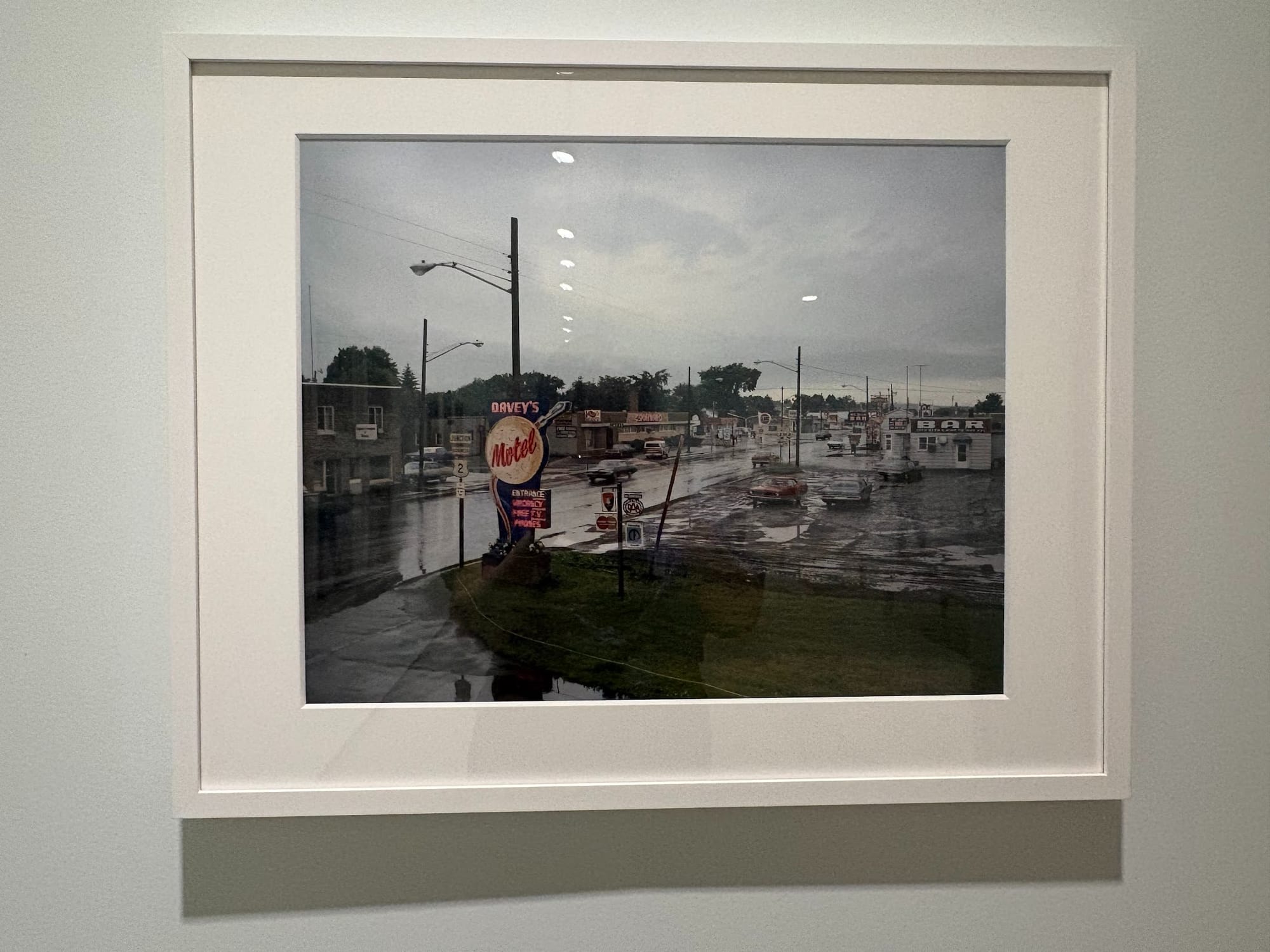
The pieces in the exhibit range in settings from American to Canadian towns, including photos set in Hamilton and Sudbury, Ontario. The photo on display on the exhibit's title wall is one of his best known, of the Martin Theatre in Panama City, Florida. Shore's photographs in this collections are taken from a series of road trips across North America between 1973 and 1981, ranging in location and subject. The throughline, however, is the dedicated attention given to everyday and typically ignored pieces of life across the towns he visited on his trips.
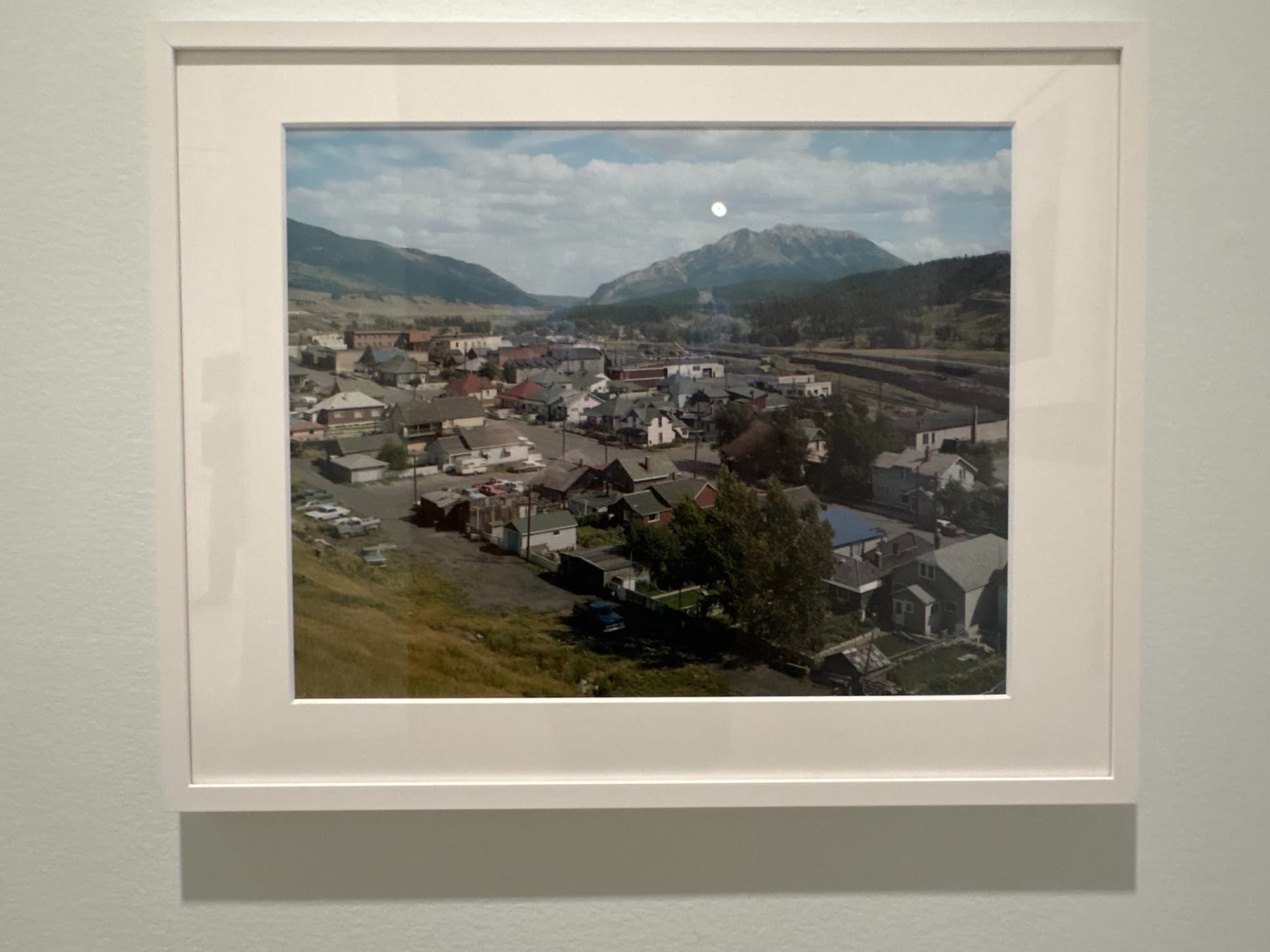
His photo, Coleman, Alberta, August 21, 1974, is an excellent example of the beauty of small town scenery explored in his road trips. His camera captures a residential neighbourhood in Coleman, Alberta, from an elevated position, framing the residences with surrounding mountains, and a smattering of clouds across a bright blue sky. Light, like many of the photos in the exhibit, is also a central subject, bouncing off of the mountains and homes to create a warm and colourful atmosphere.
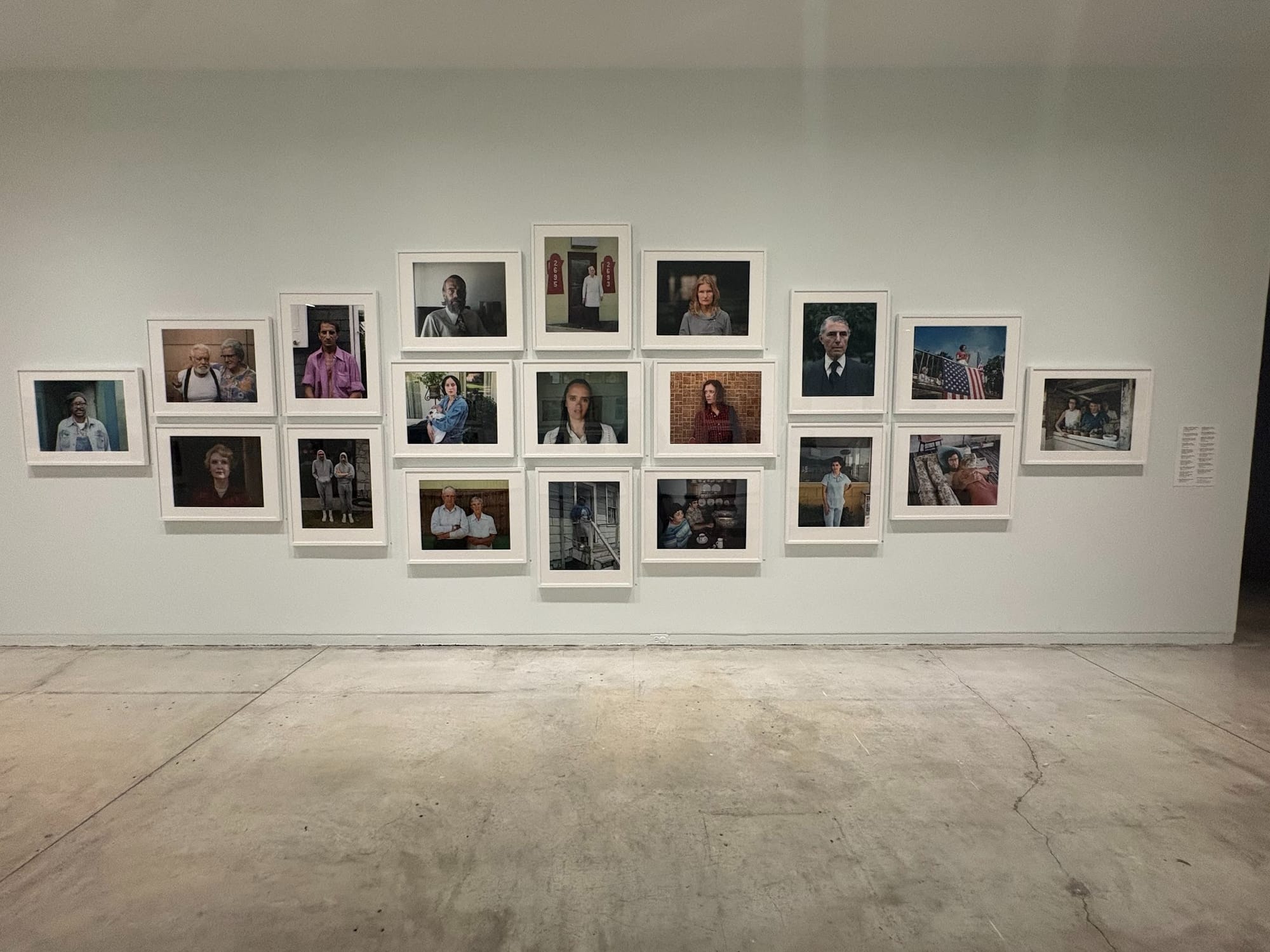
One of Uncommon Places focal points is not place photography at all, but nineteen portraits, arranged in a long diamond shape on one wall. The pieces are all taken between 1973 and 1977, with subjects from Pennsylvania, Oregon, Texas, Maine, West Virginia, Missouri, Tennessee and Florida. While some, like the upper photograph on the second column to the far left, include the subjects full names (Robert and Lucille Wehrly), others just include the location. These photos, though differing in subject from others in the exhibit, function similarly by capturing the fullness of life in mundane moments.
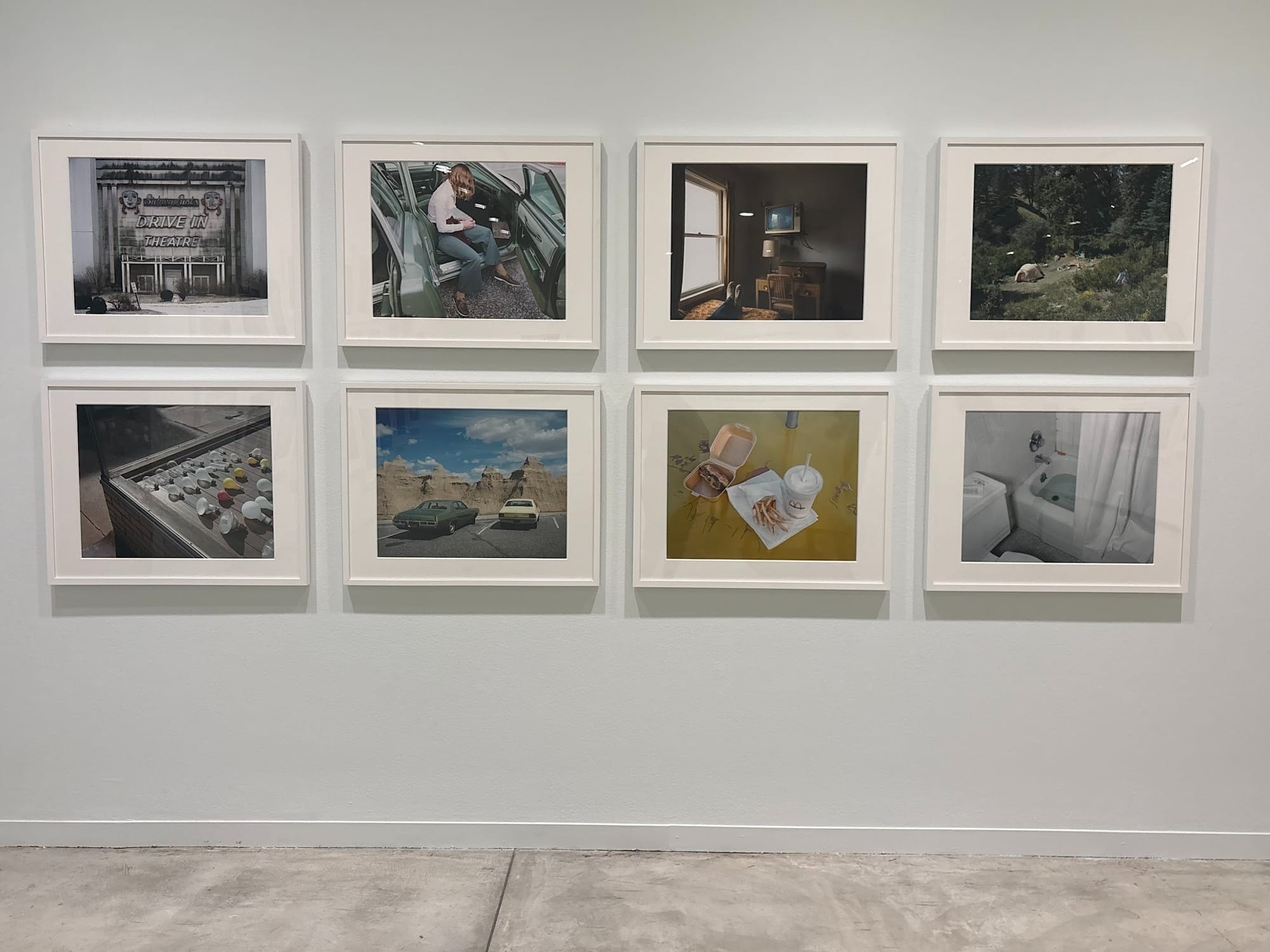
Stephen Shore's Uncommon Places celebrates Shore's legacy of establishing colour photography as serious art form, through mundane North American landscapes. His photographs transport their viewers to a traveller's perspective, where towns, cities and people are cast with new light.